
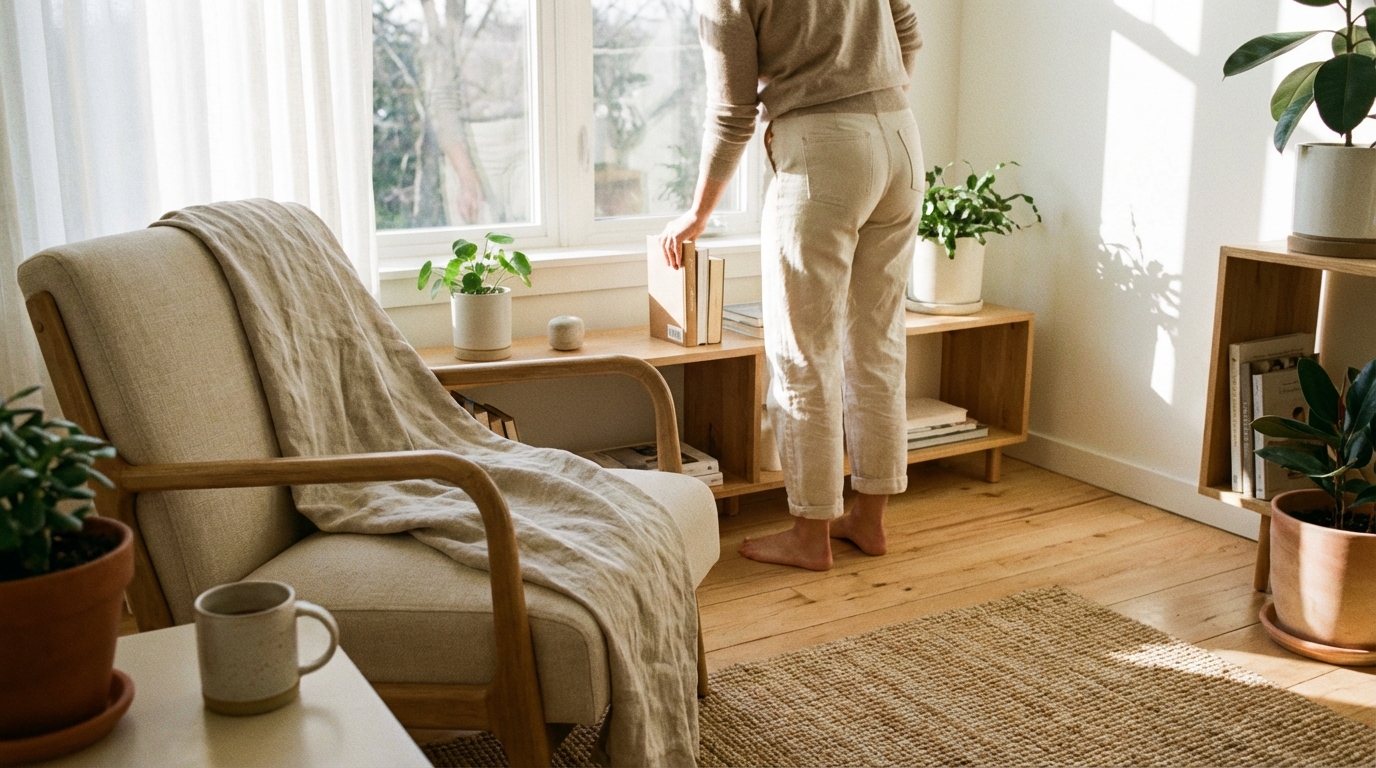
Building a home that supports daily habits means shaping rooms, storage, and flow around the way you actually live, not how a picture-perfect home looks in a magazine. Every day is made of small actions repeated again and again. Where you drop your keys, how you make coffee, where you charge your phone, and how you wind down at night all matter. When your space matches these habits, life feels easier. When it does not, even simple tasks can feel tiring.
Why daily habits should guide home design
Most people think about decorating first and living second. In reality, daily habits come first. Habits decide where clutter builds up, which rooms feel calm, and which spaces are ignored. A home that supports habits helps you save time, reduce stress, and stay organized without extra effort.
Habits are often invisible because they happen automatically. You walk in the door and set something down. You sit in the same spot on the couch every evening. You open the same kitchen drawer again and again. When you notice these patterns, you can design your home to work with them instead of against them.
This approach works in any home, whether it is a small apartment or a large house. It also works on any budget, because it focuses on placement and function, not expensive materials.
Observing how you really live
Before changing anything, it helps to observe your daily life. For a week or two, pay attention to how you move through your home. Notice where you pause, where you feel rushed, and where mess builds up. These spots reveal where your space needs support.
Ask simple questions. Where do shoes pile up? Where do bags land when you come home? Which surfaces collect mail, laundry, or random items? These are not failures. They are clues. They show where your home is asking for better storage, better lighting, or a clearer path.
It also helps to think about time of day. Morning habits are different from evening habits. Weekdays differ from weekends. A home that supports habits works across these shifts, not just at one perfect moment.
The entryway as a habit hub
The entryway is one of the most important areas for daily habits. It sets the tone for leaving and returning home. When this space works well, the rest of the house stays calmer.
A supportive entryway gives every item a clear place. Shoes, coats, bags, keys, and mail should all have easy-to-reach homes. If you have to walk across the house to put something away, it likely will not happen.
Hooks at the right height, a small bench for sitting, and a tray or bowl for small items can make a big difference. The goal is not to hide everything perfectly but to make the natural action the organized one.
Lighting also matters here. A bright, welcoming light helps you see what you are doing, especially in the early morning or evening. This small detail supports smoother transitions in and out of the house.
Designing the kitchen around daily routines
The kitchen is full of habits that repeat many times a day. Making coffee, packing lunches, cooking dinner, and cleaning up all follow patterns. When the kitchen supports these patterns, tasks feel lighter.
Think about where you stand when you prepare food. Items you use every day should live close to where you use them. If you make coffee every morning, keep mugs, filters, and coffee near the machine. This reduces extra steps and keeps counters clearer.
Counter space is another habit support tool. Clear areas invite use. Crowded counters discourage cooking and cleaning. If clutter keeps returning, it often means storage is too far away or too hard to reach.
Trash, recycling, and compost placement also affect habits. When bins are easy to access, clean-up happens naturally. When they are hidden or far away, mess tends to linger.
Pantries and food storage
A pantry should match how you shop and cook. If you buy snacks in bulk, shelves should handle larger packages. If you cook from scratch, spices and staples should be visible and within reach.
Clear containers, labels, and open shelving can support good habits by making food easy to see. When items disappear into the back of a cabinet, they often go unused.
Living areas that support rest and connection
Living rooms often serve many purposes, from relaxing to socializing to entertainment. Daily habits should guide furniture layout and storage here.
Notice where people naturally sit. Arrange seating around those spots instead of forcing a layout that looks balanced but feels awkward. Side tables near seats support habits like setting down drinks, books, or devices.
Storage in living areas should match what you actually use. If blankets are used every evening, store them nearby. If games or hobbies come out often, give them a clear home that is easy to access.
Technology also shapes habits. Charging stations placed near seating areas reduce cords across the room. When tech has a designated spot, it feels less overwhelming.
Bedrooms built for better sleep routines
The bedroom plays a major role in daily habits because sleep affects everything else. A supportive bedroom encourages calm, consistent routines.
Start with the bed area. Nightstands should hold only what you truly use at night. Lamps, books, glasses, and water are common. Extra items can distract from rest.
Lighting should be flexible. Soft lighting in the evening helps signal that it is time to wind down. Bright overhead lighting can be useful for cleaning or getting dressed but should be easy to turn off.
Clothing storage also affects habits. If clean clothes pile up on a chair, it may mean drawers are too full or hard to open. If laundry never makes it to the hamper, the hamper may be in the wrong place.
Morning routines in the bedroom
Morning habits benefit from clear paths and easy access. Outfits planned ahead of time reduce stress. Mirrors placed where you naturally stand save time.
If you check your phone first thing, consider where it charges overnight. Placing it a bit farther from the bed can gently change this habit without force.
Bathrooms that make routines smoother
Bathrooms host some of the most consistent daily habits. Brushing teeth, washing hands, and getting ready all repeat every day.
Storage near the sink should match what you use daily. Items used once a week should not crowd the counter. Drawers with simple organizers can help maintain order without effort.
Shower storage also matters. Products should be easy to reach and easy to put back. When shelves are too small or slippery, bottles tend to collect on the floor or tub edge.
Hooks for towels and robes placed where you naturally reach help keep the space tidy. The easier it is to hang something up, the more likely it will happen.
Laundry spaces that reduce friction
Laundry is a habit many people struggle with. A supportive space can reduce resistance and make the process smoother.
Place hampers where clothes actually come off, not where they look best. Sorting laundry at the start can save time later if you have space for multiple bins.
If folding laundry feels like a chore, consider adding a flat surface nearby. Even a simple table can change how the habit feels.
Storage for cleaning supplies should be close to where they are used. When supplies are easy to reach, small cleaning tasks happen more often.
Work-from-home habits and flexible spaces
Many homes now support work or study habits. A dedicated area, even a small one, can make a big difference.
Choose a spot with good light and minimal distraction. Storage for work tools should be close at hand. When work items are scattered, focus becomes harder.
Flexible spaces work best when they can switch roles easily. A desk that doubles as a craft table or a dining table that supports work needs clear storage to reset the space quickly.
Ending the workday is also a habit. Being able to close a laptop, store materials, or leave a space helps create balance.
Storage that follows behavior
Storage should follow behavior, not force new habits. The best storage solutions feel obvious and natural.
Open storage works well for items used often. Closed storage suits items used less frequently. Mixing both can support different habits.
Vertical storage makes use of walls and keeps floors clear. Shelves, hooks, and tall cabinets help small homes support big routines.
When storage is too complicated, it often fails. Simple systems are easier to maintain over time.
Lighting as a habit tool
Lighting affects mood, energy, and focus. Different habits need different light.
Bright, even lighting supports tasks like cooking and cleaning. Softer lighting supports relaxation and social time.
Layered lighting, such as combining overhead lights with lamps, allows you to adjust the space for different habits throughout the day.
Natural light also plays a role. Keeping windows clear and using light-colored surfaces can support daytime energy and better sleep patterns.
Sound and quiet in daily life
Sound influences how comfortable a home feels. Some habits need quiet, while others enjoy background noise.
Soft furnishings like rugs, curtains, and cushions help absorb sound. This can make spaces feel calmer and support focus or rest.
Creating quiet zones, even small ones, can help with reading, working, or relaxing. Likewise, having areas where noise is welcome supports social habits.
Air quality and comfort
Clean air supports healthy habits. Ventilation in kitchens and bathrooms removes moisture and odors. Fresh air supports better sleep and focus.
Houseplants can support air quality and add life to a space. Placing them where you see them daily encourages care and attention.
Temperature control also matters. Spaces that are too hot or too cold discourage use and disrupt routines.
Furniture layout and movement
How you move through a room affects habits. Clear pathways reduce frustration and support smooth routines.
Furniture should support natural movement. If you constantly walk around a chair or table, it may be in the wrong place.
Flexible furniture, like lightweight chairs or movable tables, allows spaces to adapt as habits change.
Technology and habit support
Technology can either support or disrupt daily habits. Thoughtful placement makes a difference.
Charging stations placed where devices are used reduce clutter and stress. Smart lighting or thermostats can support routines without extra effort.
Managing cords and cables helps spaces feel calmer. When tech is organized, it becomes a tool instead of a distraction.
Maintenance habits and easy care
A home that supports daily habits is easier to maintain. Materials and finishes should match how the space is used.
Durable surfaces in high-traffic areas reduce worry. Easy-to-clean finishes support regular upkeep.
When maintenance tasks are simple, they happen more often. This keeps the home feeling good over time.
Seasonal shifts and changing routines
Habits change with the seasons. A supportive home adapts to these shifts.
Storage for seasonal items should be easy to access but not in the way. Rotating items as seasons change keeps spaces functional.
Lighting and textiles can shift with the weather, supporting comfort and mood.
Supporting habits for families
Families have layered habits. Clear zones help everyone know where things belong.
Child-friendly storage supports independence. When kids can reach and put away their items, routines become smoother.
Shared spaces benefit from clear boundaries and flexible storage to handle different needs.
Accessibility and ease of use
Accessibility supports habits for all ages and abilities. Simple changes can make a big difference.
Lever handles, clear paths, and good lighting support daily movement. Storage at reachable heights supports independence.
A home that is easy to use feels welcoming and supportive.
Outdoor spaces and daily routines
Outdoor areas also support habits. A small patio, balcony, or yard can encourage fresh air and movement.
Comfortable seating invites regular use. Storage for outdoor items keeps the space ready.
Even simple outdoor habits, like morning coffee or evening walks, benefit from thoughtful design.
Budget-friendly habit-focused changes
Supporting daily habits does not require a big budget. Small changes often have the biggest impact.
Rearranging furniture, adding hooks, or changing lighting can transform how a space feels.
Using what you already have in a new way often reveals better solutions.
Letting habits guide future changes
Habits evolve over time. A supportive home grows with you.
Pay attention to new patterns as life changes. Adjust storage, layout, and lighting as needed.
By staying aware of how you live, your home remains a helpful partner in daily life, shaping routines that feel natural and sustainable.