
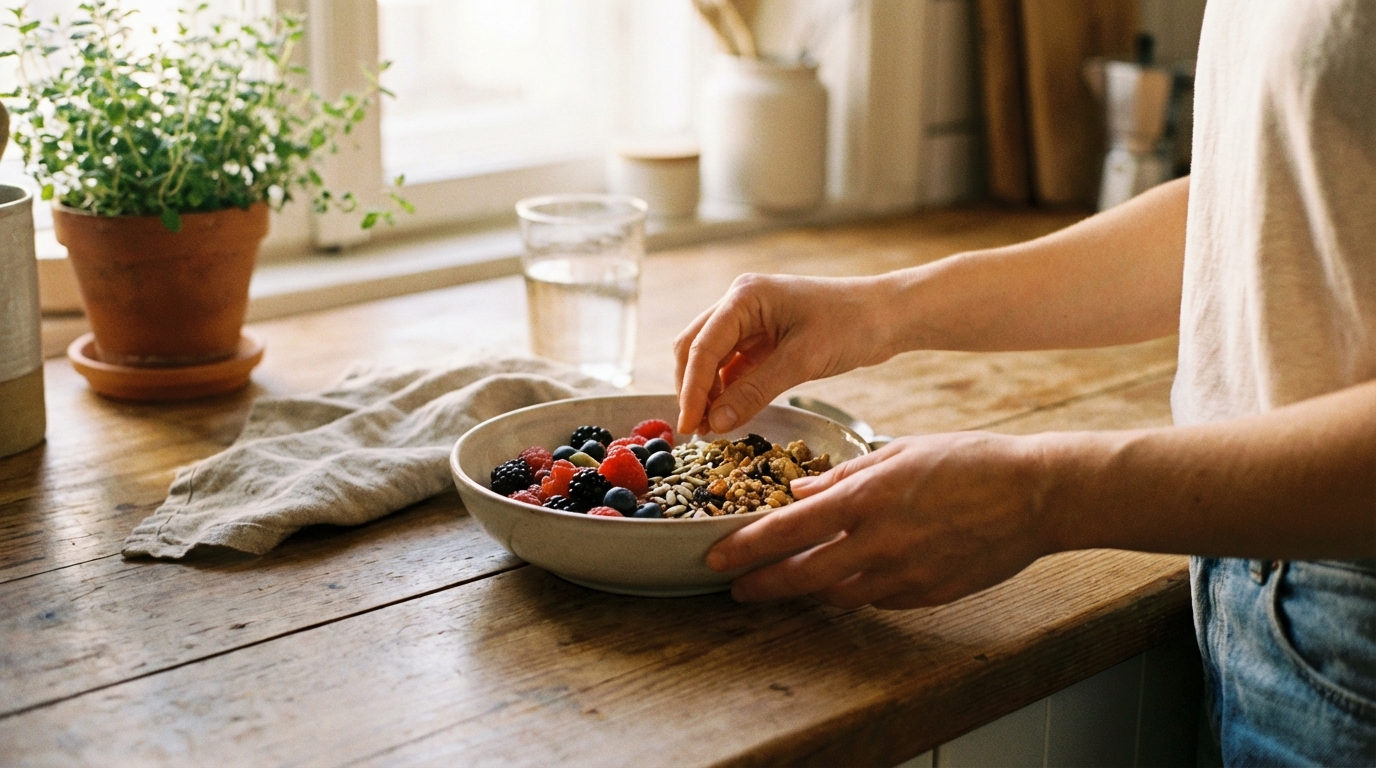
Building better health does not require extreme diets, intense workouts, or strict rules that are hard to keep. Many people believe they need a full lifestyle overhaul to feel better, but lasting wellness often grows from small, steady choices made day after day. A sustainable approach to health focuses on progress instead of perfection and respects the realities of busy schedules, limited energy, and changing life demands. When health habits fit naturally into everyday life, they are far more likely to last.
Rethinking What Health Really Means
Health is not a single goal or a final destination. It is an ongoing process that includes physical, mental, and emotional well-being. For some, health means having enough energy to get through the day. For others, it may mean managing stress, improving sleep, or reducing pain. Understanding that health looks different for everyone allows you to make choices that support your own needs rather than following trends.
Extreme changes often ignore personal context. A plan that works for one person may not work for another due to differences in age, work schedules, family responsibilities, or existing health conditions. Sustainable wellness starts by paying attention to your own body and lifestyle. Small improvements that match your current situation can slowly build a stronger foundation for health.
The Power of Small, Consistent Habits
Small habits may seem insignificant, but they add up over time. Drinking an extra glass of water, standing up to stretch once an hour, or going to bed ten minutes earlier can create real benefits when repeated daily. These actions are easier to maintain because they do not feel overwhelming.
Consistency matters more than intensity. A short daily walk is often more beneficial than a long workout done once a month. When habits are simple, they require less motivation and become part of your routine. This reduces the mental effort needed to stay healthy and lowers the risk of burnout.
Building Habits That Fit Your Life
To make habits stick, connect them to activities you already do. This is sometimes called habit stacking. For example, you might stretch while waiting for your coffee to brew or take a few deep breaths before checking your phone in the morning. By linking new habits to existing ones, you make them easier to remember and perform.
It also helps to start smaller than you think necessary. If your goal is to eat more vegetables, begin by adding one serving a day instead of changing every meal. If you want to move more, start with five minutes rather than an hour. These small steps reduce resistance and build confidence.
Everyday Nutrition Without Strict Rules
Healthy eating does not have to involve cutting out entire food groups or following complicated meal plans. Sustainable nutrition focuses on balance, variety, and enjoyment. Food is not just fuel; it is also part of culture, social life, and personal comfort.
Instead of labeling foods as good or bad, consider how different foods make you feel. Paying attention to energy levels, digestion, and mood can guide better choices without rigid rules. This approach encourages awareness rather than restriction.
Simple Ways to Improve Daily Meals
Adding nutrients is often easier than removing foods. You can include more fruits, vegetables, whole grains, or protein without giving up your favorite meals. For example, adding vegetables to pasta or choosing whole-grain bread can improve nutrition with minimal effort.
Regular meals and snacks can help maintain steady energy and prevent extreme hunger. Skipping meals often leads to overeating later, which can create a cycle of guilt and restriction. Eating consistently supports both physical health and a healthier relationship with food.
Hydration as a Foundation
Drinking enough water is one of the simplest ways to support overall health. Hydration affects energy, concentration, digestion, and even mood. Many people mistake thirst for hunger, leading to unnecessary snacking.
Keeping a water bottle nearby or drinking a glass of water with each meal can increase daily intake without much thought. Flavoring water with fruit or herbs can make it more enjoyable and encourage regular sipping throughout the day.
Movement That Feels Natural and Enjoyable
Physical activity does not have to mean intense workouts or long gym sessions. Movement includes any activity that gets your body moving, such as walking, gardening, cleaning, or playing with children. When movement is enjoyable, it becomes something you look forward to rather than a chore.
Focusing on how movement feels rather than how many calories it burns can change your relationship with exercise. Movement can improve mood, reduce stress, and increase energy even in short sessions. These benefits often appear before any visible physical changes.
Finding Opportunities to Move More
Everyday life offers many chances for movement. Taking the stairs, parking farther away, or doing light stretches during breaks can increase activity without requiring extra time. These small actions support joint health, circulation, and posture.
Choosing activities you enjoy makes consistency easier. Dancing, swimming, biking, or group classes can feel less like exercise and more like fun. When movement is linked to pleasure, it is more likely to become a regular part of your routine.
The Role of Rest and Sleep
Rest is just as important as activity when building health. Sleep supports immune function, mental clarity, emotional balance, and physical recovery. Without enough rest, even the best nutrition and exercise habits may not deliver full benefits.
Many people view sleep as optional or something to sacrifice for productivity. In reality, poor sleep often reduces focus and efficiency, making tasks take longer and feel harder. Protecting sleep time is a practical investment in daily performance and well-being.
Improving Sleep Without Drastic Changes
Small adjustments can improve sleep quality. Going to bed and waking up at the same time each day helps regulate the body’s internal clock. Creating a calming pre-bed routine, such as dimming lights or reading, signals to the body that it is time to rest.
Reducing screen use before bed can also support better sleep. Bright light and stimulating content can interfere with relaxation. Even a short break from screens before bedtime can make it easier to fall asleep and stay asleep.
Managing Stress in Everyday Life
Stress is a normal part of life, but ongoing stress can affect both physical and mental health. Chronic stress may contribute to sleep problems, digestive issues, and difficulty concentrating. Managing stress does not mean eliminating it completely, but learning how to respond in healthier ways.
Simple stress-management practices can fit into daily routines. These practices do not need to be time-consuming or complicated to be effective.
Simple Techniques for Daily Calm
Deep breathing is one of the easiest ways to reduce stress. Taking a few slow breaths can calm the nervous system and lower tension. This can be done anywhere, whether at work, at home, or in traffic.
Short breaks during the day also help prevent stress from building up. Standing up, stretching, or stepping outside for a few minutes can refresh both mind and body. These pauses support focus and emotional balance.
The Importance of Social Connections
Health is influenced by relationships and social support. Feeling connected to others can improve mood, reduce stress, and even support physical health. Humans are social beings, and meaningful interactions play a role in overall wellness.
Social health does not require a large circle of friends or constant interaction. Quality matters more than quantity. A few supportive relationships can make a significant difference.
Strengthening Connections Naturally
Regular check-ins with friends or family, even brief ones, can help maintain relationships. Sharing meals, taking walks together, or talking on the phone can strengthen bonds without requiring extra planning.
Being present during interactions also matters. Putting away distractions and listening actively can deepen connections and make social time more fulfilling.
Creating a Supportive Environment
Your environment can either support or challenge healthy habits. Small changes to your surroundings can make healthy choices easier and more automatic. This includes both physical spaces and daily routines.
A supportive environment reduces the need for constant willpower. When healthy options are easy to access, they are more likely to be chosen.
Making Healthy Choices More Convenient
Keeping nutritious foods visible and ready to eat can encourage better eating habits. For example, washing and cutting fruits and vegetables ahead of time makes them easier to grab when hunger strikes.
Organizing spaces to encourage movement can also help. Leaving workout shoes by the door or creating a small stretch area at home can serve as gentle reminders to move.
Tracking Progress Without Obsession
Monitoring progress can be helpful, but it should not become a source of stress. Tracking does not have to involve numbers or strict measurements. It can be as simple as noticing improvements in energy, mood, or daily comfort.
Focusing on how you feel rather than how you look encourages a healthier mindset. This approach supports long-term motivation and self-compassion.
Flexible Ways to Notice Change
Keeping a simple journal or mental note of positive changes can reinforce healthy habits. Writing down small wins, such as better sleep or less stress, helps highlight progress that might otherwise go unnoticed.
Celebrating these changes builds confidence and encourages continued effort. Progress is not always linear, and recognizing small improvements supports resilience.
Handling Setbacks with Kindness
Setbacks are a normal part of any health journey. Missed workouts, irregular meals, or stressful periods do not erase progress. Viewing setbacks as learning opportunities rather than failures helps maintain momentum.
Self-kindness plays a key role in sustainable health. Harsh self-criticism often leads to giving up, while understanding encourages problem-solving and persistence.
Adjusting Instead of Quitting
When habits become difficult to maintain, adjusting them can help. This might mean reducing goals temporarily or changing the approach to better fit current circumstances. Flexibility allows health practices to evolve with life changes.
Returning to basics during challenging times can provide stability. Simple actions like regular meals, gentle movement, and adequate rest can support health even when energy is low.
Making Wellness Accessible and Inclusive
Sustainable health should be accessible to people of different abilities, backgrounds, and resources. Wellness is not limited to expensive products, gym memberships, or specialized programs. Many effective health practices are low-cost or free.
Walking, home-cooked meals, stretching, and deep breathing are examples of accessible habits. Recognizing that wellness can be simple helps remove barriers and encourages broader participation.
Listening to Your Body’s Signals
Your body provides ongoing feedback about what it needs. Hunger, fatigue, tension, and mood changes are signals that can guide healthier choices. Learning to notice and respond to these signals supports long-term well-being.
Respecting these cues means allowing rest when tired and nourishment when hungry. This responsive approach builds trust with your body and supports a balanced relationship with health.
Building health without extreme changes is about creating a lifestyle that supports you in realistic ways. By focusing on small, meaningful actions and allowing room for flexibility, everyday wellness becomes something that grows naturally alongside daily life.