
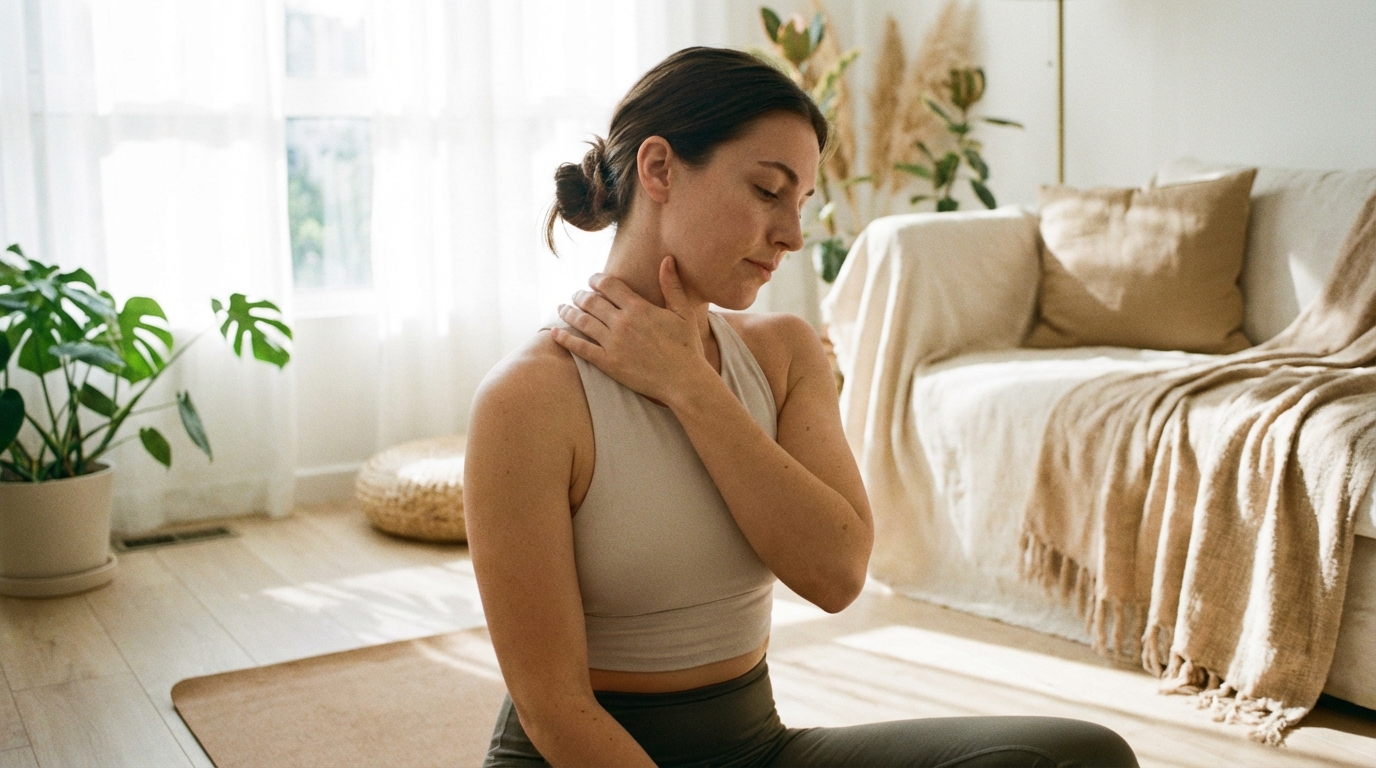
Building physical awareness over time is a skill that grows with attention, patience, and practice. Physical awareness means noticing what your body is doing and how it feels, both during activity and at rest. It includes recognizing posture, breathing, muscle tension, energy levels, hunger, pain, comfort, and subtle shifts in mood that show up as physical sensations. This awareness helps people make better choices about movement, rest, nutrition, and stress management. It also supports safer exercise, fewer injuries, and a stronger connection between mind and body.
What Physical Awareness Really Means
Physical awareness is not about judging your body or trying to control every sensation. It is about noticing what is happening without rushing to change it. Many people move through their day on autopilot. They sit, stand, walk, and work without paying attention to how their body responds. Over time, this can lead to stiffness, aches, fatigue, or stress that feels sudden but has been building quietly.
When you develop physical awareness, you start to recognize patterns. You may notice that your shoulders lift when you feel rushed, or that your breathing becomes shallow during long meetings. You might sense early signs of hunger, thirst, or tiredness instead of waiting until they become strong or uncomfortable. These small signals are your body’s way of communicating needs.
Awareness Versus Perfection
Physical awareness is not about having perfect posture or never feeling pain. Bodies are always changing. Some days feel strong and light, while others feel heavy or tense. Awareness allows you to respond with care rather than frustration. Instead of pushing through discomfort, you learn to pause, adjust, or rest when needed.
Why Subtle Body Signals Matter
Subtle body signals often appear long before major problems develop. A slight ache in the neck, a quiet sense of restlessness, or a small drop in energy can be early messages. When these messages are ignored, the body often speaks louder later through pain, illness, or burnout.
Learning to notice subtle signals helps with:
- Preventing injuries by adjusting movement early
- Managing stress before it becomes overwhelming
- Supporting better sleep and energy levels
- Improving focus and emotional balance
- Making exercise safer and more effective
These benefits build slowly. Physical awareness is like learning a new language. At first, the signals may feel confusing or faint. With practice, they become clearer and easier to understand.
How the Body Communicates
The body communicates through sensations rather than words. These sensations can be physical, such as warmth, tightness, heaviness, or lightness. They can also be internal signals like hunger, fullness, thirst, or the need to rest. Emotions often show up physically too, as butterflies in the stomach, a tight chest, or relaxed muscles.
Common Types of Body Signals
Understanding common signals makes them easier to notice:
- Muscle tension, often linked to stress or poor posture
- Changes in breathing speed or depth
- Heart rate increases or decreases
- Energy shifts, such as sudden fatigue or alertness
- Digestive sensations, including hunger and fullness
- Temperature changes, like feeling flushed or chilled
These signals are always present, but many people learn to ignore them. Building awareness means gently bringing attention back to these sensations throughout the day.
Starting With Stillness
One of the easiest ways to begin building physical awareness is through stillness. When the body is still, sensations become easier to notice. This does not require long meditation sessions. Even one or two minutes can make a difference.
Simple Stillness Practice
Try sitting or standing comfortably. Let your arms rest naturally. Take a slow breath in through your nose and out through your mouth. Then allow your breathing to return to normal. Notice where your body makes contact with the chair or floor. Pay attention to areas that feel relaxed and areas that feel tense.
If your mind wanders, gently bring your focus back to physical sensations. There is no need to change anything. The goal is simply to notice. Practicing this once or twice a day can increase your ability to sense subtle changes in your body.
Awareness During Everyday Activities
Physical awareness does not only happen during quiet moments. Daily activities offer many chances to check in with your body. Walking, washing dishes, typing, or brushing your teeth can all become opportunities for awareness.
Walking With Awareness
When you walk, notice how your feet meet the ground. Pay attention to the movement of your legs and arms. Observe your posture without forcing it to change. Are your shoulders relaxed or lifted? Is your breathing steady or rushed? These observations help connect movement with sensation.
Sitting and Standing
Many people spend long hours sitting. Physical awareness can reduce strain by helping you notice when your posture starts to collapse or when muscles feel tired. Instead of waiting for pain, you can shift positions, stand up, or stretch briefly.
When standing, notice how your weight is distributed. Are you leaning more on one leg? Are your knees locked? Small adjustments based on awareness can improve comfort over time.
Breathing as a Foundation
Breathing is one of the most powerful tools for building physical awareness. It happens automatically, but it also changes based on mood, activity, and posture. By paying attention to breathing, you gain insight into how your body is responding to different situations.
Noticing Natural Breathing
Instead of trying to control your breath, start by observing it. Notice where you feel your breath most clearly. It may be in your chest, belly, or nose. Observe the rhythm without changing it. Is it fast or slow? Deep or shallow?
Over time, you may notice that stress causes quicker, shallower breathing, while calm moments bring slower, deeper breaths. This awareness helps you recognize stress earlier.
Using Breath to Check In
Throughout the day, pause for one or two breaths and ask yourself how your body feels. This simple check-in can prevent tension from building unnoticed.
Movement and Physical Awareness
Movement is a powerful teacher of physical awareness. Exercise, stretching, and daily movements all provide feedback about strength, flexibility, balance, and coordination. The key is to move with attention rather than rushing through motions.
Slow and Controlled Movement
Slower movements make sensations easier to feel. Activities like gentle stretching, yoga, tai chi, or slow strength training encourage awareness of muscle engagement and joint position. You may notice which muscles work harder and which feel underused.
This awareness helps prevent overuse injuries and supports better movement patterns.
Listening During Exercise
During exercise, physical awareness helps you tell the difference between effort and pain. Effort may feel challenging but steady, while pain often feels sharp, sudden, or worsening. Learning this difference protects your body and builds trust in your sensations.
Posture and Alignment
Posture plays a big role in how the body feels throughout the day. Physical awareness allows you to notice posture habits without constant correction. Over time, awareness naturally leads to better alignment.
Noticing Postural Habits
Many people hold their head forward, round their shoulders, or arch their lower back without realizing it. Instead of forcing straight posture, simply notice these habits when they appear. Awareness alone often encourages gentle adjustment.
Check in with your posture during common activities like using a phone, working at a desk, or watching television. Notice how your neck, shoulders, and lower back feel.
Understanding Tension and Relaxation
Tension is a normal part of life, but chronic tension can affect comfort and health. Physical awareness helps identify where tension lives in the body and when it increases.
Common Tension Areas
- Neck and shoulders
- Jaw and face
- Lower back
- Hands and forearms
- Hips and thighs
By noticing these areas, you can respond with simple actions like stretching, changing position, or taking a short break.
Relaxation Through Awareness
Relaxation does not always require special techniques. Sometimes, simply noticing tension allows it to soften. When you bring attention to a tight area and allow it to be there without judgment, it may gradually release.
Physical Awareness and Emotions
Emotions often show up in the body before they are fully recognized in the mind. Physical awareness helps connect emotional states with physical sensations.
Recognizing Emotional Signals
You may notice a tight chest during worry, heavy shoulders during sadness, or a light feeling during happiness. These sensations are not problems to fix. They are signals that help you understand your emotional state.
By noticing these signals early, you can respond with care, such as taking a break, reaching out to someone, or adjusting your environment.
Eating and Body Awareness
Physical awareness plays an important role in eating habits. Hunger and fullness are physical signals that guide nourishment. Many people eat based on time, habit, or emotion instead of body cues.
Noticing Hunger
Hunger can show up as a gentle emptiness, low energy, or difficulty focusing. Learning to notice early hunger helps prevent overeating later. Pause before eating and check how your body feels.
Recognizing Fullness
Fullness often arrives gradually. It may feel like comfortable satisfaction, slower eating, or reduced interest in food. By eating with awareness, you can notice these signals and stop before discomfort.
Fatigue and Energy Awareness
Energy levels change throughout the day. Physical awareness helps you recognize natural rhythms and early signs of fatigue.
Early Fatigue Signals
- Heavier eyelids
- Slower thinking
- Reduced motivation
- Muscle heaviness
Responding to these signals with short rest, movement, or hydration can restore energy more effectively than pushing through.
Pain Awareness Without Fear
Pain can be a strong signal that deserves attention. Physical awareness helps you notice pain early and respond calmly rather than with fear.
Distinguishing Sensations
Not all discomfort means harm. Muscle soreness, stiffness, and temporary aches can be part of normal activity. Sharp, intense, or worsening pain often signals the need to stop and seek care.
By noticing pain patterns, location, and intensity, you gain useful information to guide decisions about rest or professional support.
Building Awareness Over Weeks and Months
Physical awareness grows gradually. It is shaped by repeated moments of attention rather than one-time efforts. Some days you may feel very connected to your body, while other days feel distant. This is normal.
Consistency Over Intensity
Short, regular check-ins are more effective than long, rare sessions. A few mindful breaths, posture checks, or movement pauses throughout the day add up over time.
Tracking Changes Gently
You may notice improvements like reduced tension, better balance, or quicker recognition of stress. These changes often appear slowly. Avoid judging progress. Simply notice what is different from before.
Physical Awareness in Different Life Stages
The body changes with age, lifestyle, and health status. Physical awareness helps you adapt to these changes with respect.
Youth and Awareness
Young people often feel strong and flexible, but awareness still matters. It supports safe sports participation, healthy posture, and emotional regulation.
Adulthood and Awareness
In adulthood, awareness helps balance work, family, and self-care. It supports injury prevention and stress management.
Later Life and Awareness
As the body ages, physical awareness supports balance, mobility, and independence. Noticing subtle changes helps guide activity choices and rest.
Barriers to Physical Awareness
Several factors can make physical awareness challenging. Busy schedules, constant screen use, and high stress pull attention away from the body.
Overcoming Distraction
Start small. Choose one routine activity to practice awareness each day. Gradually expand as it becomes more natural.
Working With Discomfort
Some people avoid awareness because they fear noticing discomfort. Approach sensations gently. Awareness does not mean focusing on pain nonstop. It means noticing and responding with care.
Creating Supportive Environments
Your environment influences physical awareness. Comfortable seating, regular movement breaks, and quiet moments support body connection.
Work and Home Settings
Arrange your workspace to support posture and movement. At home, create small routines like stretching in the morning or unwinding in the evening.
Physical Awareness as a Lifelong Skill
Physical awareness is not a goal to reach but a skill to practice. It deepens over time and adapts to your changing life. By noticing subtle body signals, you build a respectful relationship with your body that supports health, comfort, and resilience.