
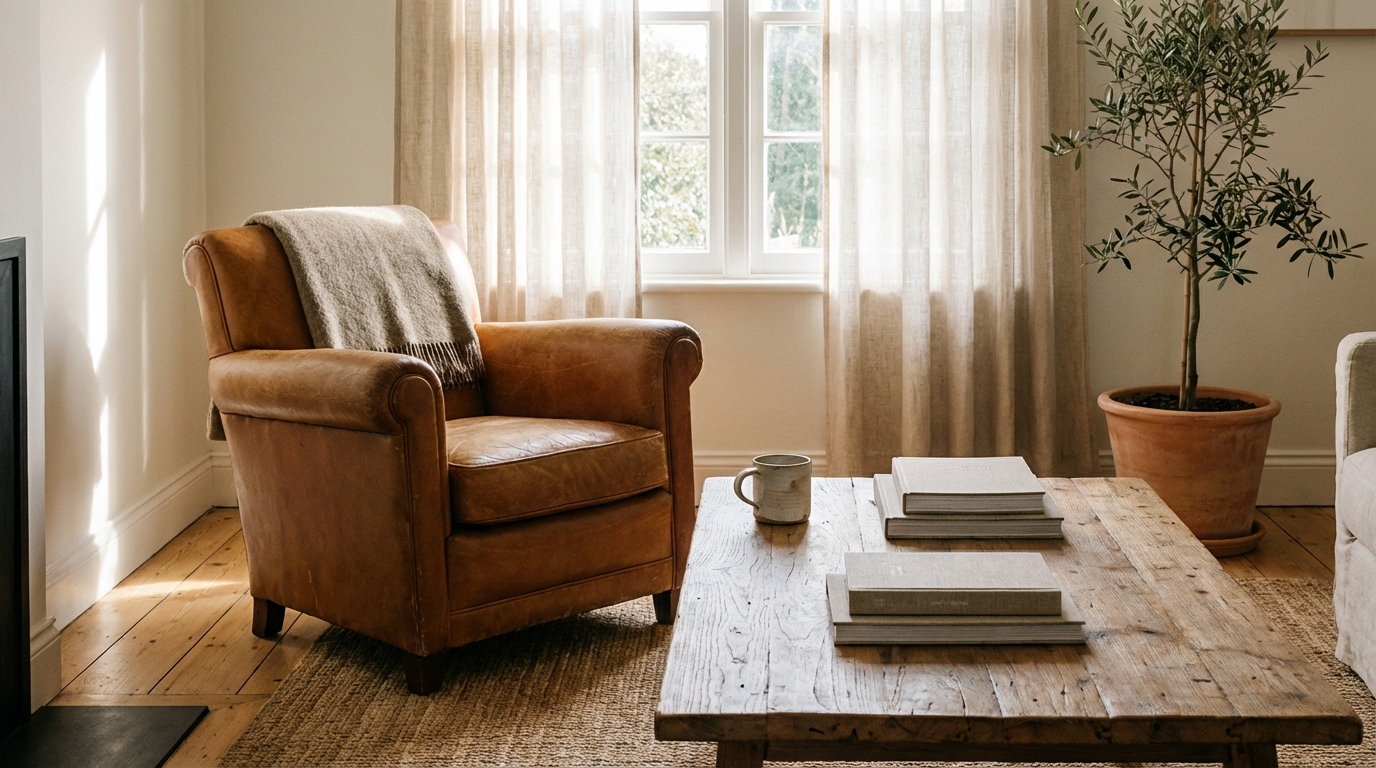
Choosing materials that age well is about more than trends or first impressions. It is about how a home feels, functions, and holds up years or even decades after the work is done. Long-term thinking helps homeowners avoid constant repairs, frequent replacements, and design regret. When materials are chosen with care, they develop character instead of looking worn out, and they support a comfortable, practical life over time.
Why Aging Matters in Home Materials
Every material changes over time. Some fade, crack, or weaken, while others gain warmth, depth, and strength. Understanding this difference is at the heart of long-term home planning. Aging is not a flaw. It is a natural process influenced by light, moisture, use, temperature changes, and cleaning habits. The goal is not to stop aging, but to choose materials that respond to it in a graceful way.
Homes are lived in spaces. Floors are walked on, counters are used daily, doors are opened thousands of times, and walls see sunlight year after year. Materials that age well handle this life without losing their core function or visual appeal. They reduce stress because homeowners do not need to worry about every scratch or mark.
Durability Versus Disposable Design
Many modern products are designed for quick installation and fast replacement. While this can lower upfront costs, it often increases long-term expenses and waste. Durable materials may cost more at the start, but they usually last longer and require fewer repairs. Over time, this balance often favors durability.
Disposable design often relies on thin layers, weak finishes, or materials that cannot be repaired. When damage happens, replacement is the only option. Durable materials, on the other hand, can often be refinished, resealed, or repaired. This ability to extend life is a key part of aging well.
Natural Materials and Their Long-Term Benefits
Natural materials have been used in homes for centuries, largely because they respond well to time. They tend to show wear in ways that feel honest and expected. Rather than looking outdated, they often look lived-in and comfortable.
Wood
Wood is one of the most common examples of a material that ages well. Solid wood floors can be sanded and refinished many times. Wood cabinets can be repaired, repainted, or refinished. Small dents and scratches often blend into the overall look, adding character instead of damage.
The key to long-lasting wood is species selection and finish. Hardwoods like oak, maple, and walnut are more resistant to wear than softwoods. Finishes that soak into the wood rather than sit on top tend to age better, as they do not peel or chip.
Stone
Stone is known for its strength and long life. Materials like granite, slate, limestone, and marble can last for generations. Over time, stone develops a surface that reflects use, sometimes called patina. This soft wear often enhances the look rather than harming it.
Not all stone behaves the same way. Some stones are more porous and may stain if not sealed. Long-term success with stone depends on understanding its needs and accepting that it will change slightly with age.
Clay and Ceramic
Clay-based materials, such as brick and ceramic tile, are another strong choice for aging well. Brick walls and floors can last for decades with little maintenance. Ceramic and porcelain tiles resist water, heat, and wear, making them ideal for kitchens, bathrooms, and entryways.
Tile styles that avoid bold patterns or trendy colors tend to age better visually. Simple shapes and neutral tones are easier to live with over time.
Metals That Stand the Test of Time
Metal is often used for structural elements, fixtures, and accents. Some metals age better than others, and their long-term appearance should be considered early in the design process.
Steel and Iron
Steel and iron are strong and stable. When properly treated, they can last for many years. In some designs, surface changes like slight rust or darkening are welcome and add character. In other cases, protective coatings help maintain a cleaner look.
These metals are often used in railings, hardware, and structural details. Their weight and strength give a sense of permanence that lighter materials cannot match.
Brass and Bronze
Brass and bronze are popular for fixtures and hardware because they age gracefully. Over time, they develop a darker, warmer surface that many people find appealing. This change happens slowly and evenly, creating a sense of depth.
Unlike finishes that flake or fade unevenly, these metals change as a whole. This makes them forgiving in busy areas like kitchens and bathrooms.
Understanding Patina and Wear
Patina is the visible result of aging on a material’s surface. It can come from oxidation, polishing through use, or exposure to air and light. Patina is often seen as a positive quality, especially in natural materials and metals.
Choosing materials that develop patina means accepting that the home will not look brand new forever. Instead, it will reflect the life lived inside it. This mindset can reduce frustration and help homeowners enjoy their space more fully.
Finishes That Improve With Time
The finish applied to a material often determines how well it ages. Thick, glossy coatings may look perfect at first but can show damage clearly. When they chip or scratch, the contrast is obvious.
Low-sheen, natural, or penetrating finishes tend to wear more evenly. As they age, the changes blend in rather than stand out. This makes maintenance easier and less urgent.
Paint Choices
Paint is one of the most common finishes in a home, and its aging behavior matters. Matte and eggshell finishes often age better than high-gloss ones because they hide small marks. Neutral colors are easier to refresh and less likely to feel outdated.
High-quality paint may cost more, but it usually resists fading and peeling better. This means fewer repaints over the years.
Sealants and Oils
Natural oils and waxes are often used on wood and stone. These finishes soak into the material and protect it from within. They may require reapplication, but they do not crack or peel.
This type of maintenance becomes part of regular home care and helps the material age evenly.
Flooring Choices for Long-Term Living
Floors see more wear than almost any other surface. Choosing flooring that ages well can make daily life easier and reduce future costs.
Solid Hardwood Flooring
Solid hardwood is a classic long-term choice. It can be refinished multiple times, allowing homeowners to refresh the look without replacement. Scratches and dents often become less noticeable as the floor develops a consistent pattern of use.
Wider planks and natural finishes tend to age better than narrow, heavily stained boards.
Stone and Tile Flooring
Stone and tile floors are extremely durable. They resist moisture, heat, and heavy traffic. Over time, they may show slight wear, but their structure remains strong.
Grout color and quality play a big role in how these floors age. Choosing a grout color close to the tile color can help hide changes over time.
Materials to Approach Carefully
Some flooring materials may look appealing at first but struggle with long-term wear. Thin laminates, very soft woods, and highly glossy surfaces can show damage quickly. When considering these options, it is important to think about how often the space will be used.
Kitchen Materials That Last
The kitchen is one of the most demanding areas of a home. Heat, moisture, spills, and daily use all affect how materials age.
Countertops
Countertop materials vary widely in how they age. Natural stone, solid wood, and high-quality composites often perform well over time. Scratches, stains, and marks can often be repaired or become part of the surface character.
Very thin or decorative surfaces may chip or crack more easily. Long-term thinking favors materials with depth and strength.
Cabinetry
Solid wood or plywood cabinets tend to age better than particleboard. Hinges, drawer slides, and hardware should also be chosen for durability. These small parts are used constantly and can affect how the kitchen feels years later.
Simple cabinet designs are easier to update with new hardware or paint, extending their life without major changes.
Bathrooms and Moisture-Heavy Spaces
Bathrooms test materials through constant exposure to moisture and temperature changes. Choosing the right materials here can prevent long-term problems.
Wall and Floor Surfaces
Tile, stone, and well-sealed plaster handle moisture better than many other materials. They resist mold and can be cleaned without damage. Over time, they tend to maintain their structure even as their surface appearance softens.
Fixtures and Fittings
High-quality fixtures made from solid metal parts usually last longer than lightweight alternatives. Their finishes may change, but the function remains reliable. This reliability reduces the need for frequent replacement.
Exterior Materials and Weathering
The exterior of a home faces sun, rain, wind, and temperature swings. Materials that age well outdoors protect the structure while maintaining a pleasing appearance.
Wood Siding and Trim
Wood used outdoors needs proper treatment, but it can age beautifully. Some homeowners prefer finishes that allow wood to fade naturally. Others choose paints or stains that can be refreshed over time.
The key is choosing wood species and finishes suited to the local climate.
Brick and Masonry
Brick and masonry are among the longest-lasting exterior materials. They resist fire, pests, and weather. Over time, they may darken or soften in color, but their strength remains.
These materials require little maintenance and often look better as they age.
Climate and Regional Considerations
A material that ages well in one climate may struggle in another. Long-term thinking means matching materials to local conditions.
In humid areas, materials must resist moisture and mold. In dry regions, they must handle intense sun and temperature changes. Cold climates require materials that can expand and contract without cracking.
Learning from local building traditions can be helpful. Materials used for generations in a region often have proven their ability to age well there.
Maintenance as Part of Aging Well
Even the best materials need care. Aging well does not mean maintenance-free. It means maintenance that is manageable and predictable.
Regular cleaning, sealing, oiling, or tightening of hardware helps materials last longer. When maintenance tasks are simple and spread out, they become part of normal home care rather than a burden.
Repairability and Adaptability
Materials that can be repaired support long-term use. Being able to sand a floor, replace a tile, or refinish a surface extends the life of a home.
Adaptability also matters. Materials that can accept new finishes or work with different styles allow a home to change without major renovation.
Sustainability and Long-Term Value
Choosing materials that age well often supports sustainability. Long-lasting materials reduce waste and the need for frequent manufacturing and transport. They also protect the investment made in the home.
Over time, homes built with durable, well-aging materials often retain value better. Buyers recognize quality that has proven itself through years of use.
Balancing Style and Longevity
Trends change quickly, but materials remain. Long-term thinking encourages separating style from structure. It is easier to change paint colors, textiles, and accessories than to replace floors or walls.
Choosing timeless materials allows homeowners to update the look of their home without starting from scratch. This balance keeps spaces feeling fresh while respecting the value of what is already there.
Making Thoughtful Choices
Choosing materials that age well is an ongoing process of learning and observation. Visiting older homes, touching worn surfaces, and noticing what still works can provide valuable insight.
Asking how a material will look, feel, and function in ten or twenty years can guide better decisions. Long-term thinking turns a house into a home that grows richer with time, shaped by use, care, and thoughtful choices.