
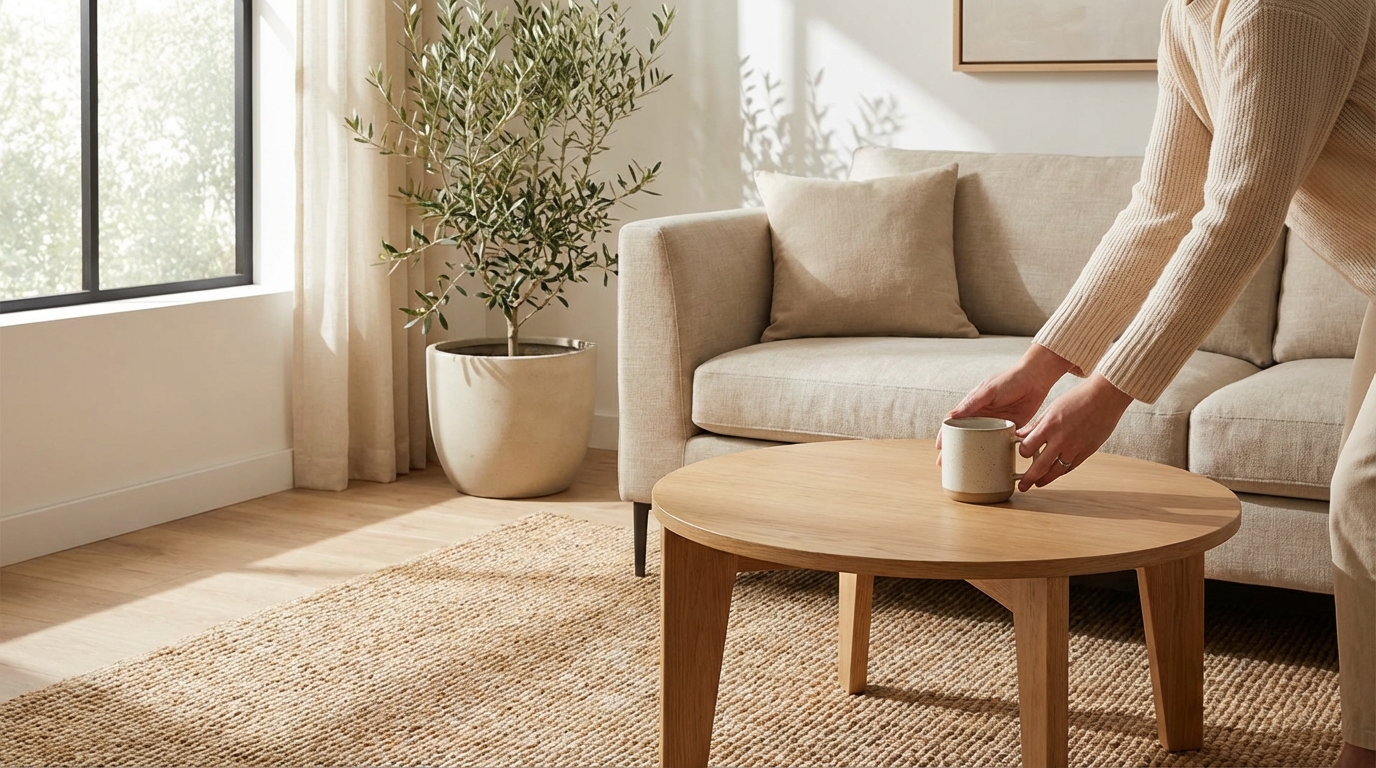
Home layout plays a huge role in how a house feels and functions every day. Even beautiful homes can feel stressful, cramped, or awkward if the layout does not support real life. Many layout mistakes are common, especially in new builds, renovations, or DIY remodels where trends or quick decisions take priority over daily habits. Understanding these mistakes can help homeowners plan spaces that are comfortable, practical, and enjoyable to live in.
Poor Traffic Flow Between Rooms
One of the most common home layout mistakes is poor traffic flow. Traffic flow refers to how people move through the home during normal activities like cooking, relaxing, or getting ready in the morning. When flow is poorly planned, people bump into each other, walk through work zones, or feel boxed in.
Hallways that are too narrow, doors that swing into each other, and furniture placed in walking paths all create daily frustration. A common issue is having to walk through the kitchen to reach another main room, which interrupts cooking and creates safety risks.
Good traffic flow allows people to move naturally without sharp turns or obstacles. Each room should have clear paths that do not cross the main activity areas. Ignoring this leads to constant inconvenience and wasted space.
Overlapping Door Swings
Doors that open into each other or block walkways are a frequent oversight. This often happens in small bathrooms, laundry rooms, or closets. When doors collide, it makes spaces harder to use and can even cause damage over time.
Switching to pocket doors, sliding doors, or adjusting door placement during planning can prevent this problem. Door swing direction should always be reviewed early in the design process.
Kitchens That Prioritize Style Over Function
The kitchen is one of the most used spaces in a home, yet it is also one of the most commonly misdesigned. Many kitchens look great in photos but fail in daily use because layout basics were ignored.
One major issue is placing appliances too far apart or too close together. When the sink, stove, and refrigerator are poorly positioned, cooking becomes inefficient and tiring. Another mistake is installing large islands that block movement or limit cabinet access.
Storage is also often underestimated. Kitchens with limited pantry space, shallow cabinets, or hard-to-reach shelves quickly become cluttered. When everything does not have a clear place, counters fill up and the kitchen feels messy even when clean.
Inadequate Counter Space
Not having enough usable counter space is a daily frustration. Counters are needed for food prep, small appliances, and everyday tasks like making coffee or packing lunches.
Designs that focus on open shelves, decorative backsplashes, or oversized appliances often sacrifice valuable work surfaces. Counters should be planned based on how many people cook at once and what tasks happen there most often.
Ignoring Natural Light and Window Placement
Natural light affects mood, energy, and how large a space feels. A common layout mistake is placing rooms without considering how sunlight moves through the home during the day.
Living rooms and kitchens benefit the most from natural light, yet they are sometimes placed in darker areas of the house. Bedrooms may receive harsh afternoon sun while main living spaces remain dim.
Poor window placement can also cause glare, overheating, or lack of privacy. Windows that face neighboring homes too closely or sit directly across from another window can make rooms uncomfortable.
Too Few Windows in Key Areas
Some layouts limit windows to exterior walls without considering room size or use. Large rooms with only one small window often feel gloomy and closed off.
Adding more windows or choosing larger ones can improve comfort, reduce the need for artificial lighting, and make spaces feel more inviting.
Oversized or Undersized Rooms
Room size balance is critical in home layout design. Oversized rooms can feel empty and hard to furnish, while undersized rooms feel cramped and stressful.
A common mistake is creating a massive living room while bedrooms or bathrooms remain too small. Another issue is having formal spaces that look impressive but rarely get used, while everyday spaces feel tight.
Each room should be sized based on how it will actually be used. Furniture, storage needs, and movement should all be considered before deciding room dimensions.
Unused Formal Spaces
Formal dining rooms or sitting rooms are often included out of habit rather than need. Many families rarely use these spaces, yet they take up valuable square footage.
When these rooms sit empty, other areas like home offices, playrooms, or storage spaces may feel overcrowded. Flexible layouts that allow rooms to serve multiple purposes tend to support daily living better.
Lack of Storage Throughout the Home
Insufficient storage is one of the most damaging layout mistakes for long-term comfort. Without enough storage, clutter builds up and living spaces feel chaotic.
Many homes focus on visible design features while overlooking practical storage solutions. Closets may be too small, garages poorly organized, and entryways lack space for coats and shoes.
Storage should be evenly distributed throughout the home, not limited to bedrooms. Everyday items need easy access to avoid piling up on surfaces.
Missing Entryway Storage
Homes without a functional entryway often struggle with clutter. Shoes, bags, keys, and coats end up scattered across the house.
A well-designed entry space with hooks, shelves, and seating helps maintain order and creates a smoother transition between outdoors and indoors.
Bathrooms With Awkward Layouts
Bathroom layout mistakes affect comfort and privacy. Common problems include toilets placed too close to doors, sinks with little counter space, and showers that feel cramped.
Another frequent issue is poor spacing between fixtures. When fixtures are too close together, cleaning becomes harder and movement feels restricted.
Bathrooms should be designed with daily routines in mind, including storage for toiletries, towel placement, and easy access to outlets.
Insufficient Ventilation
Ventilation is often overlooked during layout planning. Bathrooms without proper airflow trap moisture, leading to mold, odors, and damage over time.
Fans should be placed correctly and vented outside. Windows can also help, but they should not replace mechanical ventilation entirely.
Bedrooms With Poor Furniture Placement Options
Bedrooms should feel restful and easy to use, but layout mistakes often limit furniture placement. Windows, doors, and closets may be arranged in ways that leave no good wall for a bed.
This forces awkward furniture arrangements and limits storage options. It can also make rooms feel smaller than they are.
When planning bedrooms, it is important to consider where beds, dressers, and desks will realistically go.
Closets That Disrupt Room Flow
Closet doors that open into the room or block walking paths create daily frustration. Small closets with poor shelving also fail to meet storage needs.
Well-designed closets should be easy to access without interfering with other furniture or movement.
Open Floor Plans Without Defined Zones
Open floor plans are popular, but they come with risks when not carefully designed. A common mistake is creating large open spaces without clear zones for different activities.
Without visual or functional boundaries, noise travels easily, and spaces feel chaotic. Furniture placement becomes difficult, and rooms lose their sense of purpose.
Open layouts work best when areas are subtly defined through furniture, lighting, or flooring changes.
Noise and Privacy Issues
In open layouts, sound from the kitchen, TV, or conversations can travel throughout the home. This makes it hard to relax or focus.
Homes with open plans should include quiet areas or flexible partitions to support different needs at the same time.
Ignoring Electrical and Outlet Placement
Electrical planning is often treated as a minor detail, but poor outlet placement can seriously affect daily life. Homes may have too few outlets or place them in inconvenient spots.
People end up using extension cords or rearranging furniture just to plug in devices. This creates safety hazards and visual clutter.
Outlets should be planned based on how rooms will be used, including charging stations, lamps, and appliances.
Missing Lighting Layers
Relying on a single overhead light in each room is a common mistake. This creates harsh lighting and limits flexibility.
Rooms benefit from layered lighting, including task lighting, ambient lighting, and accent lighting to match different activities.
Staircases That Waste Space
Staircases take up a lot of space, and poorly designed ones waste even more. Some layouts place stairs in the center of the home without using the surrounding area effectively.
Others make stairs too narrow, steep, or dark, which affects safety and comfort.
The space under and around stairs can often be used for storage, seating, or small work areas if planned correctly.
Unsafe Stair Design
Stairs with inconsistent step heights, poor lighting, or missing handrails increase the risk of falls.
Good stair design should balance safety, comfort, and efficient use of space.
Laundry Rooms in Inconvenient Locations
Laundry room placement has a big impact on daily routines. A common mistake is placing laundry far from bedrooms or main living areas.
Carrying heavy baskets up and down stairs or across the house quickly becomes tiring. Another issue is laundry rooms that are too small to fold clothes or store supplies.
Laundry spaces should be planned around how often they are used and who uses them most.
Lack of Ventilation and Drainage
Laundry rooms need proper airflow and drainage to prevent moisture problems. Poor planning can lead to mold, odors, and damage.
These functional needs should be addressed early in the layout design.
Garages That Do Not Support Daily Use
Garages are often treated as afterthoughts, but they play an important role in storage and daily routines. A common mistake is designing garages too small for vehicles and storage.
When there is no room for bikes, tools, or seasonal items, the garage becomes cluttered and hard to use.
Garages should also have easy access to the house, especially near kitchens or entryways.
Poor Access Points
Garages without direct entry into the home force people to walk outside in bad weather.
Direct access improves convenience and safety, especially for families.
Outdoor Spaces That Are Disconnected
Outdoor areas are extensions of the home, yet many layouts treat them as separate spaces. A common mistake is placing patios or decks far from the kitchen or living room.
This makes outdoor spaces less likely to be used, especially for meals or gatherings.
Easy access and visual connection between indoor and outdoor spaces encourage more frequent use.
Lack of Shade and Privacy
Outdoor areas without shade or privacy quickly become uncomfortable. Poor placement can expose spaces to strong sun or neighboring views.
Layout planning should consider comfort throughout different seasons and times of day.
Failure to Plan for Future Needs
Many home layouts focus only on current needs and ignore how life may change. This leads to homes that feel outdated or limiting within a few years.
Common oversights include lack of space for aging in place, remote work, or growing families.
Flexible layouts that allow rooms to change function over time tend to offer better long-term comfort.
Limited Accessibility
Narrow doorways, stairs without alternatives, and tight bathrooms can become barriers later in life.
Even small adjustments during planning can make homes more adaptable and comfortable for many years.
Designing Without Daily Habits in Mind
The biggest layout mistake of all is designing a home based on appearance instead of real habits. Homes should support how people actually live, not how they imagine living.
Ignoring routines like morning schedules, meal prep, relaxation, and storage leads to constant small frustrations.
Good layouts are shaped by everyday life, making tasks easier and spaces more enjoyable to use.
By understanding these common home layout mistakes, homeowners can make smarter design choices that improve comfort, efficiency, and overall happiness in their living spaces.