
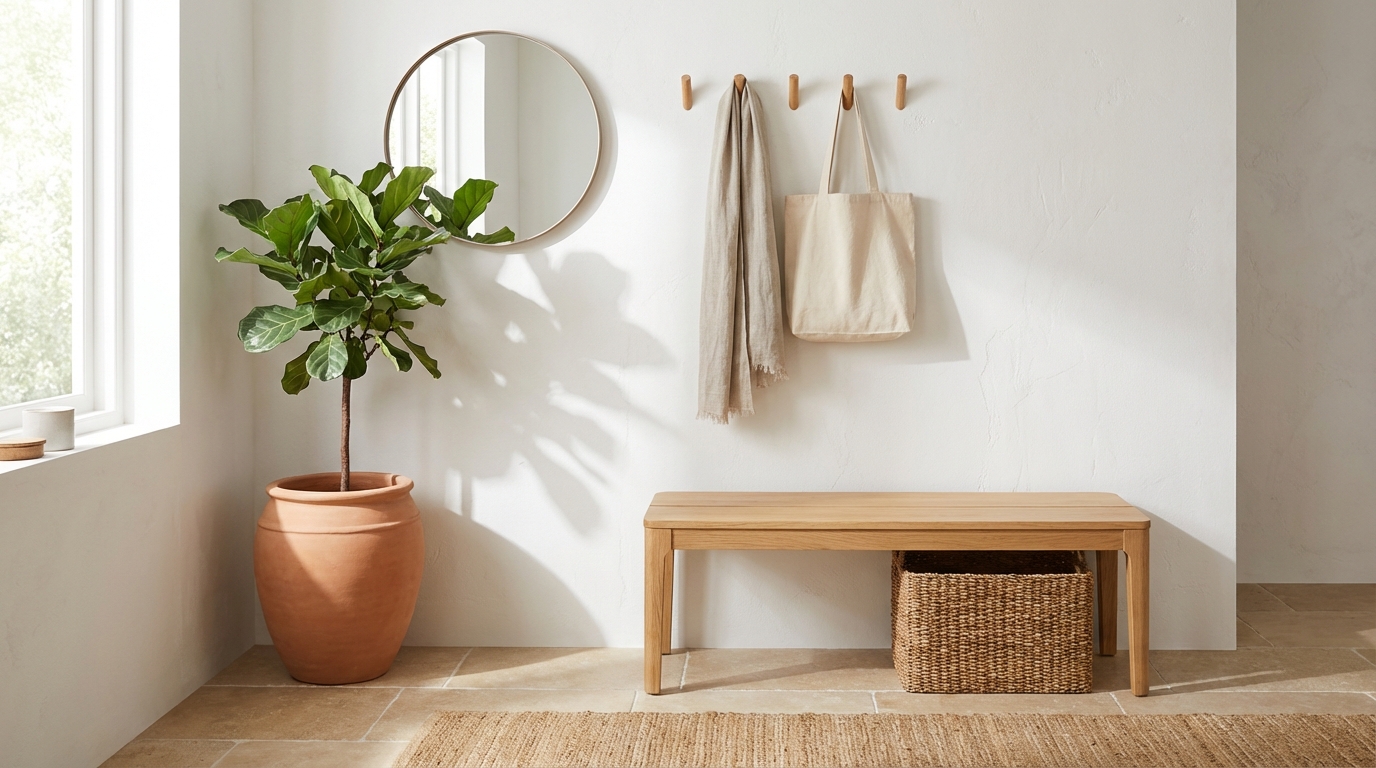
Creating calm entry points in your home is about shaping the first moments people experience when they walk through your door. These early impressions influence mood, energy, and how easily daily routines unfold. An entry point is not only a doorway or foyer; it is the emotional bridge between the outside world and your private space. By improving flow, comfort, and clarity, you can make this transition smoother for everyone who enters, including you.
Why Entry Points Matter
Every home has at least one entry point, whether it is a front door, a side door, or even a garage entrance. These spaces often collect clutter and stress because they handle heavy traffic. Shoes, bags, coats, mail, and keys all land here. Without intention, this area can feel chaotic and rushed.
A calm entry point helps the mind slow down. When you step inside and immediately know where to place your items, your body relaxes. Guests also sense this ease. They understand where to stand, where to put their belongings, and where to go next. This sense of order supports better flow throughout the rest of the home.
The Psychology of First Impressions at Home
Humans respond quickly to their surroundings. Light, color, smell, and space send signals to the brain within seconds. A cluttered or dark entry point can increase tension, while a clear and welcoming one can lower stress.
When you return home after a long day, your nervous system is already active. A calm entry point gives you a chance to reset. This is especially important in busy households where multiple people arrive and leave at different times. A well-designed entry point supports emotional balance by offering predictability and comfort.
Understanding Flow and Movement
Flow refers to how easily people move through a space. In an entry point, flow starts at the door and continues into the main living areas. Good flow means there are no obstacles, confusion, or tight squeezes.
To understand flow, stand outside your door and walk in slowly. Notice what you see first and where your body wants to go. If you bump into furniture, trip over shoes, or feel unsure about where to step, the flow needs improvement. Calm entry points guide movement naturally without effort.
Decluttering as the Foundation of Calm
Decluttering is the most important step in creating a calm entry point. Too many items compete for attention and make the space feel smaller. Start by removing anything that does not belong near the door.
Limit the number of shoes, coats, and bags stored here. Keep only what is used regularly. Seasonal items can be stored elsewhere. Mail should have a clear destination instead of piling up on a table.
- Remove broken or unused items.
- Relocate decorations that block pathways.
- Clear the floor to improve safety and openness.
Smart Storage for Everyday Items
Storage should support daily habits, not fight them. When storage is easy to use, people are more likely to keep the space tidy. Entry point storage works best when it is simple and visible.
Hooks are useful for coats, bags, and hats. They allow items to hang freely without crowding. Baskets and bins can hold shoes or accessories while keeping the floor clear. Closed cabinets hide visual clutter, while open shelves offer quick access.
Key Storage Tips
- Place hooks at different heights for adults and children.
- Use trays or small bowls for keys and wallets.
- Choose storage that fits the scale of the space.
Lighting That Sets the Mood
Lighting has a strong effect on how an entry point feels. Bright, harsh light can feel cold, while dim lighting can feel unwelcoming. The goal is balanced, warm light that helps people see clearly without glare.
Overhead lighting provides general brightness, but it works best when combined with softer options. Wall sconces or table lamps add warmth and depth. Natural light is also valuable, so keep windows clean and free from heavy coverings.
If possible, use light bulbs with a warm color temperature. This creates a cozy feeling and makes the space feel more inviting.
Color Choices for Calm Entry Points
Color influences mood in subtle ways. Calm entry points often use neutral or soft colors that do not overwhelm the senses. Light colors can make small spaces feel larger and more open.
Soft whites, warm grays, gentle blues, and muted greens are popular choices. These colors reflect light and create a sense of cleanliness. If you enjoy bolder colors, consider using them in small accents rather than on large surfaces.
Consistency also matters. When the entry point color flows into nearby rooms, the home feels more connected and peaceful.
Flooring and Rugs for Comfort and Safety
The floor is one of the first surfaces people notice and use. Entry point flooring should be durable, easy to clean, and comfortable underfoot. Materials like tile, wood, or vinyl work well because they handle dirt and moisture.
Rugs can add warmth and softness while also protecting the floor. Choose rugs with a low pile to avoid tripping. Non-slip backing is important for safety.
Rugs also help define the entry point, especially in open-plan homes. They visually mark the transition from outside to inside.
Managing Sound and Noise
Noise can disrupt calm quickly. Entry points often echo because of hard surfaces and open layouts. Soft materials help absorb sound and create a quieter atmosphere.
Rugs, curtains, and upholstered benches reduce noise. Even a simple wall hanging can soften sound. If the entry point is near a busy street, weather stripping around the door can reduce outside noise.
Keeping door hinges and handles well maintained also prevents sudden loud sounds that can feel jarring.
Scent and Air Quality
Scent is closely tied to memory and emotion. A fresh-smelling entry point feels clean and welcoming. Poor air quality or strong odors can have the opposite effect.
Regular ventilation helps keep air fresh. Opening doors or windows when weather allows can make a big difference. Plants also improve air quality and add life to the space.
Light, natural scents work best. Avoid overpowering fragrances. Clean regularly to prevent lingering smells from shoes or pets.
Using Plants to Add Life and Calm
Plants bring nature indoors and help soften hard lines. Even a small plant can make an entry point feel more relaxed and cared for.
Choose plants that match the light conditions. Low-light plants work well in darker entry points, while brighter spaces can support a wider range of greenery. Artificial plants can be an option if maintenance is a concern.
Planters should fit the scale of the space and not block movement. Hanging plants or wall-mounted planters can save floor space.
Seating for Ease and Practical Use
A small bench or chair can make an entry point more functional. Seating helps with putting on or taking off shoes and provides a place to set items temporarily.
Benches with built-in storage offer extra value by hiding shoes or bags. Choose seating that fits comfortably without crowding the space.
Soft cushions or upholstered surfaces add comfort and warmth, supporting the calm feeling of the area.
Mirrors and Visual Space
Mirrors are practical and help create a sense of openness. They reflect light and make small entry points feel larger.
A mirror near the door allows quick checks before leaving and adds convenience. The placement should not cause glare or reflect cluttered areas.
Frames should match the overall style of the home to maintain visual harmony.
Creating Clear Zones
Calm entry points often have clearly defined zones. Each zone has a purpose, such as shoe storage, coat hanging, or mail sorting.
Defining zones helps everyone know where things belong. This reduces confusion and keeps clutter from spreading. Visual cues like rugs, lighting, or furniture placement can mark each zone.
When zones are respected, the entry point stays organized with less effort.
Entry Points in Small Homes and Apartments
Small spaces require careful planning. Even without a traditional foyer, you can create a calm entry point by using a few key elements.
Wall-mounted storage saves floor space. Slim furniture fits tight areas without blocking movement. Multi-purpose items, like a shelf with hooks underneath, maximize function.
Keeping the area visually light is important. Avoid heavy furniture and dark colors that make the space feel cramped.
Family-Friendly Entry Points
Homes with children need entry points that handle high activity. Calm does not mean fragile. Durable materials and easy-to-use storage support busy routines.
Children benefit from having their own hooks or bins. When storage is at their height, they can participate in keeping the space tidy. Labels or simple color coding can help younger children understand where things go.
Clear pathways reduce accidents and make transitions smoother during busy mornings.
Pet-Friendly Considerations
Pets often enter and exit through the same door as people. A calm entry point can include pet-friendly features without feeling messy.
Designated spots for leashes, food containers, or towels keep pet items organized. Easy-to-clean flooring helps manage dirt and moisture.
Having a routine for cleaning paws or storing pet gear supports cleanliness and calm.
Seasonal Adjustments
Entry points change with the seasons. Coats, boots, umbrellas, and accessories vary throughout the year. Adjusting storage keeps the space functional.
Rotating items seasonally prevents overcrowding. Store off-season items elsewhere to free up space. This practice keeps the entry point feeling open and manageable.
Seasonal decor can add interest, but it should not block pathways or storage.
Budget-Friendly Improvements
Creating a calm entry point does not require a large budget. Small changes can make a noticeable difference.
Rearranging furniture, removing clutter, and improving lighting are low-cost steps. Simple storage solutions like hooks and baskets are affordable and effective.
DIY projects, such as painting or building a small shelf, allow personalization without high expense.
Maintenance and Daily Habits
Even the best-designed entry point needs regular care. Daily habits play a big role in maintaining calm.
Taking a few minutes each day to reset the space prevents clutter from building up. Returning items to their places keeps the area ready for the next arrival.
Weekly cleaning of floors, surfaces, and storage areas supports freshness and order.
Connecting the Entry Point to the Rest of the Home
The entry point sets the tone for the entire home. When it flows smoothly into nearby rooms, the overall environment feels cohesive.
Using similar colors, materials, or design elements helps create this connection. Sightlines should be clear, allowing the eye to move easily from one area to another.
When the entry point feels calm and organized, it encourages the same feeling throughout the home.