
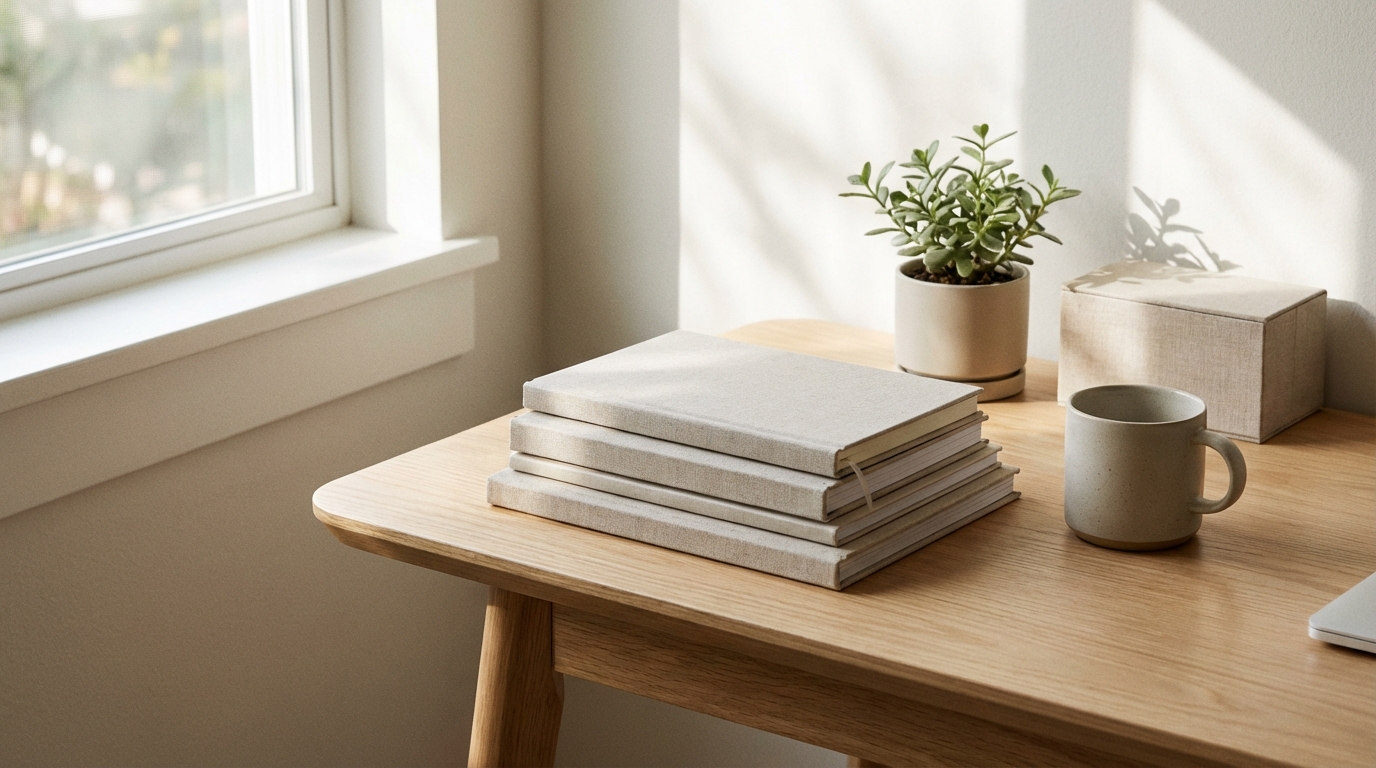
Creating a calm home is not only about buying the right furniture or choosing trendy colors. It is about how everything works together in a steady, predictable way that helps the mind relax. Visual consistency plays a powerful role in how we feel inside our homes. When rooms share common design choices, the brain does less work trying to understand the space. This creates a sense of peace, comfort, and emotional safety that supports daily life.
Why Visual Consistency Matters in the Home
Visual consistency means repeating certain design elements throughout a space so everything feels connected. These elements can include color, shape, texture, materials, and layout. When these features stay consistent, the home feels easier to understand. The eye moves smoothly from one area to another without feeling interrupted.
The human brain is always looking for patterns. When it finds them, it feels satisfied and calm. When patterns are missing or confusing, the brain stays alert. In a home, too much visual noise can cause stress, even if people cannot explain why. Consistency reduces that noise.
In busy daily life, home should feel like a break. Visual consistency supports that feeling by making spaces feel reliable and predictable. This is especially helpful in shared households, where many people use the same areas and benefit from clear visual structure.
Understanding How the Brain Responds to Design
The brain processes visual information faster than most people realize. Colors, shapes, and contrasts are read almost instantly. When these elements change too often or clash, the brain must work harder. This extra effort can lead to tension, fatigue, or irritability.
Consistent design reduces decision-making. For example, when storage areas look similar, people know where things belong without thinking. When lighting styles match, the brain does not need to adjust from one mood to another too quickly.
Consistency also supports emotional regulation. Calm spaces help people slow down. They breathe more evenly, move more gently, and feel more grounded. Over time, this supports better sleep, focus, and overall well-being.
Color Palettes and Emotional Balance
Color is one of the strongest tools for creating visual consistency. A limited color palette helps unify a home. This does not mean everything must be the same color. It means choosing a small group of colors that repeat in different ways.
Neutral colors like beige, gray, soft white, and warm taupe often form the base. These colors are easy on the eyes and work well in most lighting conditions. Accent colors can be added through pillows, artwork, or small decor items.
Using the same palette throughout the home helps rooms feel connected. A blue used in the living room might appear again in the bathroom towels or kitchen accessories. This repetition creates a gentle rhythm that feels calming.
Choosing Calm Colors
Soft, muted colors tend to feel more peaceful than bright or saturated ones. Earth tones, pale blues, sage greens, and warm creams are often linked to relaxation. These colors reflect nature, which many people find soothing.
Consistency does not mean avoiding personality. It means expressing personality in a controlled way. A favorite color can still be used, but in measured amounts that do not overwhelm the space.
Consistent Materials and Textures
Materials and textures also influence how calm a space feels. Natural materials like wood, stone, cotton, and linen often feel grounding. When these materials are repeated across rooms, they create a sense of continuity.
For example, if wood is used for flooring in one room, it can appear again in furniture or shelving elsewhere. If soft textiles are used in the living room, similar textures can show up in bedrooms or reading areas.
Too many competing textures can feel chaotic. Mixing smooth, rough, shiny, and matte surfaces is fine, but the mix should repeat rather than change in every room. This repetition helps the brain recognize familiar patterns.
Balancing Texture Without Overload
One helpful approach is to choose a few main textures and use them throughout the home. A soft fabric, a natural wood, and a subtle metal can be enough. These can be arranged in different ways without introducing new materials.
Consistency in texture also helps with comfort. People know what to expect when they sit, touch, or walk through the space. This physical predictability adds to emotional calm.
Furniture Style and Visual Flow
Furniture plays a large role in visual consistency. When furniture styles clash, rooms can feel disconnected. This does not mean all furniture must match exactly. It means the pieces should share similar lines, proportions, or design language.
For example, mixing very modern furniture with very traditional pieces can feel jarring unless done carefully. Choosing a general style direction helps create flow. This could be modern, traditional, transitional, rustic, or minimalist.
Repeating furniture shapes also supports calm. Rounded edges repeated across tables and chairs feel softer than mixing sharp angles with curves randomly. Straight lines repeated consistently feel orderly and stable.
Spacing and Arrangement
Consistency in how furniture is arranged matters as much as the furniture itself. Clear pathways help people move easily through a space. When furniture placement follows similar logic in each room, the home feels intuitive.
Balanced layouts, where furniture is evenly spaced and not overcrowded, reduce visual stress. Leaving some open space allows the eye to rest. This is especially important in small homes or apartments.
Lighting as a Unifying Element
Lighting affects mood more than many people realize. Consistent lighting styles and color temperatures help maintain a calm atmosphere. When lighting changes drastically from room to room, it can feel unsettling.
Warm light tends to feel more relaxing than cool light. Using similar light temperatures throughout the home helps create harmony. This does not mean every room must be equally bright, but the tone of light should feel related.
Lighting fixtures can also support visual consistency. Repeating similar shapes or finishes in lamps, pendants, or ceiling lights helps tie spaces together.
Layered Lighting for Comfort
Layered lighting includes ambient, task, and accent light. When this approach is used consistently, each room feels balanced. Ambient light provides overall brightness, task light supports activities, and accent light adds interest.
Using similar lighting layers in each room helps people adjust easily as they move through the home. This reduces eye strain and supports a sense of stability.
Storage Solutions and Visual Calm
Clutter is one of the biggest barriers to calm. Visual consistency in storage helps reduce clutter by making organization simple and clear. When storage containers, shelves, and cabinets look similar, the space feels more orderly.
Matching storage bins, baskets, or boxes create a clean look even when items are stored openly. Closed storage with consistent finishes hides visual noise and allows the mind to relax.
When storage systems are repeated across rooms, people learn how to use them without thinking. This reduces daily frustration and supports smoother routines.
Creating Predictable Systems
Consistency in storage is also about placement. Keeping similar items in similar places across rooms helps build habits. For example, cleaning supplies stored the same way in different areas reduce confusion.
Predictable systems are comforting. They allow people to focus on living rather than searching, sorting, or rearranging.
Decor Choices That Support Peace
Decor adds personality, but too much variety can feel overwhelming. Choosing decor that fits within the same visual language keeps the home feeling calm. This includes artwork, accessories, and decorative objects.
Repeating themes, colors, or materials in decor helps unify the space. Nature-inspired decor, simple patterns, or handmade items often feel soothing.
Limiting the number of decorative items also helps. Fewer, more meaningful pieces create visual rest and emotional connection.
Art and Wall Design
Wall art can strongly affect mood. Consistent frame styles, color schemes, or subject matter help walls feel organized. Gallery walls work best when there is a clear pattern or structure.
Leaving some walls empty is also a form of consistency. Not every surface needs decoration. Open space allows the mind to pause.
Flooring and Visual Continuity
Flooring connects the entire home. When flooring changes often, it can break visual flow. Using the same or similar flooring throughout helps spaces feel larger and more connected.
If different flooring is needed for practical reasons, choosing materials with similar tones or textures can still maintain consistency. Area rugs can also help bridge transitions.
Consistent flooring supports calm by providing a steady visual base. The eye moves smoothly across the home without interruption.
Window Treatments and Natural Light
Window treatments are often overlooked, but they play an important role in visual consistency. Using similar curtain styles or colors throughout the home creates harmony.
Light, simple fabrics allow natural light to flow, which supports emotional well-being. Heavy or dark window treatments can feel grounding when used consistently, but may feel oppressive if mixed randomly.
Natural light itself is a calming element. Arranging furniture and decor to support light flow enhances the peaceful feeling of the home.
Consistency Across Open-Concept Spaces
Open-concept homes especially benefit from visual consistency. Without walls to separate rooms, design choices must clearly connect different areas.
Using the same color palette, flooring, and general furniture style helps define zones without creating visual conflict. Rugs, lighting, and furniture placement can mark areas while still feeling unified.
Consistency in open spaces prevents sensory overload. It allows people to relax even in large or busy areas.
Bedrooms and Personal Calm
Bedrooms are personal spaces where calm is essential. Consistent design supports better rest by reducing stimulation. Soft colors, gentle textures, and simple layouts help the mind slow down.
Keeping bedroom design in harmony with the rest of the home creates a sense of safety. At the same time, bedrooms can have slightly more softness or warmth to support sleep.
Consistency in bedside lighting, bedding colors, and furniture style supports nightly routines and relaxation.
Kitchens and Visual Order
Kitchens are busy spaces, but they can still feel calm with consistent design. Matching cabinet finishes, simple hardware, and limited countertop decor reduce visual noise.
Open shelving works best when items are consistent in color or style. Closed storage helps hide clutter and maintain order.
Consistent kitchen design supports efficiency. When everything looks and works in a predictable way, cooking and cleaning feel less stressful.
Bathrooms as Calm Retreats
Bathrooms often benefit from spa-like consistency. Repeating materials like tile, stone, or wood creates a soothing environment.
Using similar towels, containers, and accessories helps maintain visual order. Soft lighting and simple color palettes support relaxation.
Even small bathrooms feel calmer when design choices are intentional and consistent.
Consistency for Families and Shared Homes
In homes with multiple people, consistency helps everyone feel comfortable. Clear visual cues support shared understanding of how spaces are used.
When design choices are predictable, children and guests know where things belong. This reduces conflict and confusion.
Consistent design also supports routines, which are important for emotional stability in shared households.
Adapting Consistency Over Time
Consistency does not mean staying the same forever. Homes evolve as people change. The key is to make changes thoughtfully and in line with existing patterns.
When adding new items, considering color, texture, and style helps maintain harmony. Small updates that repeat existing elements feel natural rather than disruptive.
This approach allows homes to grow while preserving the calm foundation that consistency provides.
Mindful Design as Daily Support
Consistent design is a form of care. It supports mental health by reducing stress and creating a sense of order. The home becomes a place that gently supports daily life rather than demanding attention.
By paying attention to visual patterns, materials, and layout, anyone can create a calmer living environment. These choices do not require expensive items or perfect style. They require intention and awareness.
Visual consistency quietly shapes how people feel every day. Through thoughtful repetition and balance, the home becomes a steady, peaceful presence that supports rest, connection, and well-being.