
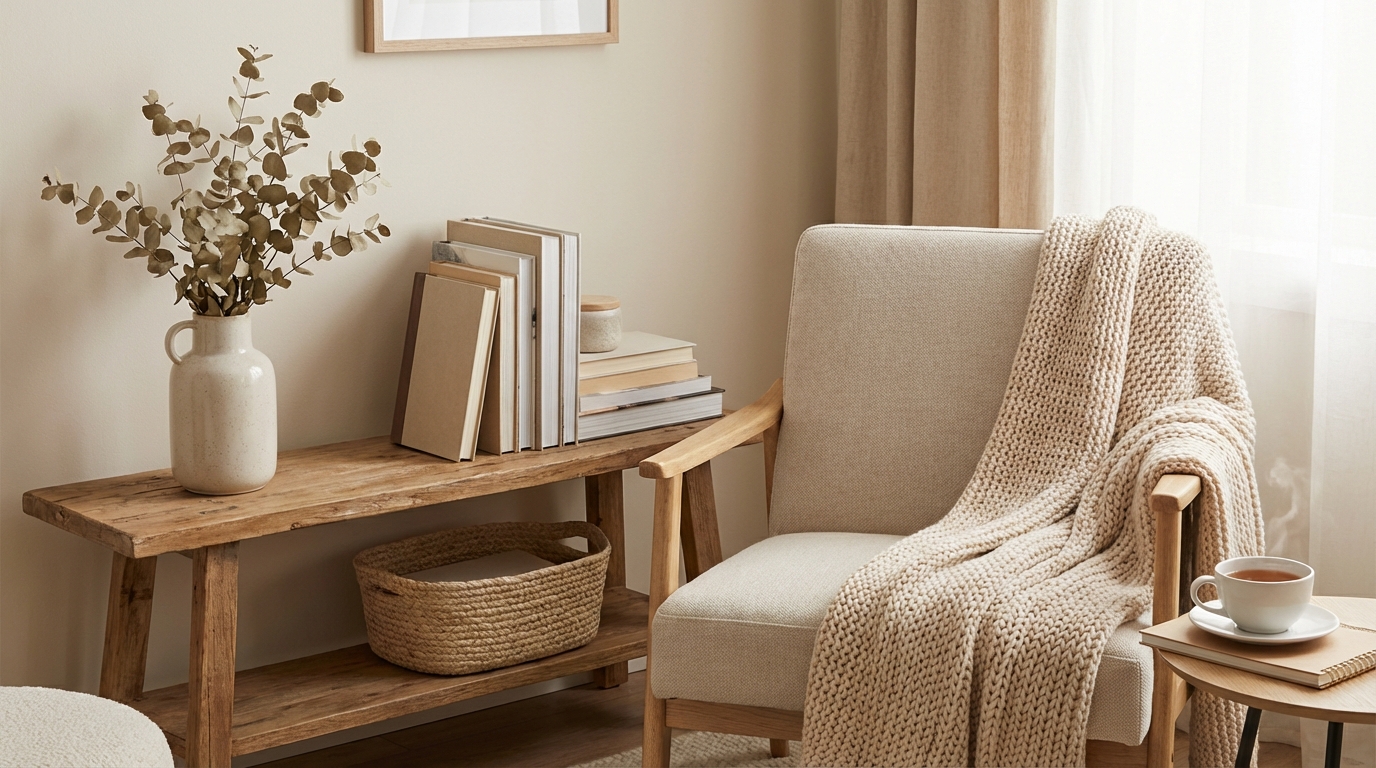
Creating order at home can feel like a tightrope walk. On one side is clutter that makes daily life harder. On the other side is overorganizing, where systems become so strict that they create stress instead of relief. Many people want a home that feels calm and functional, not one that feels like a showroom or a rulebook. Balanced home structure is about supporting daily life, not controlling it.
What Order Really Means in a Home
Order is often confused with perfection. In reality, order simply means that items have a place and daily routines are not slowed down by mess or confusion. A well-ordered home allows people to find what they need, clean up without frustration, and relax without visual overload.
Order does not mean that every surface is clear at all times. It does not mean matching containers or labels on every shelf. True order works with the habits of the people who live in the home. It respects energy levels, schedules, and personal preferences.
When order is defined this way, it becomes flexible. It can change with seasons, family needs, and life stages. This flexibility is what separates helpful organization from overorganization.
The Problem With Overorganizing
Overorganizing often starts with good intentions. People want less stress and more control. They buy bins, dividers, labels, and storage furniture, hoping these tools will solve ongoing mess. Sometimes they do, but sometimes they add new problems.
When systems are too complex, they are hard to maintain. If putting something away takes too many steps, people stop doing it. Items pile up, and frustration grows. The system fails, not because the person is lazy, but because the system does not match real life.
Overorganized homes can also feel restrictive. Family members may worry about putting things in the wrong place. Children may avoid helping clean up because the rules feel confusing or strict. Guests may feel uncomfortable, unsure of where to sit or set things down.
Signs a Home Is Overorganized
- Cleaning up takes longer than expected because of complicated rules.
- Storage areas are so full that nothing else fits.
- Items are stored far from where they are used.
- Family members avoid using certain spaces.
- There is stress or guilt when the system is not followed.
Starting With Daily Life, Not Storage Products
Balanced organization begins by looking at daily routines. Before buying containers or rearranging shelves, it helps to observe how the home is actually used. Where do shoes pile up? Where does mail land? Where do backpacks and bags get dropped?
These patterns are clues. They show where organization is needed and what kind of system might work. Instead of forcing items to go somewhere else, it is often better to create order where the activity already happens.
For example, if keys always end up on the kitchen counter, a small bowl or hook near that spot may work better than a drawer across the room. The goal is to support habits, not fight them.
Choosing Simplicity Over Perfection
Simplicity is one of the most important principles of balanced home structure. Simple systems are easier to maintain and more forgiving when life gets busy. They also leave room for flexibility.
A simple system usually has fewer categories and fewer steps. Instead of sorting papers into many folders, they might be grouped into just a few broad ones. Instead of organizing clothes by type, color, and season, they might be grouped by daily use.
Perfection can be tempting, especially when looking at images of beautifully organized homes. However, those images often show spaces that are not used daily. Real homes need systems that work even on tired days.
Questions That Help Keep Systems Simple
- Can this item be put away in one step?
- Would someone else in the home understand this system?
- Is this category truly needed?
- Will this still work during busy weeks?
Creating Zones Instead of Strict Rules
Zones are areas dedicated to certain activities, like cooking, working, or relaxing. Using zones helps create order without micromanaging every item. A zone can be loose and forgiving, as long as it supports its purpose.
In a living room, a reading zone might include a chair, a lamp, and a small shelf or basket for books. Not every book needs to be perfectly lined up. They just need to stay in that general area.
Zones allow for some overlap and mess. A family room can include both play and relaxation zones. The key is that items return to their zone when it is time to reset the space.
Letting Go of Unused Items Gradually
Clutter often builds up because items come in faster than they go out. Balanced order does not require getting rid of everything at once. In fact, slow and steady decluttering is often more sustainable.
Instead of dramatic cleanouts, it can help to review items as part of daily routines. When putting laundry away, notice clothes that are never worn. When cooking, notice tools that are never used. These moments make decisions easier because they are based on real experience.
Letting go gradually reduces overwhelm. It also helps people trust themselves, knowing they can make thoughtful choices without pressure.
Gentle Ways to Reduce Excess
- Remove one item for every new item brought in.
- Keep a donation bag in an easy-to-reach spot.
- Revisit storage areas every few months.
- Focus on what is used, not what was expensive.
Storage That Serves, Not Controls
Storage should make life easier, not harder. The best storage solutions are often the simplest ones. Open bins, baskets, and drawers allow for quick access and fast cleanup.
Clear storage can be helpful, but it is not always necessary. What matters most is that items are easy to see and reach. If something is stored too high, too low, or too far away, it is less likely to be used and more likely to become clutter.
Balanced storage also leaves some empty space. Overfilled shelves and drawers are hard to maintain. Empty space allows systems to breathe and adapt.
Room-by-Room Balance
Entryways
The entryway sets the tone for the home. It should support coming and going without becoming a dumping ground. A few hooks, a small bench, and a basket can go a long way.
It is not necessary to store everything here. Seasonal items can be rotated in and out. Keeping only what is currently needed helps prevent buildup.
Kitchens
The kitchen is one of the most used spaces in a home. Overorganizing here can slow down cooking and cleaning. Items should be stored near where they are used.
Every drawer does not need dividers. Some do, especially for utensils, but others can remain flexible. Cabinets should not be packed so tightly that items are hard to reach.
Living Areas
Living areas should feel comfortable, not controlled. A few baskets for blankets, toys, or magazines can provide order without hiding daily life.
Decor and function can work together. Storage furniture like ottomans or side tables with drawers can reduce clutter while keeping the space inviting.
Bedrooms
Bedrooms benefit from calm and simplicity. Clothing storage should reflect how clothes are actually worn. If most outfits come from a few favorite items, those should be the easiest to access.
Nightstands do not need to be empty. They just need to hold items that support rest, like a book, a lamp, or glasses.
Bathrooms
Bathrooms often have limited space, which makes balance especially important. Storing only what is used daily in easy reach helps keep surfaces clear.
Backstock and rarely used items can be stored elsewhere. This reduces crowding and makes cleaning easier.
Shared Spaces and Shared Systems
In homes with more than one person, organization works best when systems are shared and understood by everyone. One person’s perfect system may not work for others.
Discussing needs and habits helps create systems that feel fair. Children, for example, need storage that matches their height and abilities. Simple bins with clear purposes are often better than detailed instructions.
When everyone has a voice, systems are more likely to be used. This reduces the need for constant reminders or redoing work.
Flexibility for Changing Seasons of Life
Life changes, and homes need to change with it. A system that works during one season may not work during another. Balanced organization allows for these shifts.
New jobs, growing children, health changes, or busy periods all affect how a home is used. Instead of blaming people when systems fail, it is more helpful to adjust the system.
Temporary mess does not mean failure. It often means that the home needs a small update to match current needs.
Emotional Weight and Home Order
Homes hold memories, and belongings often carry emotional weight. Overorganizing can sometimes be a way to avoid these feelings or to feel in control.
Balanced order respects emotions. It allows space for meaningful items while still maintaining function. Not everything needs to be hidden or minimized.
It is okay for a home to show signs of life. Photos, books, art, and personal collections can be part of an ordered home when they are intentional.
Time Limits and Energy Awareness
One of the biggest causes of overorganizing is spending too much time on small details. Setting time limits helps prevent this.
Short organizing sessions are often more effective than long ones. They keep energy high and reduce burnout. When time is up, stopping is part of the balance.
Energy awareness also matters. Organizing during low-energy times should focus on easy wins, like clearing a surface or emptying a small bin.
Maintenance Over Makeovers
Balanced order focuses on maintenance, not constant makeovers. Once a system is in place, small regular resets keep it working.
A daily five-minute reset can do more than a monthly overhaul. Putting items back in their zones prevents clutter from building up.
Maintenance should fit into daily routines, not feel like an extra chore. When systems are simple, maintenance becomes almost automatic.
Visual Calm Without Sterility
Visual calm helps reduce stress, but it does not require empty spaces. Grouping items, using consistent colors, and limiting patterns can help without removing personality.
Open shelves can look calm when items are grouped by type or size. Closed storage can hide visual noise where needed.
The goal is not to remove all visual interest, but to create a background that feels supportive.
Learning From What Does Not Work
Not every organizing attempt will succeed, and that is normal. Balanced order treats these moments as information, not failure.
If a bin is always overflowing, it may be too small or in the wrong place. If a drawer never stays neat, it may need fewer categories.
Adjusting systems is part of the process. Homes are living spaces, not finished projects.
Budget-Friendly Balance
Creating order does not require expensive products. Many effective solutions use items already in the home.
Shoe boxes, jars, and baskets can be repurposed. Rearranging furniture can create better flow without spending money.
Balanced organization focuses on function first. If a product truly solves a problem, it can be worth it. If not, it may add clutter.
Respecting Personal Styles
Some people like minimal spaces. Others feel comforted by having things visible. Balanced order respects these differences.
There is no single right way to organize a home. What matters is that the space supports well-being and daily life.
Comparing homes can lead to unnecessary pressure. Each home reflects the people who live there, and that is part of its value.
Order as Ongoing Care
Creating order without overorganizing is an ongoing act of care. It involves paying attention, making small adjustments, and letting go of rigid expectations.
When homes are treated as tools for living, not displays of perfection, order becomes supportive rather than stressful.
This approach allows homes to feel both functional and welcoming, adapting naturally as life continues to change.