
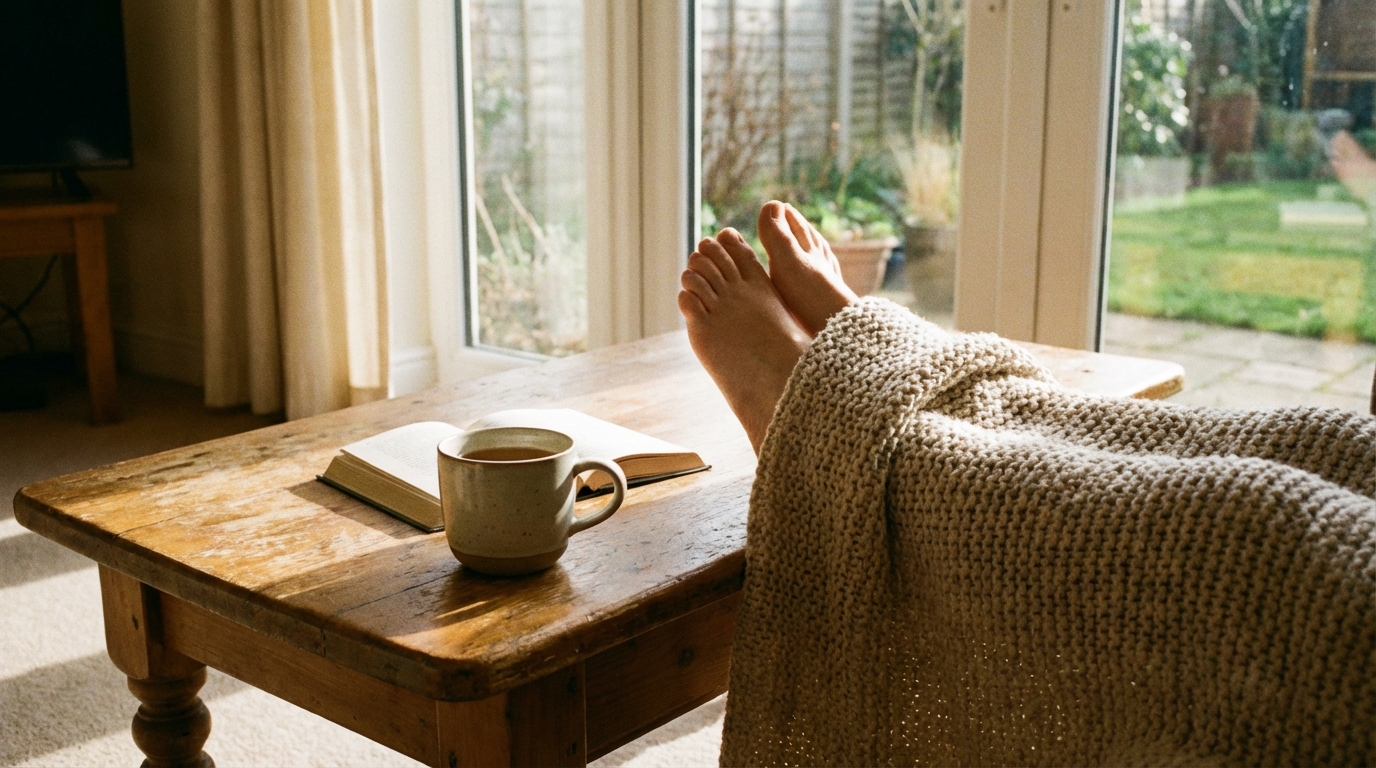
Creating personal time without guilt is a skill many people want but few feel comfortable practicing. Busy schedules, family needs, work demands, and social expectations can make personal space feel selfish. Yet personal time is not a luxury. It is a basic need that supports mental health, physical energy, and emotional balance. Protecting space for yourself allows you to show up more fully in your relationships, responsibilities, and daily life.
Why Personal Time Often Feels So Hard to Claim
Many people grow up learning that being productive, helpful, or available is a sign of worth. From a young age, praise often comes from doing things for others or staying busy. Over time, this can create a belief that rest or alone time is lazy or unnecessary.
Social media and constant connection also play a role. Messages, notifications, and shared calendars make it seem like everyone is always doing something. When others appear busy and involved, stepping away can feel wrong, even when your body and mind need a break.
Family roles can add another layer. Parents, caregivers, and partners may feel responsible for keeping everything running smoothly. Personal time may feel like abandoning duties, even when it is only a short break.
Understanding Guilt and Where It Comes From
Guilt is an emotional signal. It often appears when actions clash with beliefs. If you believe you should always be available, then choosing personal time may trigger guilt. The feeling itself does not mean you are doing something wrong. It simply highlights an internal rule that may need adjustment.
Some guilt is learned from culture or upbringing. In many environments, self-sacrifice is praised more than self-care. People may also confuse personal time with selfishness, even though they are not the same.
Recognizing that guilt is learned and not a fact can reduce its power. Feelings can be acknowledged without allowing them to control decisions.
The Difference Between Selfishness and Self-Care
Selfishness involves taking at the expense of others without concern for impact. Self-care, including personal time, is about maintaining your ability to function well. When you protect your energy, you are better able to support others in healthy ways.
Personal time helps prevent burnout, resentment, and emotional overload. Without it, small tasks can feel heavy, and patience can run thin. Taking space can actually make you kinder, clearer, and more present.
Seeing personal time as maintenance rather than indulgence can help reduce guilt. Just as sleep and food are necessary, mental and emotional space is also essential.
How Personal Time Supports Mental Health
Time alone allows the mind to slow down. It creates space for thoughts to settle and emotions to be processed. Without this space, stress can build quietly and show up as irritability, anxiety, or exhaustion.
Personal time supports focus and creativity. When the brain is constantly responding to demands, it has little room to wander or reflect. Quiet moments can restore clarity and perspective.
For people dealing with anxiety or low mood, personal time can provide relief when used gently. Activities like walking, journaling, or resting can calm the nervous system and reduce emotional overload.
Recognizing Signs You Need More Space
Your body and emotions often signal when personal time is missing. Feeling constantly tired, even after sleep, can be one sign. Irritability over small things may be another.
Difficulty concentrating, frequent headaches, or feeling emotionally numb can also point to a lack of personal space. Some people notice resentment building toward others, even loved ones.
These signs are not failures. They are messages asking for adjustment. Listening to them early can prevent deeper burnout later.
Redefining Productivity in Your Life
Productivity is often measured by visible output. Tasks completed, goals reached, and hours worked are easy to track. Personal time does not always produce visible results, but its impact is real.
Rest, reflection, and enjoyment help maintain steady energy. They reduce mistakes and improve decision-making. In this way, personal time supports productivity rather than reducing it.
Redefining productivity to include rest allows for a healthier rhythm. Doing less at times can make the time you do spend working more effective.
Setting Boundaries Without Apologizing
Boundaries protect personal time. They communicate what you can and cannot do. Many people soften boundaries with apologies, which can make them feel optional.
Clear boundaries can be kind and respectful. Saying you are unavailable does not require a long explanation. Simple statements are often enough.
Practicing boundary-setting may feel uncomfortable at first. Over time, it becomes easier as others learn to respect your limits.
Simple Boundary Examples
- Not checking work messages during personal hours
- Scheduling quiet time on your calendar
- Letting calls go to voicemail when resting
- Saying no to extra commitments when energy is low
Communicating Your Need for Personal Time
Sharing your need for space can reduce misunderstandings. When people know why personal time matters to you, they may be more supportive.
Use clear and calm language. Focus on how personal time helps you function better, rather than framing it as escape from others.
Communication does not require permission. It is simply information that helps others understand your choices.
Creating Personal Time in Small Ways
Personal time does not have to mean long vacations or full days off. Small moments can be just as meaningful when used intentionally.
Even ten minutes of quiet breathing, stretching, or stepping outside can create a sense of reset. These moments add up over time.
Looking for pockets of space during the day makes personal time more accessible, especially during busy seasons.
Examples of Small Personal Time Moments
- Waking up a few minutes earlier for quiet time
- Taking a short walk during lunch
- Sitting in silence before bed
- Enjoying a hobby without multitasking
Letting Go of the Need to Be Available
Being constantly available can feel like a duty. However, availability without limits can drain energy quickly.
It is healthy to be unreachable at times. This allows your nervous system to relax and recover.
Turning off notifications or setting specific response times can protect personal space without cutting off connection completely.
Dealing With Pushback From Others
Not everyone will understand your need for personal time right away. Some may be used to your constant availability.
Pushback does not mean you are wrong. It often reflects others adjusting to a change.
Staying consistent with your boundaries helps set new expectations. Over time, many people adapt and respect the space you claim.
Managing Internal Guilt When You Take Time for Yourself
Even with boundaries in place, guilt can still appear. When it does, it helps to pause and name the feeling.
Ask yourself what belief is being challenged. Is it the idea that you must always be useful or present?
Replacing old beliefs with kinder ones takes practice. Remind yourself that rest supports your well-being and does not harm others.
Using Personal Time Intentionally
Personal time feels more satisfying when it is intentional. Mindlessly scrolling or worrying during free time may not provide real rest.
Choosing activities that nourish you can deepen the benefits. These activities vary from person to person.
Paying attention to how you feel after personal time can help you refine how you use it.
Ideas for Intentional Personal Time
- Reading for enjoyment
- Spending time in nature
- Creative hobbies like drawing or writing
- Gentle movement or stretching
- Quiet reflection or journaling
Personal Time and Emotional Regulation
Emotional regulation is the ability to manage feelings in healthy ways. Personal time supports this skill by providing space to process emotions.
Without time to reflect, emotions may be pushed aside and resurface unexpectedly. Personal time allows feelings to be noticed and understood.
This practice can reduce emotional reactions and improve communication with others.
Building Personal Time Into Daily Routines
Routines can protect personal time by making it predictable. When personal time is planned, it is less likely to be pushed aside.
Simple routines can include morning quiet time, evening wind-down periods, or weekly solo activities.
Consistency helps personal time feel normal rather than indulgent.
Personal Time for Different Life Stages
Personal time looks different depending on life stage. Students, parents, professionals, and retirees all have unique demands.
During busy stages, personal time may be brief and flexible. During calmer stages, it may expand.
Adjusting expectations to match your current reality prevents frustration and guilt.
Releasing Comparison With Others
Comparing your need for personal time to others can increase guilt. Some people need more solitude than others.
There is no correct amount of personal time. What matters is how you feel and function.
Trusting your own needs builds confidence in your choices.
Personal Time and Identity
Personal time can help you reconnect with who you are beyond roles and responsibilities. It allows interests and values to surface.
When life is busy, identity can become tied to what you do for others. Personal time offers space to explore what matters to you.
This connection to self can guide decisions and increase life satisfaction.
Rest as a Form of Strength
Rest is often seen as weakness, but it requires awareness and courage in a culture that values constant activity.
Choosing rest shows respect for your limits and long-term health.
Seeing rest as strength can shift how you view personal time.
Creating a Supportive Environment
Your environment can support or disrupt personal time. Small changes can make a big difference.
Creating a quiet corner, reducing clutter, or setting visual cues for rest can help protect your space.
An environment that invites calm makes it easier to step away from demands.
Practicing Self-Compassion During Personal Time
Self-compassion means treating yourself with kindness. During personal time, this includes letting go of harsh self-talk.
If thoughts of guilt arise, respond gently rather than critically.
Self-compassion allows personal time to be restorative instead of tense.
Allowing Personal Time to Change Over Time
Your needs will change as life changes. What works now may not work later.
Checking in with yourself regularly helps ensure personal time remains supportive.
Flexibility keeps personal time aligned with your current needs rather than fixed rules.
Honoring Your Need for Space as Ongoing Practice
Creating personal time without guilt is not a one-time decision. It is an ongoing practice.
Each choice to protect space reinforces the belief that your well-being matters.
Over time, guilt often softens as personal time becomes a normal and respected part of life.