
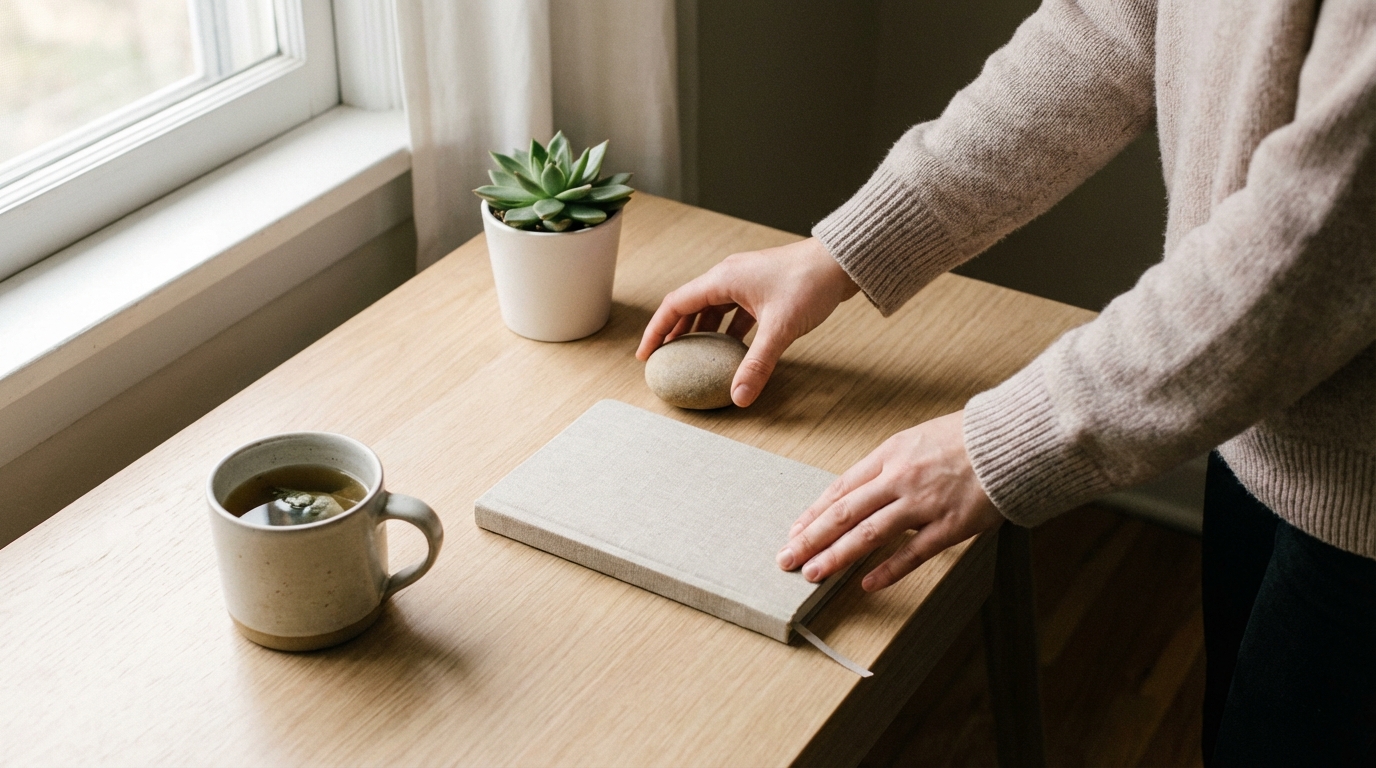
Every day is full of moments that ask us to choose how we respond. Some choices are small, like what to eat or how to reply to a message. Others are bigger, like how to handle conflict, manage stress, or decide what comes next in life. Many people notice that they often react before they think. Words come out fast. Actions happen on impulse. Later, there may be regret or confusion. Creating space for thoughtful decisions is about slowing that pattern and reducing reactive behavior so choices feel calmer and more intentional.
What Reactive Behavior Looks Like in Daily Life
Reactive behavior happens when we respond quickly without much thought. It is driven by strong emotions like anger, fear, excitement, or stress. This kind of response is common and very human. It often shows up during busy days or emotional moments.
Some common signs of reactive behavior include snapping at someone during a disagreement, making a purchase out of stress, sending a message without thinking it through, or agreeing to something just to avoid discomfort. These actions usually happen fast, before the mind has time to weigh options.
Reactive behavior is not a personal failure. It is often the brain trying to protect us or save energy. When the mind senses pressure or threat, it moves into quick action mode. While this can be helpful in emergencies, it can cause problems in everyday life where thoughtful choices lead to better results.
Why the Brain Reacts So Quickly
The brain is built to keep us safe. When something feels uncomfortable or stressful, it sends out signals that push us to act fast. This system helped humans survive long ago. In modern life, the same system reacts to emails, traffic, and social pressure.
When stress is high, the brain uses shortcuts. It relies on habits, emotions, and past experiences. This makes reactions fast but not always wise. Understanding this can help people feel less frustrated with themselves and more open to change.
The Cost of Living on Autopilot
Living in a constant state of reaction can take a toll. Over time, it can harm relationships, increase stress, and make life feel out of control. People may feel like they are always catching up or cleaning up after quick decisions.
In relationships, reactive behavior can lead to misunderstandings. A sharp tone or quick judgment can hurt feelings and build distance. At work, reacting without thinking can cause mistakes or missed opportunities. In personal life, it can lead to unhealthy habits and burnout.
When choices are rushed, values are often left out of the process. People may act in ways that do not match who they want to be. This gap between actions and values can create guilt and self-doubt.
Stress and Decision Fatigue
Stress makes reactive behavior more likely. When the body is tense, the mind has less energy for careful thinking. This is known as decision fatigue. After making many choices in a day, the brain looks for the easiest path.
Decision fatigue can show up as irritability, avoidance, or impulsive choices. Creating space for thoughtful decisions helps reduce this load by allowing the mind to reset and refocus.
What It Means to Create Space
Creating space does not mean avoiding decisions or delaying forever. It means building a small pause between a trigger and a response. That pause can be just a few seconds or a few minutes. In that space, there is room to think, breathe, and choose.
This space allows emotions to settle and logic to step in. It gives people the chance to ask simple questions like, “What is really happening?” or “What do I want to happen next?” These questions guide actions toward better outcomes.
Creating space is a skill that can be practiced. It becomes easier over time, especially with simple habits that support calm thinking.
The Power of the Pause
A pause is one of the most effective tools for reducing reactive behavior. It interrupts the automatic response and brings awareness to the moment. Even a short pause can change the direction of a conversation or decision.
Pauses can be built into daily routines. Taking a breath before speaking, waiting before replying to a message, or stepping away from a situation are all forms of pause. These small breaks give the brain time to shift from reaction to reflection.
Recognizing Triggers
Triggers are situations, words, or feelings that spark strong reactions. Everyone has different triggers based on their experiences and stress levels. Learning to recognize them is a key step in creating space.
Common triggers include feeling criticized, being rushed, facing uncertainty, or feeling ignored. Physical triggers like hunger, lack of sleep, or noise can also increase reactivity.
When triggers are known, they become easier to manage. Instead of being surprised by reactions, people can prepare for them and choose a calmer response.
Tracking Patterns Over Time
One way to recognize triggers is to notice patterns. Paying attention to moments when reactions happen can reveal useful clues. It may help to reflect at the end of the day on what felt challenging.
Simple questions can guide this reflection. What happened just before the reaction? How did the body feel? What thoughts came up? Over time, these observations build awareness and make space for change.
Using the Body to Slow the Mind
The body and mind are closely connected. When the body is tense, the mind often follows. Using the body to slow down can quickly reduce reactive behavior.
Breathing is one of the easiest tools. Slow, deep breaths signal the body that it is safe to relax. This helps the brain move out of stress mode and into thinking mode.
Other physical actions can also help. Standing up, stretching, or taking a short walk can release built-up energy and create a mental reset.
Simple Breathing Practices
Breathing does not need to be complicated. A basic practice is to breathe in slowly through the nose and out through the mouth. Counting breaths can help keep focus.
Another option is to place a hand on the chest or stomach while breathing. This physical touch can bring attention to the present moment and calm racing thoughts.
Creating Space in Conversations
Conversations are a common place for reactive behavior. Emotions can rise quickly, especially during disagreements. Creating space in these moments can change the tone and outcome.
One helpful approach is to listen fully before responding. This means focusing on the other person’s words instead of planning a reply. Listening creates space for understanding and reduces the urge to react.
Another approach is to slow down speech. Speaking more slowly gives the brain time to choose words carefully and avoid saying something hurtful.
Responding Instead of Reacting
Responding is different from reacting. A response is thoughtful and aligned with goals. A reaction is fast and driven by emotion. The difference often lies in timing.
Using phrases like “Let me think about that” or “I need a moment” can create space in conversations. These phrases set a boundary and allow time to consider a better response.
Managing Digital Triggers
Phones and screens are major sources of reactive behavior. Notifications, messages, and news updates demand attention and often create emotional reactions.
Digital triggers can lead to quick replies, scrolling without thinking, or comparing oneself to others. These habits reduce mental space and increase stress.
Creating space with technology involves setting limits and being intentional about use. Small changes can make a big difference.
Healthy Digital Boundaries
Turning off non-essential notifications reduces constant interruptions. Checking messages at set times instead of all day can help maintain focus.
Before responding to a message, it can help to pause and reread it. This reduces misunderstandings and impulsive replies. Creating space in digital life supports thoughtful decisions in all areas.
Aligning Decisions With Values
Thoughtful decisions are often guided by personal values. Values act like a compass, pointing toward what matters most. When reactions take over, values can be forgotten.
Knowing core values makes decision-making clearer. Whether it is kindness, honesty, health, or growth, values help shape responses that feel right.
Creating space allows time to check in with values. A simple question like “Does this match what I care about?” can guide choices.
Clarifying What Matters Most
Values can be clarified through reflection. Thinking about moments of pride or regret can reveal what truly matters. Writing down a few key values can make them easier to remember during stressful times.
When values are clear, they provide stability. Even when emotions are strong, values offer a steady guide for thoughtful decisions.
Building Daily Habits That Support Calm Choices
Creating space is easier when daily habits support a calm mind. Small routines can reduce stress and increase awareness throughout the day.
Morning routines that include quiet time can set a peaceful tone. Evening routines that allow for rest help the brain recover from the day.
Regular movement, balanced meals, and enough sleep all support better decision-making. When the body is cared for, the mind has more capacity to pause and think.
The Role of Reflection
Reflection is a habit that strengthens thoughtful decision-making. Taking a few minutes to think about the day can reveal what went well and what felt reactive.
This practice is not about judgment. It is about learning. Over time, reflection builds awareness and helps reduce reactive patterns.
Handling Strong Emotions With Care
Strong emotions are a major cause of reactive behavior. Anger, sadness, fear, and excitement can all push people to act quickly.
Instead of trying to ignore emotions, it helps to acknowledge them. Naming an emotion can reduce its intensity and create space for choice.
Emotions are temporary. Creating space allows them to pass before a decision is made.
Letting Emotions Move Through
Allowing emotions to be felt without acting on them is a powerful skill. This might mean sitting quietly, writing thoughts down, or talking to someone trusted.
When emotions are given space, they often soften. This makes room for thoughtful decisions that are not driven by temporary feelings.
Practicing Patience in a Fast-Paced World
Modern life moves quickly. Many systems are designed for speed and instant results. Practicing patience can feel challenging but deeply rewarding.
Patience creates space. It allows time for understanding, growth, and better outcomes. Even small acts of patience can reduce stress and improve decisions.
Choosing to wait, even briefly, can change the direction of a moment. This choice is a form of self-respect and care.
Small Ways to Practice Waiting
Waiting before making a purchase, responding to feedback, or making a plan are simple ways to practice patience. These moments of waiting build the habit of creating space.
Over time, patience becomes more natural. The mind learns that not every moment requires immediate action.
Learning From Mistakes Without Self-Blame
No one reduces reactive behavior perfectly. Mistakes will happen. Learning from them without harsh self-blame is part of the process.
When a reactive moment occurs, it can be helpful to look at it with curiosity. What triggered it? What could help next time?
Self-kindness supports growth. When people treat themselves with understanding, they are more likely to keep practicing thoughtful decision-making.
Growth Through Awareness
Awareness turns mistakes into lessons. Each moment of reflection adds to the ability to create space in the future.
This ongoing learning process strengthens confidence and builds trust in one’s ability to make better choices over time.
Supporting Thoughtful Decisions in Others
Creating space is not only a personal practice. It can also improve how people support others. When friends, family, or coworkers are reactive, offering calm presence can help.
Listening without judgment and allowing time for responses can reduce tension. Modeling thoughtful behavior often encourages others to do the same.
Healthy boundaries also play a role. Allowing others their own space to think supports mutual respect.
Creating Calm Environments
Calm environments support thoughtful decisions. This includes physical spaces that are organized and quiet, as well as emotional spaces that feel safe.
Reducing noise, clutter, and pressure can make it easier for everyone to pause and choose wisely.
Making Space a Lifestyle Choice
Creating space for thoughtful decisions is not a one-time effort. It is a lifestyle choice that grows through daily practice.
Each pause, each breath, and each moment of reflection adds up. Over time, reactive behavior loses its grip, and choices feel more aligned and calm.
This way of living supports clarity, balance, and a deeper sense of control in everyday life.