
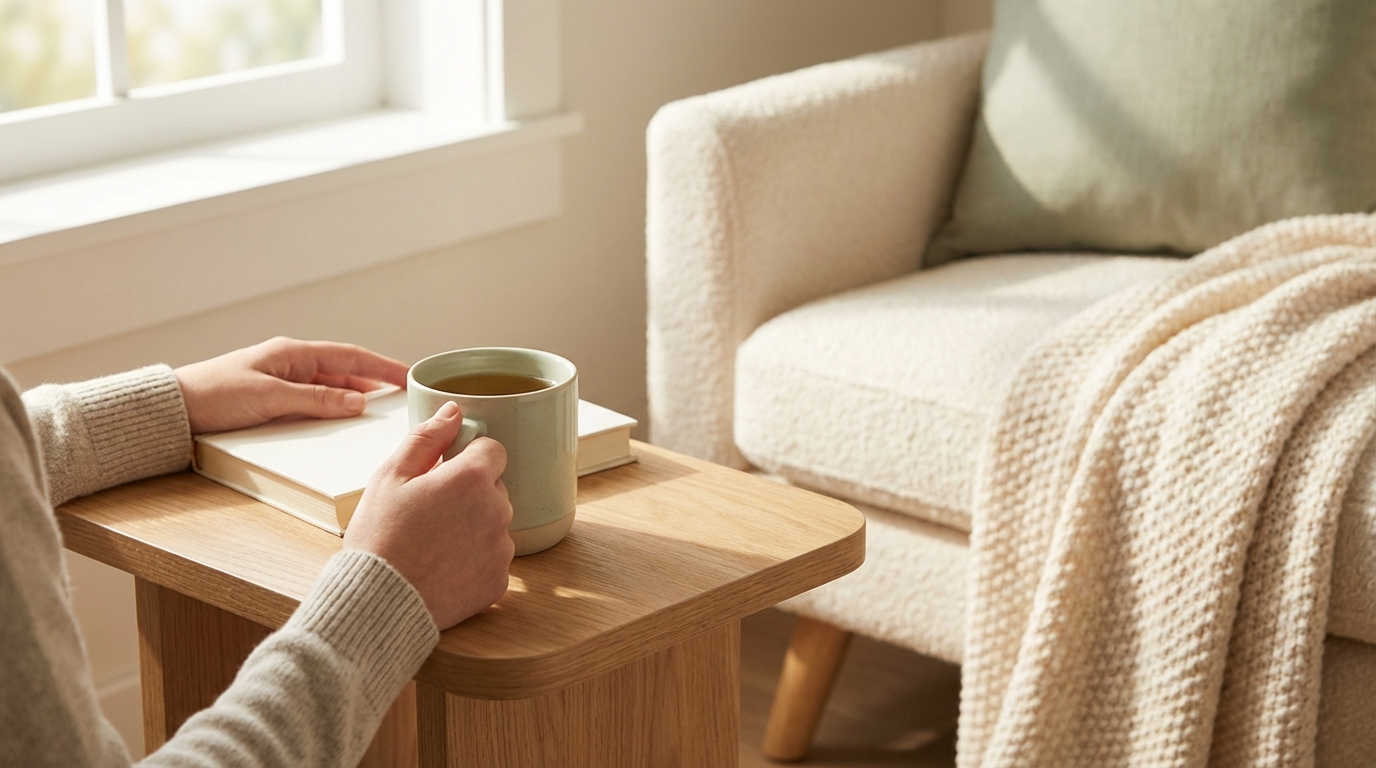
Creating space for yourself at home is not about owning a big house or having extra rooms. It is about feeling calm, safe, and able to be yourself, even when you live in a small apartment or share your home with others. Personal space helps your mind rest and your body relax. When you have a spot or a routine that is just for you, daily life feels more balanced.
Many people believe they cannot have personal space because their home is too small. In reality, space can be physical, emotional, and even time-based. You can shape how you use your home, how you move through it, and how you share it with others. With simple changes and clear choices, almost any home can offer moments of privacy and comfort.
Understanding What Personal Space Means
Personal space is different for everyone. For some people, it means a quiet corner to read. For others, it means a desk where no one else touches their things. It can also mean time alone, even if others are nearby. Before changing your home, it helps to understand what kind of space you truly need.
Physical Space
Physical space is the most obvious type. It includes a chair, a desk, a side of the bed, or a small table. Physical space gives your body a place to rest and your belongings a place to stay. Even a few square feet can feel meaningful when it is respected.
Mental and Emotional Space
Mental space is about feeling free from noise, stress, and demands. You might be sitting in the same room as others but still feel calm and focused. Emotional space comes from knowing your needs matter and that you can say no when needed.
Time-Based Space
Time-based space is about having certain hours or moments that are just for you. This can happen early in the morning, late at night, or during a regular break in your day. Time-based space works well in small homes because it does not require extra room.
Looking at Your Home with Fresh Eyes
Before buying anything or moving furniture, take a slow look at your home. Try to see it as a flexible space instead of a fixed one. Small homes often have hidden opportunities.
Notice Underused Areas
Many homes have spots that are rarely used. These might include corners, wide hallways, areas under windows, or spaces behind doors. These areas can become personal zones with just a chair, a shelf, or a lamp.
- A corner of the living room can hold a reading chair.
- A wide hallway can fit a narrow desk.
- The space under a loft bed can become a work or relax area.
Think in Vertical Space
When floor space is limited, look upward. Wall-mounted shelves, hooks, and fold-down desks free up room while still giving you a personal area. Vertical storage also helps keep your things separate from others.
Using Furniture to Create Boundaries
Furniture can do more than provide comfort. It can also divide space and send clear signals about personal areas. You do not need walls to create separation.
Room Dividers and Screens
Folding screens, bookcases, and curtains can break a room into zones. These items are helpful in studio apartments or shared bedrooms. They allow light to pass through while still offering privacy.
- Open bookcases divide space without blocking air.
- Curtain rods on the ceiling can separate sleeping areas.
- Lightweight screens can be moved as needed.
Furniture Placement
The way furniture faces can change how a room feels. A chair facing a wall or window feels more private than one facing the center of the room. A couch placed sideways can mark the edge of a personal zone.
Creating Personal Space in Shared Rooms
Shared rooms are common in small homes. Living rooms, kitchens, and bedrooms often serve more than one person. Clear planning helps everyone feel respected.
Shared Bedrooms
When you share a bedroom, personal space becomes very important. Each person should have their own area for sleeping, storage, and daily routines.
- Use separate nightstands and lamps.
- Keep personal items on your own side.
- Use rugs to define each person’s area.
If possible, use curtains or shelves between beds. Even partial separation can improve comfort and sleep.
Living Rooms
Living rooms often serve many purposes. They may be used for watching TV, working, playing, or relaxing. Creating zones helps reduce conflict.
One corner can be a quiet area with a chair and lamp. Another area can be for entertainment. Headphones, soft lighting, and clear schedules help share the space smoothly.
Kitchens and Dining Areas
Kitchens are busy spaces, but you can still create small personal habits. A favorite mug, a specific shelf, or a regular cooking time can feel grounding. If space allows, a small stool or chair by a window can become a short escape.
Using Light, Sound, and Texture
Personal space is not only about walls and furniture. Sensory details play a big role in how space feels.
Lighting Choices
Soft lighting makes a space feel calmer and more personal. Table lamps, floor lamps, and string lights create a cozy feeling without changing the room layout.
Having your own light source also sends a signal that the area is in use. It becomes your zone during that time.
Managing Sound
Sound is one of the biggest challenges in small homes. Noise can break focus and raise stress. Simple tools can help.
- Use rugs and curtains to absorb sound.
- Wear noise-canceling or soft headphones.
- Play gentle background sounds or music.
Comfort Through Texture
Textures help a space feel personal and welcoming. A soft blanket, a favorite pillow, or a smooth desk surface can make a small area feel special. These items also provide comfort during stressful moments.
Setting Boundaries with Others
Physical changes alone are not enough. Clear communication helps protect your personal space. This is especially important in shared homes.
Talking About Needs
Explain what you need in simple and kind words. Focus on how personal space helps you feel better, not on what others are doing wrong. Most people respond well when they understand the reason behind a request.
Creating Simple Rules
Agreed-upon rules reduce stress. These rules can be about noise levels, shared items, or quiet hours. Keep rules short and fair.
- Knock before entering certain areas.
- Ask before borrowing personal items.
- Respect quiet times.
Personal Space for Parents and Kids
Families often struggle with personal space, especially in small homes. Both adults and children need time and areas of their own.
For Parents
Parents can feel like they are always on duty. A small routine, like sitting alone with a book or taking a short walk, can help. Even ten minutes of uninterrupted time can restore energy.
A chair in the bedroom or a spot on the porch can become a personal reset area.
For Kids
Children also need personal space. This helps them learn independence and self-care. A small desk, a box for personal items, or a reading nook can make a big difference.
Teach kids to respect others’ space by modeling the same behavior.
Personal Space for Roommates
Living with roommates often means sharing almost everything. Clear space planning helps prevent tension.
Claiming Small Zones
Each roommate should have a clear area that belongs to them. This might be a shelf in the fridge, a cabinet, or a part of the living room. Labels can help avoid confusion.
Schedules and Routines
Sharing space works better when routines are clear. Knowing when someone usually works, rests, or relaxes helps everyone plan their own time.
Making Space Without Spending Much Money
You do not need a big budget to create personal space. Many solutions are low-cost or free.
Rearranging What You Already Have
Moving furniture can change how a room feels. Try different layouts before buying new items. Sometimes turning a desk or moving a shelf is enough.
DIY Ideas
Simple DIY projects can add privacy and function.
- Use tension rods and curtains.
- Stack crates to make shelves.
- Hang fabric or scarves as wall dividers.
Using Outdoor Areas as Personal Space
If you have access to any outdoor area, it can become part of your personal space plan.
Balconies and Patios
A small balcony can hold a chair and plant. This space can be used for morning coffee, deep breathing, or quiet thinking. Even a few minutes outside can refresh your mood.
Shared Outdoor Spaces
Courtyards, rooftops, or building gardens can also offer personal moments. Choosing less busy times helps you enjoy these areas more fully.
Keeping Your Personal Space Working
Personal space needs care over time. As life changes, your needs may shift. Regular check-ins with yourself help keep your space helpful instead of cluttered.
Regular Decluttering
Too many items can make even a personal area feel stressful. Removing things you no longer use keeps the space calm and open.
Adjusting as Needed
If a setup stops working, change it. Personal space is flexible. What matters is how it makes you feel day to day.
Technology and Personal Space
Technology affects how we experience space at home. Used wisely, it can support personal time.
Digital Boundaries
Turning off notifications or setting focus modes helps protect mental space. A device-free corner or time of day can improve relaxation.
Using Tech to Create Privacy
White noise apps, timers, and smart lighting can help signal personal time. These tools are especially useful in busy households.
Personal Space as a Daily Practice
Creating space for yourself is not a one-time project. It is a daily choice to honor your needs. Small actions, repeated often, build a sense of comfort and control at home.
Each change, no matter how small, shapes how your home supports you. A chair moved closer to the window, a lamp turned on at night, or a clear boundary with others keeps personal space alive and useful.
As your home continues to change with seasons, people, and routines, your personal space can change too. The process of shaping it remains ongoing, flexible, and deeply connected to everyday life.