
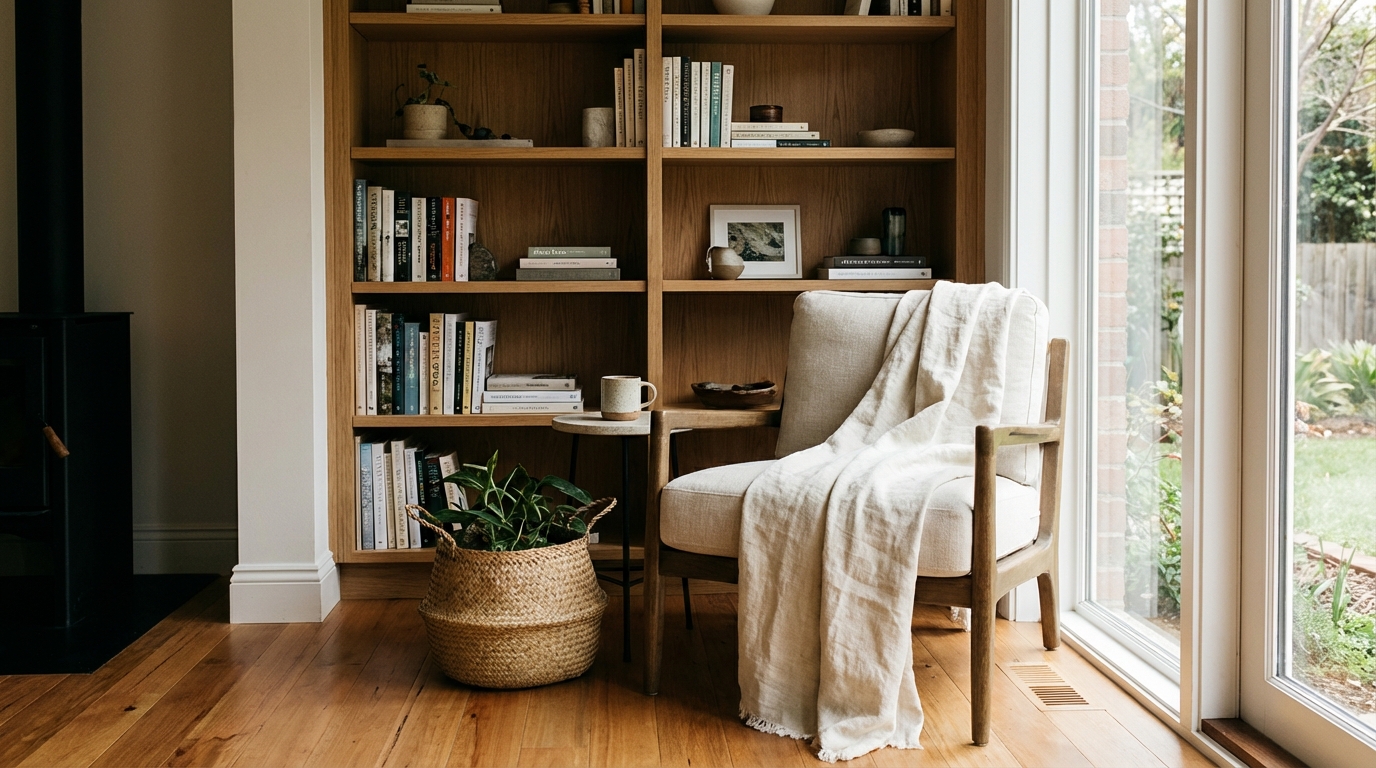
Designing a home that truly works for you starts with understanding how you live every day. A house can look beautiful in photos and still feel uncomfortable or awkward once you move in. Functional design is about making choices that support your routines, habits, and priorities. When your home fits your real needs, daily life becomes easier, calmer, and more enjoyable.
Understanding Your Daily Life
Before thinking about colors, furniture, or finishes, it helps to look closely at how you spend your time at home. Every household is different. Some people work from home all day, others leave early and return late. Some families gather in one main space, while others prefer quiet corners.
Start by noticing your daily routines. Where do you drop your bag when you come in? Where do shoes pile up? Do you cook often, or do you rely on quick meals? These small habits point to larger design needs. A home that works well supports what you already do, instead of forcing you to change your behavior.
It can be helpful to write down a typical weekday and weekend. Note where you feel cramped, distracted, or uncomfortable. These friction points show where better design choices can make a big difference.
Designing for the People Who Live There
A functional home reflects the people who live in it now, not an imagined future or someone else’s lifestyle. Adults, children, pets, and guests all have different needs, and those needs should shape the design.
Adults and Work Patterns
If one or more adults work from home, dedicated workspaces matter. This does not always mean a full office. It might be a quiet corner with good lighting, storage for supplies, and a comfortable chair. The key is separation between work and rest, even in a small home.
For adults who work outside the home, entryway design becomes important. A place to sit, store coats, and organize daily items can reduce stress at the start and end of each day.
Children and Changing Needs
Children grow quickly, and their needs change often. Flexible spaces work better than highly specific designs. A playroom that can later become a study area or guest room gives your home longer usefulness.
Storage at a child’s height encourages independence. Open shelves, low hooks, and accessible bins make it easier for children to help clean up and find what they need.
Pets as Part of the Household
Pets affect how a home functions. Dogs may need easy access to outdoor spaces and durable flooring. Cats may benefit from vertical spaces like shelves or window perches. Planning for pets from the start prevents damage and makes daily care simpler.
Planning Spaces That Flow Well
Good space planning is about how rooms connect and how people move through them. A well-designed layout feels natural, not forced.
Think about pathways. You should be able to move from one area to another without weaving around furniture or squeezing through narrow gaps. Clear paths reduce accidents and make the home feel calmer.
Open floor plans can be helpful, but they are not always the best choice. Some people need visual separation to focus or relax. Partial walls, furniture placement, and changes in flooring can define areas without closing them off completely.
Private vs. Shared Spaces
Balancing private and shared areas is key. Bedrooms and bathrooms usually benefit from privacy and quiet. Living rooms, dining areas, and kitchens often work better when they feel open and welcoming.
If possible, keep noisy spaces away from quiet ones. For example, placing a laundry room near bedrooms can be disruptive, while locating it closer to the kitchen or garage may work better.
Designing a Kitchen That Supports Real Cooking
The kitchen is often the most used room in a home. A functional kitchen supports how you actually cook, not how a showroom suggests you should cook.
Start with layout. The distance between the sink, stove, and refrigerator should feel comfortable, not rushed or stretched. Counter space near these areas is just as important. You need places to set groceries, prepare food, and rest hot dishes.
Storage That Makes Sense
Storage should match what you own. Deep drawers work well for pots and pans. Pull-out shelves make it easier to reach items in lower cabinets. If you bake often, keep baking tools together near your main work area.
Upper cabinets should be easy to reach. If they are too high, items will go unused. Open shelves can work for everyday items but may feel cluttered if overused.
Lighting for Safety and Comfort
Good kitchen lighting is not just decorative. Task lighting under cabinets helps with food prep. Overhead lighting should be bright enough to see clearly but not harsh. Dimmers allow flexibility for different times of day.
Bathrooms Designed for Daily Use
Bathrooms need to handle moisture, frequent cleaning, and busy mornings. A functional bathroom feels easy to use and maintain.
Counter space around sinks helps prevent clutter. Storage for towels, toiletries, and cleaning supplies keeps surfaces clear. Hooks and bars placed where you naturally reach make daily routines smoother.
Showers, Tubs, and Accessibility
Choose fixtures based on who uses them. A walk-in shower may be more practical than a tub for some households. Others may need both. Non-slip flooring and grab bars can add safety without sacrificing style.
Ventilation is essential. A good exhaust fan helps prevent mold and keeps the space comfortable.
Storage That Reduces Stress
Lack of storage is a common source of frustration. Functional storage is about having the right kind of space in the right places.
Think beyond closets. Entryways benefit from shoe storage and hooks. Living rooms may need cabinets for games, electronics, or books. Bedrooms often need more than a single closet, especially for shared spaces.
Hidden and Open Storage
Hidden storage keeps visual clutter down. Built-in cabinets, under-bed drawers, and storage benches all serve double purposes. Open storage works best for items you use often and want to access quickly.
A mix of both types usually works best, allowing your home to feel organized without feeling closed off.
Lighting for Mood and Function
Lighting affects how a home feels and how well it works. Relying on a single overhead light in each room often leads to harsh shadows and flat spaces.
Layered lighting works better. This includes ambient lighting for general use, task lighting for specific activities, and accent lighting for atmosphere.
Natural Light and Window Placement
Natural light improves mood and reduces the need for artificial lighting. Window placement matters more than window size. Light from two directions can make a room feel brighter and more balanced.
Window coverings should be easy to adjust. You should be able to control privacy and light without effort.
Managing Noise and Sound
Sound is often overlooked in home design, but it affects comfort every day. Hard surfaces reflect sound, while soft materials absorb it.
Rugs, curtains, and upholstered furniture help reduce noise. In multi-level homes, carpeting or sound-dampening underlayment can make a big difference.
Doors matter too. Solid doors block sound better than hollow ones, especially for bedrooms and home offices.
Comfort Through Temperature Control
A home that works well maintains a comfortable temperature throughout the year. Poor insulation, drafts, or uneven heating can make some rooms unpleasant.
Think about how rooms are used. Bedrooms may need to be cooler at night, while living areas may need more warmth in the evening. Zoning systems or adjustable vents allow more control.
Ceiling fans, window placement, and shading all play a role in keeping temperatures comfortable without relying too much on heating or cooling systems.
Accessibility and Ease of Use
Designing for accessibility benefits everyone, not just people with mobility challenges. Features that make a home easier to use also make it safer and more comfortable.
Wider doorways, fewer steps, and easy-to-reach controls reduce strain. Lever-style handles are easier to use than knobs. Light switches placed at consistent heights are easier to find.
Planning for accessibility early is often more affordable and looks more seamless than making changes later.
Technology That Serves a Purpose
Smart home features can add convenience, but only if they solve real problems. Technology should support your life, not complicate it.
Lighting controls, thermostats, and security systems are most useful when they are simple to operate. Complicated systems that require constant attention can become frustrating.
Plan for outlets and charging stations where you actually use devices. This reduces clutter and makes everyday tasks easier.
Budgeting for What Matters Most
Every design choice involves trade-offs. A clear budget helps you focus on what matters most to you.
Spend more on features that affect daily comfort, such as good flooring, reliable fixtures, and comfortable seating. Decorative items can often be updated later at lower cost.
Thinking long-term can save money. Durable materials may cost more upfront but require fewer repairs and replacements.
Sustainable Choices That Fit Your Life
Sustainability works best when it aligns with your habits. Energy-efficient appliances, good insulation, and water-saving fixtures reduce costs and environmental impact.
Choose materials that are easy to maintain. A finish that requires special care may not be practical for a busy household.
Even small choices, like using LED bulbs or low-flow faucets, add up over time.
Outdoor Spaces That Get Used
Outdoor areas are part of your home, even in small spaces. A functional outdoor space matches how you like to relax or gather.
If you enjoy eating outside, prioritize a flat surface for a table and good lighting. If you prefer quiet time, a comfortable chair and some shade may be enough.
Storage for outdoor items keeps these spaces tidy and ready to use.
Planning for Change Over Time
Life changes, and a home that works well can adapt. Flexible spaces, movable furniture, and neutral finishes make it easier to adjust as needs shift.
Think about how long you plan to stay and what changes might come. Designing with adaptability in mind helps your home continue to support you through different stages of life.
Maintenance as Part of Design
A functional home is easier to care for. Materials that clean easily, finishes that hide wear, and layouts that allow access for repairs all reduce effort over time.
Storage for cleaning supplies near where they are used makes upkeep quicker. Thoughtful design can turn maintenance from a burden into a manageable routine.
When a home works with you instead of against you, everyday tasks feel lighter, and the space becomes a supportive backdrop for daily life.