
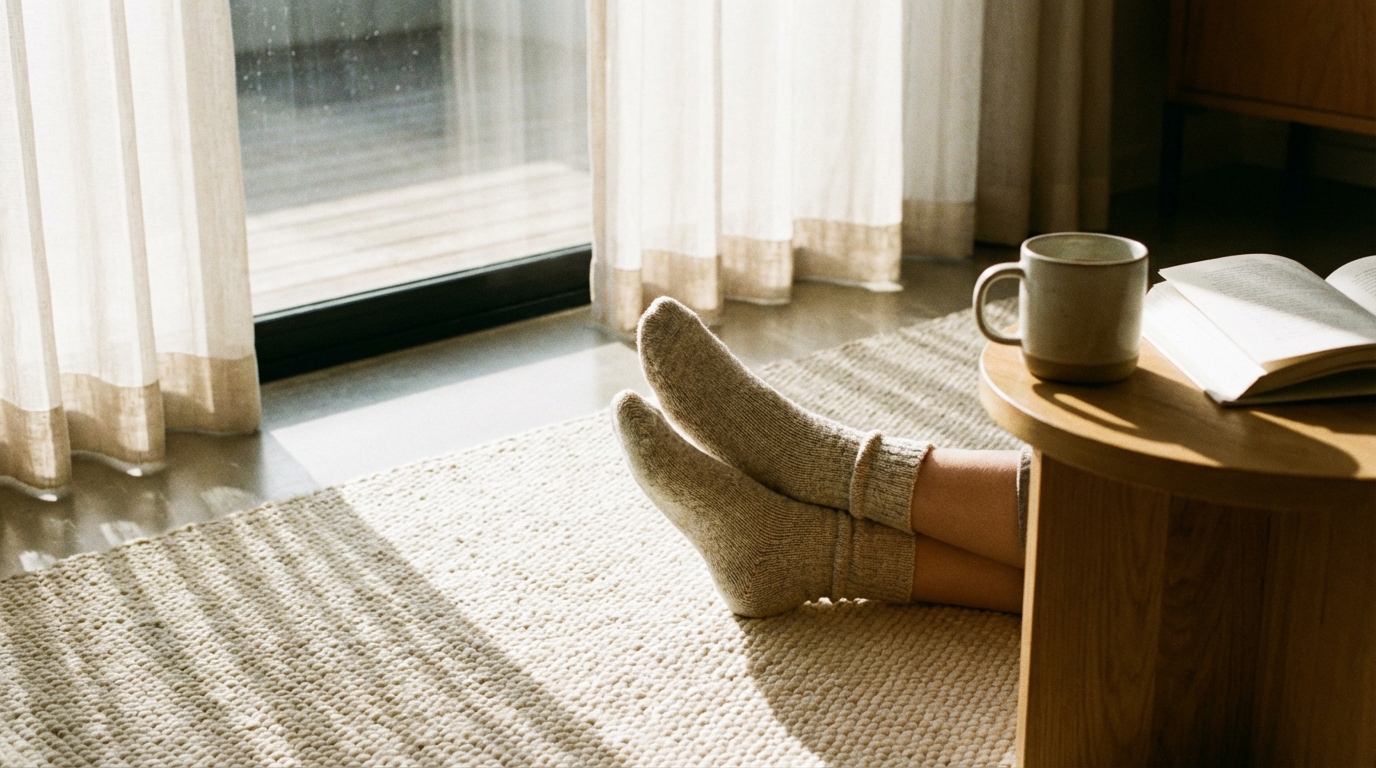
Designing a slower weekend rhythm is about giving your mind and body the space they need to truly rest. Many people reach Friday night feeling drained, yet by Sunday evening they feel just as tired, or even more so. This happens because weekends often become crowded with errands, social plans, and unfinished work. A slower weekend rhythm helps you move away from rushing and toward steady, nourishing time that actually refuels you.
Why weekends often feel too fast
For many people, the weekend becomes a catch-up zone. Laundry, grocery shopping, cleaning, family events, and work emails all compete for attention. Even fun plans can feel exhausting when they are stacked back to back. The pace of the workweek does not magically disappear on Friday night, and without intention, it simply spills over.
Another reason weekends feel rushed is mental clutter. When your mind is still racing with deadlines and notifications, even quiet moments can feel tense. You might sit down to rest but feel guilty for not being productive. This inner pressure keeps your nervous system on high alert, making it hard to relax.
A slower weekend rhythm does not mean doing nothing. It means choosing fewer things and doing them with more care. It means allowing space between activities so your body and mind can catch up.
What a slower weekend rhythm really means
A slower rhythm is not about following strict rules or copying someone else’s routine. It is about designing a flow that fits your life and energy. For one person, this might mean long mornings and quiet evenings. For another, it might mean one social activity balanced with plenty of alone time.
Slowness is about pacing. Instead of rushing from one task to the next, you move at a steady, comfortable speed. You give yourself permission to stop, breathe, and notice how you feel. Over time, this kind of rhythm helps your body trust that rest is coming.
When weekends are slower, they can become a bridge between weeks instead of a pause filled with stress. You begin the new week feeling more grounded and clear.
Setting the tone on Friday
A slower weekend often starts before the weekend begins. How you end your Friday can shape the entire flow of the next two days. If possible, use the last hour of your workday to wrap things up instead of starting new tasks. Write down what needs attention next week so it is not spinning in your head.
On Friday evening, try to avoid cramming in too much. This can be a gentle transition time. A simple meal, comfortable clothes, and low-stimulation activities can signal to your body that it is time to shift gears. Even small rituals, like lighting a candle or taking a warm shower, can mark the change from work mode to rest mode.
Going to bed at a reasonable time on Friday also supports a slower weekend. Staying up very late can throw off your sleep rhythm and make Saturday feel rushed from the start.
Designing a calm Saturday morning
Saturday morning sets the pace for the day. Instead of jumping straight into chores or checking your phone, allow yourself a gentle start. This might mean waking up without an alarm, stretching in bed, or enjoying a quiet cup of coffee or tea.
Resist the urge to immediately plan the entire day. Leaving some open space allows you to respond to how you feel. You might notice that you need rest more than activity, or that a short walk sounds better than a big project.
If you do have tasks to handle, consider grouping them into a single block of time later in the morning. This creates a clear boundary between rest and action, rather than mixing the two in a stressful way.
Handling errands without losing the day
Errands are often unavoidable, but they do not have to take over your weekend. One helpful approach is to choose a specific window for errands, such as late Saturday morning or early afternoon. By containing them, you protect the rest of the day.
Planning ahead can also help. Keeping a running list during the week prevents last-minute scrambling. If possible, choose stores that are close together or order items online to save time and energy.
After errands, give yourself a buffer before moving on to the next activity. Even 15 minutes of sitting, stretching, or stepping outside can help reset your nervous system.
Creating a restful Saturday afternoon
Saturday afternoons often disappear quickly. A slower rhythm means being intentional about how you spend this time. Instead of filling it with more obligations, consider activities that restore you.
This might include reading, listening to music, cooking something simple, or taking a nap. Gentle movement like yoga or a relaxed bike ride can also be refreshing without being draining.
It can help to choose one main focus for the afternoon. When you limit yourself to one thing, you reduce decision fatigue and feel more present.
Evenings that support deep rest
Evenings play a big role in how rested you feel. Bright screens, loud noise, and intense conversations can keep your mind alert long after you want to sleep. A slower weekend rhythm includes evenings that gradually wind down.
Dim lighting, calming music, and simple activities signal to your body that it is safe to relax. You might enjoy journaling, gentle stretching, or preparing for the next day in a low-pressure way.
Going to bed before exhaustion hits helps you wake up more naturally. This supports a smoother, more peaceful Sunday.
Shaping a meaningful Sunday morning
Sunday morning can be a powerful time for reflection and renewal. A slower rhythm allows you to move through this time without rushing. You might enjoy a longer breakfast, time outdoors, or a quiet creative activity.
This is also a good time to check in with yourself. How do you feel physically and emotionally? What does your body need today? Asking these questions helps you make choices that support real rest.
Avoid filling Sunday morning with heavy tasks if possible. Keeping this time gentle can make the entire weekend feel more spacious.
Balancing planning and freedom on Sunday
Some planning on Sunday can reduce stress during the week, but too much planning can steal your rest. A slower weekend rhythm finds balance. Choose a short, focused planning session rather than an all-day reset.
This might include reviewing your calendar, preparing meals, or setting out clothes for the week. Keep it simple and stop when you start to feel tired or irritated.
Leaving space after planning allows you to return to rest mode. This prevents Sunday from feeling like an extension of the workweek.
Creating digital boundaries
Phones and devices are a major reason weekends feel fast. Constant notifications pull your attention away from rest and into work or comparison. Designing a slower weekend rhythm often requires clear digital boundaries.
Consider turning off non-essential notifications or placing your phone in another room for parts of the day. You might choose specific times to check messages rather than responding all day.
Replacing screen time with offline activities can feel uncomfortable at first, but it often leads to deeper relaxation and presence.
Using your home to support slowness
Your environment influences your pace more than you might realize. A cluttered or noisy space can keep your mind busy. Small changes can make your home feel more restful on weekends.
This might include tidying one area, opening windows for fresh air, or adding soft lighting. Comfort items like blankets, pillows, and plants can also support relaxation.
You do not need a perfect home. The goal is to create a space that feels safe and calming enough for rest.
Choosing social time with care
Social connections are important, but too many plans can drain your energy. A slower weekend rhythm involves being selective. Instead of saying yes to everything, choose the people and activities that truly nourish you.
Spacing out social events gives you time to recover in between. You might decide to keep one day mostly open and use the other for connection.
It is okay to leave events early or decline invitations when you need rest. Protecting your energy helps you show up more fully when you do connect.
Understanding different types of rest
Rest is not just about sleep. A slower weekend rhythm includes multiple kinds of rest. Physical rest involves sleep and gentle movement. Mental rest comes from reducing decision-making and quieting your thoughts.
Emotional rest includes being around people who accept you and allow you to be yourself. Sensory rest involves lowering noise, light, and screen exposure.
By noticing which type of rest you need most, you can design weekends that truly recharge you.
Food as part of a slower rhythm
How you eat on weekends can support or disrupt your energy. Rushing through meals or skipping them can leave you feeling off balance. A slower rhythm includes time to enjoy food.
This does not mean cooking elaborate meals. Simple, nourishing foods prepared with care can be deeply satisfying. Eating without distractions allows you to notice flavors and fullness.
Sharing meals with others or enjoying them outdoors can also enhance the sense of ease and connection.
Movement that feels good, not forced
Weekends are a chance to move your body in ways that feel enjoyable rather than demanding. Instead of intense workouts that feel like chores, choose movement that supports relaxation.
Walking, stretching, swimming, or light dancing can all fit into a slower rhythm. Pay attention to how your body responds and adjust as needed.
Movement can also be social or solitary. Both options can be restful when chosen intentionally.
Protecting sleep on weekends
It can be tempting to stay up late and sleep in on weekends, but extreme shifts can leave you feeling groggy. A slower weekend rhythm respects your sleep needs.
Try to keep sleep and wake times within a reasonable range. Naps can be helpful, but keep them short so they do not interfere with nighttime sleep.
Creating a consistent wind-down routine on weekend nights supports deeper, more refreshing rest.
Slower weekends with family or kids
Designing a slower rhythm with family or kids requires flexibility. Children often bring energy and unpredictability, but slowness is still possible.
Simple routines, like shared meals or quiet playtime, can anchor the day. Allowing for unstructured time lets everyone relax in their own way.
Lowering expectations and focusing on connection rather than productivity helps the weekend feel more spacious for everyone.
Slower weekends when you live alone
Living alone offers unique opportunities for a slower weekend rhythm. You can fully shape your time around your needs and preferences.
This might mean long stretches of solitude, creative projects, or spontaneous outings. Balancing alone time with light social contact can support emotional well-being.
Checking in with yourself regularly helps prevent isolation while still honoring your need for rest.
Letting go of weekend productivity pressure
Many people feel pressure to be productive on weekends. This pressure often comes from work culture or social media. A slower rhythm involves questioning these expectations.
Rest is not wasted time. It is an essential part of health and creativity. Allowing yourself to do less can actually help you do better during the week.
Practicing self-compassion when you rest can ease guilt and make slowness feel more natural.
Adapting your rhythm to seasons and energy
Your ideal weekend rhythm may change throughout the year. Short winter days might invite more rest, while summer weekends may include more outdoor time.
Energy levels also shift based on stress, health, and life events. A slower rhythm is flexible and responsive rather than fixed.
Regularly adjusting your weekends to match your current needs helps maintain balance over time.
Small rituals that signal rest
Rituals can help your body and mind shift into a slower mode. These do not need to be complex. Simple, repeated actions can be powerful.
Examples include morning stretches, afternoon tea, evening walks, or a weekly bath. Over time, these rituals become cues for relaxation.
Choosing rituals you genuinely enjoy makes them easier to maintain and more effective.
Working with common obstacles
Life does not always allow for perfect weekends. Unexpected events, work demands, or family needs can disrupt your plans. A slower rhythm includes patience with these realities.
When a weekend feels busy, look for small pockets of rest rather than giving up entirely. Even a few minutes of deep breathing or quiet can help.
Returning to your slower rhythm the following weekend reinforces the habit and builds resilience.