
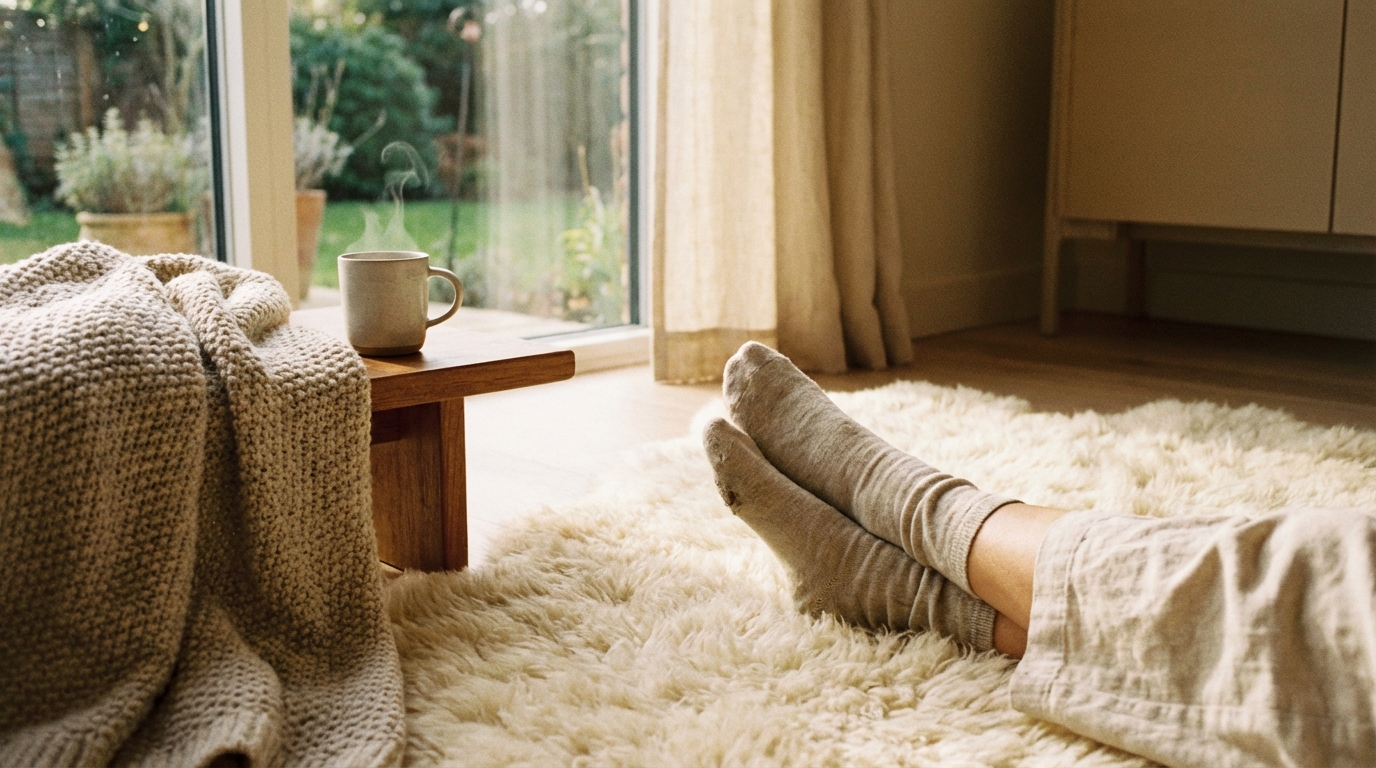
Designing homes for everyday comfort is about creating spaces that feel good to live in, day after day, in every season and stage of life. Comfort-focused design looks beyond style and trends and pays close attention to how people move, rest, work, and connect at home. From room layouts and lighting to temperature control and materials, each choice affects how a home supports daily routines and well-being.
Understanding Everyday Comfort in the Home
Everyday comfort means more than having a soft couch or a warm blanket. It is the overall feeling of ease, safety, and support that a home provides. A comfortable home reduces stress, saves energy, and adapts to changing needs over time.
Comfort can be physical, such as having proper support for your body, but it can also be mental and emotional. A calm, organized, and well-lit space helps people relax and focus. When a home is designed with comfort in mind, daily tasks become easier and more enjoyable.
Physical Comfort
Physical comfort includes temperature, air quality, lighting, noise control, and furniture support. These elements directly affect how your body feels throughout the day. Poor lighting can strain eyes, while uncomfortable seating can cause back pain. Good design reduces these issues before they start.
Emotional Comfort
Emotional comfort comes from feeling safe, relaxed, and at home. Colors, textures, and layout all play a role. Spaces that feel cluttered or chaotic can increase stress, while open and balanced layouts promote calm.
Thoughtful Layout and Flow
The way rooms connect and flow into each other has a major impact on daily comfort. A thoughtful layout makes movement easy and natural, reducing frustration and wasted effort.
Open vs. Defined Spaces
Open floor plans are popular because they allow light and air to move freely. They can make a home feel larger and more social. However, defined spaces can also support comfort by reducing noise and providing privacy.
A balanced approach often works best. For example, an open kitchen and living area can encourage family interaction, while separate bedrooms and study areas allow for quiet and focus.
Clear Pathways
Comfortable homes have clear pathways that allow people to move without bumping into furniture. Walkways should be wide enough for easy movement, including for children, older adults, or anyone using mobility aids.
Furniture placement matters. Chairs, tables, and storage should support natural movement patterns rather than block them.
Lighting for Comfort and Well-Being
Lighting affects mood, energy levels, and overall comfort. A well-lit home uses a mix of natural and artificial light to support different activities throughout the day.
Natural Light
Natural light helps regulate sleep patterns and boosts mood. Large windows, skylights, and glass doors bring sunlight indoors and create a connection with the outdoors.
Window placement matters. East-facing windows bring in gentle morning light, while west-facing windows provide warm evening light. Proper shading, such as curtains or blinds, prevents glare and overheating.
Layered Artificial Lighting
Artificial lighting should be layered to meet different needs. This usually includes ambient, task, and accent lighting.
- Ambient lighting provides general illumination for a room.
- Task lighting focuses on specific activities like reading, cooking, or working.
- Accent lighting highlights features and adds warmth.
Using dimmers allows you to adjust light levels for comfort at different times of day.
Temperature Control and Thermal Comfort
Thermal comfort is one of the most important aspects of everyday living. A home that is too hot or too cold can be uncomfortable and exhausting.
Insulation and Sealing
Good insulation helps maintain a stable indoor temperature. It keeps heat inside during winter and blocks it during summer. Proper sealing around doors and windows prevents drafts and energy loss.
Comfort-focused design often starts with the building envelope, ensuring walls, roofs, and floors support consistent temperatures.
Heating and Cooling Systems
Modern heating and cooling systems allow better control over indoor climates. Zoned systems let different areas of the home be set to different temperatures, which improves comfort and efficiency.
Ceiling fans, radiant floor heating, and energy-efficient heat pumps are popular choices for maintaining comfort while reducing energy use.
Acoustic Comfort and Noise Control
Noise can greatly affect comfort, especially in busy households or urban areas. Acoustic comfort focuses on reducing unwanted sounds and managing noise within the home.
Soundproofing Materials
Soft materials absorb sound and reduce echoes. Rugs, curtains, upholstered furniture, and acoustic panels all help create quieter spaces.
Walls and ceilings can also be designed with sound insulation to reduce noise between rooms.
Zoning for Noise Management
Placing noisy areas like kitchens and living rooms away from bedrooms improves comfort. Home offices benefit from being located in quieter zones to support focus and productivity.
Comfortable Flooring Choices
Flooring affects how a home feels underfoot, how sound travels, and how easy it is to maintain cleanliness.
Soft vs. Hard Surfaces
Soft flooring, such as carpet or cork, feels warm and comfortable, especially in bedrooms and living areas. It also absorbs sound and provides cushioning.
Hard surfaces like wood, tile, or vinyl are easier to clean and work well in kitchens and bathrooms. Adding area rugs brings comfort and warmth where needed.
Temperature and Texture
Some flooring materials feel cold in winter. Radiant floor heating or well-placed rugs can improve comfort. Texture also matters, as smooth surfaces feel different from textured ones under bare feet.
Furniture That Supports the Body
Furniture plays a major role in everyday comfort. The right pieces support the body, encourage good posture, and adapt to different activities.
Seating Comfort
Comfortable seating provides proper back and leg support. Sofas and chairs should match the height and depth that feel natural to the people using them.
Testing furniture before buying helps ensure it fits your body and lifestyle.
Flexible Furniture
Flexible furniture adds comfort by adapting to changing needs. Adjustable desks, extendable tables, and modular sofas allow spaces to evolve without major changes.
Bedrooms Designed for Rest
The bedroom is one of the most important spaces for comfort. It should support rest, relaxation, and sleep.
Mattresses and Bedding
A supportive mattress is essential for comfort. The right firmness depends on personal preference and sleeping position.
Bedding made from breathable materials helps regulate body temperature and improves sleep quality.
Lighting and Color
Soft, warm lighting creates a relaxing atmosphere. Blackout curtains block unwanted light and support better sleep.
Calming colors, such as soft blues, greens, and neutrals, promote relaxation.
Kitchens Designed for Daily Ease
The kitchen is often the busiest room in the home. Comfort-focused kitchen design makes cooking, cleaning, and gathering easier.
Work Triangle and Layout
The placement of the sink, stove, and refrigerator affects how smoothly the kitchen functions. Keeping these areas within easy reach reduces strain and saves time.
Counter Heights and Storage
Comfortable counter heights reduce back and shoulder strain. Storage that is easy to reach, such as pull-out shelves and drawers, makes daily tasks simpler.
Bathrooms That Feel Relaxing
Bathrooms can be designed as calm, spa-like spaces that support daily routines.
Lighting and Ventilation
Good lighting helps with grooming tasks, while ventilation removes moisture and improves air quality.
Comfort Features
Heated floors, towel warmers, and well-placed grab bars add comfort and safety. Non-slip surfaces reduce the risk of falls.
Indoor Air Quality and Comfort
Clean air is a key part of a comfortable home. Poor air quality can cause discomfort and health issues.
Ventilation Systems
Proper ventilation brings in fresh air and removes pollutants. Energy recovery ventilators help maintain comfort while improving air quality.
Materials and Finishes
Low-emission paints, finishes, and flooring reduce indoor pollutants. Choosing natural materials supports a healthier living environment.
Storage Solutions That Reduce Stress
Clutter can make a home feel uncomfortable and overwhelming. Smart storage keeps spaces organized and easy to use.
Built-In Storage
Built-in shelves, cabinets, and closets make better use of space. They help keep items out of sight while remaining easy to access.
Everyday Organization
Storage near entryways, kitchens, and bedrooms supports daily routines. When everything has a place, it is easier to keep the home comfortable and calm.
Designing for Different Life Stages
A comfortable home adapts to changing needs over time.
Family-Friendly Comfort
Homes designed for families benefit from durable materials, flexible spaces, and safe layouts. Play areas, homework zones, and family gathering spaces all support comfort.
Aging in Place
Comfort-focused design considers long-term needs. Wider doorways, step-free entries, and accessible bathrooms help people stay comfortable as they age.
Connection to the Outdoors
Outdoor spaces extend comfort beyond the walls of the home.
Natural Views
Views of nature improve mood and reduce stress. Windows that frame gardens, trees, or sky bring the outdoors in.
Comfortable Outdoor Areas
Patios, decks, and balconies designed with comfortable seating, shade, and lighting become usable living spaces. These areas support relaxation and social time.
Personal Touches and Comfort
Personalization is a key part of comfort. A home should reflect the people who live in it.
Colors and Textures
Choosing colors and textures that feel good to you adds emotional comfort. Soft fabrics, warm tones, and meaningful decor all contribute to a sense of home.
Daily Rituals
Designing spaces that support daily rituals, such as morning coffee, reading, or family meals, increases comfort and enjoyment.
Technology That Enhances Comfort
Modern technology can improve comfort when used thoughtfully.
Smart Home Features
Smart thermostats, lighting controls, and window shades allow easy adjustments. These features help maintain comfort with minimal effort.
Simple and Intuitive Use
Technology should be easy to use. Simple controls and clear interfaces prevent frustration and support everyday comfort.
Balancing Style and Comfort
Comfort-focused design does not mean giving up style. The most successful homes balance both.
Choosing What Feels Good
Trends come and go, but comfort lasts. Selecting materials, layouts, and furniture based on how they feel ensures long-term satisfaction.
Timeless Design Choices
Simple, timeless design elements tend to age well and remain comfortable over time. Neutral foundations with personal accents allow flexibility and change.