
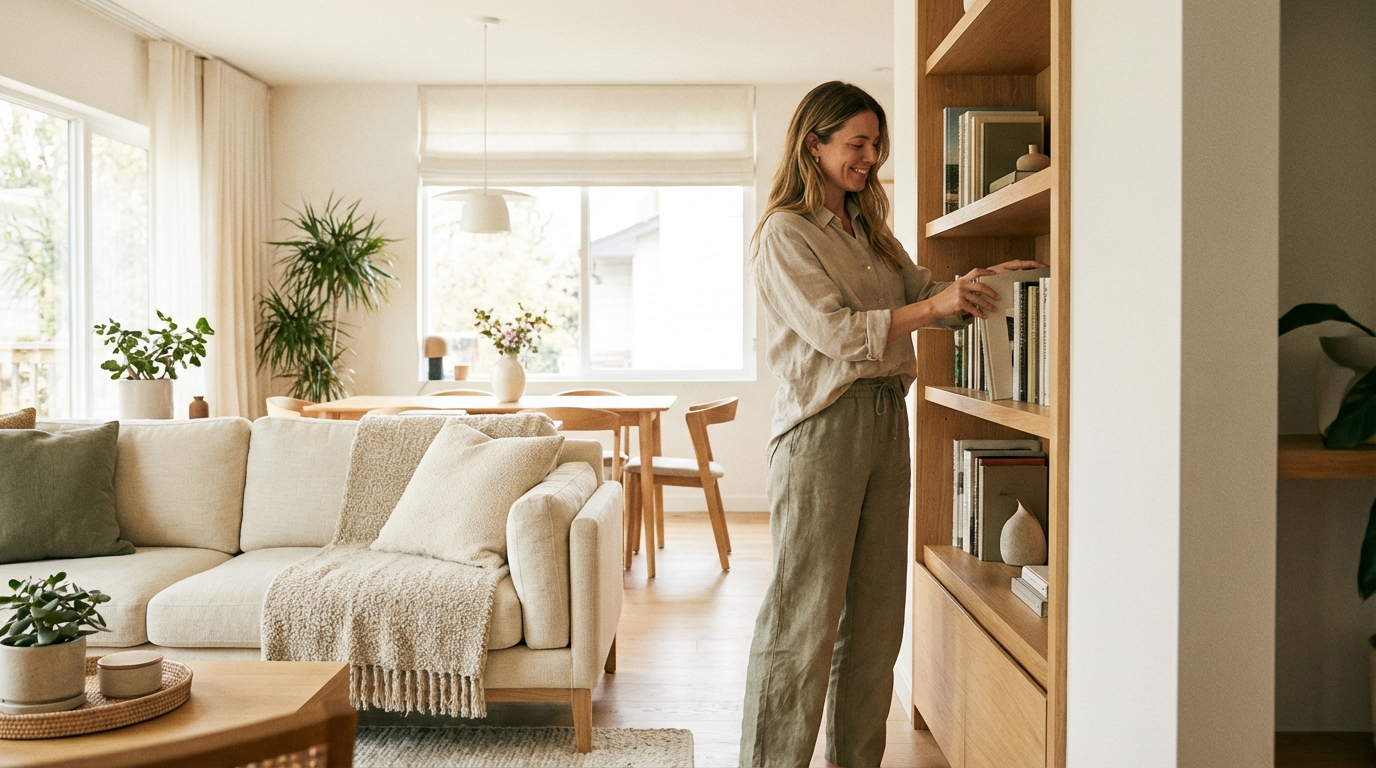
Designing a home for daily living means thinking about how people actually move, rest, work, cook, and relax every single day. A beautiful house is nice to look at, but a supportive home makes life easier from morning to night. When rooms are shaped around real routines, the space feels calmer, more useful, and more personal. Good design reduces stress, saves time, and helps everyone in the household feel comfortable and capable.
Understanding Daily Routines First
Every home works best when it reflects the real habits of the people who live there. Before choosing finishes or furniture, it helps to look closely at daily routines. This includes wake-up times, work schedules, meal habits, hobbies, and how people unwind at night. Some households are busy and loud in the mornings, while others move slowly and quietly. Some cook every meal at home, while others rely on quick snacks.
Designing for daily living starts with asking simple questions. Where do bags and shoes land when people walk in the door? Where does mail pile up? Where do phones get charged? These small moments happen every day, and when a home supports them, clutter and frustration are reduced. A house that works with routines instead of against them feels easier to live in.
Entryways That Handle Real Life
The entryway sets the tone for the rest of the home. It is the place where outside life meets indoor comfort. A well-designed entry helps manage the constant flow of people, shoes, coats, backpacks, and keys. Even small homes benefit from a defined drop zone near the door.
Hooks at different heights allow both adults and children to hang coats easily. A bench gives people a place to sit while putting on shoes. Closed storage keeps clutter out of sight, while open baskets make it easy to grab everyday items. Durable flooring is important here, as entryways take the most wear from dirt, water, and heavy foot traffic.
Storage That Matches the Household
An entryway should reflect the size and needs of the household. A single person may need space for one coat and a bag, while a family might need room for sports gear, school supplies, and pet items. Designing storage based on real use prevents overcrowding and makes mornings smoother.
Kitchens Built for Everyday Cooking
The kitchen is often the heart of daily living. It supports meals, conversations, homework, and sometimes work calls. Designing a kitchen for real life means focusing on function first. Layout matters more than style when it comes to daily cooking.
Work zones should be clear and easy to move between. The sink, stove, and refrigerator need to be placed so cooking feels natural instead of cramped. Counter space near each zone makes food prep and cleanup easier. Lighting should be bright and even, especially over work surfaces.
Storage That Reduces Effort
Everyday items should be easy to reach. Dishes, glasses, and utensils belong near where they are used most. Deep drawers often work better than lower cabinets because they reduce bending and digging. Pantry shelves should be adjustable to fit changing needs, from bulk groceries to small snacks.
A kitchen designed for daily living also considers cleanup. Trash and recycling bins should be easy to access but hidden from view. Surfaces should be durable and easy to wipe down. When cleanup is simple, the kitchen stays more pleasant throughout the day.
Living Rooms That Support Many Activities
Living rooms are no longer just for sitting and watching television. They often support reading, playing games, working on laptops, and spending time with guests. A good daily-living design allows the room to adapt to different activities without feeling crowded.
Furniture placement is key. Seating should allow for conversation as well as screen viewing. Side tables and surfaces give people places to set drinks, books, or devices. Storage furniture can hold games, blankets, and media while keeping the room tidy.
Comfort Over Perfection
Daily living spaces should feel comfortable, not delicate. Fabrics that resist stains and wear are better suited for real life. Washable covers, durable rugs, and sturdy furniture help the room stay welcoming even with heavy use. A space that can handle messes encourages people to actually use it.
Bedrooms Designed for Rest and Routine
Bedrooms play a major role in daily well-being. They support both sleep and personal routines like reading, dressing, and winding down. A well-designed bedroom promotes rest by reducing noise, clutter, and visual stress.
Lighting should be flexible, with soft light for evenings and brighter options for mornings. Storage should be arranged to make dressing easy, with clothes visible and accessible. Nightstands with drawers help keep essentials close while hiding clutter.
Supporting Morning and Evening Habits
Designing for daily living means thinking about what happens right before sleep and right after waking. Charging stations near the bed can reduce cord clutter. Blackout window treatments can improve sleep quality. A small seating area may support reading or quiet moments at the start or end of the day.
Bathrooms That Handle Daily Traffic
Bathrooms are some of the most frequently used spaces in a home. They must support rushed mornings, relaxed evenings, and everything in between. Good bathroom design focuses on flow, storage, and easy maintenance.
Counter space around sinks is important for daily items like toothbrushes and skincare products. Storage should allow each person to keep their items organized. Durable, water-resistant materials help the bathroom stay clean and functional with minimal effort.
Shared Bathrooms and Smart Layouts
In homes with shared bathrooms, thoughtful design can reduce conflict. Double sinks, separate toilet areas, or extra mirrors allow multiple people to use the space at once. Hooks and shelves at different heights help keep towels and clothing off the floor.
Laundry Areas That Simplify Chores
Laundry is a regular part of daily living, and its design can either make it easier or more frustrating. A well-planned laundry area supports sorting, washing, drying, folding, and storing clothes efficiently.
Placing the laundry area near bedrooms can reduce carrying heavy loads across the house. Counter space for folding saves time and effort. Cabinets or shelves keep supplies organized and within reach.
Small Spaces Can Still Work Well
Even small laundry areas can be effective with smart design. Stackable machines, wall-mounted drying racks, and pull-out shelves can add function without taking up much space. When laundry is easier to manage, it becomes less of a daily burden.
Storage That Matches Real Belongings
One of the biggest challenges in daily living is managing belongings. Homes often fail not because they lack space, but because storage does not match what people actually own. Designing storage around real items helps keep the home organized.
Closets should be adjustable to fit changing needs. Shelves, rods, and drawers that can move allow the space to grow with the household. Storage should be placed where items are used, not hidden far away.
Visible vs. Hidden Storage
Both visible and hidden storage play important roles. Open shelves can hold everyday items that are used often. Closed cabinets hide clutter and create visual calm. A balance of both supports daily routines without making the home feel messy.
Work-From-Home Spaces for Daily Use
Many homes now support some form of work or study. Designing a work-from-home area means creating a space that fits into daily life without taking over the house. It should support focus while still allowing separation at the end of the day.
Natural light helps with energy and mood. A comfortable chair and proper desk height prevent physical strain. Storage for papers and supplies keeps the workspace organized and easy to reset.
Blending Work Spaces Into the Home
Not every home has a separate office. In these cases, work areas can be integrated into bedrooms, living rooms, or hallways. Built-in desks, wall-mounted shelves, or cabinets that close help the space blend into daily living when work is done.
Designing for Children’s Daily Lives
Homes with children benefit from designs that support play, learning, and independence. Spaces should be safe, flexible, and easy to clean. Storage at child height encourages kids to put away toys and belongings on their own.
Open floor areas allow for movement and play. Durable materials handle spills and rough use. Clear organization helps children understand where things belong, which supports daily routines.
Spaces That Grow With Kids
Children’s needs change quickly. Designing flexible spaces allows rooms to adapt over time. Furniture that can be rearranged, adjustable storage, and neutral finishes make it easier to update the room without major changes.
Aging in Place and Everyday Comfort
Designing for daily living also means thinking ahead. Homes that support aging in place are safer and more comfortable for people of all ages. Many features that help older adults also benefit everyone.
Wide walkways, good lighting, and non-slip flooring improve safety. Lever-style door handles and faucets are easier to use. Bathrooms with walk-in showers and grab bars can be stylish while providing support.
Comfort Without a Clinical Feel
Supportive design does not have to look medical. Warm materials, thoughtful lighting, and attractive finishes can create spaces that feel welcoming while still meeting daily needs.
Lighting That Matches Daily Patterns
Lighting affects mood, energy, and comfort throughout the day. A home designed for daily living uses layered lighting to support different activities. Natural light should be maximized where possible.
Task lighting helps with cooking, reading, and working. Ambient lighting creates a calm background. Accent lighting adds warmth and helps guide movement through the home.
Simple Controls and Flexibility
Lighting should be easy to control. Dimmers allow rooms to shift from bright and active to soft and relaxing. Thoughtful placement of switches makes daily use more convenient.
Sound, Privacy, and Everyday Peace
Noise plays a big role in daily comfort. Homes designed for real life consider sound control between rooms. Soft materials like rugs, curtains, and upholstered furniture help absorb noise.
Door placement and wall thickness can improve privacy. Creating quiet zones supports rest and focus, especially in busy households.
Materials That Handle Daily Wear
Everyday living puts stress on surfaces. Choosing materials that are durable and easy to maintain helps the home stay attractive over time. Floors, counters, and walls should handle spills, scratches, and cleaning.
Easy-care materials reduce the time spent on maintenance. When a home is easier to care for, it feels more enjoyable to live in day after day.
Flexible Spaces for Changing Routines
Daily routines are not fixed forever. A home designed for daily living allows for change. Rooms that serve more than one purpose can adapt as needs shift.
Movable furniture, neutral layouts, and multi-use rooms make the home more resilient. This flexibility supports life changes without requiring major renovations.
Outdoor Spaces as Part of Daily Life
Outdoor areas can support daily routines just as much as indoor spaces. Patios, balconies, and yards provide places to relax, eat, and play. Easy access to outdoor spaces encourages regular use.
Comfortable seating, shade, and lighting extend the usefulness of outdoor areas. When outdoor spaces are designed for daily living, they become a natural extension of the home.
Technology That Supports, Not Controls
Technology can improve daily living when it is simple and reliable. Smart lighting, thermostats, and security systems should make routines easier, not more complicated.
Controls should be intuitive and accessible. Technology should blend into the background, supporting daily habits without demanding constant attention.
Budgeting for Daily Comfort
Designing for daily living does not require a large budget. Thoughtful planning and prioritizing key areas can make a big difference. Investing in layout, storage, and durability often brings more value than decorative upgrades.
Small changes, like better lighting or improved organization, can greatly improve daily comfort. A home that works well feels valuable no matter its size or cost.
Maintenance as Part of Design
Daily living includes cleaning and upkeep. Designing with maintenance in mind helps keep the home manageable. Surfaces that resist stains, layouts that reduce dust traps, and accessible systems make regular care easier.
When maintenance is simple, the home stays pleasant with less effort. This supports long-term comfort and enjoyment.
Designing With Real Life in Mind
Homes that support daily living are shaped by real routines, not idealized images. They prioritize comfort, function, and flexibility. By focusing on how spaces are actually used, designers and homeowners can create environments that truly support everyday life.
When a home works well, daily tasks feel lighter and more natural. The space becomes a partner in routine, offering support, comfort, and ease from morning through night.