
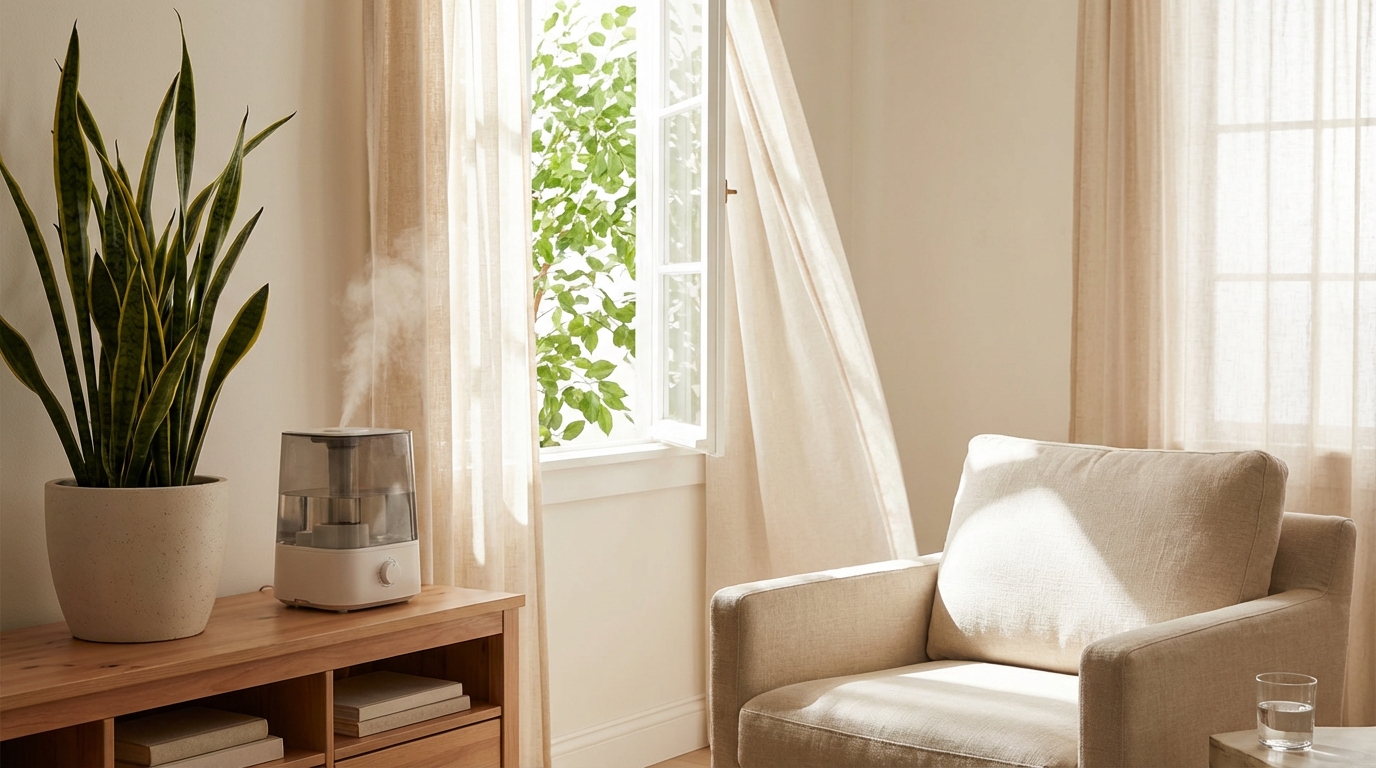
Indoor air quality affects how comfortable, healthy, and energetic a home feels every day. Many people spend most of their time indoors, so the air inside a house can matter even more than the air outside. Dust, moisture, chemicals, and everyday activities can all change what you breathe. The good news is that improving indoor air quality does not require expensive equipment or major remodeling. Small, steady habits and simple choices can make a noticeable difference over time.
Understanding What Affects Indoor Air Quality
Indoor air quality is shaped by many sources working together. Outdoor pollution can enter through doors, windows, and tiny cracks. Inside the home, cooking, cleaning, heating, and even walking across the floor can release particles into the air. Furniture, paint, carpets, and building materials may release gases over time. Pets, people, and moisture also play a role.
Air inside a home does not always move or refresh itself. When air stays trapped, pollutants can build up. This is why homes that are tightly sealed for energy savings can sometimes have stale or stuffy air. Understanding that indoor air quality is influenced by both what comes in and what stays inside helps guide better choices.
Letting Fresh Air In
One of the simplest ways to improve indoor air quality is to bring in fresh outdoor air. Opening windows and doors allows stale air to escape and fresh air to enter. Even a short period of ventilation can reduce odors and lower the concentration of indoor pollutants.
Cross-ventilation works best. Opening windows on opposite sides of a home helps air move through rooms instead of just drifting in and out of one spot. On mild days, this can be done for longer periods. During colder or hotter seasons, even five to ten minutes can help refresh indoor air without losing too much heat or cooling.
Using exhaust fans is another helpful step. Bathroom fans remove moisture that can lead to mold. Kitchen fans pull out smoke, grease, and cooking odors. Turning these fans on during and after use keeps pollutants from spreading through the house.
Keeping Air Filters Clean
Heating and cooling systems often include air filters that catch dust, pollen, and other particles. When these filters are dirty, they cannot do their job well and may even release trapped particles back into the air. Checking filters regularly and replacing them as recommended helps keep air cleaner.
Choosing the right filter also matters. Some filters are designed to catch very small particles, while others focus on larger dust. Homeowners should select filters that work with their system and fit their needs. A filter that is too restrictive can reduce airflow, so balance is important.
Portable air cleaners can also support better air quality in specific rooms. Bedrooms, home offices, and living areas can benefit from units designed to remove particles from the air. These devices work best when used consistently and maintained according to instructions.
Cleaning Habits That Support Better Air
Regular cleaning helps reduce dust, pet dander, and other particles that can float into the air. Simple habits like vacuuming and dusting can make a big difference. Using a vacuum with a good filter helps trap fine particles instead of spreading them around.
Damp dusting is often better than dry dusting. A slightly damp cloth can capture dust rather than pushing it into the air. Washing bedding, curtains, and soft furnishings regularly also reduces the buildup of allergens.
Clutter can collect dust and make cleaning harder. Keeping surfaces clear and storage areas organized allows for easier cleaning and better air movement. This does not mean a home must be spotless, but a manageable level of order supports healthier air.
Choosing Gentler Cleaning Products
Many cleaning products release strong smells and chemicals into the air. While these products may seem effective, they can irritate the lungs and linger long after cleaning is done. Choosing milder products can improve indoor air quality.
Simple cleaners with fewer ingredients often release fewer pollutants. Unscented or lightly scented options can reduce strong odors. Using the right amount of product also helps, since using more than needed does not always clean better.
When cleaning, opening a window or turning on a fan can help remove fumes. Storing cleaning products securely and away from living areas limits ongoing exposure. These small steps add up to cleaner air over time.
Managing Moisture and Humidity
Moisture plays a major role in indoor air quality. Too much humidity can lead to mold growth and dust mites, while very dry air can irritate the nose and throat. Finding a comfortable balance helps keep air healthier.
Using exhaust fans in bathrooms and kitchens removes excess moisture. Fixing leaks promptly prevents water from soaking into walls or floors. Drying wet items quickly, such as towels or rugs, also reduces moisture buildup.
In damp climates or seasons, a dehumidifier can help control humidity levels. In dry conditions, adding moisture with a humidifier may improve comfort. Keeping humidity at moderate levels supports both air quality and overall comfort.
Preventing Mold Growth
Mold releases spores into the air that can affect breathing and cause unpleasant odors. Preventing mold starts with controlling moisture, but regular inspection also matters. Checking areas like bathrooms, basements, and under sinks helps catch problems early.
Cleaning small areas of mold promptly prevents it from spreading. Using proper ventilation during and after showers keeps bathroom surfaces dry. Avoiding carpet in damp areas can also reduce the risk of mold growth.
Keeping gutters clear and directing water away from the home helps prevent moisture from entering. These outdoor steps support indoor air quality by reducing hidden sources of dampness.
Cooking Practices That Improve Air Quality
Cooking is a common source of indoor air pollution. Heat, smoke, and food particles can linger in the air, especially in small or poorly ventilated kitchens. Simple habits can reduce these effects.
Using a range hood or exhaust fan while cooking removes smoke and odors. Keeping lids on pots can limit steam and particles. When possible, opening a window during cooking adds extra ventilation.
Cleaning cooking surfaces regularly prevents grease buildup, which can release odors when heated. Choosing cooking methods that produce less smoke, such as baking or steaming, can also help maintain cleaner air.
Being Careful with Candles and Fragrances
Candles, incense, and air fresheners can add pleasant scents, but they can also release particles and chemicals into the air. Using them sparingly helps reduce their impact on indoor air quality.
Choosing unscented or lightly scented options can limit strong odors. Burning candles for shorter periods and in well-ventilated areas reduces buildup in the air. Blowing out candles gently rather than letting them smoke also helps.
Natural ways to keep a home smelling fresh, such as regular cleaning and ventilation, can reduce the need for added fragrances. These approaches improve air quality without adding extra pollutants.
Smoke-Free Living Spaces
Smoke from tobacco or other products is one of the most harmful indoor air pollutants. It contains many chemicals that can linger in the air and settle on surfaces. Keeping indoor spaces smoke-free is one of the most effective ways to protect air quality.
Smoke can travel between rooms and even between homes in shared buildings. Opening windows or using fans does not fully remove the risks. Setting clear rules about smoking outside the home protects everyone inside.
Thirdhand smoke, which is residue left on furniture and walls, can also affect air quality. Regular cleaning and avoiding indoor smoking help reduce this hidden source of pollution.
Choosing Safer Building and Decorating Materials
Paints, finishes, and building materials can release gases into the air, especially when new. These emissions may last for weeks or even months. Choosing low-emission products helps improve indoor air quality.
When painting or remodeling, ventilating the space well is important. Opening windows and using fans helps remove fumes more quickly. Allowing new furniture or materials to air out before bringing them inside can also help.
Natural materials like solid wood, tile, and stone often release fewer chemicals than some synthetic options. Being mindful during home projects supports healthier air in the long term.
Flooring and Carpet Care
Floors can hold dust, dirt, and allergens. Carpets, in particular, can trap particles deep within their fibers. Regular care keeps these materials from affecting air quality.
Vacuuming carpets and rugs frequently reduces dust buildup. Using doormats at entrances limits the amount of dirt brought inside. Removing shoes indoors can also reduce tracked-in pollutants.
Hard flooring is easier to clean, but it still benefits from regular sweeping and mopping. Choosing cleaning methods that do not leave strong odors helps keep indoor air fresh.
Pets and Indoor Air
Pets bring joy to a home, but they also add fur, dander, and outdoor particles to indoor air. Simple grooming and cleaning routines can help manage these effects.
Brushing pets regularly, preferably outdoors, reduces loose fur and dander. Washing pet bedding keeps it from becoming a source of dust. Vacuuming areas where pets spend time helps control allergens.
Designating pet-free zones, such as bedrooms, can improve air quality in sleeping areas. These small adjustments make a home more comfortable for everyone.
Using Houseplants Wisely
Houseplants can add beauty and a sense of calm to indoor spaces. While they do not replace ventilation or filtration, they can support a pleasant indoor environment when cared for properly.
Keeping plants healthy prevents mold growth in soil. Avoiding overwatering is key, as standing water can lead to moisture problems. Choosing plants that fit the light and space available makes care easier.
Plants should be seen as one part of a broader approach to indoor air quality. Combined with ventilation and cleaning, they contribute to a more enjoyable living space.
Seasonal Adjustments for Better Air
Indoor air quality can change with the seasons. During winter, homes are often closed tightly, which can trap pollutants. Taking short ventilation breaks helps refresh the air without losing too much heat.
In warmer months, pollen and outdoor pollution may increase. Keeping windows closed during high pollen times and ventilating when levels are lower can help. Using fans and filters supports cleaner air year-round.
Seasonal maintenance, such as checking heating systems before winter and cooling systems before summer, ensures they work efficiently and support good air quality.
Monitoring Indoor Air Quality
Paying attention to how a home feels and smells can offer clues about air quality. Stale odors, condensation on windows, or frequent dust buildup may signal a need for changes.
Simple indoor air monitors are available to measure factors like humidity and particle levels. These tools can help identify patterns and guide improvements. Even without devices, regular observation helps catch issues early.
Keeping a consistent routine of ventilation, cleaning, and maintenance supports healthier air over time. Indoor air quality is not a one-time fix but an ongoing part of home care.
Daily Habits That Make a Difference
Small daily actions add up. Opening a window while making the bed, wiping surfaces after cooking, or running a fan during showers are easy steps that support better air.
Teaching children simple habits, such as putting away shoes and helping with light cleaning, builds awareness of a healthy home environment. These routines become second nature over time.
By paying attention to the air inside the home and making thoughtful choices, anyone can create a space that feels fresher and more comfortable throughout the year.