
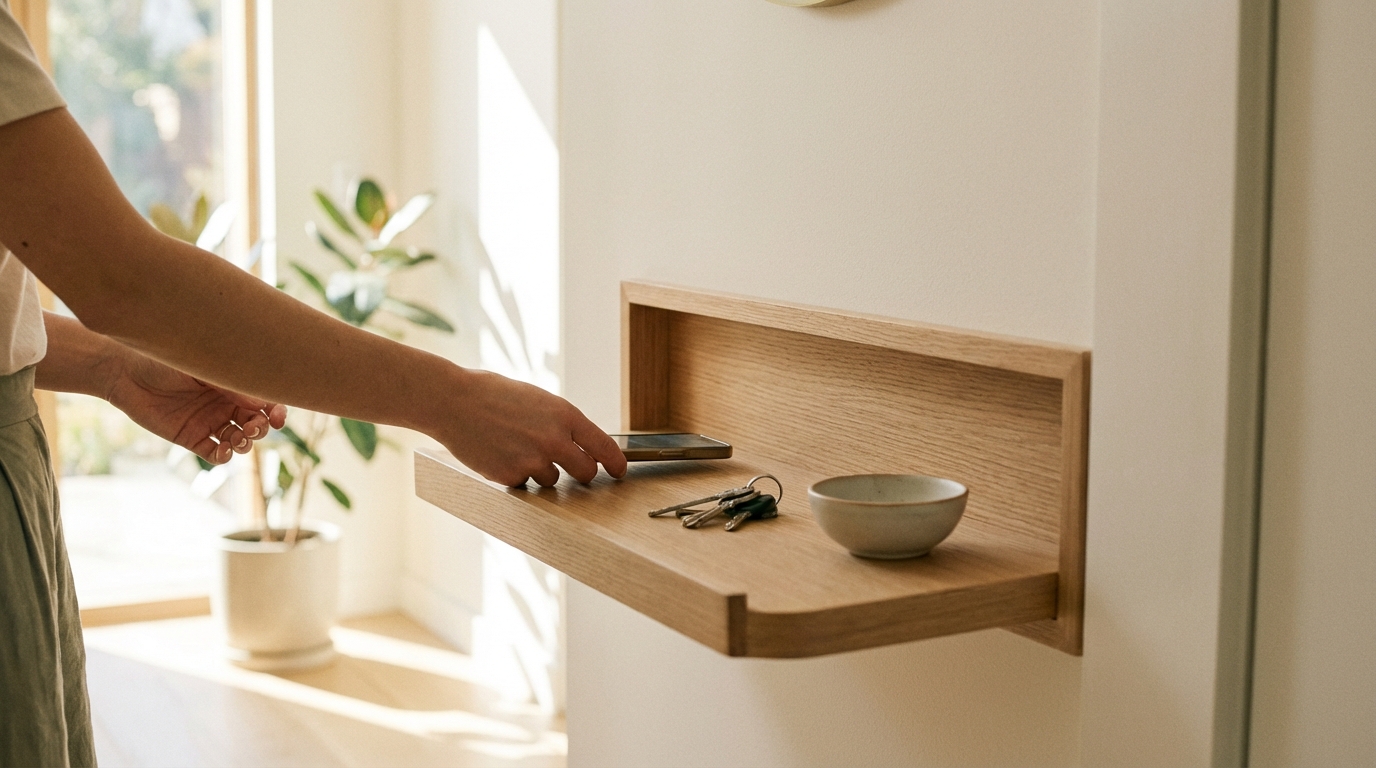
Small frustrations at home can add up. A cabinet door that sticks, a light switch that is hard to reach, or a messy entryway can slow you down every day. Home adjustments that reduce daily friction are about making everyday actions easier and smoother. These changes do not need to be expensive or complex. Many are simple shifts in layout, storage, lighting, or habits that help your home work with you instead of against you.
Understanding Daily Friction at Home
Daily friction is any small obstacle that makes a task harder than it needs to be. It might be physical, like bending too far to reach a pot, or mental, like searching for keys every morning. These moments often feel minor, but they repeat many times a day. Over weeks and months, they drain time and energy.
Reducing friction starts with noticing patterns. Pay attention to moments when you sigh, pause, or feel rushed. Those feelings often point to a place where your home could be adjusted. The goal is not perfection. The goal is ease.
Entryway Adjustments That Smooth Transitions
Creating a Clear Drop Zone
The entryway is where outside life meets home life. Without a clear system, bags, shoes, and coats pile up. A simple drop zone can reduce this friction. Hooks at shoulder height for coats, a small bench for shoes, and a tray for keys can make coming and going faster.
Place items where your hands naturally go. If you always set your bag on the floor, add a hook or shelf there. This turns a habit into an organized action.
Shoe Storage That Matches Your Routine
If you remove shoes every time you enter, storage should be easy to reach and open. Closed cabinets that require bending or doors that swing out can feel annoying. Open shelves or low drawers often work better. For families, labeled bins help everyone put shoes away without asking questions.
Lighting for Safe and Easy Entry
Dim entryways cause fumbling and missed steps. Motion-sensor lights or bright wall fixtures reduce this problem. Good lighting helps you find what you need and makes the space feel welcoming.
Kitchen Changes That Save Time and Energy
Placing Tools Where You Use Them
The kitchen is full of repeated actions. Every step saved matters. Store tools close to where they are used. Keep knives near the cutting board, cooking utensils near the stove, and plates near the dishwasher. This reduces back-and-forth movement.
Drawers with organizers make it easier to grab the right tool without digging. When everything has a clear place, cleanup becomes faster too.
Adjusting Counter and Cabinet Height
Standard kitchen heights do not fit everyone. If counters feel too high or too low, tasks become tiring. Small changes can help. Thick cutting boards can raise the working surface. Pull-out shelves in lower cabinets reduce bending.
Upper cabinets can be hard to reach. Adding pull-down racks or storing daily items on lower shelves reduces strain.
Reducing Visual Clutter
Too many items on the counter can feel overwhelming. This visual friction makes it harder to focus. Clearing surfaces and storing appliances you rarely use can make cooking calmer. Keep only the tools you use often within reach.
Simple Pantry Organization
A messy pantry slows meal prep. Clear bins, labels, and grouping similar foods help you see what you have. This reduces time spent searching and helps prevent buying duplicates. Place frequently used items at eye level and heavy items at waist height.
Living Room Adjustments for Comfort and Flow
Furniture Placement for Easy Movement
Bumping into furniture is a common daily frustration. Arrange seating to leave clear walking paths. Avoid placing coffee tables or chairs where people naturally walk. Even moving a sofa a few inches can improve flow.
Think about how people enter and exit the room. Paths should feel obvious and open.
Remote and Device Management
Lost remotes and tangled cords create small but frequent annoyances. Use a basket or tray for remotes and game controllers. Cable clips or sleeves can keep cords neat and out of the way.
Charging stations with labeled cords make it easy to power devices without searching.
Lighting Layers for Different Activities
One overhead light often does not suit every activity. Adding floor lamps, table lamps, or wall lights allows you to adjust brightness. Reading, watching TV, and relaxing all need different light levels. Easy-to-reach switches or smart bulbs reduce effort.
Bedroom Adjustments That Support Rest
Bedside Setup for Easy Access
The bedside area should support winding down and waking up. A nightstand at mattress height makes it easier to reach items. Keep essentials like glasses, a phone, and water within arm’s reach.
Drawers or small baskets reduce clutter and keep surfaces clear.
Closet Organization That Matches Your Habits
If getting dressed feels slow, your closet may be working against you. Arrange clothes by category and color. Place everyday items at eye level. Seasonal or special items can go higher or lower.
Using the same type of hanger can make the closet feel calmer and easier to scan.
Reducing Morning Friction
Preparing clothes the night before reduces decisions in the morning. A small hook or chair for tomorrow’s outfit can save time. Soft lighting options help you wake up without harsh brightness.
Bathroom Adjustments for Smooth Routines
Storage That Prevents Overcrowding
Bathrooms often have limited space. Overcrowded counters slow routines. Use wall-mounted shelves, drawer dividers, and under-sink organizers to keep items accessible but out of the way.
Group items by routine, such as morning care or cleaning, so you can move through tasks smoothly.
Shower and Tub Accessibility
Reaching for soap or shampoo in the shower should be easy. Corner shelves, niches, or hanging caddies keep items within reach. Non-slip mats reduce the risk of slipping and make the space feel safer.
Mirror and Lighting Improvements
Poor lighting makes grooming harder. Bright, even lighting around the mirror helps with tasks like shaving or makeup. Mirrors at the right height reduce neck strain.
Home Office Adjustments That Reduce Work Friction
Desk Setup for Comfort
An uncomfortable desk setup creates daily strain. Adjust chair height so feet rest flat on the floor. The screen should be at eye level to reduce neck bending. A simple laptop stand or monitor riser can make a big difference.
Organizing Supplies Within Reach
Keep frequently used supplies close to your dominant hand. Drawers, small shelves, or desk organizers prevent constant reaching or standing up. Less movement means better focus.
Managing Cables and Power
Cable clutter is distracting and annoying. Power strips mounted under the desk and cable ties keep cords organized. Easy access to outlets reduces the hassle of plugging and unplugging devices.
Laundry Area Adjustments That Save Steps
Sorting Systems That Match Laundry Habits
If you sort laundry, make it easy. Multiple hampers or divided bins allow sorting as clothes are removed. This prevents a big sorting job later.
Storage for Supplies
Detergent, stain removers, and tools should be within arm’s reach of the washer. Wall shelves or cabinets above machines keep supplies accessible without bending.
Folding and Hanging Solutions
A clear surface for folding reduces pileups. A wall-mounted drying rack or nearby hanging rod makes it easier to deal with clothes right away.
Stairways and Hallways That Support Movement
Clear Pathways
Hallways and stairs should stay clear. Even small items left here can cause trips or slow movement. Built-in storage or wall hooks can hold items without blocking the path.
Handrails and Grip
Secure handrails on both sides of stairs add safety and ease. Non-slip stair treads improve footing and confidence.
Consistent Lighting
Shadows and dark spots make movement harder. Even lighting along stairs and hallways helps everyone move smoothly, especially at night.
Outdoor Adjustments That Reduce Indoor Friction
Paths and Walkways
Clear, even paths from the driveway or sidewalk make entering the home easier. Good drainage and non-slip surfaces reduce mess and tracking dirt inside.
Storage Near Entry Points
Outdoor storage for tools, sports gear, or gardening supplies keeps clutter from entering the home. This reduces cleanup and keeps indoor spaces calmer.
Accessibility Adjustments for All Ages
Lever Handles and Easy Grips
Door handles, faucets, and knobs that are easy to grip reduce strain. Lever-style handles are easier for children, older adults, and anyone with limited hand strength.
Lowering Effort in Daily Tasks
Soft-close drawers, lightweight doors, and smooth-gliding hardware make tasks feel easier. These small upgrades reduce physical effort throughout the day.
Clear Visual Cues
Labels, color coding, and clear signs help everyone find what they need quickly. This is especially helpful in shared spaces.
Sound and Noise Adjustments
Reducing Echo and Harsh Noise
Hard surfaces can create echo and noise that feels stressful. Rugs, curtains, and soft furniture absorb sound. This makes conversations easier and reduces mental friction.
Quieting Mechanical Sounds
Noisy vents, doors, or appliances can be irritating. Simple fixes like lubrication, weather stripping, or door dampers can make the home feel calmer.
Temperature and Airflow Adjustments
Even Heating and Cooling
Hot and cold spots cause constant adjustments. Fans, vents, and curtains can help balance airflow. Programmable thermostats reduce the need for manual changes.
Easy Access to Controls
Thermostats and fans should be easy to reach and understand. Clear labels and simple controls reduce confusion and repeated effort.
Storage Strategies That Reduce Decision Fatigue
Giving Everything a Home
When items do not have a clear place, you waste time deciding where to put them. Assigning a specific spot reduces this mental load. Storage does not need to be hidden; it just needs to be consistent.
Open vs. Closed Storage
Open storage works well for items you use often and want to see. Closed storage is better for visual calm. Mixing both allows you to balance access and appearance.
Habit-Friendly Home Adjustments
Designing for What You Actually Do
The best home adjustments support real habits, not ideal ones. If mail always lands on the counter, add a tray there. If shoes pile near the door, add storage at that exact spot.
Reducing Steps in Routines
Look at daily routines and count the steps. Combining steps or removing unnecessary ones saves time. For example, storing cleaning supplies in each bathroom avoids carrying them around.
Small Fixes That Make a Big Difference
Fixing Sticky Doors and Drawers
Doors and drawers that stick create daily annoyance. Adjusting hinges, adding lubricant, or replacing worn hardware can quickly remove this friction.
Adjusting Switch and Outlet Placement
Extension cords and power strips can reduce the need to reach awkward outlets. Light switches placed near room entrances make spaces easier to use.
Using Labels and Visual Guides
Labels help everyone know where things go. This reduces questions and mess, especially in shared spaces.
Mindset for Ongoing Adjustments
Seeing the Home as Flexible
A home does not need to stay the same. As routines change, adjustments should follow. Being open to small changes keeps friction from building up again.
Testing and Tweaking
Not every adjustment works perfectly the first time. Try changes, notice how they feel, and adjust again. This process keeps improvements practical and personal.
Making Ease a Daily Priority
Home adjustments that reduce daily friction focus on ease, comfort, and flow. Each small change supports smoother days and frees up energy for things that matter more. By paying attention to daily patterns and making thoughtful adjustments, your home can quietly support you from morning to night.