
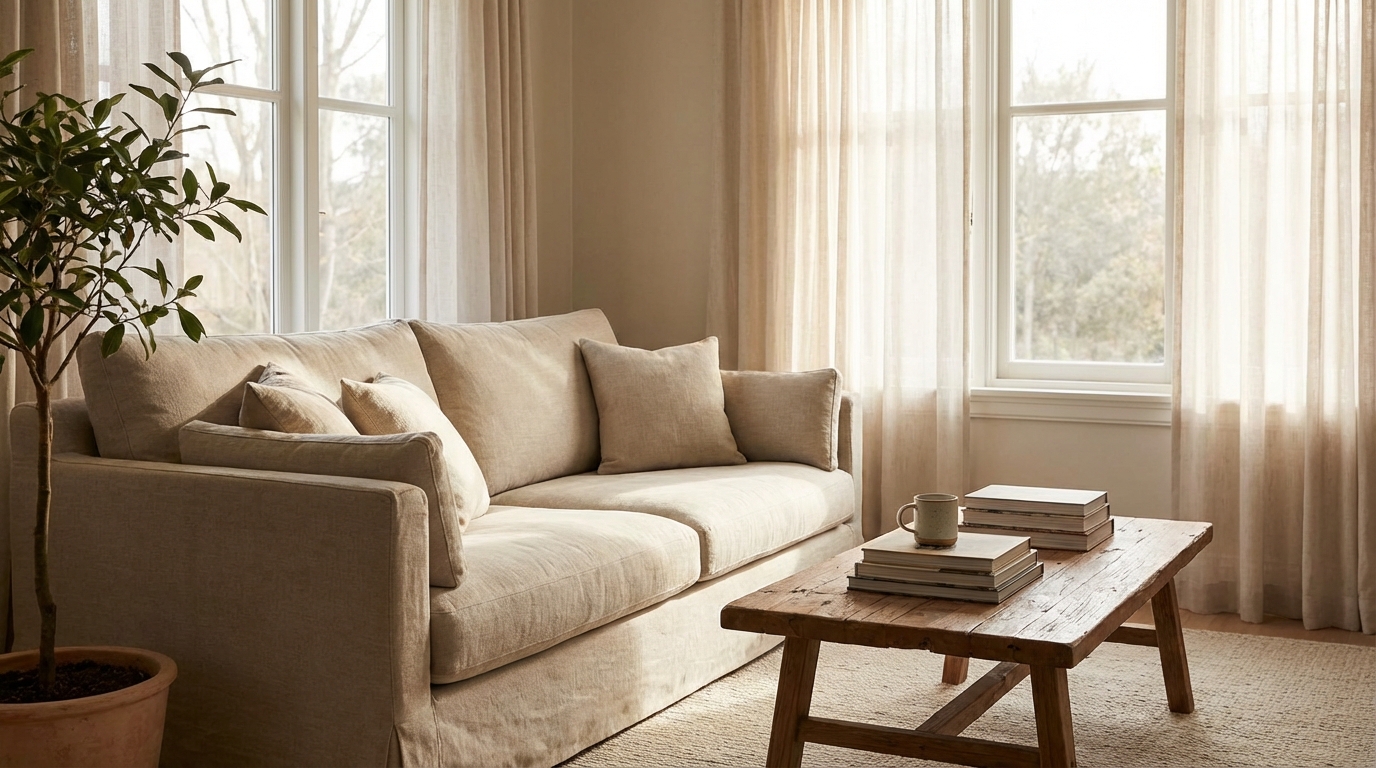
Daily life at home is shaped by hundreds of small movements. Walking from the bedroom to the bathroom in the morning, carrying groceries from the car to the kitchen, helping kids with homework, or relaxing at night all depend on how a house is laid out. Good home design supports these routines without making you think about them. Poor design creates friction, wasted steps, noise problems, and frustration. Understanding how layout choices affect daily flow can help homeowners, renters, and renovators create spaces that feel comfortable, efficient, and calm.
Understanding Daily Flow in a Home
Daily flow refers to how people move through a home and how easily spaces support everyday activities. It includes walking paths, sightlines, noise travel, and how rooms connect to each other. Flow is not about style or decoration. A beautiful home can still feel awkward if movement is blocked or rooms are poorly placed.
Flow is influenced by who lives in the home, how they live, and how often certain activities happen. A household with young children has different needs than a couple working from home. A home that entertains guests often needs different circulation than a quiet retreat. Good design choices allow the home to adapt to these needs instead of fighting against them.
Entryways and First Transitions
The Role of the Front Door
The front door is the starting point for daily flow. It sets the tone for how people enter and leave the house. A well-designed entry allows space to pause, remove shoes, hang coats, and set down bags. Without this buffer, clutter spreads quickly into living areas and movement becomes cramped.
When the front door opens directly into a living room without any transition, it can feel exposed and chaotic. Adding a small foyer, even just a few feet wide, helps control movement and keeps traffic organized.
Storage at the Entry
Closets, hooks, benches, and shelves near the entrance support smooth daily routines. When storage is missing or too small, items end up on chairs, floors, and countertops, creating obstacles and visual noise. Storage that matches daily habits, such as cubbies for kids or charging spots for devices, improves flow without adding square footage.
Open Layouts Versus Defined Rooms
Benefits of Open Plans
Open layouts remove walls between kitchens, dining rooms, and living areas. This design choice can improve flow by allowing easy movement and clear sightlines. Parents can watch children while cooking, and guests can move freely during gatherings.
Open spaces also reduce hallway space, which can feel like wasted area in smaller homes. Fewer walls mean fewer doors to open and fewer tight turns during daily movement.
Challenges of Open Plans
While open layouts can improve physical flow, they can harm functional flow if not carefully planned. Noise travels easily, making it hard to focus or rest. Cooking smells spread, and clutter becomes visible from every angle.
Furniture placement becomes critical in open spaces. Without clear zones, walking paths may cut through seating areas or block access to key features. Using rugs, lighting, and furniture orientation helps define movement paths without walls.
Value of Defined Rooms
Defined rooms support specific activities and control sound and privacy. A separate dining room creates a clear path for meals. A closed kitchen contains mess and noise. Bedrooms placed away from social spaces allow better rest.
The best flow often comes from a balanced layout that combines openness where interaction is needed and separation where focus or quiet matters.
Kitchen Layout and Daily Movement
The Work Triangle and Beyond
The classic kitchen work triangle connects the sink, stove, and refrigerator. When these elements are too far apart or blocked by islands and doors, cooking becomes tiring and slow. A compact, clear triangle supports smooth movement during meal prep.
Modern kitchens also need to support multiple users. Wide walkways, clear appliance doors, and separate prep zones prevent collisions and delays, especially during busy mornings or holidays.
Kitchen Islands and Flow
Islands can improve or block flow depending on size and placement. An island that is too large or too close to counters creates bottlenecks. Proper spacing allows people to pass behind someone working without interrupting them.
Islands also shape how people gather. Seating on one side keeps traffic on the other, reducing cross-traffic through work zones.
Connection to Other Spaces
The kitchen’s location in the home affects daily routines. Easy access to the dining area, outdoor spaces, and pantry reduces unnecessary steps. A kitchen placed far from the entrance makes unloading groceries more difficult, affecting flow every week.
Hallways, Corridors, and Circulation Paths
Width and Clarity
Hallways are often overlooked, but they are central to movement. Narrow hallways feel cramped and make it hard for people to pass each other. Wider corridors allow smoother flow and feel more comfortable, especially in busy households.
Clear sightlines down hallways help people understand where spaces lead, reducing confusion and backtracking.
Reducing Wasted Movement
Long, winding corridors add steps without adding function. Grouping related rooms, such as bedrooms and bathrooms, reduces travel time and improves daily efficiency.
Placing storage or built-ins along hallways adds function without disrupting movement.
Stairs and Vertical Movement
Placement of Stairs
Stairs are major movement elements in multi-story homes. Centrally located stairs shorten travel distances and improve flow between levels. Stairs tucked into corners may feel private but often add extra steps to daily routines.
Visibility of stairs matters. When stairs are easy to find and access, movement feels natural. Hidden or awkward stair placement can make the home feel disconnected.
Design and Safety
Comfortable riser height, adequate width, and good lighting all affect how people use stairs. Poorly designed stairs slow movement and increase the risk of accidents, especially for children and older adults.
Landings and railings support pauses and transitions, improving both safety and flow.
Bedroom Placement and Privacy Flow
Separation from Social Areas
Bedrooms placed away from living and dining areas support restful flow. Noise and activity in shared spaces should not cut through sleeping areas. This separation is especially important for households with different schedules.
Primary bedrooms benefit from some distance from front doors and kitchens, creating a calmer daily rhythm.
Bathroom Access
Bathrooms located near bedrooms reduce nighttime travel and improve morning routines. Shared bathrooms should be easy to reach without crossing through other bedrooms or social areas.
Powder rooms near living spaces prevent guests from walking through private areas, protecting both flow and privacy.
Bathrooms and Morning Traffic
Managing Peak Use Times
Morning routines often create congestion. Multiple sinks, separate toilet rooms, or additional half baths can greatly improve flow during peak times.
Door swings matter in bathrooms. A door that blocks the sink or toilet interrupts movement and creates frustration.
Storage and Organization
Easy-to-reach storage keeps counters clear and movement smooth. When daily items are stored far from where they are used, people make extra trips that disrupt flow.
Living Rooms and Social Flow
Furniture Placement
Furniture arrangement defines walking paths. Sofas, chairs, and tables should guide movement around the room, not block it. Clear paths from doors to seating areas prevent people from cutting through conversation zones.
Flexible furniture allows rooms to adapt to different activities without disrupting flow.
Connection to Other Rooms
Living rooms often connect to kitchens, dining rooms, and outdoor spaces. Wide openings and aligned doorways improve movement and visual flow. Misaligned openings create awkward turns and confusion.
Dining Areas and Meal Flow
Proximity to the Kitchen
Dining areas work best when close to the kitchen. Long walks with hot food increase spills and slow down meals. Clear, direct paths improve daily use and special occasions.
Space Around the Table
Enough clearance around the table allows people to sit, stand, and walk without disturbing others. Tight spacing makes meals feel rushed and uncomfortable.
Home Offices and Work-from-Home Movement
Location and Access
Home offices placed near the entrance support client visits without disrupting household flow. Offices tucked deep inside the home offer quiet but may increase daily walking.
Access to natural light and ventilation also affects comfort and focus, influencing how smoothly work fits into daily life.
Boundaries Between Work and Home
Clear physical boundaries, such as doors or separate zones, help maintain mental flow between work and relaxation. Blurred boundaries can make it hard to shift activities, affecting daily rhythm.
Storage Placement and Daily Efficiency
Storage Where It Is Used
Good flow depends on having storage close to where items are used. Cleaning supplies near cleaning areas, linens near bedrooms, and tools near entry points reduce unnecessary movement.
When storage is poorly placed, people walk back and forth across the house, disrupting routines and increasing clutter.
Hidden Versus Open Storage
Hidden storage reduces visual clutter and keeps pathways clear. Open storage can work when well-organized but may create distractions in high-traffic areas.
Doors, Doorways, and Movement
Door Swing Direction
The direction a door swings affects how people move through a space. A door that opens into a narrow hallway or blocks a light switch interrupts flow. Pocket doors or sliding doors can improve movement in tight areas.
Doorway Width
Wider doorways allow smoother movement, especially when carrying items or moving furniture. Narrow openings can make spaces feel disconnected and hard to navigate.
Lighting and Visual Flow
Natural Light and Wayfinding
Natural light draws people toward it. Placing windows at the ends of hallways or in shared spaces helps guide movement intuitively. Dark areas feel less inviting and may be avoided, even if they are part of the main circulation.
Layered Lighting
Task, ambient, and accent lighting together support different activities throughout the day. Poor lighting placement creates shadows that interrupt movement and cause discomfort.
Acoustics and Sound Flow
Managing Noise Travel
Sound moves through open spaces, hard surfaces, and shared walls. Managing acoustics with rugs, soft furnishings, and wall placement improves comfort and supports different activities happening at the same time.
Quiet zones, such as bedrooms and offices, benefit from separation and sound buffering.
Flooring Choices and Transitions
Consistency and Safety
Consistent flooring materials create smooth visual and physical flow. Sudden changes in height or texture can interrupt movement and cause trips.
When transitions are needed, they should be gradual and clearly visible.
Durability in High-Traffic Areas
Durable flooring in entryways, kitchens, and hallways supports daily movement without constant maintenance. Worn or damaged floors disrupt flow and comfort.
Indoor-Outdoor Connections
Access to Outdoor Spaces
Doors leading to patios, decks, or yards extend daily flow beyond the house. Easy access encourages outdoor use and reduces congestion at a single exit point.
Placing outdoor doors near kitchens and living areas supports daily routines like dining outside or supervising children.
Managing Transitions
Mudrooms, covered patios, and threshold design help manage dirt, weather, and clutter, protecting indoor flow.
Accessibility and Universal Design
Designing for All Ages
Homes that support different mobility levels offer better long-term flow. Step-free entries, wide pathways, and reachable controls make daily movement easier for everyone.
These features also support temporary needs, such as injuries or carrying heavy items.
Future-Proofing Movement
Design choices that allow easy modification, such as blocking for grab bars or flexible room use, help homes adapt without major disruption.
Technology and Modern Flow
Power and Charging Locations
Outlets and charging stations placed where devices are used prevent cords from crossing walkways. This small detail greatly affects daily comfort and safety.
Smart Home Features
Lighting controls, thermostats, and security systems placed at logical points reduce unnecessary movement. Poorly placed controls cause frustration and extra steps.
Climate, Comfort, and Air Movement
Heating and Cooling Zones
Even temperatures support comfort and movement. Cold or hot spots discourage use of certain areas, breaking natural flow.
Zoned systems and ceiling fans help maintain consistent comfort throughout the home.
Ventilation and Fresh Air
Good airflow improves comfort and health. Windows and vents placed to encourage cross-ventilation support pleasant movement and reduce reliance on mechanical systems.
Personal Habits and Custom Flow
No layout works the same for everyone. The best home design choices consider daily habits, routines, and preferences. Observing how people move through a space reveals where flow breaks down and where improvements can be made.
Small changes, such as moving furniture, adding storage, or adjusting lighting, can dramatically improve daily flow without major renovations. Understanding how layout impacts movement and comfort allows homeowners to make informed choices that support easier, more enjoyable living every day.