
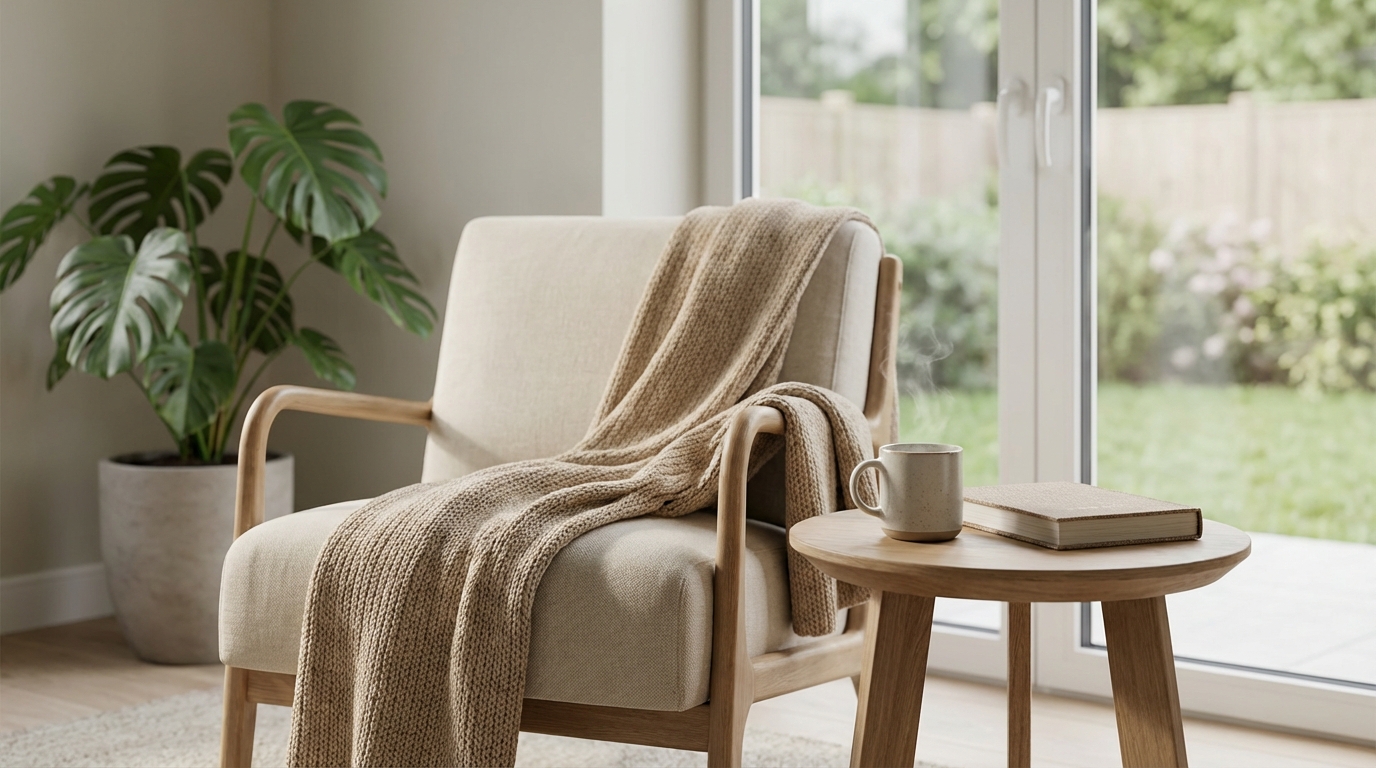
A calm mind is not only shaped by thoughts and habits, but also by the spaces where daily life unfolds. The home environment plays a powerful role in emotional balance, stress levels, and overall mental comfort. Small, thoughtful choices around layout, light, sound, scent, and routines can quietly support a sense of ease. These habits do not require luxury or perfection. They grow from awareness of how surroundings affect the nervous system and how simple changes can make daily life feel lighter.
The Connection Between Home and Mental Calm
The human brain is always responding to cues from the environment. Colors, clutter, temperature, and noise are processed even when attention is elsewhere. When a space feels chaotic or uncomfortable, the body may stay in a low level of alert. Over time, this can make relaxation harder.
A calm home does not mean a silent or empty one. It means a space that feels safe, predictable, and supportive. When the home aligns with natural rhythms and personal needs, the mind can rest more easily. Understanding this connection helps turn everyday household choices into tools for emotional care.
Decluttering for Mental Breathing Room
How Visual Overload Affects the Brain
Clutter creates visual noise. When too many objects compete for attention, the brain works harder to process what it sees. This can lead to mental fatigue and irritability, especially after a long day.
Clearing surfaces does not mean removing personality or warmth. It means giving the eyes places to rest. Even small changes, like clearing a bedside table or kitchen counter, can create a sense of order that translates into mental relief.
Practical Decluttering Habits
- Put items away at the end of each day, focusing on high-use areas.
- Keep only what is used or loved in visible spaces.
- Create simple storage zones for everyday items.
- Declutter one drawer or shelf at a time instead of the whole room.
These habits reduce decision fatigue and make spaces easier to navigate, supporting a calmer start and end to each day.
Lighting Choices That Soothe the Mind
The Role of Natural Light
Natural light helps regulate sleep cycles, mood, and energy levels. Homes that allow daylight to enter freely often feel more open and peaceful. Keeping windows clean, using light curtains, and arranging furniture to avoid blocking light can make a noticeable difference.
Spending time in rooms with daylight during the morning and afternoon helps the body stay aligned with natural rhythms, making it easier to wind down later.
Using Artificial Light Wisely
Harsh overhead lighting can feel stimulating and tiring, especially in the evening. Softer light sources create a sense of comfort and safety.
- Use lamps instead of bright ceiling lights when possible.
- Choose warm-toned bulbs for living spaces and bedrooms.
- Dim lights in the evening to signal the body to relax.
- Avoid strong blue light before bedtime.
Lighting that changes with the time of day supports a gentle mental transition from activity to rest.
Color and Texture in Emotional Balance
Calming Color Palettes
Colors influence mood more than many people realize. Soft, natural tones tend to feel grounding, while very bright or high-contrast colors can be energizing or overwhelming.
Calming colors often include soft blues, gentle greens, warm neutrals, and earthy shades. These colors reflect natural environments and signal safety to the brain. Using them on walls, furniture, or decor can subtly support emotional steadiness.
The Comfort of Texture
Texture adds depth and comfort to a space. Soft fabrics, natural fibers, and smooth surfaces provide sensory feedback that feels reassuring.
- Use cushions, throws, or rugs to add softness.
- Choose natural materials like cotton, wool, or wood.
- Balance smooth and textured surfaces for visual interest without clutter.
When the body feels physically comfortable, the mind often follows.
Sound Management for Inner Quiet
Reducing Unwanted Noise
Constant background noise can raise stress levels without being noticed. Traffic, electronics, and household sounds may create a sense of unrest.
Simple steps can help reduce noise pollution inside the home.
- Use rugs and curtains to absorb sound.
- Close doors or windows during loud periods.
- Maintain appliances to reduce unnecessary noise.
Introducing Calming Sounds
Not all sound is harmful. Gentle, consistent sounds can be soothing and grounding.
- Play soft music at low volume.
- Use nature sounds like rain or wind.
- Allow moments of quiet when possible.
Choosing when and how sound enters the home helps create a sense of control and calm.
Scent and Air Quality
The Emotional Impact of Smell
Smell is closely linked to memory and emotion. Certain scents can quickly create a feeling of comfort or alertness. A clean, fresh-smelling home often feels more peaceful.
Natural scents are usually less overwhelming than synthetic ones. Simple sources of pleasant smell can gently support relaxation.
- Fresh air from open windows.
- Light use of essential oils or candles.
- Natural cleaning products with mild scents.
Improving Air Quality
Stale or polluted air can contribute to headaches, fatigue, and irritability. Improving air quality supports both physical and mental well-being.
- Ventilate rooms daily when possible.
- Keep plants that are easy to care for.
- Avoid heavy chemical cleaners.
Breathing clean air helps the body relax and supports mental clarity.
Creating Zones for Different Activities
Why Boundaries Matter Indoors
When the same space is used for work, rest, and entertainment, the brain may struggle to switch modes. Creating simple zones helps signal what kind of activity belongs where.
Even in small homes, zones can be created through furniture placement, lighting, or routines.
Examples of Calming Zones
- A reading corner with soft light and comfortable seating.
- A work area kept separate from sleeping space.
- A dining area free from screens.
These boundaries help the mind shift gears more easily, reducing mental overload.
Bedroom Habits That Support Restful Thinking
Keeping the Bedroom Simple
The bedroom plays a key role in mental calm. A space filled with distractions can make it harder to rest, even if sleep eventually comes.
Keeping the bedroom focused on rest helps the brain associate it with relaxation.
- Limit electronics in the bedroom.
- Keep surfaces clear and organized.
- Use calming colors and soft lighting.
Evening Routines in the Bedroom
Habits practiced in the bedroom shape how the mind feels about being there. Gentle routines can prepare the body and mind for rest.
- Dim lights an hour before sleep.
- Engage in quiet activities like reading.
- Maintain a consistent bedtime.
These habits support a smoother transition into rest and reduce racing thoughts.
Kitchen Habits That Reduce Daily Stress
Order and Flow in the Kitchen
The kitchen is often one of the busiest spaces in the home. When it feels chaotic, stress can rise quickly.
Simple organization supports smoother routines.
- Store frequently used items within easy reach.
- Keep counters as clear as possible.
- Clean as you go during meal preparation.
A Calm Approach to Mealtimes
How meals are prepared and eaten affects mental state. Rushed or distracted meals may increase tension.
- Eat without screens when possible.
- Set the table even for simple meals.
- Allow enough time to eat slowly.
These habits turn meals into moments of grounding rather than stress.
Bathroom Spaces and Emotional Reset
The Bathroom as a Pause Point
Bathrooms are often overlooked as spaces for mental calm. Yet they offer daily moments of privacy and routine.
A clean, simple bathroom can feel refreshing and stabilizing.
- Keep surfaces uncluttered.
- Use soft towels and gentle lighting.
- Choose calming colors or simple decor.
Mindful Use of Water
Water has a natural calming effect. Paying attention to daily water routines can support emotional balance.
- Take a few deep breaths during showers.
- Notice the warmth and sound of water.
- Avoid rushing through bathroom routines.
These small pauses can help reset the mind during busy days.
Daily Cleaning as Mental Maintenance
Small, Consistent Efforts
Cleaning does not need to be intense to be effective. Small daily actions prevent mess from building up and reduce background stress.
- Make the bed each morning.
- Wash dishes after meals.
- Tidy one area each day.
These habits create a sense of control and accomplishment that supports mental calm.
Approaching Cleaning with the Right Mindset
Cleaning can feel stressful when seen as a burden. When approached as care for the home, it can feel grounding.
Focusing on one task at a time and noticing progress helps reduce overwhelm and keeps the mind present.
Outdoor Connections from Inside the Home
Bringing Nature Indoors
Natural elements have a calming effect on the nervous system. Even small touches of nature inside the home can support emotional well-being.
- Houseplants that are easy to maintain.
- Natural wood or stone elements.
- Views of the outdoors when possible.
Using Outdoor Spaces Mindfully
Balconies, patios, or yards can become extensions of calm living spaces.
- Create a simple seating area.
- Spend a few minutes outside each day.
- Keep outdoor areas tidy and welcoming.
Regular contact with nature supports relaxation and mental clarity.
Digital Boundaries Within the Home
Reducing Screen Overload
Constant digital stimulation can make it hard for the mind to rest. Setting boundaries around screen use at home supports calm.
- Create screen-free times or zones.
- Turn off unnecessary notifications.
- Avoid screens during meals and before bed.
Designing Tech-Friendly, Not Tech-Dominated Spaces
Technology is part of modern life, but it does not need to dominate every room. Thoughtful placement helps maintain balance.
Keeping cords organized, devices stored when not in use, and screens out of rest areas helps the home feel more peaceful.
Routines That Anchor the Home Environment
The Comfort of Predictability
Routines create a sense of safety and order. When daily patterns are predictable, the mind spends less energy on decision-making.
- Morning and evening routines.
- Regular meal times.
- Weekly cleaning rhythms.
Flexible, Not Rigid Habits
Routines should support life, not restrict it. Flexibility allows for rest and enjoyment without guilt.
When routines feel supportive rather than strict, they become a quiet source of stability within the home.
Personal Meaning and Emotional Comfort
Displaying Meaningful Items
Objects connected to positive memories can support emotional well-being. When chosen carefully, they add warmth without clutter.
- Photos that bring calm feelings.
- Artwork that feels soothing.
- Objects from nature or meaningful places.
Letting Go of Draining Items
Some objects carry stress or unwanted memories. Removing or storing them can free emotional space.
Making room only for items that support calm helps the home feel emotionally lighter and more supportive on a daily basis.
Adapting the Home to Changing Needs
Needs change with seasons, life stages, and emotional states. A calm home evolves rather than stays fixed.
Rearranging furniture, adjusting routines, or changing decor can refresh the space and better support current needs. Paying attention to how the home feels and responding with small adjustments keeps the environment aligned with mental well-being.
Each habit within the home, from how light is used to how rooms are organized, contributes to the overall emotional tone. Over time, these choices shape a living space that quietly supports a calm mind during ordinary days and stressful moments alike.