
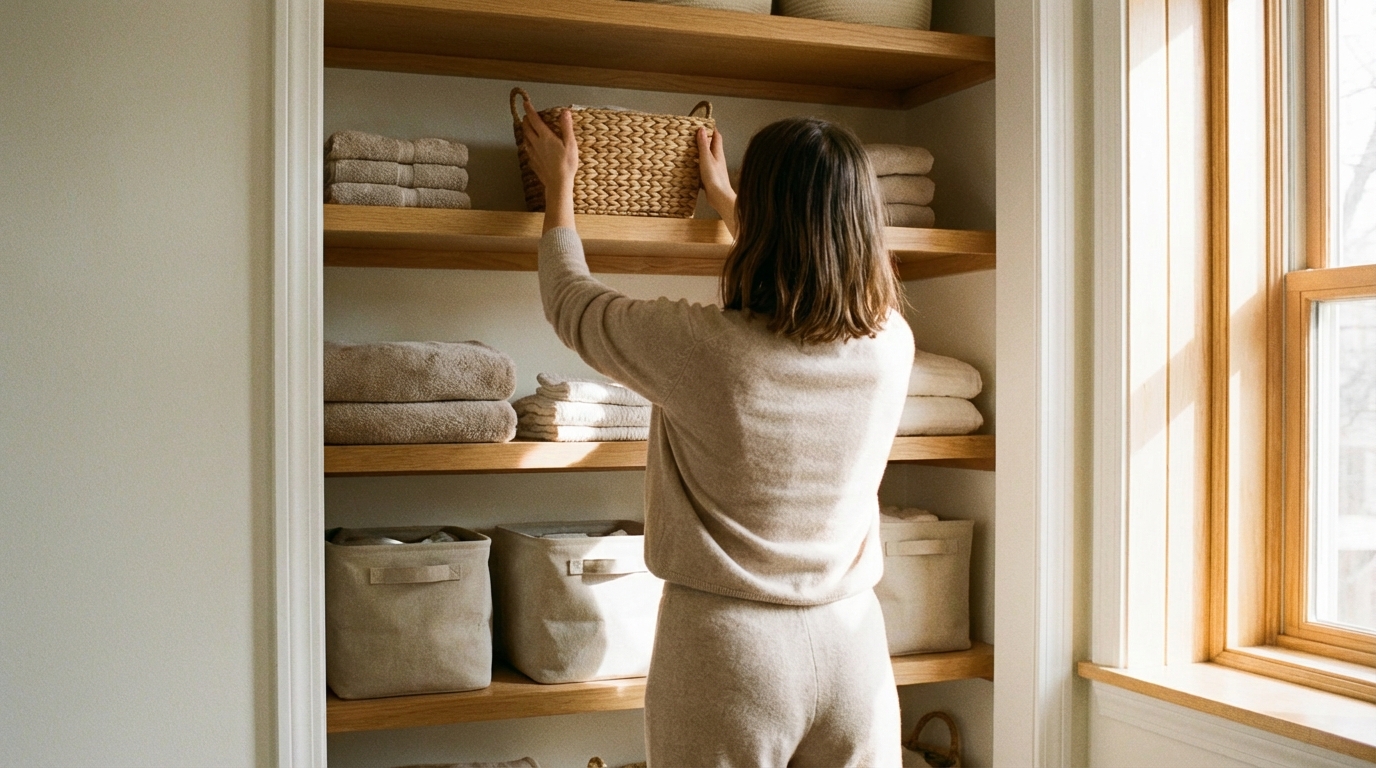
Home Organization That Stays Practical is about creating systems that keep working long after the excitement of a clean room fades. Many people can organize a space once, but the real challenge is making it easy to keep organized during busy, normal life. This article focuses on realistic approaches to home organization that fit everyday habits, limited time, and changing needs. The goal is not perfection, but systems that support how people actually live.
Why Most Organization Systems Fail
Many home organization efforts fail because they are built around ideal behavior instead of real behavior. A system may look beautiful on day one, but it requires too much effort to maintain. When storage is hard to access, too detailed, or too strict, people stop using it. Items start piling up, and clutter returns.
Another common problem is organizing without first understanding the purpose of the space. A hallway, a kitchen, and a bedroom all serve different daily functions. Using the same organizing approach in every room often leads to frustration. Practical organization starts by observing how a space is used, who uses it, and how often.
Buying containers before making decisions is also a major issue. Many people purchase bins, baskets, and labels first, then try to force their belongings to fit. This often creates more clutter and wasted space. Practical systems are built around what you already own and how you move through your day.
Organizing Around Daily Habits
The strongest organizing systems are habit-based. Instead of asking people to change how they behave, these systems support existing routines. If shoes always land near the door, the solution is not to train everyone to carry them to a closet across the house. The solution is to store shoes where they naturally end up.
Pay attention to drop zones. These are places where items tend to collect, such as countertops, chairs, or the end of a table. Drop zones are not signs of failure. They are clues. By turning drop zones into intentional storage areas, clutter becomes contained instead of scattered.
For example, if mail always ends up on the kitchen counter, create a simple mail station there. Use a shallow tray or wall pocket for incoming mail and another for items that need action. This takes seconds to use and fits naturally into daily life.
Matching Storage to Energy Levels
Not every moment of the day comes with the same level of energy. Practical organization takes this into account. Systems that require folding, sorting, or opening multiple containers may work when energy is high but fail during busy or tiring moments.
Low-energy systems are simple and forgiving. Hooks instead of hangers, open bins instead of drawers, and wide categories instead of detailed ones all help reduce effort. When it takes less than ten seconds to put something away, it is far more likely to happen.
Decluttering With Maintenance in Mind
Decluttering is often treated as a one-time event, but practical organization views it as an ongoing process. The goal is not to own as little as possible, but to own what fits comfortably in the available space and can be maintained without stress.
When decluttering, it helps to think in terms of limits rather than rules. A shelf, drawer, or bin becomes the natural limit for a category. If everything fits easily, the system works. If items are crammed or spill out, something needs to go.
This approach removes guilt and decision fatigue. Instead of asking whether to keep every item, you ask whether it fits within the space you have chosen for it. This keeps organization practical and realistic over time.
Keeping Decisions Simple
Too many choices make organization harder to maintain. When categories are overly specific, people struggle to decide where things belong. Simple categories reduce friction and make tidying faster.
For example, instead of separating office supplies into many small groups, combine them into a few broad categories. Pens, paper, and tools can each have their own container. This approach is easier to maintain and still keeps items easy to find.
Room-by-Room Practical Organization
Every room in the home has different demands. A practical system in one space may not work in another. Understanding the role of each room helps guide organizing choices that last.
Entryways and Drop Zones
The entryway sets the tone for the home. It is also one of the busiest and most clutter-prone areas. Practical entryway organization focuses on fast transitions in and out of the house.
Key elements include a place for shoes, bags, coats, and everyday items like keys. Open storage works well here. Shoe racks, hooks, and small trays are easier to use than closed cabinets that require more steps.
Limiting the number of items allowed in the entryway also helps. Seasonal rotation keeps only what is currently needed within reach. This prevents buildup and makes the space easier to manage.
Kitchen Organization That Supports Cooking
The kitchen is one of the most used rooms in the home, which makes practical organization especially important. Systems should support cooking, cleaning, and food storage without adding extra work.
Grouping items by function rather than type often works best. Store cooking utensils near the stove, food prep tools near the counter, and cleaning supplies near the sink. This reduces movement and saves time.
Pantries benefit from clear, simple categories. Everyday foods should be at eye level, while rarely used items can be stored higher or lower. Containers are helpful, but only when they make access easier. Over-decanting can create extra steps that are hard to maintain.
Living Rooms That Stay Livable
Living rooms serve many purposes, from relaxing to entertaining to storage. Practical organization balances function with comfort.
Storage should be easy to access and easy to reset. Baskets for blankets, trays for remotes, and cabinets for games allow quick cleanup without detailed sorting. Items used daily should never require digging or rearranging.
It also helps to define what truly belongs in the living room. When items from other rooms start migrating in, clutter builds quickly. Gentle boundaries keep the space usable without constant effort.
Bedrooms Built for Rest
Bedrooms work best when they support rest and simple routines. Overly complex storage systems can make mornings and evenings more stressful.
Clothing storage should match how clothes are worn and put away. If folding is rarely maintained, consider hanging more items or using bins. Drawer dividers are useful when they are simple and flexible.
Nightstands benefit from minimal storage. Only items used every night should live there. This keeps surfaces clear and makes daily routines smoother.
Bathrooms That Stay Tidy
Bathrooms are small spaces with frequent use, which makes practical organization essential. Storage should prioritize items used daily and allow quick access.
Under-sink areas work best with bins that can be pulled out easily. Group items by purpose, such as cleaning, personal care, or backups. Avoid stacking items in ways that require moving several things to reach one.
Limiting backups helps keep bathrooms manageable. Store extras elsewhere if space is tight. This reduces visual clutter and makes cleaning faster.
Kids’ Rooms and Shared Spaces
Organizing spaces for children requires extra flexibility. Kids grow, interests change, and routines evolve. Practical systems make it easy for kids to participate without constant help.
Open bins with clear labels work better than detailed systems. Toys, books, and clothes should be easy to put away without perfect placement. When kids can reset their space independently, organization is more likely to last.
Regular resets help keep clutter from building. A short, scheduled review of toys and clothes keeps systems aligned with current needs.
Storage That Works Long-Term
Not all storage solutions are equal when it comes to long-term use. Practical storage focuses on access, visibility, and flexibility.
Clear containers make it easier to see what you have, reducing overbuying and forgotten items. Open storage works well for frequently used items, while closed storage is better for visual calm in living areas.
Adjustable storage adapts as needs change. Shelves that can move, bins that can be reassigned, and multipurpose furniture all support long-term organization.
Avoiding Over-Organizing
Over-organizing happens when systems become too detailed or rigid. While it may look impressive, it often requires more effort than people can maintain.
Practical systems leave room for imperfection. A drawer that is mostly organized is better than one that requires constant adjustment. Flexibility allows real life to happen without constant cleanup.
Time-Saving Maintenance Routines
Organization that lasts includes simple maintenance routines. These routines should be short, predictable, and easy to skip without causing chaos.
Daily resets take five to ten minutes and focus on returning items to their general areas. Weekly resets involve a slightly deeper review, such as clearing surfaces or emptying a catch-all bin.
Seasonal reviews help adjust systems as needs change. Clothing, equipment, and decor can be rotated or reduced to match the current season.
Using Visual Cues
Visual cues help remind people where things belong. Labels, consistent containers, and clear zones reduce the mental load of organizing.
When storage looks intuitive, it is easier to maintain. People are more likely to put things away correctly when the system makes sense at a glance.
Letting Go of Perfection
One of the most important parts of practical home organization is letting go of perfection. Homes are meant to be lived in, not displayed at all times.
A system that works 80 percent of the time is often better than one that works perfectly for a week and then falls apart. Flexibility allows systems to survive busy periods, illness, or changes in routine.
Practical organization supports life instead of controlling it. By focusing on ease, access, and habits, homes can stay organized in a way that feels natural and sustainable.
Adapting Systems as Life Changes
No organizing system should be permanent. Life changes, and homes need to change with it. New jobs, family members, hobbies, or schedules all affect how space is used.
Practical organization allows for regular adjustments without starting over. When systems are simple, it is easy to move items, change categories, or repurpose storage.
Checking in with spaces every few months helps catch problems early. Small changes prevent clutter from growing and keep systems aligned with current needs.
Making Organization Personal
What works for one household may not work for another. Practical organization is personal and depends on preferences, abilities, and routines.
Some people prefer visual storage, while others need things hidden to feel calm. Some like minimal items, while others enjoy collections. A practical system respects these differences.
By focusing on function over appearance, home organization becomes easier to maintain and more supportive of everyday life.