
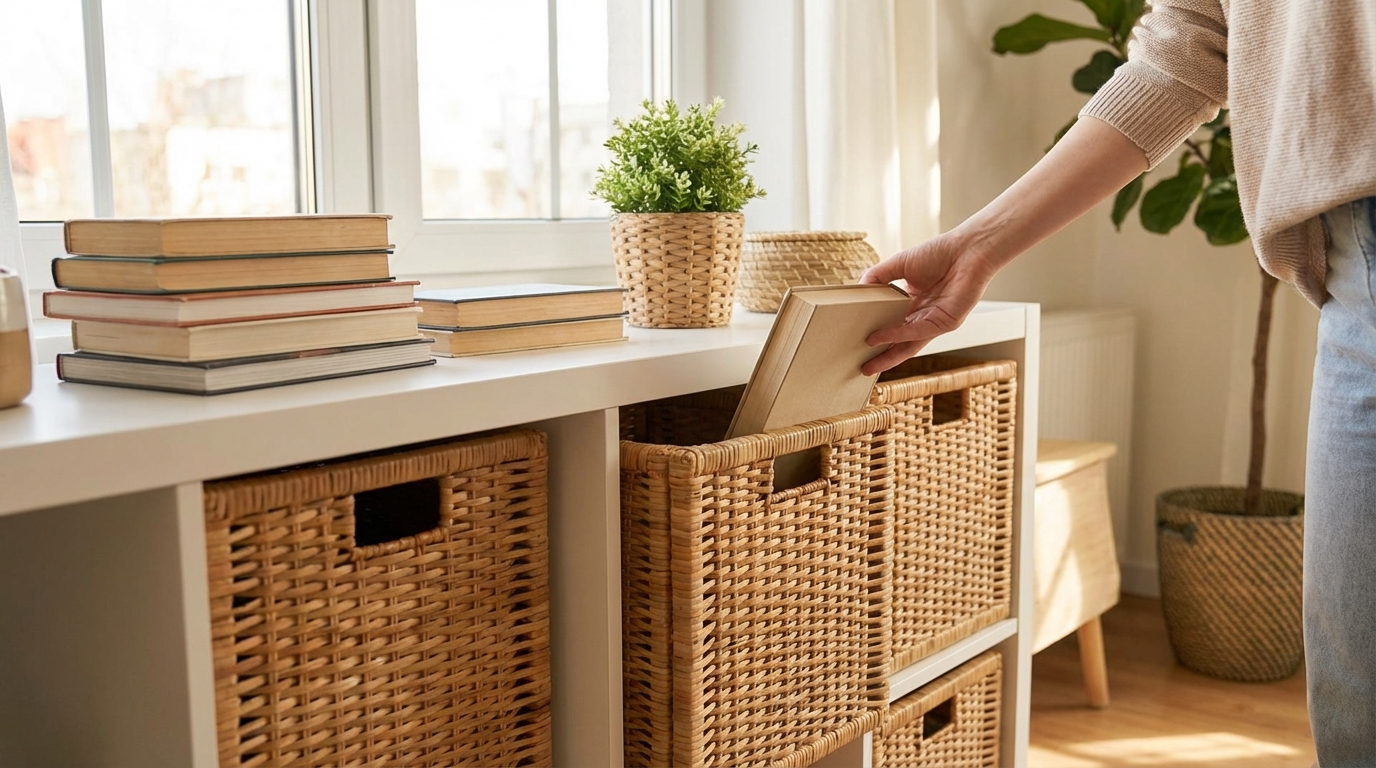
Home organization that survives busy weeks is not about perfection or picture-ready shelves. It is about systems that keep working when schedules explode, energy runs low, and everyone is moving fast. This kind of organization supports real life, including late nights, missed workouts, sick kids, long workdays, and unexpected guests. The goal is not to keep a home spotless at all times, but to make it easy to reset, find what you need, and keep things from spiraling into chaos.
Busy weeks test every system. When time is tight, anything complicated breaks down. Labels get ignored, steps get skipped, and clutter piles up fast. Strong home organization focuses on fewer decisions, easy habits, and forgiving systems that still function when you are tired or distracted. This article explores practical ways to build home organization that lasts through hectic weeks, without adding stress or requiring constant maintenance.
Core Principles of Organization That Lasts
Before organizing any room, it helps to understand the core ideas that make systems survive real life. These principles guide every choice, from storage containers to daily routines.
Less Stuff Means Less Work
The most reliable organization system starts with owning less. Fewer items mean fewer things to manage, clean, and put away. When life gets busy, excess items are what overflow first. Reducing clutter does not require extreme minimalism. It simply means keeping what you actually use and enjoy, and letting go of items that add friction to daily routines.
For busy households, less stuff creates breathing room. Closets close easily. Drawers open without effort. Surfaces stay clearer without constant attention. Decluttering is not a one-time project, but an ongoing habit of noticing what gets in the way and removing it.
Easy Beats Perfect
If a system requires careful folding, exact placement, or multiple steps, it will not survive a busy week. Easy systems win every time. Open bins, wide drawers, and simple categories help people put things away quickly without thinking.
Perfection creates pressure. Ease creates consistency. A home that looks lived-in but functions well is far more useful than a perfect-looking home that falls apart under stress.
Organization Should Match Behavior
The best organization follows how people actually live, not how they wish they lived. Shoes should go where people naturally take them off. Mail should land where it enters the house. Backpacks should have a clear drop zone.
When systems fight natural habits, they fail. Observing daily routines and building storage around them helps organization stick, even during the busiest weeks.
Designing Drop Zones That Catch the Mess
Busy weeks create messes at transition points. Entryways, kitchen counters, and bedroom floors collect items because they are the places where movement happens. Smart drop zones capture clutter before it spreads.
The Entryway as a Control Center
The entryway sets the tone for the entire home. When it works, the rest of the house stays calmer. When it fails, shoes, bags, and papers scatter everywhere.
An effective entryway includes:
- Hooks for coats, backpacks, and purses
- A bench or chair for putting on shoes
- Open bins or baskets for hats, gloves, and scarves
- A small tray or bowl for keys and wallets
Hooks work better than hangers during busy weeks because they require less effort. Baskets allow fast tossing without sorting. The goal is speed and simplicity, not neatness.
Mail and Paper Drop Zones
Paper clutter grows fast when life is hectic. A simple paper system prevents piles from spreading across counters and tables.
Create one clear spot for incoming paper. This could be a wall-mounted file, a basket, or a shallow drawer. Sort mail immediately into basic categories such as action needed, to file, and recycle. Keep categories broad to avoid decision fatigue.
During busy weeks, the system should allow papers to stack neatly without taking over surfaces. Processing can wait for a calmer moment.
Kitchen Organization for High-Traffic Days
The kitchen works hardest during busy weeks. Meals are rushed, snacks are constant, and cleanup often happens late at night. Kitchen organization that survives this pace focuses on access, flow, and easy resets.
Clear Counters Without Empty Counters
Clear counters are easier to clean and reduce visual stress, but empty counters are not always realistic. The key is to allow only the items that earn their space.
Common counter items that work during busy weeks include:
- Coffee maker or kettle used daily
- A fruit bowl or snack basket
- A small tray for daily essentials
Grouping items on trays makes it easier to wipe down counters quickly. When everything has a place, even a messy day feels more controlled.
Pantry Zones That Support Fast Decisions
During busy weeks, no one wants to search for ingredients. A functional pantry uses zones instead of strict labels.
Useful pantry zones include:
- Breakfast items
- Snacks
- Quick meals
- Baking supplies
- Backstock
Open bins help group items without requiring perfect alignment. Clear containers are helpful but not required. What matters is visibility and ease.
Fridge Organization That Prevents Food Waste
Busy schedules lead to forgotten leftovers and spoiled produce. A fridge that supports fast scanning reduces waste.
Use clear containers for leftovers and group similar items together. Keep ready-to-eat foods at eye level. Reserve one shelf or bin for foods that need to be used soon.
During hectic weeks, the fridge should answer the question “What can I eat right now?” within seconds.
Laundry Systems That Do Not Fall Apart
Laundry is one of the first systems to break during busy weeks. Clothes pile up, clean items sit unfolded, and socks vanish. A strong laundry system accepts these realities and works with them.
Fewer Steps, Fewer Baskets
Complicated laundry routines are hard to maintain. Simplifying steps makes laundry manageable even when energy is low.
Helpful strategies include:
- One basket per person or category
- Sorting clothes at the source
- Reducing folding requirements
Some households skip folding for everyday items and use bins or drawers instead. This approach saves time and reduces friction during busy weeks.
Clothing Storage That Supports Speed
Closets and dressers should make it easy to put clothes away quickly. Hanging only the items that wrinkle easily and using drawers for the rest keeps things moving.
When clothing storage matches how laundry is handled, clean clothes are more likely to make it out of baskets, even during hectic schedules.
Bedroom Organization for Rest and Reset
Bedrooms should support rest, not add to stress. During busy weeks, bedrooms often become dumping grounds. Smart organization limits what enters and makes reset simple.
Nightstand Essentials Only
Nightstands attract clutter fast. Limiting them to true essentials keeps them manageable.
Useful nightstand items include:
- A lamp
- A phone charger
- A book or notebook
- A small tray for personal items
Anything else tends to pile up and disrupt rest. A clear nightstand makes it easier to wind down, even during stressful weeks.
Floor Control Strategies
Bedroom floors often collect clothes and bags. Hooks behind doors, a dedicated chair, or a small basket can capture these items before they spread.
These solutions work because they acknowledge real behavior instead of fighting it.
Bathroom Organization That Handles Rush Hours
Bathrooms see heavy traffic during busy mornings and evenings. Organization here needs to support speed and sharing.
Daily Use Zones
Group daily-use items together so they are easy to grab. Store less-used items elsewhere to reduce crowding.
Drawer dividers help, but simple containers work just as well. The goal is quick access, not showroom-level order.
Cleaning Supplies Within Reach
Keeping basic cleaning supplies in the bathroom encourages quick wipe-downs. A small caddy under the sink makes it easy to clean spills and messes without a full cleaning session.
During busy weeks, these small resets keep bathrooms from becoming overwhelming.
Living Room Organization for Real Life
Living rooms are shared spaces that see many activities. Organization here should support relaxation, play, and social time.
Hidden Storage for Visual Calm
Closed storage helps hide clutter when time is short. Cabinets, ottomans with storage, and baskets allow fast cleanup without sorting.
This approach makes it possible to reset the room quickly before guests arrive or at the end of a long day.
Activity-Based Storage
Store items by activity rather than by type. For example, keep remote controls together, store games in one bin, and group reading materials in a basket.
This makes it easier to put things away correctly, even when distracted.
Paper, Schedules, and Family Communication
Busy weeks often involve missed messages, forgotten appointments, and lost papers. A simple communication system helps keep everyone aligned.
One Central Information Spot
Choose one place for shared information. This could be a wall area, a fridge space, or a small bulletin board.
Use it for:
- Weekly schedules
- Important reminders
- School or work deadlines
Keeping information visible reduces mental load and prevents last-minute surprises.
Routine Check-In Times
Instead of constantly managing papers and messages, set a regular time to review them. Even ten minutes once or twice a week helps keep systems from breaking down.
This habit supports organization without requiring daily effort.
Storage That Supports Maintenance, Not Just Storage
Storage should make maintenance easier, not harder. When storage is too full or too complex, it becomes a barrier.
Leave Breathing Room
Overfilled storage is hard to use. Leaving extra space allows items to be put away quickly without rearranging.
This space acts as a buffer during busy weeks when things pile up faster than usual.
Flexible Containers
Choose containers that can adapt as needs change. Baskets, bins, and adjustable shelves support evolving routines.
Rigid systems often fail when life changes. Flexibility keeps organization relevant.
Daily and Weekly Reset Habits
Even the best systems need small resets. The key is keeping them short and manageable.
The Five-Minute Reset
A short daily reset prevents clutter from taking over. Focus on high-impact areas like the kitchen counter, entryway, and living room.
Five minutes is easier to commit to than a full cleaning session, especially during busy weeks.
The Weekly Catch-Up
A slightly longer weekly reset allows deeper maintenance. This could include processing papers, clearing the fridge, or resetting laundry systems.
This routine keeps small issues from becoming overwhelming.
Teaching Household Members to Use the System
Organization works best when everyone participates. Systems should be easy enough for all household members to follow.
Simple Rules, Clear Expectations
Limit rules to a few clear expectations. For example, shoes go on the rack, bags hang on hooks, and dishes go directly into the dishwasher.
Too many rules create confusion and resistance.
Make the Right Choice the Easy Choice
Place storage where it is needed and remove obstacles. When putting something away is easier than leaving it out, habits form naturally.
This approach reduces reminders and conflicts during busy weeks.
Adjusting Systems as Life Changes
Busy weeks often come from changes such as new jobs, school schedules, health challenges, or seasonal shifts. Organization should adjust with these changes.
Seasonal Shifts
Rotate clothing, gear, and supplies based on the season. Keeping only current items accessible reduces clutter and decision fatigue.
This adjustment keeps systems relevant and easier to maintain.
Permission to Redesign
If a system stops working, it is not a failure. It is a signal to adjust. Giving yourself permission to change systems removes guilt and keeps organization practical.
Homes that support busy lives evolve over time, responding to new routines, new priorities, and new challenges.
Mindset for Sustainable Home Organization
The mindset behind organization matters as much as the tools. Viewing organization as support rather than control changes how systems are built.
Organization as Stress Relief
When done right, organization reduces stress instead of creating it. It removes small daily frustrations, saves time, and supports smoother routines.
This perspective encourages simpler, more forgiving systems.
Progress Over Perfection
Busy weeks do not allow for perfect homes. Focusing on progress keeps motivation high and systems functional.
Small improvements add up, especially when they are designed to last through the busiest times.