
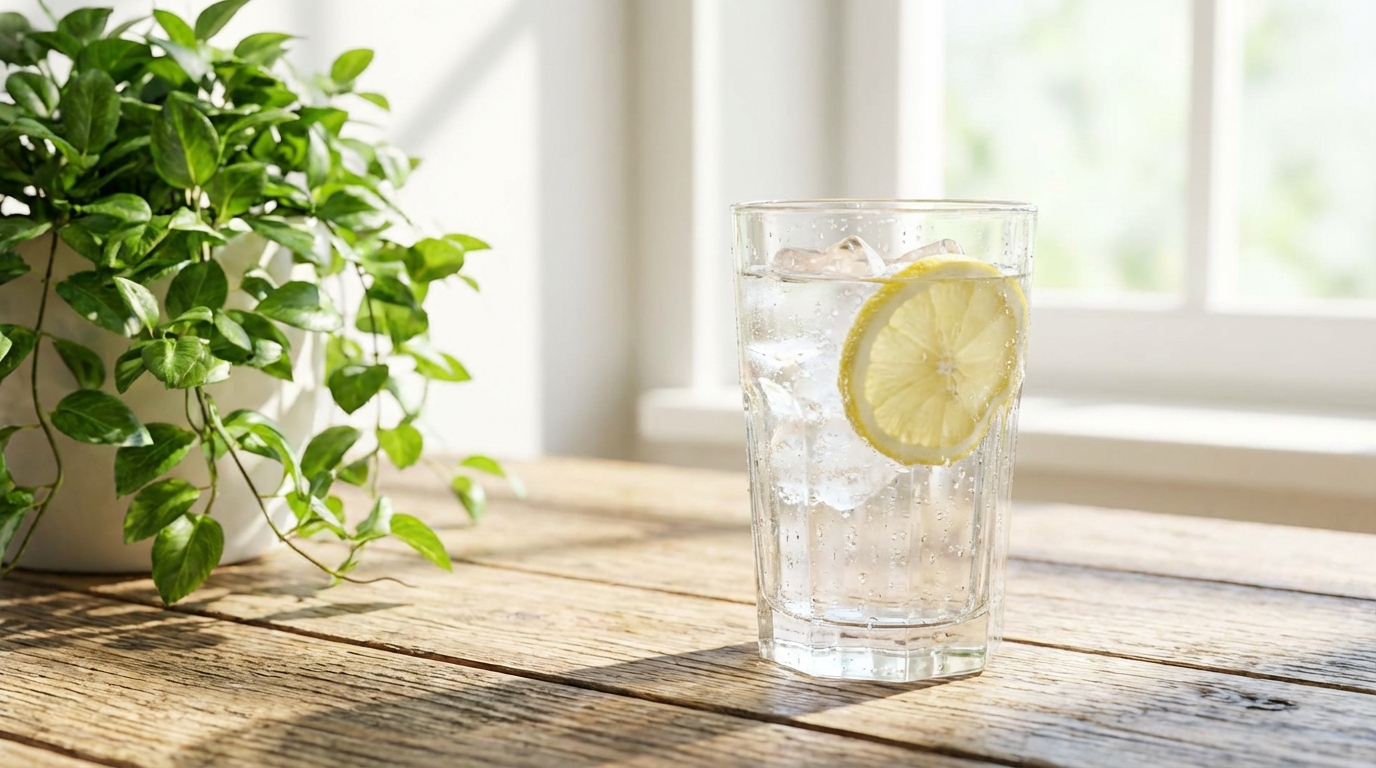
Feeling tired during the day is common, but many people overlook one of the simplest causes: not drinking enough water. Hydration plays a direct role in how alert, focused, and energetic you feel from morning to night. Water supports nearly every system in the body, and even small drops in hydration can affect physical strength, brain function, and mood. Understanding how hydration affects daily energy levels can help you make small changes that lead to better focus and steadier energy throughout the day.
Why the Body Needs Water to Make Energy
The human body is made up of about 60 percent water. This water is not just stored; it is constantly moving through cells, blood, and organs to support basic functions. Energy production depends on these processes working smoothly.
Cells use water to transport nutrients like glucose, oxygen, and electrolytes. These nutrients are required to produce adenosine triphosphate, or ATP, which is the body’s main energy source. When you are dehydrated, this transport system slows down. As a result, cells have a harder time making energy, and you may feel sluggish or weak.
Water also helps regulate body temperature. When you are well hydrated, your body can cool itself through sweat. If you are low on fluids, your body works harder to maintain a normal temperature, which uses extra energy and leaves you feeling tired.
How Mild Dehydration Impacts Energy Levels
Many people think dehydration only matters when you feel extremely thirsty or sick. In reality, even mild dehydration can affect how you feel. Losing just 1 to 2 percent of your body’s water can lead to noticeable changes in energy and focus.
Mild dehydration can cause:
- General fatigue or low energy
- Difficulty concentrating
- Headaches
- Feeling sleepy during the day
- Reduced physical performance
These effects happen because the brain is very sensitive to changes in fluid balance. When hydration drops, blood volume can decrease slightly, which means less oxygen and nutrients reach the brain. This can make mental tasks feel harder and increase the feeling of tiredness.
The Brain, Hydration, and Mental Energy
Your brain relies heavily on water to function properly. It is made up of about 75 percent water, and even small changes in hydration can affect how it works. Mental energy, which includes alertness, memory, and focus, is closely linked to fluid levels.
When you are dehydrated, the brain may need to work harder to perform the same tasks. This can make you feel mentally drained, even if you have not done much physical activity. Tasks like reading, problem-solving, and paying attention can feel more tiring than usual.
Hydration also affects mood. Research shows that low fluid levels are linked to increased feelings of tension, anxiety, and irritability. These mood changes can drain energy and make the day feel longer and more exhausting.
Hydration and Physical Energy Throughout the Day
Physical energy is what helps you move, exercise, and get through daily activities. Water plays a key role in muscle function and endurance. Muscles are mostly water, and they need proper hydration to contract and relax efficiently.
When you are dehydrated, muscles can fatigue faster. This means everyday tasks like walking, climbing stairs, or carrying groceries may feel harder. You may also feel sore more quickly during physical activity.
Dehydration can also reduce blood flow to muscles. This limits the delivery of oxygen and nutrients, which are necessary for sustained energy. As a result, physical stamina drops, and you may feel worn out earlier than expected.
Morning Hydration and Starting the Day with Energy
Many people wake up already slightly dehydrated. During sleep, the body loses water through breathing and sweating, and no fluids are consumed for several hours. Starting the day without replenishing these fluids can set the tone for low energy.
Drinking water in the morning helps restart the body’s systems. It supports circulation, wakes up the digestive system, and helps the brain become more alert. Even one glass of water after waking can make a noticeable difference in how energized you feel.
Morning hydration is especially important if you drink coffee or tea. Caffeine has a mild diuretic effect, which means it can increase fluid loss. Drinking water alongside caffeinated beverages helps balance this effect and supports steady energy.
Hydration During Work or School Hours
Energy dips in the late morning or afternoon are often blamed on long hours or poor sleep. While these factors matter, hydration is frequently overlooked. Many people get busy and forget to drink water for several hours.
When fluid intake is low during work or school, mental fatigue can build up. This may show up as difficulty focusing, slower thinking, or frequent yawning. Drinking water regularly can help maintain mental clarity and prevent energy crashes.
Keeping a water bottle nearby is a simple way to stay hydrated. Taking small sips throughout the day is often more effective than drinking large amounts all at once. This steady intake helps maintain consistent energy levels.
Afternoon Slumps and Hydration
The afternoon energy slump is a common experience. While it is partly related to natural body rhythms, dehydration can make it worse. By midday, many people have not consumed enough fluids, especially if they rely on coffee or sugary drinks.
Water helps maintain stable blood volume and circulation, which supports steady energy. When hydration drops, blood flow to the brain can decrease slightly, leading to feelings of tiredness.
Instead of reaching for more caffeine or snacks, drinking water can be an effective first step. In many cases, what feels like hunger or boredom is actually mild dehydration.
Hydration and Exercise-Related Energy
Physical activity increases the body’s need for water. Sweating leads to fluid loss, and if those fluids are not replaced, energy levels can drop quickly.
During exercise, dehydration can cause:
- Faster fatigue
- Reduced strength and endurance
- Increased heart rate
- Dizziness or lightheadedness
Drinking water before, during, and after exercise helps maintain energy and supports recovery. Even light activities like walking or stretching require proper hydration to feel comfortable and energizing.
The Role of Electrolytes in Energy
Water alone is essential, but electrolytes also play a role in hydration and energy. Electrolytes are minerals like sodium, potassium, and magnesium that help balance fluids and support nerve and muscle function.
When you sweat, you lose both water and electrolytes. If you only replace water, electrolyte levels may become unbalanced, which can affect energy and performance.
For most daily activities, a balanced diet provides enough electrolytes. Fruits, vegetables, and whole foods are good sources. During long or intense exercise, drinks with added electrolytes can help maintain energy levels.
Hydration, Digestion, and Energy
Digestion uses energy, and water helps this process run smoothly. Fluids help break down food and move nutrients through the digestive system. When digestion is efficient, nutrients are absorbed more effectively, supporting steady energy.
Dehydration can slow digestion, leading to discomfort like bloating or constipation. These issues can make you feel tired and uncomfortable, adding to low energy levels.
Drinking water with meals and throughout the day supports digestion without interfering with nutrient absorption. This helps the body get the energy it needs from food.
Hydration and Blood Pressure Effects on Energy
Water helps maintain healthy blood pressure by supporting blood volume. When you are dehydrated, blood volume can decrease, which may cause blood pressure to drop.
Low blood pressure can lead to feelings of dizziness, weakness, and fatigue. Standing up quickly may cause lightheadedness, which is a common sign of dehydration.
Staying well hydrated helps maintain stable circulation, allowing oxygen and nutrients to reach tissues efficiently. This supports both physical and mental energy.
How Caffeine and Alcohol Affect Hydration and Energy
Caffeine is often used to boost energy, but it does not replace the need for water. While moderate caffeine intake can improve alertness, it does not support hydration.
Alcohol has a stronger dehydrating effect. It increases urine output and can lead to fluid loss. Drinking alcohol, especially in the evening, can cause dehydration that affects energy the next day.
Balancing caffeinated or alcoholic drinks with water helps reduce their impact on hydration. This can lead to more stable energy levels and fewer crashes.
Hydration Needs Change with Age
Hydration needs can vary with age. As people get older, the sense of thirst may become less reliable. This means older adults may not feel thirsty even when they need fluids.
Lower total body water and changes in kidney function can also increase the risk of dehydration. This can lead to low energy, confusion, or weakness.
Paying attention to regular fluid intake, rather than waiting for thirst, can help maintain energy at any age.
Environmental Factors That Increase Hydration Needs
Weather and environment play a big role in how much water you need. Hot or humid conditions increase sweat loss, which raises fluid needs.
Cold environments can also increase dehydration because people may not feel thirsty and may forget to drink water. Indoor heating can dry the air and increase fluid loss through breathing.
High altitudes can lead to increased breathing and fluid loss, which may cause fatigue if hydration is not maintained. Drinking water regularly helps support energy in these conditions.
Signs That Low Energy May Be Linked to Dehydration
It can be hard to tell whether low energy is caused by dehydration or other factors. However, some signs suggest fluids may be part of the problem.
- Dark yellow urine
- Dry mouth or lips
- Headaches during the day
- Feeling tired despite enough sleep
- Muscle cramps
If these signs appear along with low energy, increasing water intake may help improve how you feel.
Daily Hydration Habits That Support Energy
Building simple hydration habits can make a big difference in daily energy levels. Consistency is more important than drinking large amounts at once.
Helpful habits include:
- Drinking water shortly after waking up
- Keeping a refillable water bottle nearby
- Taking small sips throughout the day
- Drinking water with meals
- Adding fruits or herbs for flavor if plain water feels boring
These habits help maintain steady hydration, which supports consistent energy.
Hydration from Foods and Its Role in Energy
Water does not only come from drinks. Many foods contain significant amounts of water and contribute to hydration.
Fruits and vegetables like watermelon, oranges, cucumbers, and lettuce have high water content. These foods also provide vitamins and minerals that support energy production.
Including water-rich foods in meals and snacks can help support hydration and provide nutrients that help the body make energy.
Balancing Hydration Without Overdoing It
While dehydration is common, it is also important not to overconsume water. Drinking excessive amounts in a short time can dilute electrolyte levels, which may affect energy and health.
Listening to your body, watching urine color, and drinking steadily throughout the day helps maintain balance. For most people, pale yellow urine is a sign of good hydration.
Hydration and Sleep-Related Energy
Hydration affects sleep quality, which in turn affects energy levels. Being dehydrated can cause dry mouth or leg cramps that disrupt sleep.
On the other hand, drinking too much water right before bed can lead to frequent bathroom trips, interrupting rest.
Spreading fluid intake throughout the day and reducing it slightly before bedtime can support better sleep and improved daytime energy.
Hydration Awareness in Busy Lifestyles
Busy schedules make it easy to forget to drink water. Long meetings, travel, and screen time can distract from hydration needs.
Setting reminders, pairing water intake with routine activities, or using marked water bottles can help maintain hydration. These small strategies support energy without adding stress.
Staying aware of hydration is not about strict rules. It is about noticing how your body feels and responding with regular fluid intake. Over time, these habits can help support steady energy throughout the day.