
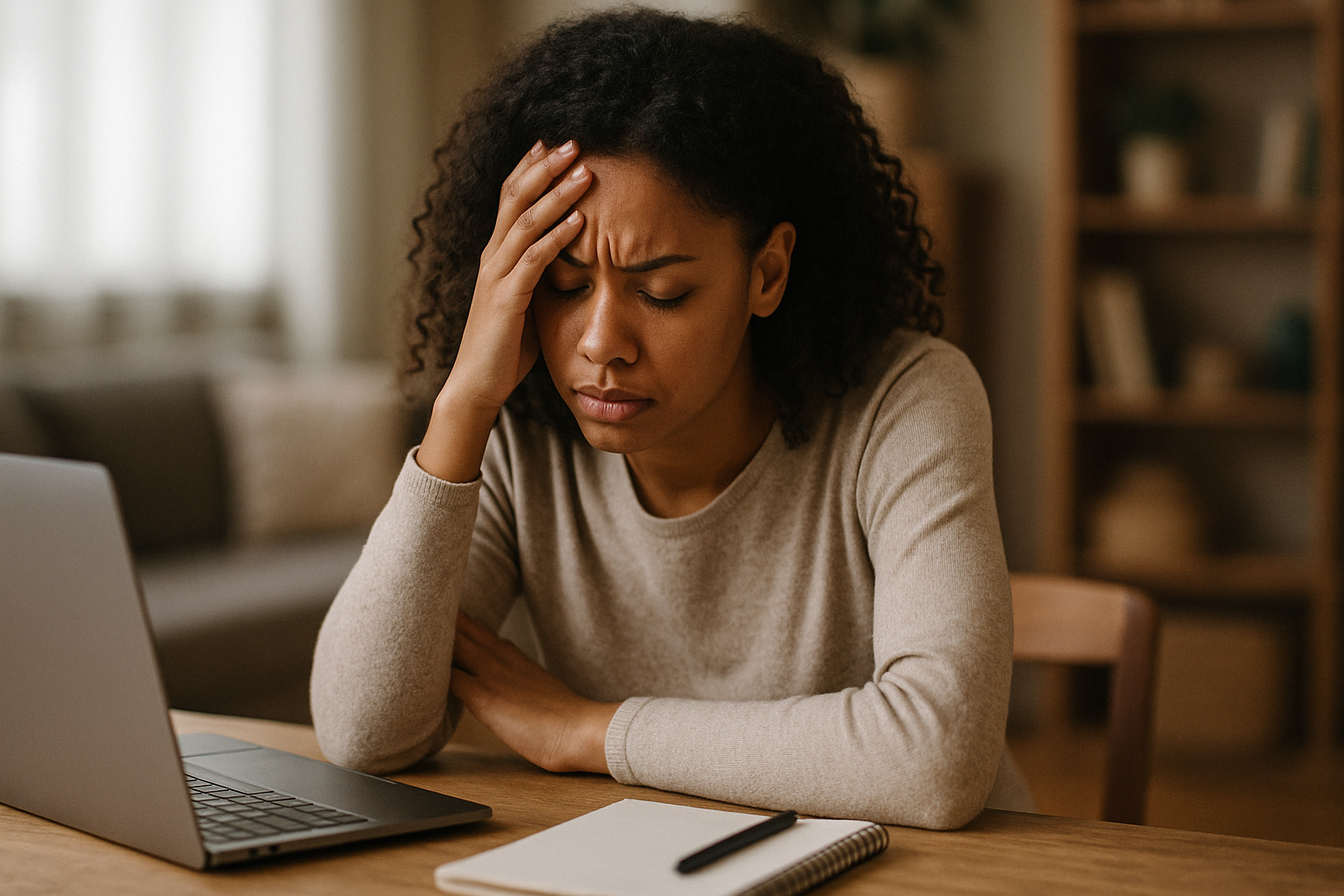
Stress is a normal part of life. Everyone feels it at some point, whether from school, work, relationships, money, or health concerns. Stress can help you react quickly in dangerous situations, but when it lasts too long or feels overwhelming, it can affect your body and mind in many ways. Understanding how stress works can help you notice the signs early and take steps to manage it in healthy ways.
What Stress Is and Why It Happens
Stress is your body’s response to a challenge or demand. When something feels threatening or difficult, your brain sends signals to prepare your body for action. This reaction helped humans survive danger in the past, such as escaping a wild animal or dealing with a sudden crisis.
Today, stress is often caused by non-life-threatening problems. Deadlines, traffic, family responsibilities, social pressure, and constant notifications can all trigger stress. Even positive events, like starting a new job or moving to a new home, can create stress because they require adjustment.
Stress can be short-term or long-term. Short-term stress may last a few minutes or hours. Long-term stress can continue for weeks, months, or even years if the source of stress does not go away.
How the Stress Response Works in the Body
When your brain senses stress, it activates a system called the fight-or-flight response. This starts in a small part of the brain called the amygdala, which processes fear and emotions. The amygdala sends a signal to the hypothalamus, which then communicates with the rest of the body.
Your nervous system releases stress hormones, mainly adrenaline and cortisol. These hormones prepare your body to deal with the situation by making several changes:
- Your heart rate increases to pump more blood.
- Your breathing becomes faster to bring in more oxygen.
- Your muscles tighten to get ready for action.
- Your senses become sharper.
- Your digestion slows down to save energy.
This response can be helpful in short bursts. It can help you focus, react quickly, and stay alert. Problems begin when this response stays turned on for too long.
The Role of Stress Hormones
Adrenaline gives you a quick burst of energy. It increases your heart rate and blood pressure and sends extra blood to your muscles. Cortisol helps control how your body uses sugar, fat, and protein for energy. It also affects your immune system and helps reduce inflammation.
In healthy situations, cortisol levels rise during stress and then return to normal. When stress becomes constant, cortisol can stay high. This can lead to many physical and mental health problems over time.
Short-Term Effects of Stress
Short-term stress can cause noticeable changes in how you feel and act. These effects usually go away once the stressful situation ends.
Physical Effects
- Headaches or tension in the head and neck
- Upset stomach or nausea
- Fast heartbeat
- Sweaty palms
- Shallow breathing
Mental and Emotional Effects
- Feeling nervous or restless
- Trouble concentrating
- Feeling irritable or impatient
- Temporary forgetfulness
These signs are your body’s way of telling you that it is under pressure. Paying attention to them can help you take action before stress builds up.
Long-Term Effects of Chronic Stress
When stress lasts for a long time, it can affect almost every system in your body. Chronic stress means your body stays in a state of alert, even when there is no immediate danger.
Effects on the Brain and Mental Health
Long-term stress can change how the brain works. High cortisol levels can interfere with memory and learning. Stress can make it harder to focus, plan, and make decisions.
Chronic stress is strongly linked to mental health conditions. It can increase the risk of anxiety disorders and depression. People under constant stress may feel hopeless, overwhelmed, or emotionally numb. Stress can also make existing mental health conditions worse.
Effects on the Heart and Blood Vessels
Stress raises blood pressure and heart rate. Over time, this can damage blood vessels and increase the risk of heart disease and stroke. Stress can also lead to unhealthy habits, such as poor eating, smoking, or lack of exercise, which further affect heart health.
Effects on the Immune System
Short-term stress can boost the immune system, but long-term stress weakens it. High cortisol levels reduce the body’s ability to fight infections. This can make you more likely to catch colds or take longer to recover from illness.
Chronic stress can also increase inflammation, which is linked to many diseases, including arthritis and autoimmune conditions.
Effects on Digestion
Stress affects how your digestive system works. It can slow digestion or speed it up, depending on the person. Common stress-related digestive problems include:
- Stomach pain
- Bloating
- Heartburn
- Diarrhea or constipation
Stress can also change your appetite. Some people eat more when stressed, while others lose their appetite.
Effects on Sleep
Stress and sleep are closely connected. Stress can make it hard to fall asleep or stay asleep. Racing thoughts and muscle tension can keep the body awake.
Lack of sleep then increases stress, creating a cycle that is hard to break. Over time, poor sleep can affect mood, memory, and physical health.
Effects on Muscles and Joints
When you are stressed, your muscles tense up to protect you from injury. If this tension continues, it can lead to muscle pain, stiffness, and headaches. Stress can make existing pain conditions worse.
Effects on Skin and Hair
Stress can show up on your skin. It may trigger or worsen conditions like acne, eczema, and psoriasis. Stress can also cause excessive sweating.
In some cases, long-term stress can affect hair growth, leading to thinning or hair loss.
How Stress Affects Behavior
Stress does not only affect how you feel inside. It can change how you act and how you treat others.
- Withdrawing from friends or family
- Increased use of alcohol, caffeine, or nicotine
- Overeating or undereating
- Procrastination or avoiding responsibilities
- Anger or sudden mood changes
These behaviors may seem like ways to cope, but they often increase stress in the long run.
Stress in Children and Teens
Children and teens also experience stress, even if they cannot always explain it. School pressure, social challenges, family changes, and online activity can all be sources of stress.
Signs of stress in young people may include changes in sleep, headaches, stomachaches, irritability, or changes in school performance. Some may become quiet and withdrawn, while others may act out.
Helping young people talk about their feelings and teaching them healthy coping skills can make a big difference.
Workplace Stress and Daily Life
Work is a major source of stress for many adults. Heavy workloads, long hours, job insecurity, and lack of control can all increase stress levels. Stress can also come from balancing work with family and personal responsibilities.
Technology can add to this stress. Constant emails, messages, and alerts can make it hard to relax and disconnect. Feeling like you must always be available can keep your stress response active.
Healthy Ways to Reduce Stress
While you cannot remove all stress from life, you can change how you respond to it. Healthy stress management helps your body return to a calm state.
Physical Activity
Exercise is one of the most effective ways to reduce stress. Movement helps release tension and increases chemicals in the brain that improve mood. You do not need intense workouts. Walking, stretching, dancing, or riding a bike can all help.
Breathing and Relaxation
Slow, deep breathing tells your nervous system that it is safe to relax. Simple breathing exercises, meditation, or gentle yoga can calm the body and mind.
Taking a few minutes each day to be still can lower heart rate and reduce muscle tension.
Healthy Eating
Food affects how your body handles stress. Regular meals help keep blood sugar steady, which supports mood and energy. Eating fruits, vegetables, whole grains, and protein gives your body the nutrients it needs.
Too much sugar or caffeine can increase feelings of anxiety and make stress symptoms worse.
Sleep Habits
Good sleep supports stress recovery. Going to bed at the same time each night, keeping screens out of the bedroom, and creating a calming bedtime routine can improve sleep quality.
Time Management
Feeling rushed or overwhelmed often increases stress. Breaking tasks into smaller steps, setting realistic goals, and taking short breaks can make daily demands feel more manageable.
Social Support
Talking with someone you trust can reduce stress. Friends, family members, and support groups can provide understanding and practical help. Feeling connected reminds you that you are not alone.
Enjoyable Activities
Making time for activities you enjoy helps balance stress. Hobbies, music, reading, or spending time in nature can give your mind a break from worries.
When Stress Becomes a Bigger Problem
Sometimes stress becomes too much to handle alone. If stress interferes with daily life, relationships, or health, professional help can be useful.
Counselors, therapists, and healthcare providers can help identify stress sources and teach coping strategies. Seeking help is a sign of strength and self-care.
Understanding Your Personal Stress Signals
Everyone experiences stress differently. Some people notice physical symptoms first, while others notice changes in mood or behavior. Paying attention to your own stress signals can help you respond earlier.
Keeping a simple journal of stressful events and reactions can help you see patterns. Over time, this awareness makes it easier to choose healthier responses.
Building Daily Habits That Support Calm
Small daily habits can lower overall stress levels. Drinking enough water, taking short movement breaks, and stepping outside for fresh air all support your nervous system.
Reducing constant noise and screen time, even for a short period each day, can help your mind rest. Creating moments of calm throughout the day can prevent stress from building up.
Stress and the Environment Around You
Your surroundings can influence stress. Cluttered or noisy spaces can increase tension, while clean, organized, and quiet spaces can promote calm.
Lighting, temperature, and access to natural light also affect mood and stress levels. Making small changes to your environment can support relaxation.
Learning to Respond Instead of React
Stress often pushes people to react quickly without thinking. Learning to pause and respond can reduce its impact. Taking a moment to breathe before answering a message or making a decision can change the outcome.
Over time, practicing calm responses helps train your body and mind to handle stress more effectively.