
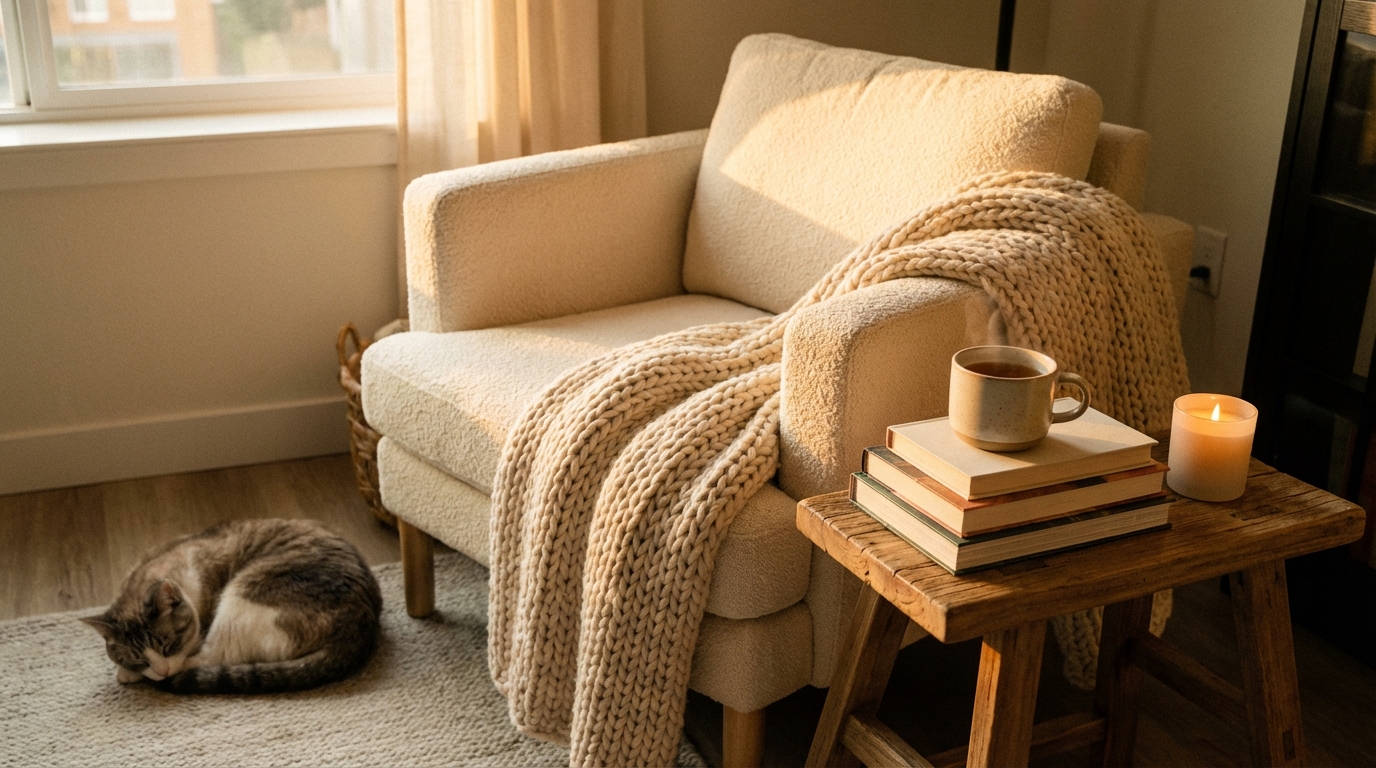
Evenings can feel rushed, noisy, and scattered, especially after a long day of work, school, or responsibilities. A relaxing evening routine helps your body and mind slow down so you can rest better and feel more balanced. Instead of collapsing into the couch or scrolling until bedtime, a thoughtful routine creates a gentle bridge between the busy day and a calm night. This article explains how to build an evening routine that actually helps you unwind, step by step, in a simple and realistic way.
Why evenings matter more than you think
The evening hours set the tone for how well you sleep and how you feel the next day. Stress that stays in your body at night often carries into the morning. A rushed or chaotic evening can lead to poor sleep, low energy, and irritability. On the other hand, calm evenings support deeper rest, better mood, and clearer thinking.
Your body follows rhythms. When evenings are predictable and soothing, your brain learns that it is safe to relax. Over time, this makes falling asleep easier and helps you wake up feeling more refreshed. A relaxing evening routine is not about being perfect. It is about giving yourself steady signals that the day is winding down.
Understanding the transition from day to night
One of the biggest challenges in the evening is the sudden shift from doing to resting. During the day, your brain is focused on tasks, decisions, and problem-solving. At night, it needs time to slow down. Jumping straight from work emails to bed often leaves your mind racing.
A good evening routine includes transition time. This is a period when you move from high-energy activities to low-energy ones. The transition can be short or long depending on your schedule, but it should feel different from the rest of the day. Even small changes, like changing clothes or dimming lights, can signal that the day is ending.
Setting a consistent evening schedule
Consistency helps your body relax faster. When you do similar activities at similar times each night, your brain begins to expect rest. This does not mean your evenings must be rigid. It means having a general flow that repeats most nights.
Choosing a realistic bedtime
A relaxing evening routine starts with knowing when you want to be asleep. Choose a bedtime that fits your life, not one that sounds ideal but never happens. Count backward from that time to plan your evening activities. If you want to sleep at 10:30 p.m., your routine might begin around 8:30 or 9:00 p.m.
Trying to force an early bedtime without changing your evening habits often leads to frustration. A realistic bedtime makes it easier to build habits that stick.
Creating simple transition rituals
Rituals are small actions you repeat each night. They help mark the end of the day. Examples include washing your face, making a cup of tea, or changing into comfortable clothes. These actions do not need to be fancy or time-consuming.
The key is repetition. When you do the same calming actions each night, your body begins to relax automatically. Over time, these rituals become powerful signals for rest.
Creating healthy digital boundaries
Screens are one of the biggest obstacles to a relaxing evening. Phones, tablets, and TVs stimulate the brain and keep it alert. Bright light and constant information make it harder to unwind.
Setting a screen curfew
A screen curfew is a time when you stop using devices with bright screens. This might be 30 minutes or an hour before bed. During this time, choose activities that do not involve scrolling or watching.
If stopping all screens feels impossible, start small. Reduce social media or news first, since these tend to increase stress. Over time, you may notice that your mind feels quieter without constant input.
Managing notifications and alerts
Even if you use your phone in the evening, managing notifications can make a big difference. Turn off non-essential alerts or use a focus mode. This reduces sudden interruptions that keep your brain alert.
Knowing that messages and updates can wait until morning allows your nervous system to relax. You are giving yourself permission to rest.
Designing a calming evening environment
Your surroundings strongly affect how you feel. A relaxing evening routine works best in an environment that feels safe, comfortable, and calm.
Using soft lighting
Bright overhead lights signal daytime. In the evening, softer lighting helps your body prepare for sleep. Use lamps, warm-colored bulbs, or dimmers if possible.
Lower light levels tell your brain that night is approaching. This supports natural sleep hormones and helps you feel more relaxed.
Adjusting temperature for comfort
Most people sleep better in a slightly cooler environment. As evening arrives, consider lowering the temperature a bit or opening a window if weather allows.
Comfort is personal, so pay attention to what feels best for your body. Being too hot or too cold can create tension and disrupt relaxation.
Managing noise and sound
Noise can either relax or stimulate. Loud or sudden sounds keep your nervous system alert. In the evening, aim for quieter surroundings.
Soft music, white noise, or nature sounds can help block distractions. Silence also works well for many people. Choose sounds that feel calming rather than energizing.
Using scent to signal relaxation
Smell is closely linked to memory and emotion. Gentle scents like lavender, chamomile, or sandalwood are often associated with relaxation.
You can use candles, essential oil diffusers, or scented lotions. Keep scents light, not overpowering. Over time, your brain may begin to associate these smells with rest.
Body-based practices to release tension
Stress often lives in the body. A relaxing evening routine should include ways to release physical tension built up during the day.
Gentle movement and stretching
Even light movement can help your body relax. Gentle stretching, slow yoga, or an easy walk can release tight muscles. Avoid intense workouts close to bedtime, as they can increase alertness.
Focus on slow, comfortable movements. Pay attention to how your body feels rather than pushing for performance.
Breathing to calm the nervous system
Slow breathing is one of the simplest ways to relax. Deep breaths signal safety to your nervous system. Try breathing in through your nose and out through your mouth, slowly and evenly.
Even five minutes of calm breathing can reduce stress. This practice is especially helpful if your mind feels busy or anxious in the evening.
Warm baths or showers
Warm water relaxes muscles and can be very soothing at night. A bath or shower can also serve as a clear transition from day to evening.
After you step out, your body temperature drops slightly, which can help signal sleep readiness. Keep the experience calm and unhurried.
Evening nutrition and calming drinks
What you eat and drink in the evening affects how you feel at night. Heavy or stimulating choices can interfere with relaxation.
Timing dinner for comfort
Eating dinner too late or too heavily can make it hard to relax. Aim to finish your main meal a few hours before bedtime if possible.
Choose foods that feel nourishing but not overly rich. Everyone’s digestion is different, so notice what helps you feel comfortable.
Being mindful with caffeine and alcohol
Caffeine can stay in your system for many hours. Even afternoon coffee may affect evening relaxation for some people. Pay attention to how your body responds.
Alcohol may feel relaxing at first, but it can disrupt sleep later in the night. If you drink in the evening, keeping amounts small can help protect rest.
Choosing calming drinks and light snacks
Warm, non-caffeinated drinks can be comforting in the evening. Herbal teas are a popular choice. Warm milk or simple broths can also feel soothing.
If you need a snack, choose something light and easy to digest. Eating slowly and mindfully supports relaxation.
Quiet activities for the mind
Your mind needs gentle activities in the evening, not intense stimulation. Choosing the right mental focus helps thoughts slow down.
Journaling to clear the mind
Writing can help release thoughts that keep circling in your head. A few minutes of journaling allows you to put worries on paper instead of carrying them to bed.
You can write about your day, your feelings, or anything on your mind. There are no rules. The goal is expression, not perfection.
Reading for pleasure
Reading can be deeply relaxing when the material is calm and enjoyable. Choose books that feel comforting rather than intense or stressful.
Paper books or e-readers with warm lighting are often easier on the eyes than bright screens.
Creative hobbies with low pressure
Gentle creative activities like drawing, knitting, or coloring can calm the mind. These hobbies keep your hands busy while allowing your thoughts to settle.
Avoid turning hobbies into tasks with goals or deadlines in the evening. Keep the focus on enjoyment.
Emotional decompression after a long day
Emotions from the day do not disappear on their own. A relaxing evening routine includes space to acknowledge and release them.
Processing the day in small ways
You do not need to analyze everything that happened. Simply noticing how you feel can be enough. Ask yourself what was challenging and what felt okay.
Giving emotions a little attention often prevents them from showing up as tension or racing thoughts at night.
Simple gratitude practices
Gratitude does not mean ignoring problems. It means noticing small positive moments. In the evening, you might think of one or two things that went well.
This practice can gently shift your mood and help your mind settle into a calmer state.
Light planning for the next day
Worrying about tomorrow often disrupts relaxation. Light planning can help without creating stress.
Making a short to-do list
Writing down a few key tasks for the next day can free your mind. Keep the list short and realistic.
Once tasks are written down, you may find it easier to let go of them for the night.
Preparing small things in advance
Simple preparation can reduce morning stress. This might include laying out clothes, packing a bag, or setting up breakfast items.
These small actions can create a sense of control and ease that supports relaxation.
Considering family and social life
Evening routines often involve other people. Flexibility and communication help routines work in shared spaces.
Evening routines with children
Children benefit from calming routines just like adults. Predictable evening activities help them feel safe and ready for sleep.
Quiet play, reading together, and consistent bedtimes support a calmer household overall.
Sharing space with partners or roommates
Different people relax in different ways. Talking about evening needs can reduce conflict. Agreeing on quiet times, lighting, or noise levels can help everyone unwind.
Compromise and understanding make shared routines more peaceful.
Adapting your routine to your lifestyle
No single evening routine works for everyone. Your schedule, energy level, and responsibilities matter.
Evenings for shift workers
If you work late or overnight shifts, your evening may happen at a different time. The same principles still apply. Create a consistent wind-down period before sleep, even if it is in the morning.
Control light, noise, and routines to signal rest to your body.
Parents with limited free time
Parents often have little time alone in the evening. Even short moments of calm can help. A five-minute breathing exercise or a quiet cup of tea can make a difference.
Small routines are still routines when done consistently.
Students and busy schedules
Homework and studying often fill evenings for students. Building short breaks for relaxation helps prevent burnout.
Switching from study mode to rest mode with clear rituals supports better sleep and focus.
Common obstacles and gentle adjustments
Even the best routines face challenges. Adjusting without judgment keeps the routine sustainable.
Handling very busy evenings
Some nights are full and unpredictable. On these evenings, focus on one calming action instead of the full routine.
Consistency over time matters more than perfection every night.
Managing travel and schedule changes
Travel disrupts routines, but familiar elements can travel with you. Bringing a favorite book, tea, or scent can provide comfort.
Keeping one or two core habits helps maintain a sense of calm.
Staying flexible when motivation is low
Some evenings you may not feel like doing any routine at all. On these nights, choose the easiest option available.
A relaxing evening routine grows stronger through kindness and patience, not pressure.