
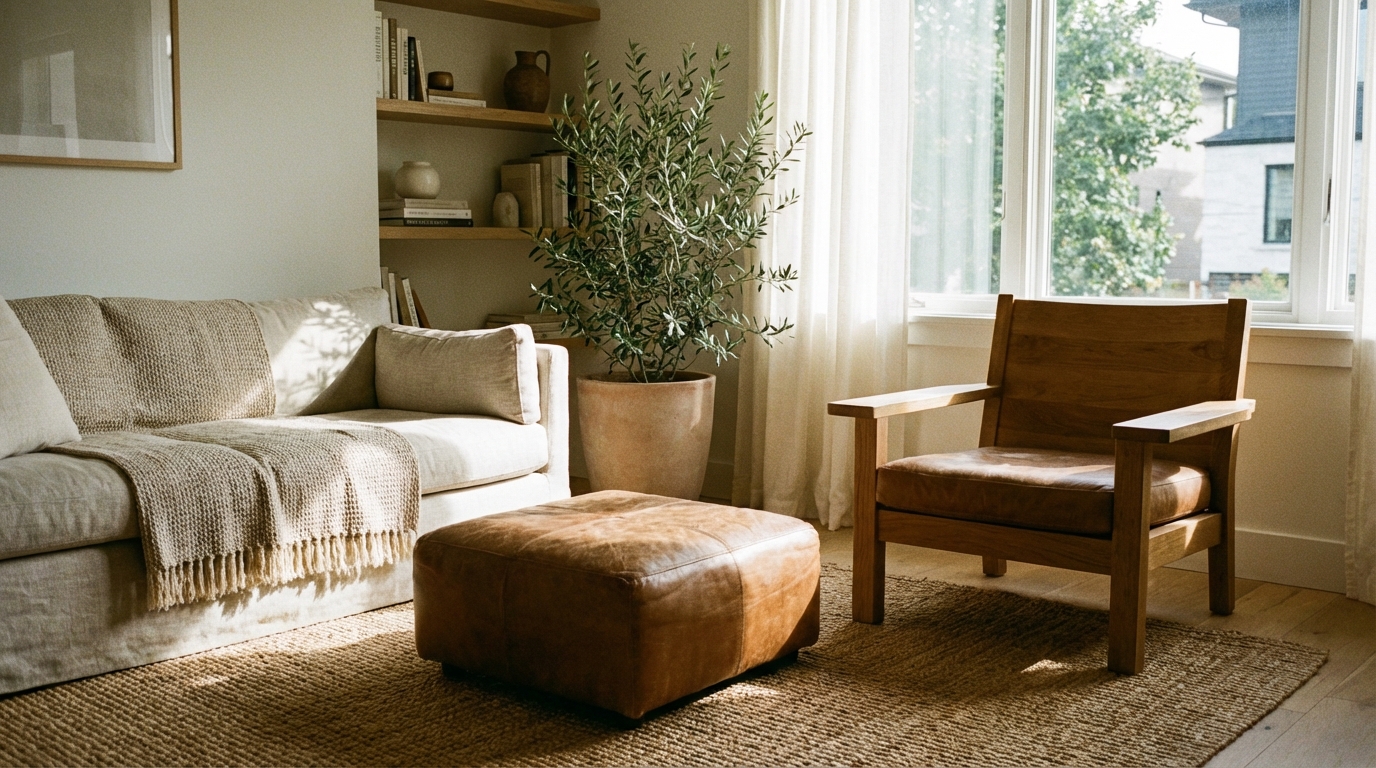
Designing spaces that age well is about making thoughtful choices that still feel right many years from now. Homes change as people change. Families grow, tastes shift, bodies age, and technology evolves. A space that ages well can handle all of that without needing constant major updates. This approach is not about playing it safe or avoiding personality. It is about balance, flexibility, and understanding how materials, layouts, and details behave over time.
Thinking Long-Term From the Start
Good long-term design begins before any materials are chosen. It starts with asking how a space will be used not just today, but five, ten, or twenty years from now. A young couple may later have children. A busy family home may become quieter. A home office might become a guest room or hobby space.
Spaces that age well are designed with change in mind. This does not mean designing bland rooms. It means avoiding decisions that lock a room into a single purpose or trend. When walls, doorways, and built-ins are placed carefully, rooms can adapt without expensive remodeling.
It also helps to think about physical needs over time. Wider walkways, fewer level changes, and good lighting make homes easier to live in at any age. Even if these features are not needed now, they add long-term comfort and value.
Choosing Layouts That Stay Useful
Layout is one of the hardest things to change later, so it deserves extra attention. A good layout supports daily routines without feeling cramped or awkward. Rooms should have clear paths for movement and enough wall space for furniture.
Open floor plans can age well when they are balanced. Completely open spaces can feel noisy and chaotic over time, while overly closed layouts may feel dark and disconnected. Using partial walls, wide doorways, or sliding doors can create flexible separation. This allows rooms to feel open when needed and private when desired.
Hallways and transition spaces are often overlooked. When designed well, they add storage, display space, or seating. When ignored, they become wasted square footage. Thoughtful transitions help a home feel calm and organized year after year.
Room Proportions Matter
Rooms that are too large can feel empty, while rooms that are too small limit furniture choices. Balanced proportions make it easier to rearrange furniture as needs change. A bedroom that can fit different bed sizes or a living room that allows multiple seating layouts will stay useful longer.
Timeless Materials That Improve With Age
Materials play a huge role in how a space ages. Some materials look better with wear, while others show damage quickly. Natural materials often age more gracefully because small marks and changes add character instead of looking worn out.
Wood, stone, clay, and metal tend to develop patina over time. This natural aging can make a space feel warm and lived-in. Engineered materials can also work well when chosen carefully, especially in high-use areas where durability matters most.
It is also important to think about how materials feel, not just how they look. Floors that feel comfortable underfoot, surfaces that are easy to clean, and finishes that do not require constant upkeep will remain enjoyable longer.
Flooring Choices That Last
Floors take more abuse than almost any other surface. Choosing the right flooring is key to long-term design. Hardwood floors can be refinished and often look better as they age. Tile works well in areas with moisture and heavy traffic. Quality vinyl and laminate have improved greatly and can be good options when durability and budget are concerns.
Very trendy floor patterns or colors may feel exciting at first but can become dated quickly. Neutral tones with subtle variation tend to have a longer lifespan. Area rugs can be used to add color and style without committing permanently.
Colors That Age Gracefully
Color choices have a strong emotional impact on a space. When thinking long-term, it helps to separate permanent elements from changeable ones. Walls, floors, and large fixtures should be in colors that can support many styles over time.
Soft neutrals, warm whites, and natural tones tend to age well. This does not mean everything must be beige or gray. Muted blues, greens, and earth tones can also be long-lasting when used thoughtfully.
Bold colors can still have a place, especially in areas that are easy to update. Accent walls, furniture, artwork, and textiles allow personality to shine without locking the space into a specific look forever.
Understanding Light and Color Together
Natural and artificial light change how colors appear. A color that looks warm and welcoming in one room may feel cold in another. Testing colors in different lighting conditions helps prevent regret later.
Spaces that age well usually have layered lighting. This includes ambient lighting for general use, task lighting for specific activities, and accent lighting for mood. Good lighting can refresh a space even when everything else stays the same.
Furniture That Grows With You
Furniture is one of the easiest elements to change, but good pieces can last decades. When selecting furniture for a long-lasting home, comfort and quality should come before trends.
Well-made furniture with classic shapes tends to outlast fashionable designs. Simple silhouettes can adapt to different styles as accessories and colors change. This allows a home to feel fresh without replacing major pieces.
Modular furniture is another smart choice. Sofas that can be reconfigured, tables with leaves, and shelving systems that expand over time help rooms adapt to new needs.
Scale and Flexibility
Furniture that is too large can overwhelm a space and limit future layouts. Choosing pieces that fit the room well allows for easier changes later. Lightweight furniture is easier to move and rearrange, which supports flexibility.
Storage furniture that serves multiple purposes, such as benches with hidden storage or beds with drawers, helps keep spaces organized as life gets busier.
Kitchens Designed for the Long Run
Kitchens are one of the most expensive rooms to remodel, so designing them to age well is especially important. A good kitchen layout focuses on workflow, storage, and durability.
Cabinet styles that are simple and well-proportioned tend to stay appealing longer than highly decorative designs. Flat-panel or lightly detailed doors are easier to update with new hardware or paint.
Countertop materials should balance beauty and function. Surfaces that resist heat, stains, and scratches will stay attractive with daily use. Backsplashes are a great place to add personality because they are easier to change than cabinets or counters.
Appliances and Technology
Appliances change quickly, so designing kitchens that can accommodate future upgrades is wise. Standard-sized appliance openings make replacements easier. Built-in technology should be planned carefully to avoid feeling outdated too soon.
Plenty of outlets, good ventilation, and flexible lighting make kitchens more adaptable over time.
Bathrooms That Stay Comfortable and Stylish
Bathrooms benefit from simple, clean designs that focus on comfort. Like kitchens, they are costly to change, so timeless choices are key.
Neutral tile in classic shapes often ages better than bold patterns. Larger tiles can make small bathrooms feel bigger and reduce grout lines, which are harder to keep clean over time.
Comfort features such as good lighting, non-slip floors, and easy-to-use fixtures add value at any age. Walk-in showers, sturdy grab bars that double as towel bars, and ample storage support long-term use without looking clinical.
Storage That Adapts Over Time
Storage needs change as lifestyles change. A home that ages well includes storage that can evolve. Adjustable shelving, modular closets, and multi-use cabinets allow spaces to shift as needed.
Built-in storage should be designed with flexibility in mind. Avoid overly specific compartments that only fit one type of item. Open shelves combined with closed storage offer both display and concealment options.
Well-planned storage reduces clutter, which helps a home feel calm and inviting for many years.
Designing With Maintenance in Mind
Even the most beautiful space can feel tiring if it requires constant maintenance. Choosing finishes and materials that are easy to care for helps a home age gracefully.
Washable paint, durable fabrics, and stain-resistant surfaces make everyday life easier. Outdoor materials that resist weathering reduce the need for frequent repairs.
It is also helpful to keep track of finishes and materials used in the home. This makes future repairs or updates simpler and more consistent.
Adapting to New Technology
Technology changes quickly, but homes can be designed to handle those changes. Planning for extra wiring, conduit, or access panels allows for future upgrades without major disruption.
Smart home features should enhance comfort and efficiency without taking over the design. Systems that can be updated or replaced independently will age better than built-in tech that becomes obsolete.
Simple, intuitive controls tend to remain useful longer than complex systems that require constant updates.
Sustainability and Long-Term Value
Sustainable design supports long-lasting spaces. Energy-efficient windows, good insulation, and durable materials reduce long-term costs and environmental impact.
Using quality materials often means fewer replacements over time. This not only saves money but also keeps a home feeling consistent and well cared for.
Designing with sustainability in mind also means choosing items that can be repaired rather than replaced. This mindset supports longevity in both design and lifestyle.
Avoiding Common Design Choices That Age Poorly
Some design choices tend to date a space quickly. Extremely bold trends, overly themed rooms, and highly specific finishes can lose appeal fast.
Over-customization is another common issue. While personalization is important, making features too specific to one person’s habits can limit future use. Balance personal touches with adaptable design.
Ignoring scale, light, and function in favor of appearance often leads to regret. Spaces that look good in photos but do not work well day to day rarely age gracefully.
Letting Spaces Evolve Naturally
A home that ages well is allowed to evolve. Artwork changes, furniture moves, and small updates refresh the space. The underlying design supports these changes instead of fighting them.
Designing for longevity is not about freezing a home in time. It is about creating a strong foundation that welcomes growth and change while still feeling comfortable and familiar.
When spaces are designed with care, patience, and a focus on real life, they gain character instead of losing appeal. Over time, these spaces tell a story that feels authentic, functional, and lasting.