
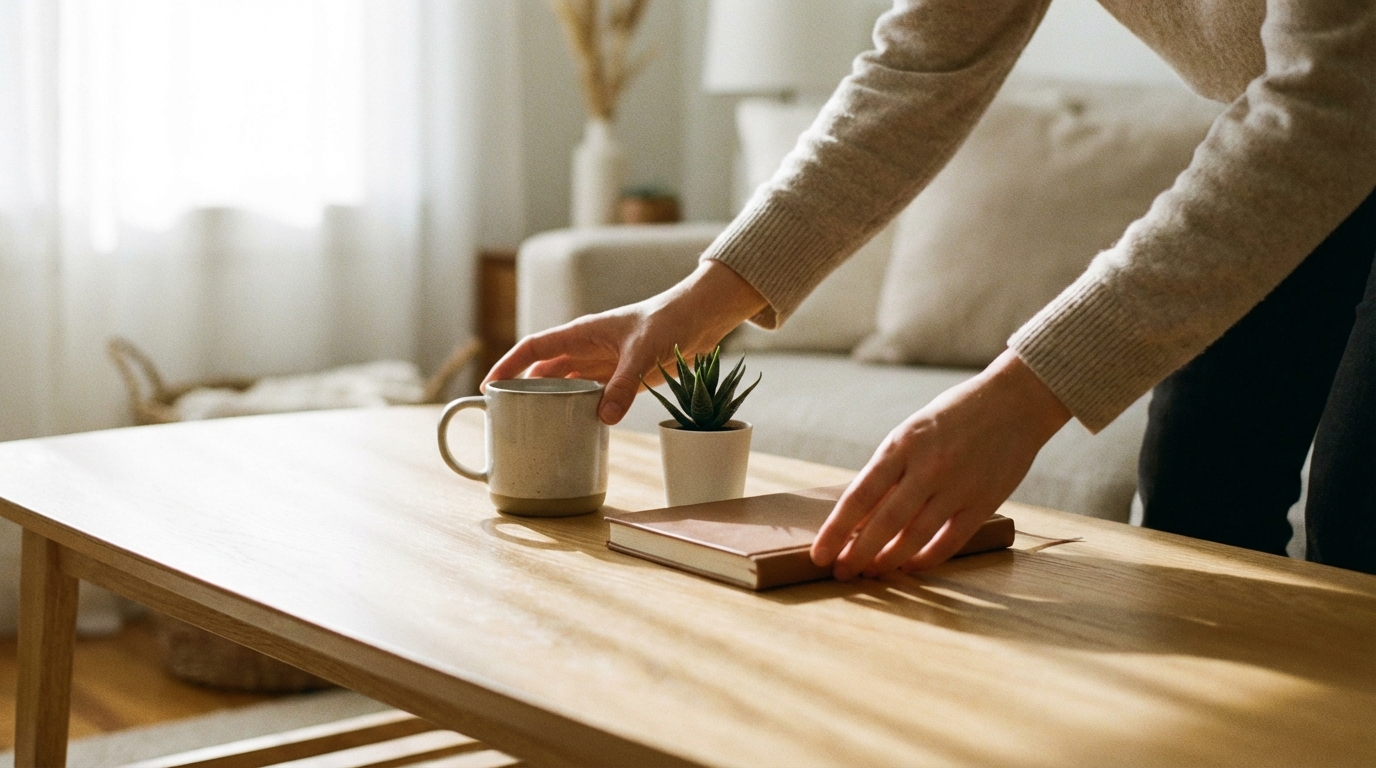
Keeping surfaces clutter-free is one of the simplest ways to make a home feel calm, clean, and easy to live in. Surfaces include countertops, tables, desks, shelves, dressers, and even the tops of appliances. These flat areas attract items quickly because they are convenient places to set things down. Over time, a few items can turn into piles that feel overwhelming. Learning how to prevent daily mess on surfaces does not require extreme minimalism or hours of cleaning. It depends on small habits, smart storage, and clear routines that fit into everyday life.
Why Surfaces Attract Clutter So Easily
Flat surfaces act like magnets for objects. When you walk into a room carrying items, the nearest surface often becomes a temporary landing spot. Mail, keys, phones, bags, toys, and dishes all end up on tables and counters because it feels faster than putting them away properly.
Another reason surfaces fill up is decision fatigue. At the end of a long day, choosing where something belongs can feel tiring. It feels easier to say, “I’ll deal with it later,” and leave the item out. When this happens repeatedly, clutter builds up without notice.
Understanding this behavior helps you create systems that work with your habits instead of against them. The goal is not perfection, but making the easiest choice also be the neatest choice.
Define the Purpose of Each Surface
One of the most effective ways to prevent clutter is to decide what each surface is meant for. When a surface has no clear purpose, it becomes a catch-all.
Assign a Main Function
Every surface should have one main job. A kitchen counter might be for food prep. A coffee table might be for drinks and books you are currently reading. A desk might be for work or school tasks only.
When an item does not support the surface’s main function, it is a sign that it does not belong there. This simple rule helps you make quick decisions throughout the day.
Limit Secondary Uses
Some surfaces can handle one or two secondary uses, but too many create confusion. For example, a kitchen island might also hold a fruit bowl or a small appliance you use daily. Adding mail, bags, and random papers on top of that makes the space harder to use.
By limiting secondary uses, you protect the surface from becoming overcrowded.
Reduce What Lives on Surfaces Permanently
Many surfaces feel cluttered because too many items are meant to stay there all the time. Reducing these permanent items creates breathing room and makes cleaning easier.
Edit Decorative Items
Decor adds personality, but too much decor turns into visual clutter. Choose a few meaningful or useful decorative pieces and remove the rest. For example, instead of five candles on a dresser, keep one or two that you actually enjoy.
Leaving empty space is not a failure. Empty space gives the eye a place to rest and makes your home feel more open.
Store Rarely Used Items Elsewhere
If something is not used daily or weekly, it probably does not need to live on a surface. Small appliances, extra containers, and specialty tools can often be stored in cabinets or closets.
Ask yourself how often you truly use each item. If the answer is “once in a while,” it likely belongs off the surface.
Create Drop Zones with Clear Boundaries
People need places to set things down. Instead of fighting this habit, guide it by creating intentional drop zones.
Use Trays and Baskets
Trays and baskets give items a clear boundary. When keys, wallets, and sunglasses land in a tray, they feel organized even though they are out in the open.
These containers also make it obvious when clutter is building. When a tray is full, it is a signal to sort and remove items that do not belong.
Keep Drop Zones Small
A drop zone should be just big enough for the items it is meant to hold. Oversized baskets encourage piling. Smaller containers force you to be selective.
This works especially well near entryways, on nightstands, and on desks.
Develop a Daily Surface Reset Habit
One of the strongest habits for clutter-free surfaces is a daily reset. This does not mean deep cleaning. It is a short routine to return surfaces to their intended state.
Choose a Consistent Time
Pick a time that fits naturally into your day, such as after dinner or before bed. Doing the reset at the same time every day makes it automatic.
Even five to ten minutes can make a huge difference.
Focus Only on Visible Areas
During a reset, focus on clearing off surfaces, not organizing drawers or closets. Put items back where they belong, toss trash, and stack or file papers.
This keeps the task short and prevents it from feeling overwhelming.
Use Vertical Space to Protect Flat Space
When flat surfaces are cluttered, it often means there is not enough storage nearby. Vertical storage can solve this problem.
Wall-Mounted Shelves and Hooks
Hooks are perfect for bags, hats, and jackets that otherwise end up on chairs or tables. Shelves can hold books, plants, or bins, freeing up tables and counters.
Using walls wisely keeps items accessible without taking over flat areas.
Drawer Dividers and Organizers
When drawers are messy, people tend to leave items on top instead of putting them away. Dividers make drawers easier to use, encouraging items to be stored out of sight.
This is especially helpful in kitchens, bathrooms, and desks.
Create Simple Rules for Paper
Paper clutter is one of the biggest challenges for keeping surfaces clear. Mail, school papers, and receipts pile up quickly.
Sort Paper Immediately
As soon as paper enters the house, sort it. Trash and recycling should be handled right away. Important papers should go into a designated folder or file.
Letting paper sit “for later” is one of the fastest ways to clutter surfaces.
Limit Active Paper Piles
Try to have only one active paper pile in the home, such as a folder or inbox tray. This keeps papers contained and easier to manage.
When the pile gets full, it is time to process it instead of starting a new stack on a table.
Be Honest About What You Use Daily
Many items stay on surfaces because we think we use them more than we actually do. Being honest about daily habits helps reduce clutter.
Track Usage for One Week
For one week, pay attention to what you truly use on each surface. You may notice that some items never get touched.
After the week, remove or relocate items that were not used.
Keep Only the Current Version
Surfaces often hold outdated items, such as old planners, expired coupons, or finished notebooks. Keeping only what is current prevents unnecessary clutter.
This practice works well for desks, kitchen counters, and nightstands.
Make Putting Things Away Easier Than Leaving Them Out
If putting something away feels hard, it will stay on the surface. The key is to reduce friction.
Store Items Near Where They Are Used
Items should live close to where you use them. If cleaning supplies are far from the kitchen, they may end up on the counter instead of being stored.
When storage is convenient, putting things away becomes the natural choice.
Avoid Overfilled Storage
When cabinets and drawers are too full, it is difficult to put things back. This leads to surface clutter.
Leaving some empty space in storage makes daily tidying easier.
Manage Shared Surfaces with Clear Agreements
Shared surfaces, such as family tables and bathroom counters, are often the hardest to keep clutter-free.
Set Simple Household Guidelines
Agree on basic rules, such as no personal items left on the dining table or bathroom counter overnight. Keep the rules few and clear.
These guidelines work best when everyone understands why they exist.
Give Each Person a Personal Container
If multiple people use the same space, give each person a small bin or basket for their items. This prevents spreading clutter across the surface.
Personal containers can be stored on shelves or in cabinets when not in use.
Adjust Expectations for Different Rooms
Not all rooms need the same level of surface emptiness. Adjusting expectations helps reduce frustration.
High-Use Rooms
Kitchens and entryways are high-use areas. A small amount of controlled clutter may be realistic. Focus on keeping these areas functional rather than perfect.
Clear prep areas and walking paths matter more than total emptiness.
Low-Use Rooms
Guest rooms and formal spaces can usually stay more clutter-free because they are used less often. These rooms are good places to practice keeping surfaces mostly clear.
Success here can motivate you to improve other areas.
Use Visual Cues to Guide Behavior
Visual cues remind you how a space should look and feel.
Keep One Area Always Clear
Choose one small surface to keep completely clear at all times, such as part of the kitchen counter or a nightstand.
This clear area becomes a visual reminder of how calm the space can feel.
Notice How Clutter Affects Your Mood
Pay attention to how cluttered surfaces make you feel compared to clear ones. This awareness can motivate you to maintain habits that prevent mess.
Emotional feedback is a powerful tool for behavior change.
Plan for Busy Seasons and Life Changes
Clutter habits often change during busy times like holidays, school seasons, or major life events.
Temporary Systems for Temporary Clutter
During busy periods, create temporary systems, such as a homework bin or a holiday mail basket. These keep clutter contained until life slows down.
Knowing the system is temporary reduces stress.
Revisit Surface Rules Regularly
As routines change, surfaces may need new rules. A work-from-home setup, for example, may require rethinking desk and table use.
Flexibility helps keep systems realistic and effective.
Teach Children Simple Surface Habits
Children can learn to respect surfaces with clear, age-appropriate habits.
Use Simple Language and Examples
Explain that tables are for eating and desks are for homework. Keep instructions short and clear.
Showing children what a clear surface looks like helps them understand expectations.
Make Cleanup Part of Transitions
Have children clear surfaces when switching activities, such as before dinner or bedtime. This ties cleanup to existing routines.
Over time, this becomes a natural habit.
Handle Digital Clutter That Leads to Physical Clutter
Digital clutter often creates physical clutter, especially when emails and notifications turn into printed papers and notes.
Reduce Unnecessary Printouts
Whenever possible, keep information digital. Use apps or digital folders instead of printing emails and schedules.
This reduces the flow of paper onto surfaces.
Set Digital Reminders Instead of Sticky Notes
Sticky notes can quickly take over desks and counters. Using phone reminders or digital calendars keeps surfaces clear.
This shift also makes reminders easier to manage.
Recognize Progress Without Perfection
Keeping surfaces clutter-free is an ongoing process. There will be days when surfaces get messy, and that is normal.
Progress shows up when clutter is cleared faster and does not linger for days. When surfaces return to their intended purpose more often than not, the system is working.
By focusing on small habits, clear rules, and realistic expectations, clutter-free surfaces become part of daily life rather than a constant struggle.