
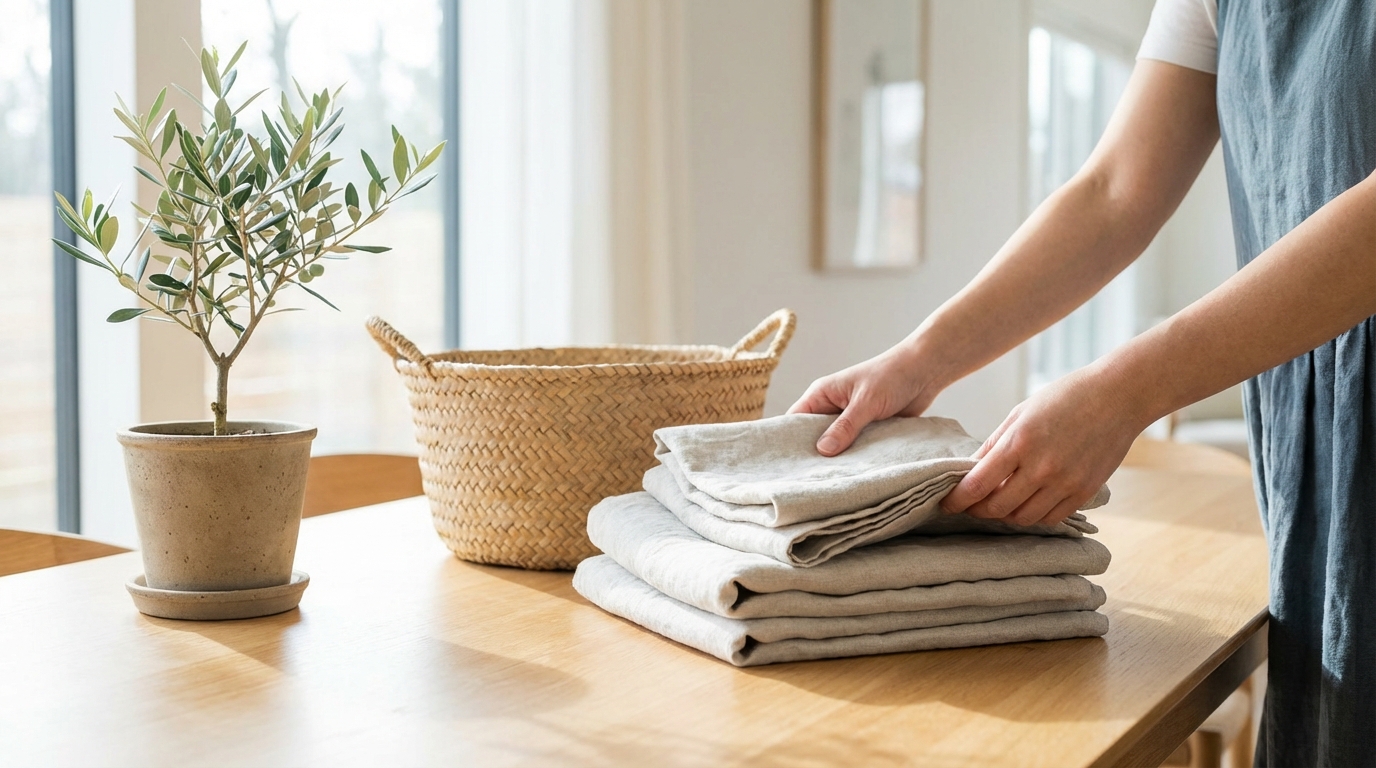
Keeping a home clean can feel overwhelming when time is limited. Between work, school, family, and personal needs, cleaning often falls to the bottom of the list. The good news is that a clean home does not require hours of scrubbing every day. With smart habits, simple systems, and realistic expectations, you can keep your home tidy and comfortable with minimal time and stress. This article focuses on efficient cleaning strategies that fit into busy household routines and help maintain order without taking over your life.
Understanding What “Clean” Really Means
Before diving into strategies, it helps to rethink what a clean home means. A clean home does not have to be spotless or look like a magazine photo. Instead, it should feel comfortable, safe, and functional. When you focus on cleanliness that supports daily living, you can let go of perfection and save time.
For busy households, clean often means surfaces are clear, floors are safe to walk on, dishes are under control, and clutter is limited. Dust-free shelves or perfectly organized closets are nice, but they are not always necessary. By choosing practical standards, you reduce pressure and make cleaning easier to manage.
Building a Cleaning Mindset That Saves Time
Clean a Little, Often
One of the biggest time-saving principles is cleaning in small amounts throughout the day. Short cleaning sessions prevent messes from building up and becoming overwhelming. Five minutes here and there can make a big difference over time.
For example, wiping the bathroom sink after brushing your teeth or clearing the kitchen counter while waiting for coffee to brew keeps dirt and clutter from piling up. These small actions take very little effort but save you from longer cleaning sessions later.
Focus on Habits, Not Motivation
Motivation comes and goes, especially when life is busy. Habits, on the other hand, can run on autopilot. When cleaning becomes part of your routine, it requires less mental energy.
Link cleaning habits to activities you already do. This is sometimes called habit stacking. For example, you might unload the dishwasher right after breakfast or sweep the kitchen floor after dinner. Over time, these habits feel natural and require less thought.
Accept “Good Enough”
Perfection slows you down. When you aim for “good enough,” cleaning becomes faster and less stressful. This does not mean ignoring messes, but it does mean knowing when to stop.
If the floor looks clean at a glance, you do not need to get on your hands and knees every day. If the bed is made enough to look neat, it does not need to be perfect. Saving time often means knowing when to move on.
Decluttering as a Time-Saving Tool
Why Less Stuff Means Less Cleaning
The more items you have, the more you have to clean, organize, and maintain. Decluttering reduces the number of surfaces that collect dust and the amount of time spent moving items just to clean around them.
Busy households benefit greatly from fewer possessions. When everything has a purpose and a place, tidying up takes minutes instead of hours.
Simple Decluttering Methods for Busy People
You do not need to declutter your entire home in one weekend. Instead, work in small, manageable steps. Focus on one drawer, one shelf, or one category at a time.
- Remove items you no longer use or enjoy.
- Donate or recycle items in good condition.
- Throw away broken or unusable items.
Set a timer for 10 or 15 minutes and stop when the timer ends. Even short sessions can lead to big changes over time.
Creating Easy Storage Systems
Storage should make life easier, not harder. Choose simple storage solutions that fit your lifestyle. Open bins, baskets, and labeled containers help everyone in the household know where things belong.
Avoid complicated systems that require extra steps. If it takes too long to put something away, it will likely end up on a counter or chair. The goal is to make tidying fast and easy.
Daily Cleaning Tasks That Take 15 Minutes or Less
Kitchen Maintenance
The kitchen is often the busiest room in the house and can get messy quickly. Daily attention keeps it under control.
- Load or unload the dishwasher once a day.
- Wipe down counters after meals.
- Do a quick sink rinse before bed.
These tasks usually take just a few minutes but prevent grease, crumbs, and dishes from building up.
Bathroom Upkeep
Bathrooms can stay clean with quick daily habits. Keeping cleaning supplies within reach makes it easier to act right away.
- Wipe the sink and faucet after use.
- Do a quick toilet bowl scrub every few days.
- Hang towels properly to dry.
These small steps reduce the need for deep cleaning sessions.
Living Areas
Living rooms and family rooms collect clutter from daily activities. A fast reset at the end of the day helps keep these spaces inviting.
- Return items to their proper places.
- Fluff pillows and fold blankets.
- Clear coffee tables and side tables.
This routine can often be done in under 10 minutes and makes a big visual difference.
Weekly Cleaning Routines That Actually Work
Breaking Tasks Into Chunks
Instead of cleaning the whole house in one long session, break tasks into smaller chunks spread throughout the week. This approach reduces burnout and fits better into busy schedules.
For example, you might clean bathrooms on one day, vacuum floors on another, and dust on a third day. Each session can be 20 to 30 minutes long.
Using a Flexible Schedule
A flexible cleaning schedule adapts to your life. If you miss a day, you can catch up later without guilt. The goal is consistency over time, not strict rules.
Some people prefer themed days, such as laundry day or floor day. Others prefer assigning one room per day. Choose a system that feels natural and sustainable.
Keeping Supplies Ready
Having cleaning supplies easily available saves time. Store basic supplies in the rooms where you use them. For example, keep bathroom cleaner under the sink and a small vacuum nearby.
When supplies are within reach, you are more likely to clean spills and messes right away.
Smart Cleaning Tools That Save Time
Choosing the Right Tools
The right tools can cut cleaning time in half. You do not need many gadgets, but a few reliable tools can make a big difference.
- A lightweight vacuum for quick cleanups.
- Microfiber cloths for dusting and wiping.
- An all-purpose cleaner for most surfaces.
Choose tools that are easy to use and store. If a tool is heavy or hard to set up, it may go unused.
Using Technology Wisely
Technology can help reduce cleaning time when used wisely. Robot vacuums, for example, can handle daily floor maintenance with little effort.
Timers and reminders on your phone can also help you stay on track. A quick reminder to tidy up for 10 minutes can prevent clutter from spreading.
Involving the Whole Household
Sharing Responsibility
Cleaning should not fall on one person alone. When everyone in the household helps, the workload becomes lighter and faster.
Assign age-appropriate tasks to children and simple responsibilities to adults. Even small contributions add up.
Setting Clear Expectations
Clear expectations help avoid frustration. Make sure everyone knows what is expected and how often tasks should be done.
Simple routines, such as cleaning up toys before bedtime or placing dishes in the dishwasher, help create consistency.
Making Cleaning Part of Daily Life
When cleaning is seen as a normal part of daily life, it feels less like a chore. Short family cleanups after meals or before relaxing in the evening can become a habit.
Keeping cleaning sessions short and focused helps maintain a positive attitude.
Room-by-Room Time-Saving Strategies
Bedrooms
Bedrooms stay cleaner with simple habits. Making the bed each morning creates an instant sense of order.
- Use laundry baskets for dirty clothes.
- Put clothes away right after folding.
- Keep surfaces mostly clear.
These habits reduce clutter and make weekly cleaning faster.
Entryways
The entryway sets the tone for the rest of the home. A few small systems can keep it under control.
- Use hooks for coats and bags.
- Place a tray or bin for keys and small items.
- Keep shoes in a designated area.
A tidy entryway prevents messes from spreading into other rooms.
Laundry Areas
Laundry can quickly become overwhelming. Keeping a simple routine helps manage the load.
Instead of waiting for piles to grow, do smaller loads more often. This reduces folding time and prevents clutter.
Cleaning When You Are Short on Energy
Low-Energy Cleaning Tasks
On busy or tiring days, focus on low-energy tasks that still make a difference.
- Clearing surfaces.
- Taking out the trash.
- Loading the dishwasher.
These tasks improve the look and feel of your home without requiring much effort.
Using Timers to Stay Focused
Timers help limit cleaning time and prevent burnout. Set a timer for 10 or 15 minutes and clean until it goes off.
Knowing there is a clear end point makes it easier to start, even when energy is low.
Preventing Messes Before They Happen
Creating Drop Zones
Drop zones are designated areas for items that often get left out, such as mail, bags, or shoes. When these items have a place, clutter stays contained.
Place drop zones where items naturally land, such as near the front door or in the kitchen.
Cleaning as You Go
Cleaning as you go is one of the most effective time-saving strategies. Wipe spills right away, put items back after use, and handle messes while they are small.
This habit prevents messes from becoming time-consuming problems later.
Setting Simple House Rules
Simple rules can reduce daily messes. Examples include no food in bedrooms or putting toys away before starting a new activity.
These rules help maintain order without requiring constant cleaning.
Seasonal and Occasional Cleaning Made Easy
Planning Ahead
Seasonal tasks, such as deep cleaning or organizing, can be spread out over time. Planning ahead helps avoid last-minute stress.
Create a short list of seasonal tasks and tackle one at a time during quieter moments.
Focusing on High-Impact Areas
When time is limited, focus on areas that make the biggest difference, such as floors, kitchens, and bathrooms.
These areas affect how clean your home feels and are often worth the extra attention.
Maintaining Progress Over Time
Adjusting Routines as Life Changes
Life changes, and cleaning routines should change too. New jobs, schedules, or family needs may require adjustments.
Review your routines from time to time and update them to fit your current lifestyle.
Letting Go of Guilt
Some days will be messier than others, and that is normal. Letting go of guilt helps you stay consistent in the long run.
Focus on progress, not perfection, and remember that a lived-in home can still be a clean and happy home.
Creating a Home That Supports Easy Cleaning
Choosing Easy-Care Materials
When possible, choose furniture and finishes that are easy to clean. Washable rugs, wipeable surfaces, and durable fabrics save time.
These choices reduce maintenance and make everyday cleaning faster.
Designing for Simplicity
A simple home layout supports easier cleaning. Open spaces, clear pathways, and minimal decor reduce the number of areas that collect dust and clutter.
Designing with cleaning in mind can make a big difference over time.
Staying Consistent Without Stress
Celebrating Small Wins
Noticing small successes helps build motivation. A cleared counter or a clean sink is worth appreciating.
These small wins reinforce positive habits and make cleaning feel more rewarding.
Keeping Cleaning Realistic
Realistic cleaning plans are more likely to stick. Choose routines that fit your energy level and schedule.
When cleaning feels manageable, it becomes easier to maintain a clean home with minimal time.