
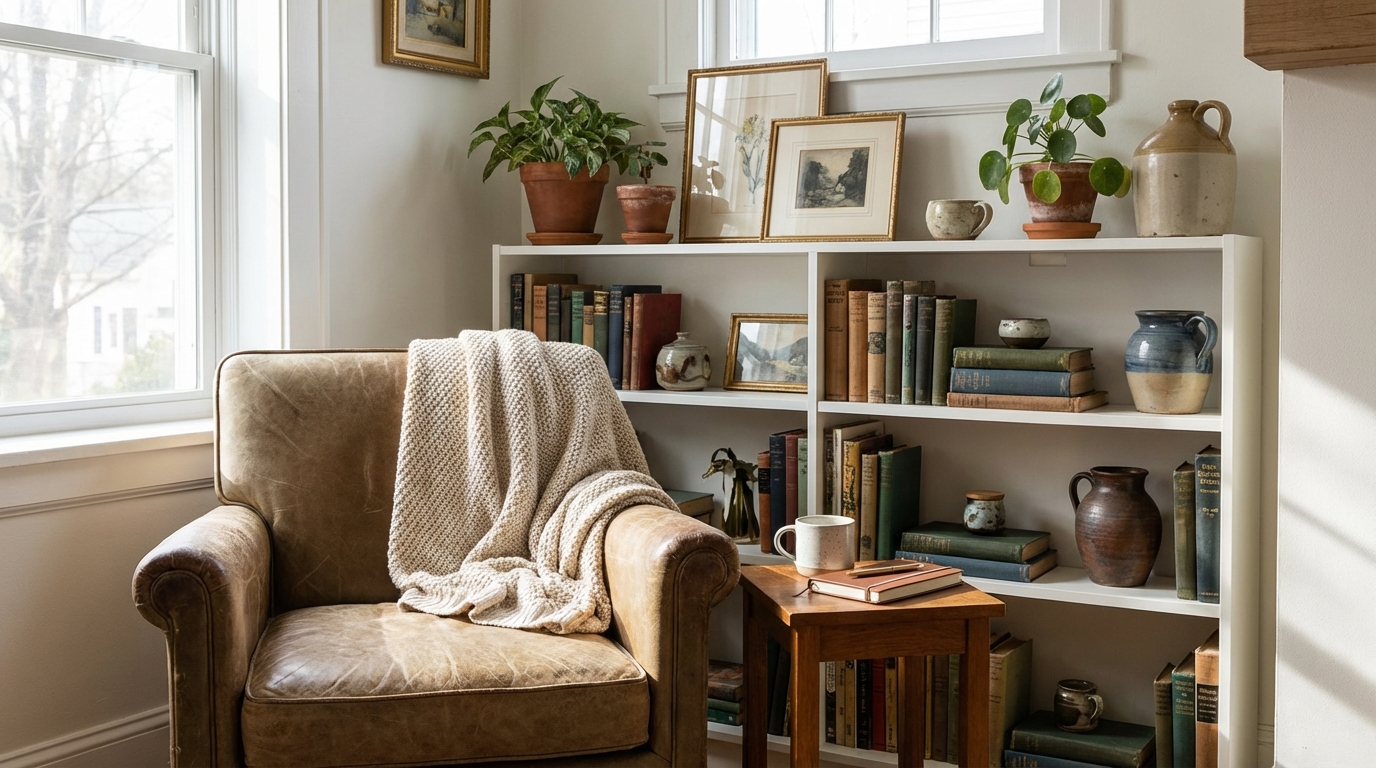
Making your home feel more personal is about creating a space that reflects who you are, how you live, and what makes you feel comfortable. A personal home does not need to be expensive or trendy. It needs to feel like it belongs to you. Every room can tell part of your story through color, texture, memories, and daily habits. When your space supports your lifestyle and shows your personality, it becomes more than just a place to live. It becomes a place where you can truly relax and be yourself.
Understanding What Personal Means to You
Before changing anything in your home, it helps to think about what personal means to you. For some people, it means warmth and comfort. For others, it means creativity, order, or calm. Your home should match your values and the way you want to feel when you walk through the door.
Think about the places where you feel happiest. It could be a favorite café, a childhood home, or a vacation spot. Notice the colors, lighting, and mood of those places. These feelings can guide your choices at home.
Your home can also reflect your daily routines. If you love cooking, the kitchen may be the heart of your home. If you enjoy reading, a cozy corner with good light might matter most. Personalizing your space starts with noticing how you live and what supports your happiness.
Using Color to Express Personality
Color is one of the easiest and most powerful ways to personalize a home. Different colors create different moods, and the colors you choose can say a lot about your style. Soft colors often feel calm and relaxing, while bright colors can feel energetic and playful.
You do not need to paint every wall a bold color to make a statement. Even small touches like pillows, rugs, or artwork can add color and personality. If you like change, using removable items allows you to update your space without a big commitment.
Choosing colors that you truly like is more important than following trends. Trends come and go, but your favorite colors usually stay the same. When your home includes colors that make you happy, it feels more welcoming and personal.
Layering Colors Thoughtfully
Layering colors means using different shades and tones of the same color or combining colors that work well together. This adds depth and interest without feeling overwhelming. For example, a room with light blue walls can include darker blue pillows and soft gray accents.
This approach makes a space feel intentional and lived-in. It also helps connect different areas of your home so everything feels balanced and connected.
Displaying Meaningful Items
Personal items are what truly make a house feel like a home. These items carry memories, emotions, and stories. Photos, souvenirs, handmade items, and gifts from loved ones can all add a personal touch.
Instead of hiding meaningful items in drawers or boxes, find ways to display them. A small shelf, a picture ledge, or a gallery wall can turn memories into part of your daily environment.
The goal is not to fill every surface but to choose items that matter to you. When you look around and see reminders of good times and important people, your home feels warmer and more personal.
Creating a Gallery Wall
A gallery wall is a great way to show photos, art, and personal items together. You can mix frame sizes and styles for a relaxed look or keep everything uniform for a cleaner feel.
The content matters more than the design. Family photos, children’s drawings, postcards, and favorite prints can all work together. A gallery wall grows over time, just like your life does.
Furniture That Fits Your Life
Furniture plays a big role in how personal a space feels. The best furniture supports your habits and makes your daily life easier. A home filled with furniture that looks good but does not feel comfortable can feel distant and uninviting.
Choose furniture based on how you actually use your space. If you like to stretch out on the couch, choose one that is deep and soft. If you work from home, invest in a chair and desk that support your body.
Furniture does not need to match perfectly. Mixing styles can make a home feel more personal and collected over time. A modern sofa can sit next to a vintage table if they both serve a purpose you value.
Rearranging for Comfort
Sometimes, making your home feel more personal does not require buying anything new. Rearranging furniture can change how a room feels and functions. Try different layouts until the room feels easy to move through and comfortable to use.
Pay attention to how light enters the room and where you naturally sit or stand. Arrange furniture to support these natural patterns. When a room works well, it feels more like it belongs to you.
Adding Texture and Layers
Texture adds warmth and interest to a space. It helps a room feel cozy, lived-in, and personal. Texture comes from materials like wood, fabric, metal, glass, and natural fibers.
Layering textures can be simple. A soft throw on a sofa, a woven basket, or a textured rug can change how a room feels. These layers invite touch and make a space feel more comfortable.
Mixing textures also adds visual balance. Smooth surfaces pair well with rougher ones. Soft fabrics balance hard materials. This variety makes a space feel thoughtful and personal.
Using Natural Materials
Natural materials often feel grounding and timeless. Wood, stone, cotton, linen, and wool bring warmth and a sense of nature indoors. These materials age well and often look better over time.
Adding natural elements can be as simple as a wooden bowl, a linen curtain, or a plant. These details help your home feel more relaxed and personal.
Lighting That Matches Your Mood
Lighting affects how a space feels more than many people realize. Bright overhead lights can feel harsh, while soft lighting creates a calm and cozy mood. A personal home usually includes different types of lighting.
Using a mix of table lamps, floor lamps, and wall lights allows you to adjust the mood based on the time of day and your activities. Warm light often feels more inviting than cool light.
Lighting can also highlight personal items. A lamp near a favorite chair or a light over a piece of art draws attention to the parts of your home that matter most to you.
Making the Most of Natural Light
Natural light helps a home feel open and alive. Keep windows clear when possible and use light curtains that let sunlight in. Arrange furniture so you can enjoy natural light during the day.
If privacy is a concern, choose window treatments that balance light and coverage. When natural light fills a room, it often feels more positive and personal.
Personalizing Each Room with Purpose
Every room in your home serves a different purpose, and personalizing each one means thinking about how you use it. A bedroom should support rest. A kitchen should support nourishment and connection. A living room should support relaxation and social time.
Think about what you want to feel in each space. Calm, energy, focus, or comfort can guide your choices. When a room supports its purpose, it naturally feels more personal.
Making the Bedroom a Personal Retreat
Your bedroom is one of the most personal spaces in your home. It should feel safe, calm, and comfortable. Choose bedding that feels good to you and colors that help you relax.
Keep personal items close, such as photos, books, or objects that bring comfort. Reducing clutter in the bedroom can also help it feel more peaceful and personal.
Creating a Welcoming Living Room
The living room is often where people gather, but it should still reflect your personality. Choose seating that encourages conversation and relaxation. Display items that show your interests, such as books, art, or collections.
A living room that feels welcoming makes both you and your guests feel at ease. When the space reflects who you are, spending time there feels natural and enjoyable.
Using Scent and Sound
Personalizing a home goes beyond what you see. Scent and sound play a big role in how a space feels. Familiar and pleasant smells can make a home feel comforting and personal.
You might enjoy the smell of fresh laundry, cooking, candles, or natural scents like wood and plants. Choose scents that make you feel relaxed or happy.
Sound also matters. Soft music, quiet background noise, or even silence can affect how comfortable you feel at home. Creating a sound environment that suits you adds another layer of personalization.
Keeping Scents Subtle
Strong scents can feel overwhelming. Using gentle, natural scents often works best. Opening windows for fresh air is one of the simplest ways to refresh your home.
When your home smells like you enjoy, it becomes more comforting and familiar.
Letting Your Interests Show
Your interests and hobbies are part of who you are, and your home can reflect them. This does not mean turning your home into a display, but allowing your passions to be visible.
If you love books, let them be seen. If you enjoy music, display instruments or records. If you enjoy art or crafts, show your creations or tools.
When your home reflects your interests, it feels honest and personal. It also makes it easier to enjoy the things you love every day.
Balancing Display and Use
Items connected to your interests should still be usable. A guitar on a stand invites playing. Art supplies within reach invite creativity.
When your home supports your hobbies, it feels active and alive rather than staged.
Embracing Imperfection
A personal home does not need to be perfect. In fact, perfection can make a space feel cold or unwelcoming. Small imperfections show that a home is lived in and loved.
Scratches on a table, worn fabrics, or mismatched items can all add character. These details often come from real life and real experiences.
Allowing your home to be imperfect takes pressure off and makes it easier to enjoy your space. When you stop trying to impress, your home starts to feel more like your own.
Making Space for Change
You grow and change over time, and your home can change with you. Personalizing your home does not mean setting it in stone. It means allowing it to evolve as your life does.
Leave room for new memories, new interests, and new needs. This might mean keeping some walls open for future photos or choosing furniture that can adapt.
A home that can change with you stays personal because it continues to reflect who you are at each stage of life.
Editing Over Time
Personalizing a home is an ongoing process. From time to time, look around and notice what still feels right and what does not. Removing items that no longer serve you makes space for new ones.
This gentle editing helps your home stay aligned with your current life and values.
Connecting Indoor and Outdoor Spaces
If you have access to an outdoor area, connecting it to your indoor space can make your home feel more complete. Plants, natural light, and outdoor views add life and energy.
Even small touches like houseplants or nature-inspired decor can help. These elements remind us of the world outside and bring a sense of balance.
When indoor and outdoor spaces feel connected, your home feels more open and personal.
Trusting Your Instincts
The most important part of making your home feel personal is trusting your instincts. You do not need permission to like what you like. If something makes you feel good in your space, it belongs there.
Design advice and trends can be helpful, but they should not replace your own preferences. Your home is for you, not for a magazine or social media.
When you listen to yourself and make choices that reflect your needs and tastes, your home naturally becomes more personal and meaningful.
Building Emotional Comfort
Emotional comfort is a key part of a personal home. This comes from feeling safe, relaxed, and accepted in your space. Soft lighting, comfortable seating, and familiar objects all help create this feeling.
Emotional comfort also comes from routines. Drinking coffee in the same chair, reading before bed, or cooking familiar meals builds a sense of belonging.
When your home supports your emotional well-being, it becomes a place where you can recharge and feel at ease.
Creating a Home That Reflects Your Story
Your home is a reflection of your journey. The items you choose, the colors you love, and the way you arrange your space all tell part of your story.
This story does not need to be clear to others. It only needs to feel true to you. A personal home is not about showing off. It is about feeling grounded and comfortable in your own space.
By making thoughtful choices and allowing your home to grow with you, you create a space that truly feels like yours.