
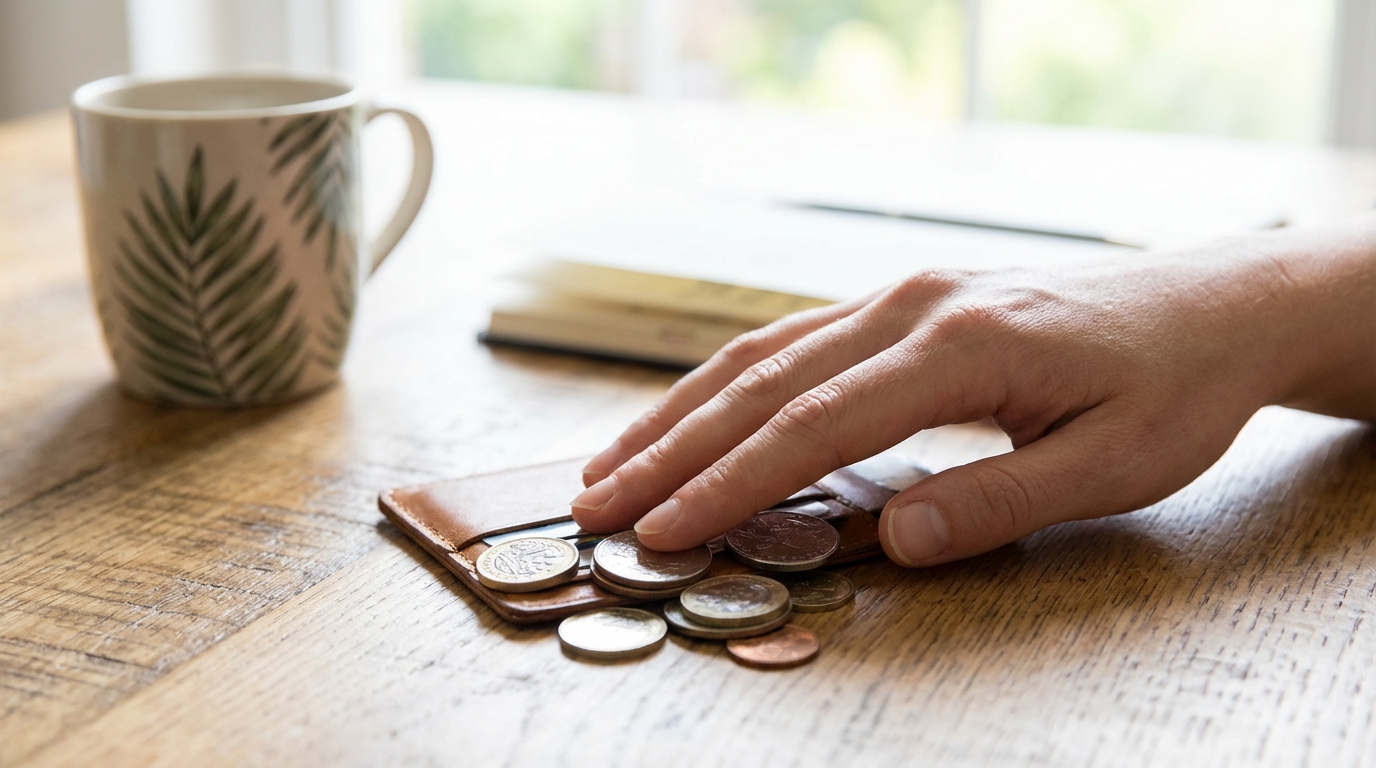
Small money leaks are the tiny, often unnoticed expenses that quietly drain your budget. They feel harmless because each one is small, but together they can add up to hundreds or even thousands of dollars a year. Preventing these leaks is not about extreme frugality or cutting all joy from your life. It is about awareness, simple systems, and smarter habits that help you keep more of what you earn without feeling deprived.
What Small Money Leaks Really Are
Small money leaks are recurring or frequent expenses that do not feel significant in the moment. They usually slip past our attention because they are part of our routine. A few dollars on an app, an extra fee here, or a convenience purchase there does not trigger the same concern as a large bill.
These leaks are dangerous because they are quiet. You might notice a big vacation expense right away, but you may never question why your checking account balance is always lower than expected. Small leaks hide in plain sight, blending into daily life.
Another reason these leaks persist is emotional comfort. Many of them are tied to stress relief, convenience, or habit. When spending meets an emotional need, it becomes harder to challenge.
Why Small Expenses Feel Invisible
The human brain is not great at tracking lots of small numbers. We tend to focus on big, obvious costs like rent, car payments, or insurance. Smaller purchases do not create the same mental alarm.
Digital payments also make spending feel less real. Swiping a card or tapping a phone does not create the same pause as handing over cash. When there is no physical exchange, it is easier to underestimate how often we spend.
Another factor is timing. Small money leaks often happen daily or weekly. Because they are spread out, we do not feel the full impact all at once. This makes them easier to ignore.
The Most Common Types of Small Money Leaks
While everyone’s situation is different, most money leaks fall into a few common categories. Learning these categories helps you spot patterns in your own spending.
Subscription Creep
Subscriptions are one of the biggest sources of small money leaks. Streaming services, apps, software tools, and memberships can pile up quickly. Each one might cost only a few dollars a month, but together they can take a big bite out of your budget.
Many subscriptions are easy to forget because they auto-renew. Once you sign up, the charge quietly appears every month. Over time, you may keep paying for services you rarely use.
Food and Drink Convenience Spending
Coffee runs, vending machines, delivery fees, and snacks bought on the go are classic money leaks. These purchases are often driven by hunger, stress, or time pressure.
Eating out in small ways feels cheaper than restaurant meals, but daily convenience food can cost far more than planned. The problem is not the occasional treat, but the routine habit.
Banking and Service Fees
Fees are sneaky because they feel unavoidable. Monthly account fees, overdraft charges, ATM fees, and service add-ons can quietly drain your account.
Many people pay these fees simply because they have never reviewed their account settings or compared options. A few small fees each month can add up fast.
Impulse Online Purchases
Online shopping makes it easy to buy things you did not plan to buy. One-click checkout, saved payment details, and targeted ads all encourage quick decisions.
These purchases often feel justified in the moment. The price seems low, or the item feels useful. Over time, these small buys can crowd your budget and your space.
Transportation Extras
Transportation leaks include tolls, parking fees, ride-share tips, and fuel inefficiencies. Individually, these costs seem minor, but daily commuting can turn them into a steady drain.
Small choices, like taking a longer route or not maintaining your vehicle, can also increase fuel costs over time.
How to Spot Your Personal Money Leaks
Preventing small money leaks starts with visibility. You cannot fix what you cannot see. The goal is not to judge your spending, but to understand it.
Track Every Expense for a Short Time
You do not need to track forever. Even two to four weeks of detailed tracking can reveal patterns. Write down every purchase, no matter how small.
This process can feel tedious, but it is powerful. When you see your spending laid out, leaks become obvious. You may notice how often certain expenses appear.
Review Bank and Card Statements Line by Line
Set aside time to review your statements carefully. Look for recurring charges, unfamiliar fees, and small amounts that repeat often.
Highlight anything that surprises you. Surprise is a strong clue that a money leak exists.
Compare Spending to Your Values
Not every small expense is a problem. A leak is something that does not add enough value to justify its cost. Ask yourself whether each recurring expense truly improves your life.
This step helps you avoid cutting things that actually matter to you, while targeting the spending that does not.
Simple Systems to Stop Money Leaks Early
Systems work better than willpower. Instead of relying on constant self-control, set up structures that make good choices easier.
Use Spending Alerts
Most banks allow you to set alerts for transactions or balance thresholds. These alerts bring spending back into your awareness.
A quick notification after a purchase can make you pause and reflect, especially if spending is higher than expected.
Create a Small Expense Category
In your budget, include a category specifically for small daily spending. This helps you see the total impact of little purchases.
When this category runs out, it becomes a natural signal to slow down without banning spending entirely.
Automate Saving First
One of the best ways to protect money from leaks is to move it out of reach. Automatic transfers to savings reduce the amount available for casual spending.
When savings happen first, you are forced to work within a smaller spending pool, which naturally limits leaks.
Controlling Subscription Spending
Subscriptions deserve special attention because they are easy to ignore and hard to remember.
List Every Subscription You Have
Make a complete list of all subscriptions, including annual ones. Check bank statements, app stores, and email confirmations.
Seeing them all in one place can be eye-opening and often motivating.
Cancel Without Guilt
If you are not using a service, cancel it. Past use does not justify future payments. There is no benefit in paying for something out of guilt.
You can always resubscribe later if you truly miss it.
Rotate Instead of Stack
Instead of paying for multiple similar services at once, rotate them. Use one streaming service for a few months, then switch.
This approach reduces costs without eliminating entertainment.
Reducing Food and Drink Leaks
Food spending is emotional and social, which makes it tricky. The goal is not perfection, but balance.
Plan for Convenience
Convenience spending often happens when you are unprepared. Keeping snacks, drinks, or simple meals on hand reduces last-minute purchases.
This does not require fancy meal prep. Even small planning efforts can make a big difference.
Set a Weekly Treat Budget
Instead of cutting treats entirely, set a clear limit. Knowing you have room for a coffee or snack helps prevent guilt and overspending.
When the limit is reached, you naturally wait until the next week.
Watch the Add-Ons
Delivery fees, tips, and upgrades often cost more than the food itself. Pay attention to these extras, as they are common leak points.
Choosing pickup or cooking one extra meal at home can save more than expected.
Eliminating Banking and Service Fees
Fees are one of the easiest leaks to fix because they usually offer no real value.
Switch to Fee-Free Accounts
Many banks offer accounts with no monthly fees. If your bank charges you, consider switching or negotiating.
A short phone call or online change can save you money every single month.
Avoid Overdrafts with Buffers
Keep a small buffer in your checking account to avoid overdraft fees. Even a modest cushion can prevent costly mistakes.
Linking savings for overdraft protection can also help, but review any transfer fees.
Managing Online and App Spending
Digital spending is designed to be fast and easy, which makes it a major source of leaks.
Remove Saved Payment Information
When payment details are not saved, you are forced to pause and think. This small delay can stop impulse buys.
The extra effort creates a natural filter for unnecessary spending.
Unsubscribe from Marketing Emails
Promotional emails encourage spending you did not plan. Unsubscribing reduces temptation and mental clutter.
Fewer prompts mean fewer impulse decisions.
Set App Store Restrictions
Using password prompts or spending limits for app purchases adds friction. This is especially helpful for games and in-app purchases.
Small barriers can make a big difference.
Handling Cash and In-Person Leaks
Cash spending can be harder to track, but it still matters.
Limit ATM Withdrawals
Withdrawing smaller amounts more often can lead to faster spending. Fewer withdrawals encourage mindful use.
It also reduces the risk of ATM fees.
Assign Cash a Purpose
If you use cash, decide what it is for. For example, use it only for entertainment or personal spending.
This creates clear boundaries and makes leaks easier to spot.
Family and Social Spending Leaks
Spending connected to family and friends often comes from good intentions.
Talk Openly About Money Limits
Clear communication prevents pressure spending. Let others know your limits so you do not feel forced into small, frequent expenses.
This is especially important for group activities and shared costs.
Set Gift Budgets in Advance
Small gifts and contributions can add up. Planning ahead helps you give generously without overspending.
Having a set amount removes stress and guesswork.
Building Habits That Prevent Future Leaks
Long-term prevention comes from habits, not one-time fixes.
Do Monthly Money Check-Ins
Once a month, review your spending and look for new leaks. Life changes, and so do spending patterns.
Regular check-ins keep small problems from growing.
Practice the Pause Rule
Before any unplanned purchase, pause for a short time. Even a few minutes can reduce impulse decisions.
This habit trains your brain to be more intentional.
Celebrate Money Kept, Not Just Money Earned
Saving money by stopping leaks is just as valuable as earning more. Recognizing this builds motivation.
Each leak you fix is a small win that compounds over time.
Using Technology Without Letting It Drain You
Technology can either expose leaks or create them.
Choose Tools That Simplify
Use apps or tools that make spending clearer, not more complicated. Simple visuals and summaries help you stay aware.
If a tool feels overwhelming, it is less likely to be used.
Review Permissions Regularly
Apps often request access to payments or renewals. Reviewing these permissions helps you stay in control.
This is another chance to catch hidden costs.
Adjusting Your Mindset Around Small Spending
Preventing small money leaks is as much mental as it is practical.
Think in Annual Terms
A small weekly expense may not seem like much, but multiplying it by a year changes perspective.
This mindset makes decisions clearer without making them emotional.
Focus on Progress, Not Perfection
You do not need to eliminate every leak. Reducing even a few can free up meaningful money.
Progress builds confidence and makes future changes easier.
Let Awareness Do the Work
Often, simply noticing spending patterns leads to better choices. You may naturally cut back without strict rules.
Awareness is a gentle but powerful tool that keeps small money leaks from taking over your finances.