
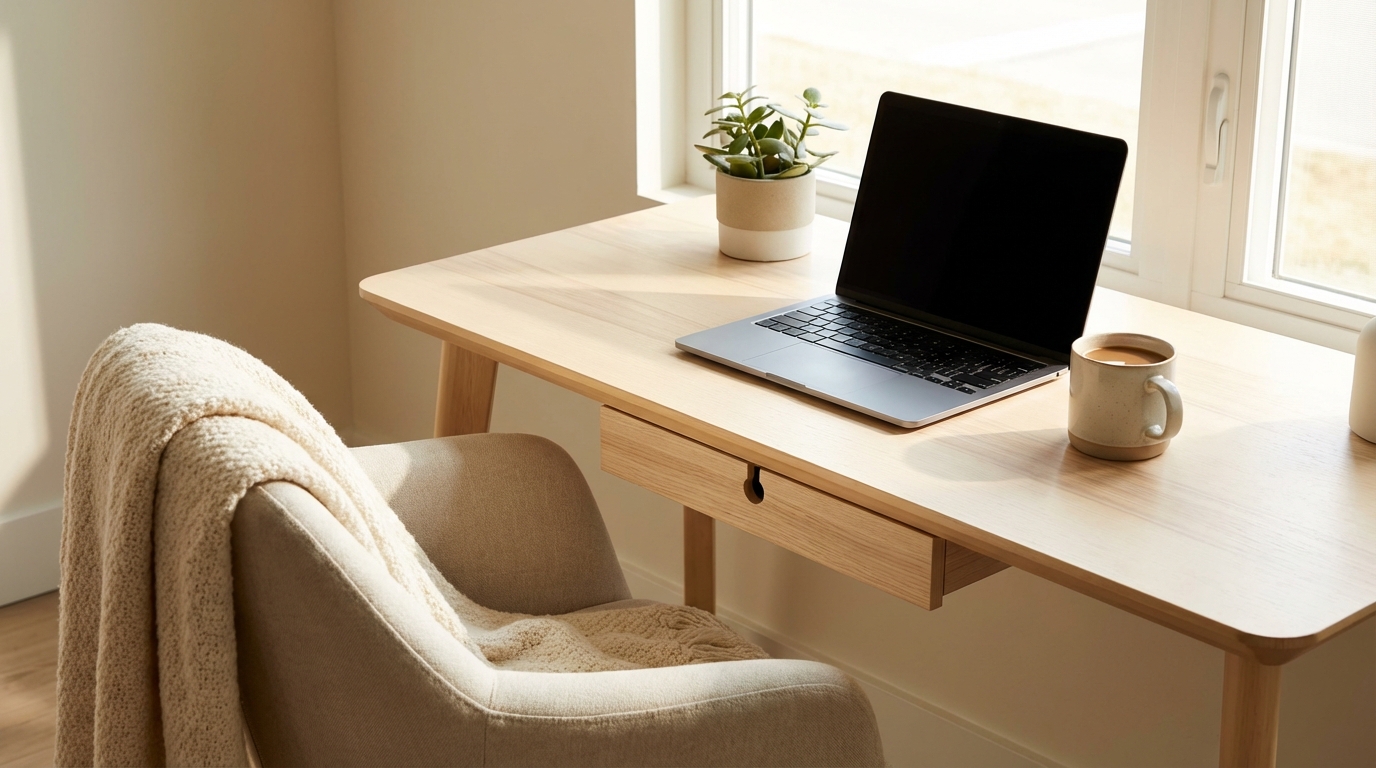
Reducing setup time at home means making it easier to start the things you already want or need to do. When the tools, spaces, and steps are ready, daily tasks feel lighter. You do not waste energy hunting for supplies, clearing space, or remembering what comes next. Instead, you move smoothly from intention to action. This article focuses on practical ways to reduce setup time around the house so that cooking, cleaning, working, relaxing, and caring for others all begin with less friction.
Understanding Setup Time in Everyday Life
Setup time is the effort required before a task actually begins. It includes gathering tools, clearing surfaces, finding instructions, and mentally preparing. At home, setup time can quietly grow until even small tasks feel heavy. For example, if cooking dinner means emptying the sink, finding a clean pan, and searching for spices, starting feels harder than it should.
Reducing setup time does not mean rushing or cutting corners. It means preparing your environment so that tasks are easy to start when you are ready. This approach respects your energy and attention. It also helps build consistent routines, because tasks that are easy to start are more likely to get done.
Start With the Most Repeated Tasks
The best place to reduce setup time is with tasks you repeat often. Daily and weekly activities offer the biggest return because small improvements add up. Look at your typical day and notice where you hesitate or feel delayed.
- Making breakfast or coffee
- Cleaning the kitchen after meals
- Starting laundry
- Working or studying at home
- Getting kids ready in the morning
- Relaxing in the evening
Choose one or two tasks to improve at a time. Trying to fix everything at once can feel overwhelming and defeat the purpose.
Clear the Entry Point to Each Task
Every task has an entry point, which is the first physical or mental step. If the entry point is blocked, setup time grows. For example, if your desk is covered with clutter, the entry point to work is blocked. If your stove is full of items, the entry point to cooking is blocked.
Focus on keeping entry points clear and ready. This does not mean the entire space must be perfect. It means the first step is easy.
- Keep one clear counter section for food prep
- Keep your chair pushed in and desk surface mostly empty
- Leave the laundry basket accessible and not hidden
- Store cleaning sprays where you can reach them quickly
When the entry point is clear, your brain receives a signal that starting will be simple.
Reduce Decisions Before You Begin
Decision-making is a hidden part of setup time. Choosing what to wear, what to cook, or which supplies to use can drain energy before the task even starts. Reducing decisions helps tasks begin faster.
You can reduce decisions by setting defaults.
- Keep a small rotation of go-to meals
- Choose a standard cleaning order
- Assign specific tools to specific tasks
- Use the same spot for keys, wallet, and phone
Defaults remove the need to think each time. You can always change them later, but having a starting point makes action easier.
Create Simple Activity Zones
Activity zones group everything needed for a task in one place. When supplies are spread across the house, setup time increases. Zones reduce walking, searching, and mental tracking.
Kitchen Zones
In the kitchen, group items by activity instead of category.
- Cooking zone with oils, utensils, and spices near the stove
- Prep zone with knives, cutting boards, and bowls
- Coffee or tea zone with mugs, filters, and supplies together
This way, starting a meal or drink does not require moving around the entire kitchen.
Cleaning Zones
Cleaning becomes easier when supplies live where they are used.
- Bathroom cleaner stored in each bathroom
- Microfiber cloths kept near sinks
- Vacuum or broom stored close to high-traffic areas
You remove the setup step of gathering supplies from different rooms.
Work and Study Zones
A dedicated work or study zone reduces mental setup.
- Keep chargers plugged in and ready
- Store pens, notebooks, and headphones within reach
- Use a lamp with a consistent light level
When the zone is ready, you can sit down and begin with less effort.
Use Open Storage for Daily Items
Open storage reduces setup time because you can see what you need. Cabinets, drawers, and lids add small delays that add up. For items used every day, visibility matters more than hiding everything away.
Examples of helpful open storage include:
- Hooks for bags, jackets, and hats
- Open bins for snacks or breakfast items
- Trays for mail, keys, or daily paperwork
- Wall-mounted organizers for tools
Open storage also provides visual reminders, which prompt action without extra thinking.
Limit the Number of Tools Per Task
Too many tools can increase setup time. When you have many options, you spend time choosing and organizing. Limiting tools makes tasks simpler.
Look for tools that serve multiple purposes.
- One good pan instead of several rarely used ones
- A basic set of cleaning cloths instead of many types
- A simple toolkit for common repairs
Fewer tools mean faster setup and easier cleanup, which also reduces resistance to starting.
Prepare the Night Before
Even small preparation steps taken earlier can greatly reduce setup time later. Evening preparation is especially helpful for mornings, which often feel rushed.
- Set out clothes for the next day
- Load the coffee maker or kettle
- Clear the kitchen counter
- Pack bags and place them by the door
These actions shift setup time to a calmer moment, making the next task easier to begin.
Use Visual Cues to Prompt Action
Visual cues reduce mental setup time by reminding you what to do next. They guide action without requiring planning or memory.
- A checklist on the fridge for daily chores
- A whiteboard with top tasks for the day
- Labels on bins and shelves
- Color-coded folders or baskets
When you see the cue, you move directly into action instead of stopping to think.
Keep Surfaces Lightly Used
Completely empty surfaces are not always realistic, but overloaded surfaces slow you down. When surfaces are crowded, you must clear space before starting.
Aim for lightly used surfaces.
- Leave one or two items on a table, not many
- Use trays to group small objects
- Return items to their homes after use
This approach balances lived-in comfort with readiness.
Make Cleaning Easier to Start
Cleaning often feels hard to begin because of setup. Reducing setup time makes quick cleaning more likely.
Short Cleaning Sessions
Design cleaning tasks that can start in minutes.
- Keep wipes or cloths within reach
- Use lightweight tools
- Clean one small area at a time
When cleaning is easy to start, it happens more often.
Leave Tools Ready
Instead of storing everything away tightly, leave some tools ready.
- Vacuum plugged in or easy to grab
- Spray bottle left on the counter
- Dust cloth on a hook
This removes multiple setup steps.
Reduce Setup Time in the Kitchen
The kitchen is one of the most setup-heavy spaces in a home. Small changes here can have a big impact.
Prep-Friendly Layout
Arrange your kitchen so that prep flows naturally.
- Cutting boards near the sink
- Trash and compost easy to reach
- Frequently used spices in one place
When the layout supports the task, you spend less time adjusting.
Simple Meal Planning
Meal planning reduces mental setup time.
- Choose meals for a few days at a time
- Repeat favorite meals weekly
- Keep a list of quick options
This reduces the delay before cooking starts.
Make Laundry Easy to Begin
Laundry setup often includes sorting, finding supplies, and clearing space. Simplifying these steps makes laundry less of a hurdle.
- Use one main detergent
- Place hampers where clothes are removed
- Sort laundry as you go
- Keep stain remover nearby
When starting laundry takes less effort, it fits more easily into daily life.
Support Work-from-Home Routines
Working from home requires clear boundaries and easy transitions. Reducing setup time helps you start work without stress.
- End each workday by resetting your desk
- Keep work-only supplies in one area
- Use a consistent start routine
A ready workspace supports focus and reduces delay.
Help Kids Start Tasks Easily
Children benefit greatly from reduced setup time. When tasks are easy to start, cooperation improves.
- Open bins for toys and school supplies
- Low hooks for backpacks and coats
- Simple charts with pictures
Design spaces at a child’s level so they can begin tasks on their own.
Use Maintenance to Protect Setup Time
Regular maintenance prevents setup time from creeping back in. Small resets keep systems working.
- Weekly quick tidy of key zones
- Monthly review of supplies
- Seasonal removal of unused items
Maintenance keeps entry points clear and tools ready.
Adjust Lighting and Comfort
Comfort affects how easy it feels to start. Poor lighting, uncomfortable seating, or awkward layouts add resistance.
- Add task lighting where needed
- Adjust chair height and desk setup
- Keep frequently used items within arm’s reach
When your body feels supported, starting is easier.
Label and Name Spaces
Labels reduce thinking time. When spaces are clearly named, you know where things go and where to find them.
- Labels on shelves and bins
- Names for drawers and cabinets
- Simple signs for shared spaces
This is especially helpful in busy households.
Avoid Over-Organizing
Complex systems increase setup time. Too many steps or rules make tasks harder to start.
Choose simple systems.
- Fewer categories
- Larger bins instead of small ones
- Flexible storage
Simple systems adapt better to real life.
Let Habits Carry the Load
Habits reduce setup time by making actions automatic. When something becomes a habit, you skip planning and hesitation.
- Same morning sequence each day
- Same cleanup routine after meals
- Same evening reset
Habits work best when the environment supports them.
Use Gentle Reminders, Not Pressure
Reducing setup time is about support, not force. Gentle reminders help tasks begin without stress.
- Timers for short sessions
- Notes in key places
- Alarms with clear labels
These tools nudge action without adding weight.
Adapt as Life Changes
Your home and routines change over time. What reduced setup time last year may not work now.
- Revisit zones every few months
- Notice new friction points
- Adjust storage as needs shift
Staying flexible keeps setup time low as life evolves.
Notice Small Wins
Each small improvement matters. When a task starts more easily, notice it. These moments reinforce the value of preparing your space.
Reducing setup time is not about perfection. It is about creating a home that meets you where you are, making daily tasks easier to start and more pleasant to continue.