
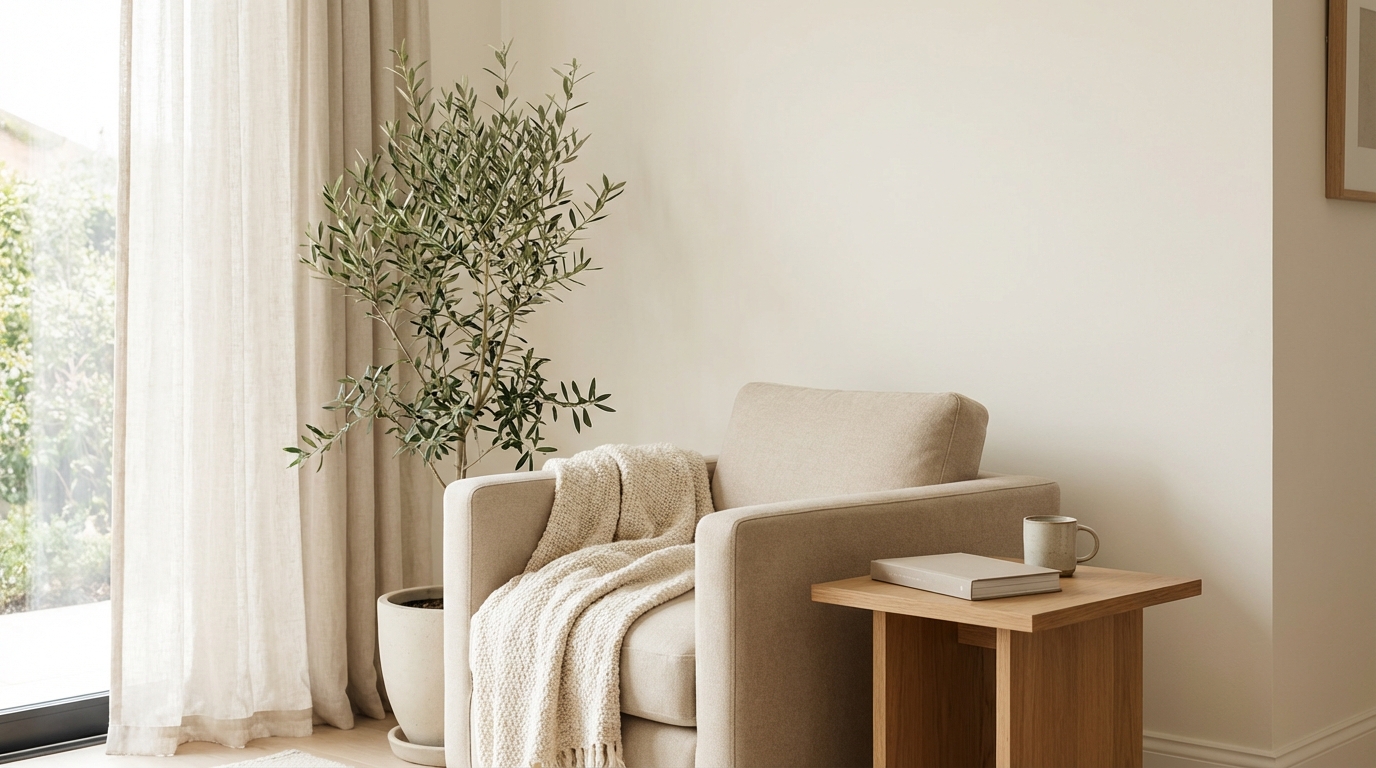
Visual noise is the feeling of clutter and distraction you get when a space has too many things competing for your attention. It can come from piles of stuff, busy patterns, tangled cords, too many colors, or even too much furniture. When visual noise is high, rooms can feel stressful, tiring, and hard to enjoy. Reducing visual noise does not mean making your home empty or boring. It means creating calmer spaces where your eyes and mind can rest while still feeling comfortable and personal.
Understanding What Visual Noise Looks Like
Visual noise is not the same in every home. What feels calm to one person may feel overwhelming to another. Still, there are common sources that tend to affect many people. Understanding these sources is the first step toward reducing them.
Too Many Objects in One Space
When surfaces are crowded with items, the eye has nowhere to settle. Open shelves packed with decor, countertops covered in appliances, and walls filled edge to edge with art can all create visual overload. Even if each item is attractive on its own, too many together can feel chaotic.
Clashing Colors and Patterns
Bright colors, bold patterns, and strong contrasts grab attention. When many of these appear together, they compete with each other. A room with patterned rugs, printed pillows, colorful artwork, and bold wallpaper can feel loud, even if everything matches in style.
Exposed Storage and Open Clutter
Items stored in clear bins, open baskets, or on open shelves are always visible. This can be helpful for access, but it also means your eyes are constantly processing what is there. Everyday items like paperwork, cables, toys, and toiletries can quickly add to visual noise.
Poor Lighting Choices
Lighting affects how busy a space feels. Harsh overhead lights can make clutter more noticeable. Uneven lighting can highlight messes in some areas while leaving others in shadow, which adds to visual confusion.
Starting with a Calm Mindset
Reducing visual noise is easier when you approach it with the right mindset. This is not about following strict rules or copying a magazine-perfect home. It is about making choices that support how you want to feel in your space.
Focus on How You Use Each Room
Think about what each room is mainly for. A living room may be for relaxing, a kitchen for cooking, and a bedroom for resting. Items that do not support the main purpose of the room often add to visual noise. When you remove or relocate them, the room starts to feel more focused.
Value Breathing Room
Empty space is not wasted space. Areas with fewer objects give your eyes a place to rest. Leaving some shelves, walls, and surfaces partially empty helps balance the items you do display.
Let Go of Perfection
Calm spaces do not have to be perfect. A few everyday items out in the open are normal. The goal is to reduce constant distraction, not to create stress by trying to keep everything flawless.
Decluttering with Visual Noise in Mind
Decluttering is one of the most powerful ways to reduce visual noise. Instead of focusing only on how much you own, focus on what you see.
Clear Flat Surfaces First
Tables, counters, desks, and dressers are magnets for clutter. Start by clearing everything off, then add back only what you use often or truly enjoy seeing. This quick change can make a room feel instantly calmer.
Group Similar Items Together
When items are scattered, they look messier. Grouping similar things creates order. For example, place candles together on a tray, line up books neatly, or keep office supplies in one container. Grouping reduces visual noise even when the number of items stays the same.
Remove Items That Create Visual Stress
Some objects may not be cluttered but still cause stress. This could be unfinished projects, broken items waiting to be fixed, or paperwork that needs attention. These items remind you of tasks and can add mental noise along with visual noise.
Declutter in Small Sections
Trying to declutter an entire room at once can be overwhelming. Focus on one shelf, one drawer, or one corner at a time. Small improvements add up and help you see progress quickly.
Choosing Calmer Color Palettes
Color plays a major role in how busy or calm a room feels. You do not need to give up color completely, but using it thoughtfully can greatly reduce visual noise.
Limit the Number of Main Colors
Rooms with too many colors can feel scattered. Choose one or two main colors and one or two supporting shades. Repeating these colors throughout the room helps create a sense of unity.
Use Neutrals as a Base
Neutral colors like white, beige, gray, and soft earth tones give the eye a break. They work well on walls, large furniture, and floors. You can then add small pops of color through accessories without overwhelming the space.
Soften Bright Colors
If you love bright colors, try using softer versions of them. Muted blues, greens, and yellows are easier on the eyes than very bold shades. They still add personality while keeping the space calm.
Be Careful with Patterns
Patterns add interest, but too many can create visual noise. Choose one main pattern per room and keep others simple. For example, pair a patterned rug with solid pillows and curtains.
Furniture Choices That Reduce Visual Noise
The type and arrangement of furniture in a room can either add to or reduce visual clutter.
Choose Simple Shapes
Furniture with clean lines and simple shapes tends to look calmer. Very detailed carvings, busy textures, or overly decorative pieces can add visual weight.
Mind the Scale
Furniture that is too large for a room can make it feel crowded. Furniture that is too small can look scattered. Choose pieces that fit the scale of the space and allow for easy movement.
Limit the Number of Furniture Pieces
More furniture means more visual breaks. Removing extra chairs, side tables, or storage units can open up a room and reduce noise. Keep only what you truly use and enjoy.
Use Furniture with Hidden Storage
Ottomans with storage, beds with drawers, and cabinets with doors help hide everyday items. This keeps necessary things nearby without adding to visual clutter.
Smarter Storage Solutions
Storage is essential, but the way it looks matters. Good storage reduces visual noise by hiding or organizing items in a pleasing way.
Closed Storage Over Open Storage
Closed cabinets, drawers, and boxes hide clutter from view. This is especially helpful for items used daily, like cleaning supplies, toys, or office materials.
Use Matching Containers
When storage containers match in color and style, they look more organized. Mixed containers in different colors and shapes can add visual noise, even if everything is neatly stored.
Label Discreetly
Labels help you find things quickly, but large or colorful labels can add visual clutter. Use small, simple labels or place them inside drawers and cabinets.
Store by Frequency of Use
Items you use often should be easy to reach but still organized. Items you use less often can be stored out of sight. This keeps daily spaces calmer.
Reducing Visual Noise on Walls
Walls take up a lot of visual space. What you put on them has a big impact on how calm or busy a room feels.
Leave Some Walls Bare
Not every wall needs decoration. Empty walls give the eye a break and make decorated areas stand out more.
Create Intentional Gallery Areas
If you enjoy art or photos, group them in one planned area instead of spreading them all over. Keeping frames similar in color or style can help the display feel organized.
Choose Larger Pieces Over Many Small Ones
One larger artwork often feels calmer than many small ones. It creates a single focal point instead of multiple distractions.
Mind Wall Shelves
Wall shelves can quickly become cluttered. Limit the number of items on each shelf and leave space between them.
Managing Cords, Cables, and Technology
Modern homes often have many electronic devices, and their cords can add a lot of visual noise.
Hide Cords When Possible
Use cord covers, cable boxes, or furniture that hides wires. Even simple solutions like zip ties can make a big difference.
Limit Devices on Display
Do you need every device visible all the time? Storing unused chargers, remotes, and gadgets in drawers can reduce clutter.
Create a Charging Station
Having one place for charging phones and tablets keeps cords contained. This prevents them from spreading across counters and tables.
Lighting for a Calmer Look
Lighting affects mood and how visual noise is perceived. Soft, well-planned lighting can make spaces feel more peaceful.
Layer Your Lighting
Use a mix of overhead lights, lamps, and task lighting. This creates even light and reduces harsh shadows that can highlight clutter.
Choose Warm Light Bulbs
Warm light feels softer and more relaxing than cool, bright light. It helps blend colors and reduces sharp contrasts.
Reduce Fixture Clutter
Too many light fixtures in one room can feel busy. Choose a few well-placed lights instead of many small ones.
Creating Calm in High-Use Areas
Some rooms collect visual noise faster than others. Paying special attention to these spaces can improve the whole home.
Kitchen Visual Calm
Kitchens often have many items on counters. Store small appliances you do not use daily. Use trays to group oils, utensils, or spices. Keep fridge doors clear of excess papers and magnets.
Living Room Balance
In living rooms, limit decorative pillows and throws. Choose a few meaningful decor pieces instead of many small ones. Keep coffee tables mostly clear.
Bedroom Simplicity
Bedrooms should feel restful. Keep nightstands simple with only essentials. Avoid storing too many items under the bed if they are visible. Choose calm bedding colors.
Bathroom Order
Bathrooms can look cluttered quickly. Store toiletries in drawers or cabinets. Use matching containers for items that stay on the counter.
Using Texture Instead of Clutter
You can add interest to a room without adding visual noise by using texture.
Soft Textiles
Blankets, rugs, and curtains add warmth without clutter. Choose simple colors and textures that complement the room.
Natural Materials
Wood, stone, linen, and cotton add depth in a subtle way. These materials often feel calming and timeless.
Limit Decorative Objects
Instead of many small decor items, choose a few pieces with interesting texture or shape. This adds character without overload.
Maintaining Low Visual Noise Over Time
Reducing visual noise is not a one-time task. Habits play a big role in keeping spaces calm.
Reset Rooms Regularly
Spend a few minutes each day putting items back where they belong. This prevents clutter from building up.
Be Mindful When Bringing New Items Home
Before buying something new, think about where it will go and how it will affect the space. Avoid adding items without a clear purpose or place.
Edit Seasonally
As seasons change, review decor and belongings. Putting away items you are not using keeps your home feeling fresh and uncluttered.
Involve the Whole Household
When everyone understands the goal of a calmer home, it is easier to maintain. Simple shared habits make a big difference.
Personal Style Without the Noise
A calm home should still feel like you. Reducing visual noise does not mean removing personality.
Display What Matters Most
Choose a few meaningful items to display, such as family photos, artwork you love, or souvenirs. Giving them space makes them more special.
Rotate Decor
If you have many items you enjoy, rotate them instead of displaying everything at once. This keeps spaces fresh and uncluttered.
Trust Your Eyes
If a room feels busy or stressful, it probably has too much visual noise for you. Adjust until it feels right. Your comfort is the best guide.
By paying attention to what your eyes see and making small, thoughtful changes, you can reduce visual noise and create a home that feels calmer, more welcoming, and easier to live in every day.