
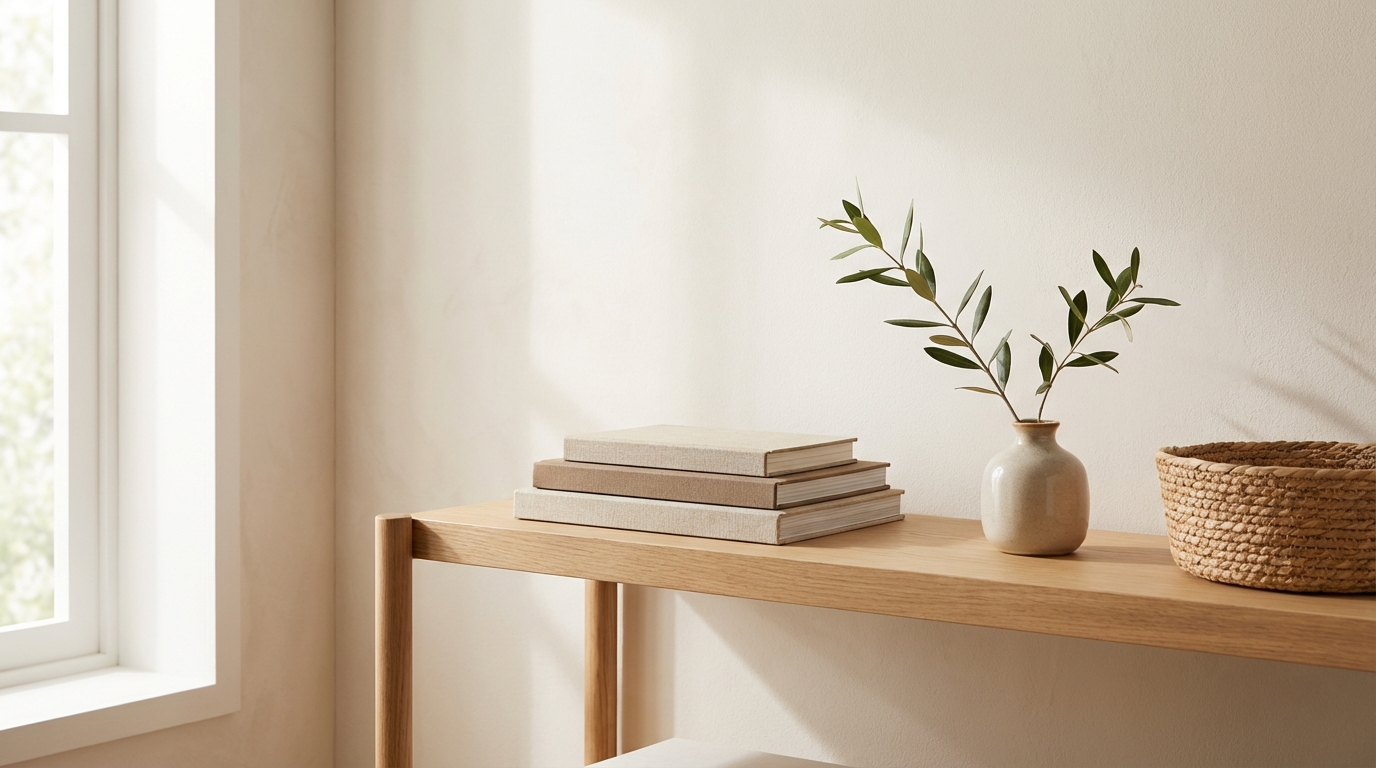
Visual order plays a quiet but powerful role in how we feel inside our homes. The way objects are arranged, how much space feels open or crowded, and whether items have a clear place all affect mood in daily life. Many people notice that when a room is tidy, they feel calmer and more focused. When it is messy, they may feel stressed or distracted, even if they cannot explain why. This connection between visual order and mood is not about perfection or strict rules. It is about how the human brain reacts to what it sees.
The human brain and visual information
The brain is always taking in visual information. Every color, shape, and object sends signals that the brain must process. When a space is visually ordered, the brain can understand it quickly. There are fewer surprises and fewer decisions to make. This allows the mind to relax.
In a cluttered space, the brain works harder. It has to sort through many objects at once. Even if you are not thinking about the mess, your brain is still noticing it. This extra effort can lead to mental tiredness. Over time, that tired feeling can turn into stress or irritation.
Visual order helps reduce mental noise. When surfaces are clear and items are grouped in a logical way, the brain feels a sense of control. This sense of control is closely linked to feelings of safety and calm. It is one reason why people often enjoy clean hotel rooms or well-organized stores.
Why clutter can create stress
Clutter is not just about having too many things. It is about things being in the wrong place or not having a place at all. When items are scattered, they compete for attention. Your eyes move from one object to another without rest.
This constant visual movement can raise stress levels. The body may react by tightening muscles or increasing heart rate, even if you are not aware of it. Over time, this can affect mood, making a person feel anxious or overwhelmed.
Clutter can also create a sense of unfinished business. Seeing piles of papers or stacks of items reminds the brain of tasks that still need to be done. This can make it hard to relax, even during free time. The space becomes a visual to-do list that never goes away.
Order and the feeling of control
Having control over your environment is important for emotional health. Visual order supports this feeling of control. When you know where things are and can find them easily, daily life feels smoother.
This sense of control can improve confidence. Simple actions, like putting shoes on a rack or storing tools in a drawer, create small wins. These small wins add up and can improve overall mood.
In contrast, a disordered space can make people feel helpless. Losing items or not knowing where to start cleaning can create frustration. Over time, this frustration can affect how people feel about their home and themselves.
How tidy spaces support relaxation
Relaxation is easier when the environment feels safe and predictable. Tidy spaces offer fewer distractions, allowing the mind to slow down. This is especially important in rooms meant for rest, such as bedrooms and living rooms.
When a room is visually calm, the body often follows. Breathing may become deeper, and muscles may loosen. This physical response supports emotional calm.
Soft lighting, clear surfaces, and balanced furniture placement all contribute to visual order. These elements work together to create a space where the brain does not feel rushed or crowded.
The role of routines in maintaining order
Visual order does not usually come from one big cleaning day. It comes from small routines done often. Simple habits, like putting items back after use, help maintain a tidy look.
Routines reduce decision-making. When there is a set place for keys or bags, you do not have to think about where to put them. This saves mental energy and keeps spaces looking organized.
Over time, routines become automatic. This makes it easier to enjoy the benefits of visual order without feeling like you are always cleaning. The space supports your mood instead of draining it.
Color, light, and visual order
Visual order is not only about objects. Color and light also play a role. Soft, neutral colors often feel calmer because they do not demand attention. Bright colors can be energizing, but too many at once may feel chaotic.
Natural light helps create a sense of openness. It makes spaces feel larger and clearer. When light flows easily through a room, the brain reads the space as more ordered.
Artificial lighting can also support visual order. Even lighting reduces harsh shadows and helps the eye move smoothly around the room. This smooth movement supports a calm mood.
Furniture placement and flow
The way furniture is arranged affects how a space feels. Clear pathways allow easy movement. When you can walk through a room without obstacles, the space feels welcoming.
Furniture that is too large or placed without thought can block visual flow. This can make a room feel crowded, even if it is clean. Balanced placement helps the eye rest.
Grouping furniture by purpose also supports visual order. For example, a reading chair, lamp, and small table create a clear zone. The brain understands the purpose of the space quickly, which adds to comfort.
Visual order and productivity
Order does not only support calm. It also supports focus and productivity. In workspaces, visual order reduces distractions. This makes it easier to stay on task.
A tidy desk allows the brain to focus on one task at a time. There are fewer items pulling attention away. This can improve work quality and reduce mistakes.
When tasks are completed in an ordered space, people often feel more satisfied. This positive feeling can motivate them to keep the space organized, creating a helpful cycle.
Emotional attachment to objects
Many people keep items because of emotional meaning. Photos, gifts, and souvenirs can bring joy. However, too many meaningful items in one space can still create visual overload.
Visual order does not mean getting rid of all emotional items. It means choosing how to display them. Grouping similar items together or rotating displays can help.
When emotional items are displayed with care, they can lift mood instead of causing stress. The brain can enjoy them without feeling overwhelmed.
The impact of visual order on children
Children are also affected by visual order. A tidy space can help children feel safe and supported. It can also help them focus on play or homework.
When toys are organized and easy to access, children can make choices more easily. This supports independence and confidence.
Too much clutter can overstimulate children. This may lead to irritability or trouble focusing. Simple storage solutions can make a big difference in how a child feels in a space.
Shared spaces and emotional balance
In shared homes, visual order affects everyone. Common areas like kitchens and living rooms are used by many people. When these spaces are tidy, it can reduce tension.
Clear expectations about where items belong can prevent conflict. When everyone knows the system, it is easier to keep the space ordered.
Visual order in shared spaces supports a sense of respect. It shows care for others and for the home itself. This can improve relationships and overall mood in the household.
Small spaces and the need for order
In small homes or apartments, visual order is especially important. Limited space means clutter is more noticeable. A few misplaced items can make the space feel cramped.
Using vertical storage and hidden storage can help. These solutions keep items out of sight while still easy to reach.
In small spaces, every object should have a clear purpose. This reduces visual noise and supports a calmer mood, even in a limited area.
Seasonal changes and visual order
Visual order can change with the seasons. Different weather and activities bring different items into the home. Coats, shoes, and gear can quickly create clutter.
Adjusting storage with the seasons helps maintain order. Putting away items that are not in use keeps spaces clear.
Seasonal refreshes also give a chance to reset. This can lift mood and bring a sense of newness without major changes.
Visual order and sleep quality
The bedroom is closely linked to mood and rest. Visual order in this space can support better sleep. Clear surfaces and soft colors signal the brain that it is time to relax.
Clutter in the bedroom can make it harder to unwind. The brain may stay alert, noticing unfinished tasks or mess.
Simple habits, like making the bed and clearing nightstands, can improve the feeling of calm. This calm can make it easier to fall asleep and wake up feeling rested.
Digital clutter and visual order at home
Visual order is not limited to physical objects. Screens also affect mood. Messy desktops, tangled cords, and too many notifications add to visual stress.
Organizing digital spaces can support the same sense of calm as tidying a room. Simple steps like sorting files or hiding unused apps can help.
Reducing visual noise from screens allows the brain to rest. This supports better mood, especially in homes where screens are used often.
Personal style and visual order
Visual order does not mean all homes look the same. Personal style can still shine through. The key is balance.
Some people enjoy a minimalist look, while others prefer a cozy, layered style. Both can feel calm if items are arranged with care.
Understanding your own comfort level with visual stimulation is important. What feels ordered to one person may feel plain to another. The goal is a space that supports your mood.
The process of creating visual order
Creating visual order often happens step by step. Starting small can make the process feel manageable.
Choosing one drawer or one shelf to organize can bring quick results. These small successes can boost mood and motivation.
Over time, these small changes can transform how a home feels. The space becomes a partner in emotional well-being rather than a source of stress.
How visual order supports daily rituals
Daily rituals, like morning routines or evening wind-down time, are affected by the environment. Visual order makes these rituals smoother.
A tidy kitchen can make breakfast feel calm instead of rushed. An organized bathroom can make mornings feel more pleasant.
When spaces support routines, daily life feels more balanced. This balance supports a steady, positive mood throughout the day.
Letting go and emotional relief
Letting go of items can be emotional. However, releasing things that no longer serve a purpose can bring relief.
Visual order often improves after letting go. With fewer items, the space feels lighter and more open.
This openness can reflect emotionally as well. Many people report feeling freer and more relaxed after reducing clutter in their homes.
Visual order as ongoing care
Visual order is not a one-time achievement. It is a form of ongoing care for your home and your mood.
Regular check-ins with your space help maintain balance. Noticing when clutter starts to build allows for gentle adjustments.
This ongoing attention keeps the connection between visual order and calm mood strong. The home remains a place that supports well-being every day.