
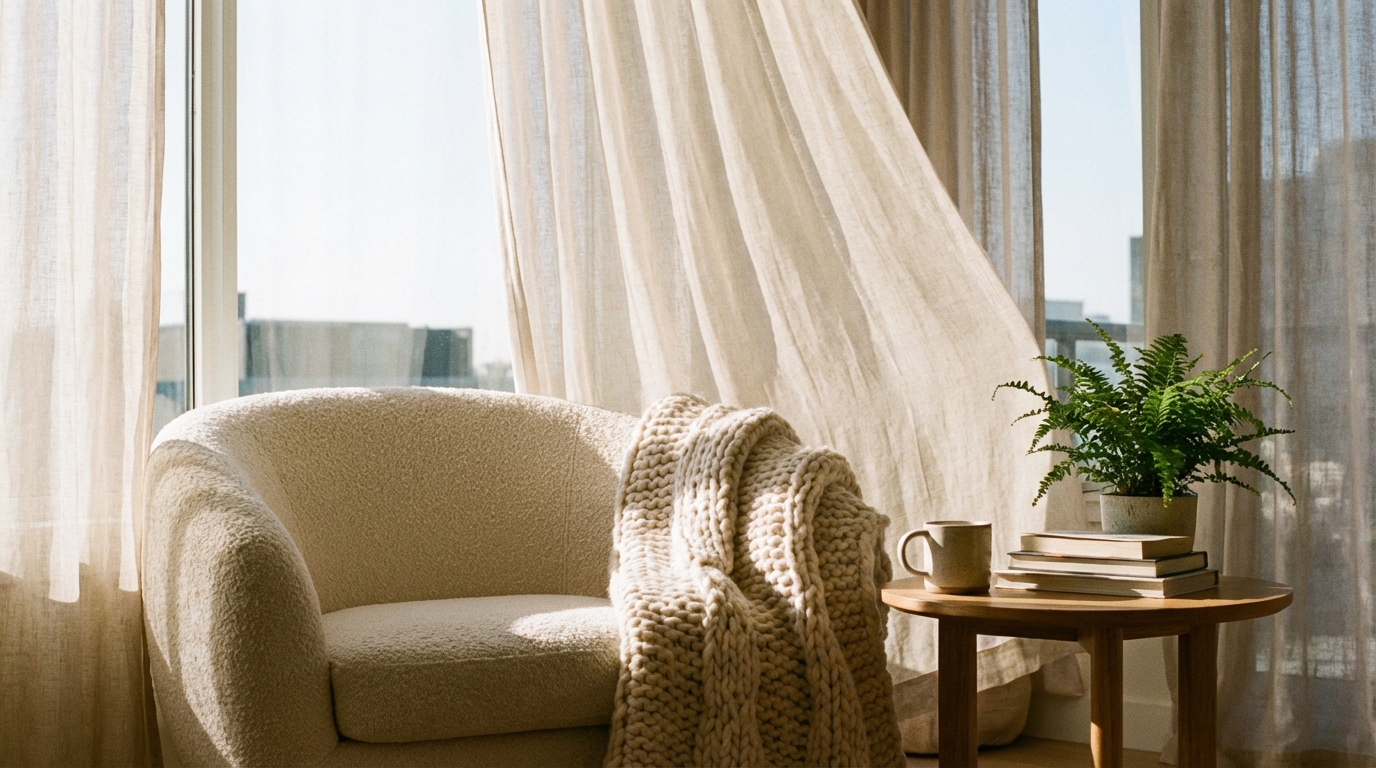
Improving comfort without renovating is about noticing how your home feels during everyday moments and making small changes that add up to a big impact. You do not need to knock down walls, replace floors, or start expensive projects to feel more relaxed at home. Comfort comes from light, temperature, sound, texture, organization, and the way your space supports daily habits. With a few thoughtful updates, you can make your home feel calmer, warmer, and easier to live in.
Understanding Comfort Beyond Renovation
Comfort is not just about how new or stylish a home looks. It is about how your body and mind respond to the space. A comfortable home feels welcoming when you walk in, supports rest when you are tired, and makes daily tasks easier. Renovations often focus on structure, but comfort usually comes from smaller details that affect your senses.
When you focus on comfort, you start to notice things like glare from a window, a chair that does not support your back, or a room that feels noisy or drafty. These issues can often be fixed with simple adjustments. Paying attention to these details helps you decide where small changes can make the biggest difference.
Using Lighting to Change How a Room Feels
Lighting has a strong effect on comfort. Harsh or poorly placed light can make a room feel cold and stressful, while soft and layered light creates a relaxed atmosphere. Many homes rely on a single overhead light, which can feel flat and tiring.
Adding table lamps, floor lamps, or wall lights can spread light more evenly and reduce glare. Warm light bulbs often feel more comfortable than cool ones, especially in living rooms and bedrooms. Dimmable bulbs or lamps with multiple brightness settings give you control over the mood at different times of day.
Natural light also plays a big role. Opening curtains during the day can lift your mood and make a room feel more open. If privacy is a concern, sheer curtains allow light in while still offering coverage. Cleaning windows regularly can also increase the amount of light coming in without any cost.
Managing Temperature and Airflow
Temperature affects comfort more than many people realize. Even a few degrees can change how relaxed you feel. Instead of adjusting your entire heating or cooling system, small changes can help regulate temperature in specific rooms.
Using draft blockers at doors and windows can prevent cold air from entering in winter and keep cool air inside during summer. Ceiling fans help move air and make rooms feel cooler without lowering the thermostat. In cooler months, reversing the fan direction can push warm air down from the ceiling.
Layering is another simple strategy. Keeping throw blankets in living areas allows you to adjust warmth without changing the thermostat. Area rugs can also help insulate floors and make rooms feel warmer underfoot.
Choosing Seating That Supports Your Body
Comfortable seating is essential for daily activities like reading, watching television, or working from home. You do not need to buy new furniture to improve comfort. Small additions and adjustments can make a big difference.
Seat cushions, lumbar pillows, and footrests can improve posture and reduce strain. A pillow behind your lower back can make a dining chair or sofa much more supportive. Footrests help reduce pressure on your legs when sitting for long periods.
Rearranging furniture can also improve comfort. Make sure chairs and sofas are positioned to allow easy conversation and clear walking paths. Avoid placing seating where it feels cramped or blocks natural movement through the room.
Adding Soft Textiles for Warmth and Calm
Textiles play a big role in how comfortable a home feels. Soft materials absorb sound, add warmth, and make spaces feel more inviting. Even a few changes can transform a room.
Throw blankets, pillows, and area rugs add layers of comfort. In bedrooms, quality bedding with breathable fabrics can improve sleep. Changing pillow covers or bed sheets with the seasons helps regulate temperature and keeps things feeling fresh.
Window treatments also matter. Curtains can soften a room, reduce drafts, and block excess sunlight when needed. Thicker curtains in bedrooms can help with sleep by blocking light and reducing noise from outside.
Reducing Noise for a Quieter Home
Noise can quietly increase stress levels, even when you are not fully aware of it. Reducing unwanted sound can greatly improve comfort, especially in busy households or urban areas.
Soft surfaces like rugs, curtains, and upholstered furniture absorb sound and reduce echo. Adding felt pads under chair and table legs prevents scraping noises. Door sweeps can block sound from hallways or outside.
Background sound can also help. A small fan, white noise machine, or soft music can mask sudden noises and create a more consistent sound environment. This is especially helpful in bedrooms and home offices.
Improving Comfort Through Smell
Smell is closely linked to comfort and memory. A pleasant scent can make a space feel cleaner and more relaxing. You do not need strong fragrances to make an impact.
Keeping your home well ventilated is the first step. Opening windows regularly helps remove stale air. Baking soda, charcoal, or natural deodorizers can absorb odors in kitchens, bathrooms, and closets.
Light scents from candles, essential oil diffusers, or fresh flowers can add comfort when used gently. Choosing scents you enjoy and associate with calm can make your home feel more personal and welcoming.
Decluttering to Create Mental Comfort
Clutter can make a space feel stressful and overwhelming. You do not need to aim for perfection. Small steps toward better organization can greatly improve comfort.
Start with areas you use daily, such as entryways, kitchen counters, and bedside tables. Clearing these spaces makes routines easier and reduces frustration. Simple storage solutions like baskets, hooks, and trays keep items organized without major changes.
Regularly removing items you no longer use helps maintain a sense of space. A less crowded room feels easier to breathe in and easier to clean, which adds to overall comfort.
Using Color to Influence Mood
Color affects how we feel in a space. You do not need to repaint entire rooms to enjoy the benefits of color. Small touches can have a big effect.
Adding color through pillows, artwork, or accessories allows you to experiment without commitment. Soft, neutral tones often create a calming atmosphere, while gentle blues and greens can feel refreshing.
If a room feels dull or heavy, adding lighter colors or brighter accents can lift the mood. Even changing lampshades or adding colorful books can make a space feel more lively.
Making Windows Work Better for You
Windows connect your home to the outside world. Improving how you use them can increase comfort without changing their structure.
Adjusting window coverings throughout the day helps control light and temperature. Opening windows when weather allows improves air quality and brings in fresh air. Screens allow airflow while keeping insects out.
Placing plants near windows can soften the view and create a calming connection to nature. Plants also help improve air quality and add a sense of life to a room.
Creating a More Comfortable Entryway
The entryway sets the tone for your home. A comfortable and organized entrance makes coming and going less stressful.
Adding a bench or chair makes it easier to put on shoes. Hooks or a small rack keep coats and bags off the floor. A simple rug helps trap dirt and adds warmth.
Good lighting in the entryway helps you feel safe and welcome. A small table or shelf for keys and mail reduces clutter and saves time when you are heading out.
Enhancing Bedroom Comfort for Better Rest
The bedroom should support rest and relaxation. Small changes here can have a big impact on sleep quality.
Keeping the bedroom cool, dark, and quiet helps promote better sleep. Blackout curtains, eye masks, or low lighting can reduce light disturbance. Soft rugs or slippers make getting out of bed more pleasant.
Decluttering nightstands and choosing calming colors create a peaceful environment. Comfortable pillows and breathable bedding support your body and help you wake up feeling refreshed.
Improving Bathroom Comfort Without Remodeling
Bathrooms can feel more comfortable with just a few simple updates. Soft, absorbent towels add a sense of luxury without high cost.
Non-slip bath mats improve safety and comfort. Good lighting around mirrors makes daily routines easier. Small storage solutions keep surfaces clear and make the space feel more open.
Keeping the bathroom well ventilated reduces moisture and odors, making it feel fresher and more comfortable every day.
Making the Kitchen More Pleasant to Use
The kitchen is often one of the busiest rooms in the home. Comfort here comes from ease of movement and organization.
Keeping frequently used items within reach reduces strain and saves time. Anti-fatigue mats in front of sinks or counters provide cushioning for your feet during long cooking sessions.
Good lighting over work areas improves visibility and reduces eye strain. Keeping countertops clear makes the kitchen feel calmer and more inviting.
Adding Comfort to Outdoor Spaces
Outdoor areas can be just as comfortable as indoor ones with a few small changes. Even a balcony or small patio can become a relaxing retreat.
Comfortable seating with cushions encourages you to spend more time outside. Outdoor rugs define the space and add warmth underfoot. Shade from umbrellas or curtains helps regulate temperature.
Lighting such as string lights or solar lamps makes outdoor spaces usable in the evening. Plants and greenery add privacy and a calming atmosphere.
Using Daily Habits to Maintain Comfort
Comfort is easier to maintain when it becomes part of your routine. Simple habits keep your home feeling good without extra effort.
Opening windows for a few minutes each day refreshes the air. Tidying up small messes regularly prevents clutter from building up. Adjusting lighting and temperature as the day changes helps your body stay comfortable.
Paying attention to how your home feels at different times helps you make small adjustments before discomfort builds. These habits support long-term comfort without major changes.
Personalizing Spaces for Emotional Comfort
Emotional comfort is just as important as physical comfort. Personal touches make a home feel safe and familiar.
Displaying photos, artwork, or items with personal meaning creates a sense of belonging. Choosing decor that reflects your tastes helps you relax and feel at ease.
Comfort improves when your home supports who you are and how you live. Small changes that reflect your personality often have a bigger impact than expensive updates.
Adjusting Room Layouts for Better Flow
The way a room is arranged affects how comfortable it feels. You do not need new furniture to improve flow.
Making sure there is enough space to walk comfortably through a room reduces stress and accidents. Moving furniture away from doorways and pathways creates a more open feeling.
Grouping furniture by function, such as seating for conversation or reading, helps rooms feel more purposeful and comfortable to use.
Maintaining Comfort Through Seasonal Changes
Comfort needs change with the seasons. Small seasonal adjustments keep your home feeling right all year.
In warmer months, lighter fabrics, increased airflow, and cooler colors help keep spaces feeling fresh. In cooler months, thicker textiles, warmer lighting, and cozy layers add warmth.
Rotating decor and textiles with the seasons keeps your home feeling new and comfortable without major expense.
Supporting Comfort Through Cleanliness
A clean home often feels more comfortable, even if it is not perfectly organized. Regular light cleaning prevents dirt and dust from building up.
Focusing on high-touch areas like floors, countertops, and bathrooms improves comfort and hygiene. Using cleaning products with mild or pleasant scents can also enhance the feeling of freshness.
Breaking cleaning into small tasks makes it easier to maintain comfort without feeling overwhelmed.
Encouraging Relaxation Through Simple Rituals
Comfort is not only about physical changes but also about how you use your space. Simple rituals can make your home feel more soothing.
Lighting a lamp in the evening, playing soft music, or enjoying a quiet moment in a favorite chair helps signal your body to relax. These small actions build a sense of comfort and routine.
When your home supports moments of rest and enjoyment, comfort becomes part of everyday life without the need for renovation.