
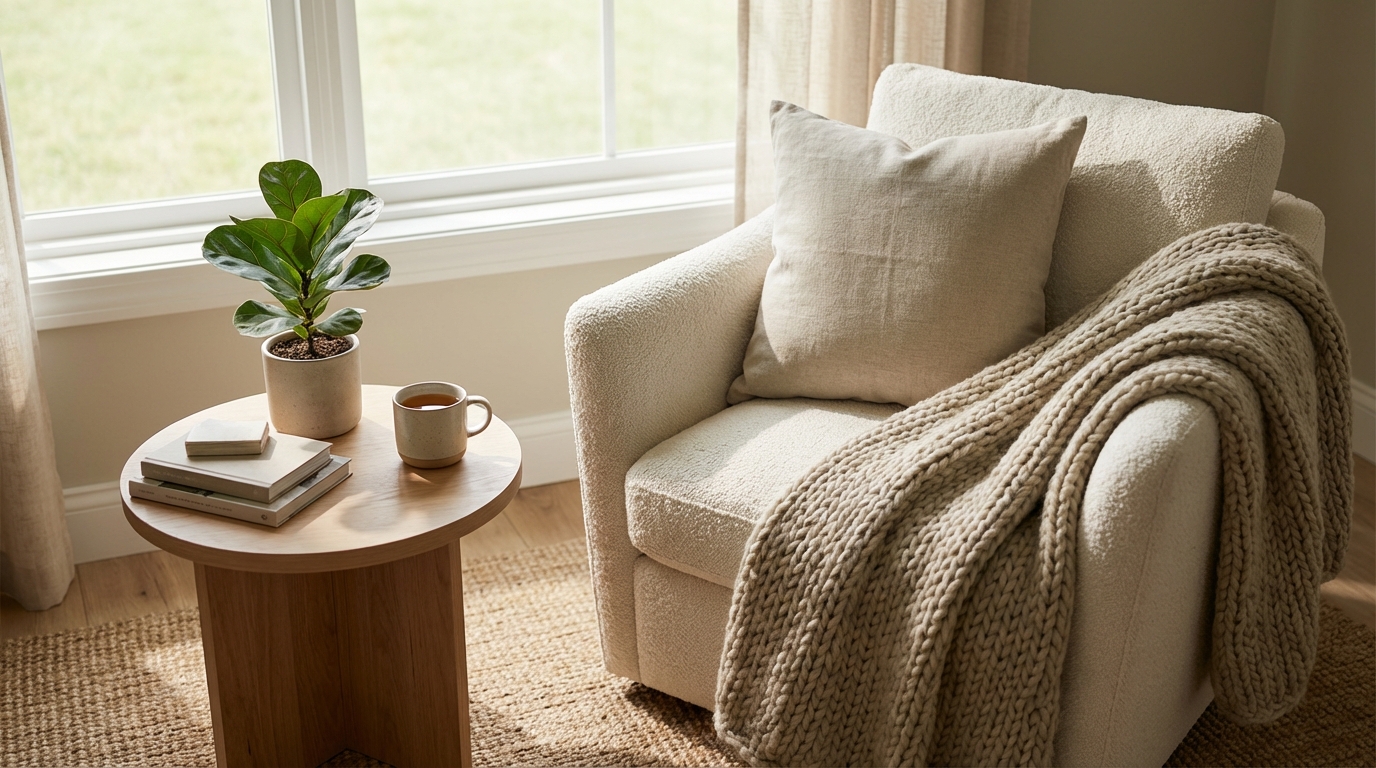
Making your home more comfortable does not always require a big budget, a long timeline, or professional help. Many small, low-effort improvements can make a noticeable difference in how your home feels day to day. These changes often pay off quickly through better comfort, lower stress, improved energy use, and even higher home value. Whether you rent or own, there are simple upgrades that fit into busy schedules and modest budgets while still delivering real benefits.
Why Low-Effort Improvements Matter
Home improvement is often pictured as messy, expensive, and overwhelming. In reality, many upgrades are simple and can be done in small steps. Low-effort improvements matter because they remove daily annoyances. They make rooms more pleasant to use, improve air and light, and help your home work better for your lifestyle.
Small changes also help build momentum. When you see quick results, it becomes easier to keep improving your space over time. These projects often require basic tools, little planning, and minimal disruption to your daily routine.
Lighting Changes That Instantly Improve Comfort
Lighting affects mood, focus, and comfort more than most people realize. Simple lighting upgrades can completely change how a room feels without major rewiring.
Switch to LED Bulbs
Replacing old incandescent or CFL bulbs with LED bulbs is one of the easiest upgrades you can make. LED bulbs use less energy, last much longer, and produce less heat. This helps keep rooms cooler, especially in warmer months.
LED bulbs are available in different color temperatures. Warm white bulbs create a cozy feel for living rooms and bedrooms. Cool white or daylight bulbs work better in kitchens, bathrooms, and workspaces where visibility matters.
Add Lamps Instead of Overhead Lighting
Overhead lights can feel harsh and uninviting. Adding floor lamps or table lamps creates softer light and reduces eye strain. This simple change makes rooms feel more relaxed and comfortable.
Lamps also give you more control over lighting levels. You can adjust light based on time of day or activity without installing dimmer switches.
Install Motion Sensor Lights
Motion sensor lights are easy to install and improve comfort in hallways, closets, garages, and outdoor areas. They turn on automatically when you need light and turn off when you do not.
This reduces the need to fumble for switches and helps save energy. Battery-powered options make installation quick and tool-free.
Simple Temperature and Air Quality Improvements
Comfort is closely tied to temperature and air quality. Small adjustments can help your home feel more pleasant year-round.
Use Draft Stoppers and Door Seals
Drafts can make rooms feel cold in winter and warm in summer. Draft stoppers and adhesive door seals are inexpensive and easy to install. They block air leaks around doors and windows.
These simple items help maintain indoor temperatures and reduce heating and cooling costs. They also reduce dust and noise coming from outside.
Upgrade to a Smart or Programmable Thermostat
Smart and programmable thermostats are low-effort upgrades with long-term benefits. They allow you to set schedules that match your routine, so your home stays comfortable when you are there and saves energy when you are not.
Many models are easy to install and can be controlled from a phone. Even small temperature adjustments throughout the day can improve comfort and lower energy bills.
Add Houseplants for Better Air
Houseplants are a simple way to improve air quality and comfort. Plants help increase humidity and can make indoor air feel fresher.
Low-maintenance plants like snake plants, pothos, and peace lilies require little care and thrive in many indoor conditions. They also add a calming, natural feel to your home.
Quick Kitchen Upgrades with Daily Benefits
The kitchen is one of the most used spaces in a home. Small upgrades here can make daily tasks easier and more enjoyable.
Replace Cabinet Hardware
Swapping out old cabinet knobs and pulls is a fast, low-cost way to refresh your kitchen. New hardware can improve grip and make cabinets easier to open.
This change also updates the look of your kitchen without the cost of new cabinets. Many hardware options install with just a screwdriver.
Install Peel-and-Stick Backsplash
Peel-and-stick backsplash tiles are designed for easy installation. They protect walls from splashes and make cleanup easier.
These tiles come in many styles and can be removed later, making them renter-friendly. The visual improvement can make the kitchen feel cleaner and brighter.
Organize Drawers and Cabinets
Simple organizers can make a big difference in kitchen comfort. Drawer dividers, shelf risers, and pull-out bins help keep items easy to find.
Better organization reduces clutter and saves time during meal prep. It also makes the kitchen feel calmer and more functional.
Bathroom Changes That Improve Daily Comfort
Bathrooms are small spaces where comfort matters. Simple upgrades can make mornings and evenings more pleasant.
Upgrade the Showerhead
Replacing a showerhead is one of the easiest bathroom upgrades. Many modern showerheads improve water pressure while using less water.
This upgrade can make showers feel more relaxing and efficient. Installation usually takes less than 15 minutes and requires few tools.
Add Better Storage Solutions
Clutter can quickly make a bathroom feel cramped. Adding shelves, over-the-toilet storage, or small cabinets improves organization.
Clear countertops make cleaning easier and create a more comfortable space to use every day.
Replace Old Toilet Seats and Fixtures
Old toilet seats and worn fixtures can affect comfort and hygiene. Replacing them is simple and inexpensive.
Soft-close toilet seats reduce noise and wear. New faucet handles can improve ease of use and update the look of the bathroom.
Bedroom Upgrades for Better Rest
The bedroom should support rest and relaxation. Low-effort changes can greatly improve sleep quality and comfort.
Improve Window Treatments
Better curtains or blinds can block light, reduce noise, and help control temperature. Blackout curtains are especially helpful for light sleepers.
Thermal curtains also help keep rooms cooler in summer and warmer in winter, improving overall comfort.
Upgrade Bedding Instead of Furniture
New bedding can make a bigger difference than new furniture. Comfortable sheets, supportive pillows, and a quality mattress topper improve sleep without major expense.
Choosing breathable fabrics helps regulate body temperature and reduces nighttime discomfort.
Add Soft Lighting for Nighttime Comfort
Soft bedside lamps or wall lights make it easier to relax before bed. Warm light helps signal your body that it is time to rest.
Using lower light levels in the evening can improve sleep routines and reduce eye strain.
Living Room Improvements That Increase Comfort
The living room is often a shared space for relaxing, working, and entertaining. Small improvements help it adapt to different needs.
Rearrange Furniture for Better Flow
Simply rearranging furniture can make a room feel larger and more comfortable. Creating clear walking paths reduces frustration and makes the space easier to use.
Position seating to encourage conversation and make sure commonly used items are within easy reach.
Add Area Rugs for Warmth and Sound Control
Area rugs add warmth underfoot and help absorb sound. This makes rooms feel quieter and more comfortable.
Rugs also define spaces in open layouts, helping the room feel organized and cozy.
Use Throw Blankets and Pillows
Throw blankets and pillows add comfort with very little effort. They make seating more inviting and allow you to adjust warmth as needed.
These items are easy to change seasonally, helping the room stay comfortable year-round.
Entryway and Hallway Comfort Upgrades
Entryways and hallways are often overlooked, but small changes here improve daily routines.
Add Hooks and Shoe Storage
Wall hooks and shoe racks keep coats, bags, and shoes organized. This reduces clutter and makes it easier to get in and out of the house.
Organization in these areas prevents mess from spreading into other rooms.
Improve Lighting in Walkways
Hallways and entryways need good lighting for safety and comfort. Adding wall lights or brighter bulbs improves visibility.
Well-lit walkways make the home feel welcoming and easier to navigate, especially at night.
Use Mats and Runners
Mats and runners protect floors and add comfort underfoot. They also help keep dirt and moisture from spreading through the home.
Non-slip options improve safety while adding a decorative touch.
Low-Effort Outdoor Improvements
Outdoor spaces affect how you feel about your home as a whole. Simple upgrades can make these areas more usable and enjoyable.
Add Solar-Powered Outdoor Lights
Solar lights are easy to install and require no wiring. They improve safety and visibility around walkways, patios, and entrances.
These lights charge during the day and turn on automatically at night, adding convenience and comfort.
Upgrade Seating with Cushions
Outdoor seating becomes much more comfortable with cushions. This small upgrade encourages you to spend more time outside.
Weather-resistant cushions are easy to maintain and can be stored when not in use.
Create Simple Shade Solutions
Umbrellas, shade sails, or temporary canopies reduce heat and glare. They make outdoor spaces more comfortable during warm weather.
These solutions are affordable and can be adjusted or removed as needed.
Sound and Noise Comfort Improvements
Noise affects comfort and stress levels. Simple changes can help create a quieter home.
Use Soft Furnishings to Absorb Sound
Curtains, rugs, and upholstered furniture absorb sound and reduce echo. Adding these items makes rooms feel calmer.
This is especially helpful in homes with hard floors and high ceilings.
Seal Gaps That Let in Noise
Weatherstripping and door sweeps not only block drafts but also reduce noise. Sealing gaps around windows and doors keeps outside sounds out.
This small effort improves both comfort and privacy.
Add White Noise Options
White noise machines or fans can help mask unwanted sounds. This is useful in bedrooms and home offices.
Consistent background noise can make sudden sounds less noticeable and improve focus and rest.
Organization Improvements That Reduce Daily Stress
A well-organized home feels more comfortable and easier to live in. Small organizational upgrades can have a big impact.
Use Storage Bins and Labels
Storage bins keep items grouped and easy to find. Labels help everyone in the household know where things belong.
This reduces time spent searching for items and keeps spaces looking tidy.
Declutter One Area at a Time
Decluttering does not have to be overwhelming. Focusing on one drawer, shelf, or corner at a time makes the task manageable.
Less clutter improves mental comfort and makes rooms easier to clean.
Create Drop Zones for Everyday Items
Designated spots for keys, mail, and bags prevent clutter from building up. Simple trays or baskets work well.
This small change improves daily routines and reduces frustration.
Small Maintenance Tasks That Pay Off
Basic maintenance is often low effort and has a strong impact on comfort.
Replace Air Filters Regularly
Clean air filters improve air quality and help heating and cooling systems work better. Replacing filters is quick and inexpensive.
Better airflow makes the home feel more comfortable and reduces dust buildup.
Tighten Loose Handles and Hinges
Loose door handles, cabinet doors, and hinges can be annoying. Tightening them improves function and prevents further wear.
This small task makes the home feel well cared for and easier to use.
Touch Up Paint in High-Use Areas
Scuffed walls and chipped paint can make a home feel worn. Touch-up paint refreshes these areas quickly.
Fresh-looking walls improve the overall feel of a room without the effort of full repainting.