
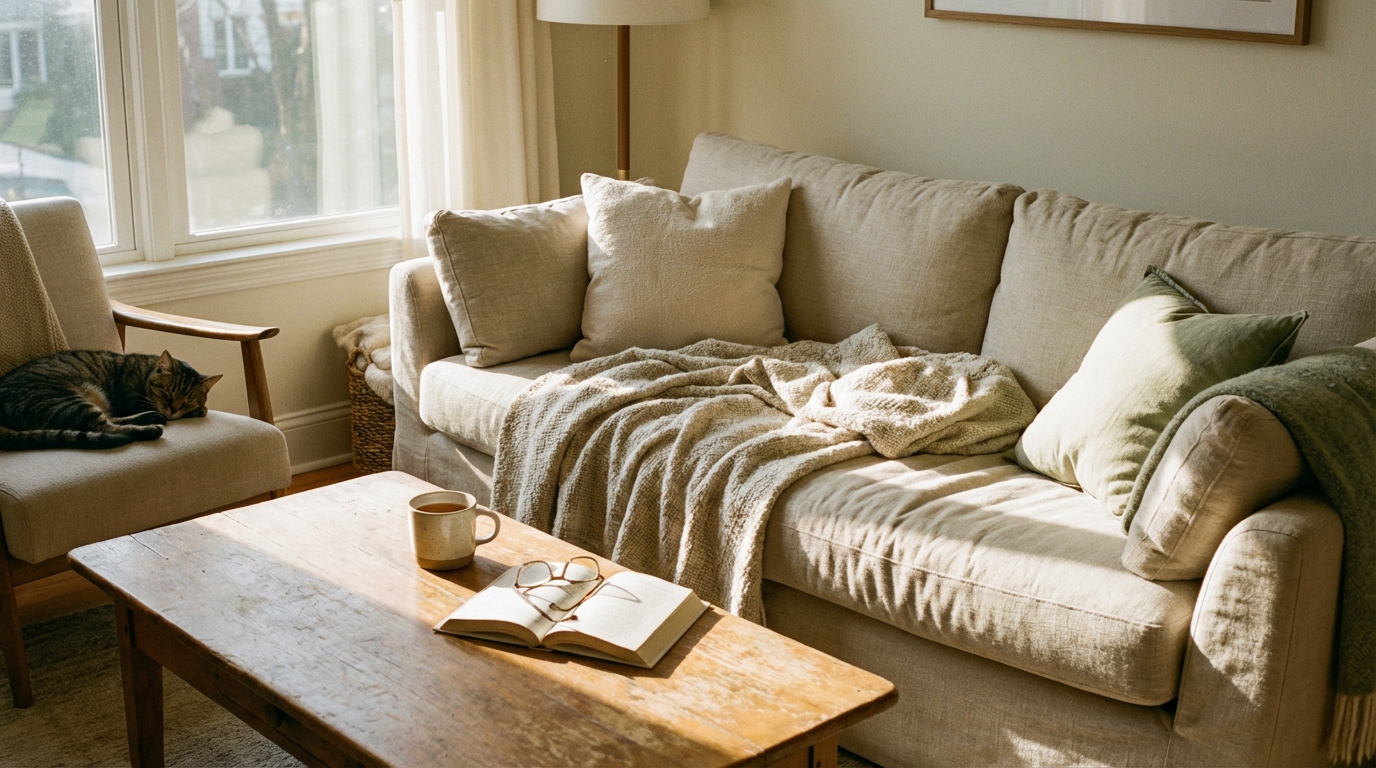
Comfort is often talked about as a bonus in home design, something added after the space already looks good. In reality, comfort should come first. Homes and gardens are used every day. They are places where people sit, walk, cook, rest, work, and spend time with family and friends. When comfort leads the design process, spaces become easier to live in, easier to maintain, and more enjoyable over time. Designing for comfort does not mean giving up style. It means choosing layouts, materials, and details that support daily life.
Understanding Comfort in Design
Comfort in design goes beyond soft couches or warm blankets. It includes how a space feels, how it works, and how it supports the people using it. A comfortable home allows movement without obstacles, provides good lighting, manages noise, and maintains a pleasant temperature. It also considers emotional comfort, such as feeling relaxed, safe, and welcome.
Designing with comfort in mind starts by thinking about how a space will be used each day. A living room may look beautiful in photos, but if seating is stiff or arranged too far apart, people will not enjoy spending time there. A kitchen might look sleek, but if counters are too high or storage is hard to reach, daily tasks become frustrating.
Physical Comfort
Physical comfort includes how furniture supports the body, how floors feel underfoot, and how easy it is to move around. Chairs should support the back and legs. Beds should match sleep needs. Floors should not be too slippery or too hard in areas where people stand for long periods.
Temperature also plays a big role. A comfortable home stays warm in winter and cool in summer without extreme effort. Proper insulation, window placement, and airflow all help create stable indoor temperatures.
Emotional Comfort
Emotional comfort is about how a space makes people feel. Soft lighting, calm colors, and familiar textures can lower stress. Spaces that feel cluttered or too busy can cause tension, even if they look interesting. A comfortable design allows the mind to rest.
Personal items also matter. Photos, books, and meaningful objects add a sense of belonging. Comfort-focused design leaves room for these personal touches instead of forcing everything to match a strict style.
Designing for Daily Routines
Daily routines shape how a home should be designed. Morning, afternoon, and evening activities all have different needs. Comfort-focused design pays attention to these patterns and supports them.
Morning Flow
Mornings are often busy. Bathrooms, kitchens, and entryways need to work smoothly. In bathrooms, enough counter space prevents clutter. Good lighting helps with grooming. Non-slip flooring adds safety when floors are wet.
In the kitchen, clear pathways make it easier to prepare breakfast. Frequently used items should be easy to reach. Seating for quick meals or coffee breaks adds comfort to rushed mornings.
Daytime Use
Many people spend part of the day at home working, studying, or managing household tasks. Comfortable design supports focus and movement. Work areas need supportive chairs, proper desk height, and good lighting to reduce eye strain.
Spaces should also allow breaks. A comfortable chair near a window or a small outdoor seating area can provide a place to relax and reset during the day.
Evening Wind-Down
Evenings are for rest and connection. Living rooms should encourage relaxation with soft seating and warm lighting. Bedrooms should feel calm and quiet, with window treatments that block unwanted light and noise.
Designing for evening comfort also includes sound control. Rugs, curtains, and soft furniture help absorb noise and create a peaceful atmosphere.
Furniture Choices That Support Comfort
Furniture plays a major role in daily comfort. Choosing the right pieces involves more than style and size. Comfort-focused furniture supports the body, fits the space, and adapts to changing needs.
Seating That Invites Use
Seating should feel inviting. Sofas and chairs should allow people to sit comfortably for long periods without stiffness or pain. Seat depth, cushion firmness, and back support all matter.
It is helpful to offer different types of seating in one room. Some people prefer upright chairs, while others like to lounge. A mix of options makes the space comfortable for everyone.
Tables and Surfaces
Tables should be at the right height for their purpose. Dining tables that are too high or too low can cause discomfort during meals. Coffee tables should be easy to reach without straining.
Surfaces should also be practical. Materials that are easy to clean and resistant to daily wear reduce stress and save time.
Beds and Sleep Comfort
Sleep is essential for health, making bedroom comfort a top priority. Mattresses should support the body properly, aligning the spine and reducing pressure points. Bedding should suit the climate and personal preferences.
Bed height matters too. A bed that is too low or too high can be difficult to get in and out of, especially for older adults or people with mobility issues.
Lighting as a Comfort Tool
Lighting affects comfort more than many people realize. Good lighting supports vision, mood, and daily activities. Poor lighting can cause headaches, eye strain, and frustration.
Natural Light
Natural light improves mood and helps regulate sleep cycles. Designing spaces to allow daylight inside makes them feel open and welcoming. Windows, skylights, and glass doors all help bring in light.
At the same time, it is important to control glare and heat. Curtains, blinds, and shades allow people to adjust light levels throughout the day.
Layered Lighting
Comfortable lighting comes from layers. Ambient lighting provides overall brightness. Task lighting focuses on specific activities like reading or cooking. Accent lighting adds warmth and visual interest.
Having multiple light sources allows people to adjust the space based on time of day and activity. Dimmer switches add flexibility and comfort.
Color and Texture for Comfort
Color and texture influence how a space feels. Comfort-focused design uses these elements to create calm and balance.
Color Choices
Soft, neutral colors often feel calming and timeless. They create a gentle background that does not overwhelm the senses. Warm tones can make a space feel cozy, while cool tones can feel refreshing.
Bright colors can still be used, but they work best as accents rather than main colors. This approach adds personality without causing visual stress.
Textures That Feel Good
Texture adds comfort by engaging the sense of touch. Soft fabrics, natural wood, and woven materials make spaces feel inviting. Smooth, cold surfaces can look modern but may feel uncomfortable if overused.
Mixing textures creates balance. For example, a soft rug on a hard floor adds warmth and reduces noise.
Comfort in Open and Closed Layouts
Layout choices affect comfort by shaping how people move and interact in a space. Both open and closed layouts can be comfortable if designed thoughtfully.
Open Spaces
Open layouts allow easy movement and connection between areas. They work well for families and social gatherings. To keep open spaces comfortable, designers use furniture placement, rugs, and lighting to define zones.
Noise control is important in open spaces. Soft materials and thoughtful placement of activity areas help reduce sound travel.
Closed Spaces
Closed layouts offer privacy and quiet. They are ideal for bedrooms, home offices, and bathrooms. Comfort comes from proper room size, good ventilation, and sound insulation.
Even in closed spaces, clear pathways and flexible furniture arrangements support ease of use.
Designing Comfortable Kitchens
The kitchen is one of the most used spaces in a home. Comfort here improves daily life and reduces physical strain.
Work Zones
Comfortable kitchens are organized into clear work zones for cooking, cleaning, and storage. This layout reduces unnecessary movement and makes tasks smoother.
Counter height should suit the main users. In some homes, varied counter heights work better than one standard level.
Storage Accessibility
Storage should be easy to reach. Deep cabinets and high shelves can cause strain. Pull-out drawers, lazy shelves, and clear organization improve comfort.
Frequently used items should be stored at waist or chest height to reduce bending and stretching.
Bathrooms Designed for Ease
Bathrooms should feel clean, safe, and easy to use. Comfort-focused design improves both function and relaxation.
Safe Surfaces
Non-slip flooring reduces the risk of falls. Matte finishes often provide better grip than glossy ones. Grab bars and sturdy towel bars add support without sacrificing style.
Comfortable Fixtures
Fixtures should be easy to use. Lever-style handles are more comfortable than knobs. Showers with adjustable heads allow users to customize water flow and height.
Enough space around fixtures prevents cramped movement and improves comfort for users of all ages.
Comfort in Bedrooms
Bedrooms are personal spaces where comfort is essential. Good design supports rest, privacy, and relaxation.
Sound and Light Control
Reducing noise helps improve sleep quality. Soft furnishings, door seals, and thoughtful room placement help block unwanted sounds.
Window coverings that block light allow better sleep, especially for people sensitive to early morning sun or streetlights.
Storage and Clutter Control
Clutter can cause stress. Comfortable bedrooms include enough storage to keep surfaces clear. Closets, dressers, and under-bed storage all help maintain order.
When everything has a place, the room feels calmer and more restful.
Living Rooms That Support Connection
Living rooms are gathering spaces. Comfort here supports conversation, relaxation, and shared activities.
Furniture Arrangement
Furniture should be arranged to encourage interaction. Seating facing each other supports conversation better than seating focused only on a screen.
Clear pathways allow easy movement without stepping around furniture.
Flexible Use
Comfortable living rooms adapt to different activities. Reading, watching movies, playing games, or hosting guests all require flexibility. Movable furniture and layered lighting help the room adjust easily.
Comfort Outdoors: Gardens and Patios
Comfort-focused design extends beyond indoor spaces. Gardens, patios, and balconies are also part of daily life.
Comfortable Seating Outside
Outdoor seating should be as comfortable as indoor seating. Cushions, back support, and shade make outdoor areas more usable.
Materials should handle weather while still feeling pleasant to touch.
Shade and Shelter
Comfort outdoors depends on protection from sun, wind, and rain. Pergolas, umbrellas, and trees provide shade. Wind screens and covered areas extend the time people can enjoy the space.
Paths and Surfaces
Garden paths should be even and easy to walk on. Rough or unstable surfaces can cause discomfort and safety issues. Good lighting along paths improves visibility and comfort at night.
Accessibility as a Part of Comfort
True comfort includes accessibility. Designing spaces that are easy for everyone to use improves daily life and future-proofs the home.
Wide Pathways
Wide doorways and hallways make movement easier for people carrying items, using mobility aids, or pushing strollers.
Simple Controls
Light switches, thermostats, and door handles should be easy to reach and operate. Clear labeling and logical placement improve comfort for all users.
Balancing Comfort and Style
Comfort and style are not opposites. A well-designed space can be both attractive and comfortable. The key is to let comfort guide decisions instead of treating it as an afterthought.
When comfort is the priority, homes and gardens become places that support real life. They feel welcoming, functional, and personal. Over time, these spaces age well because they are built around how people actually live, not just how they want their homes to look.