
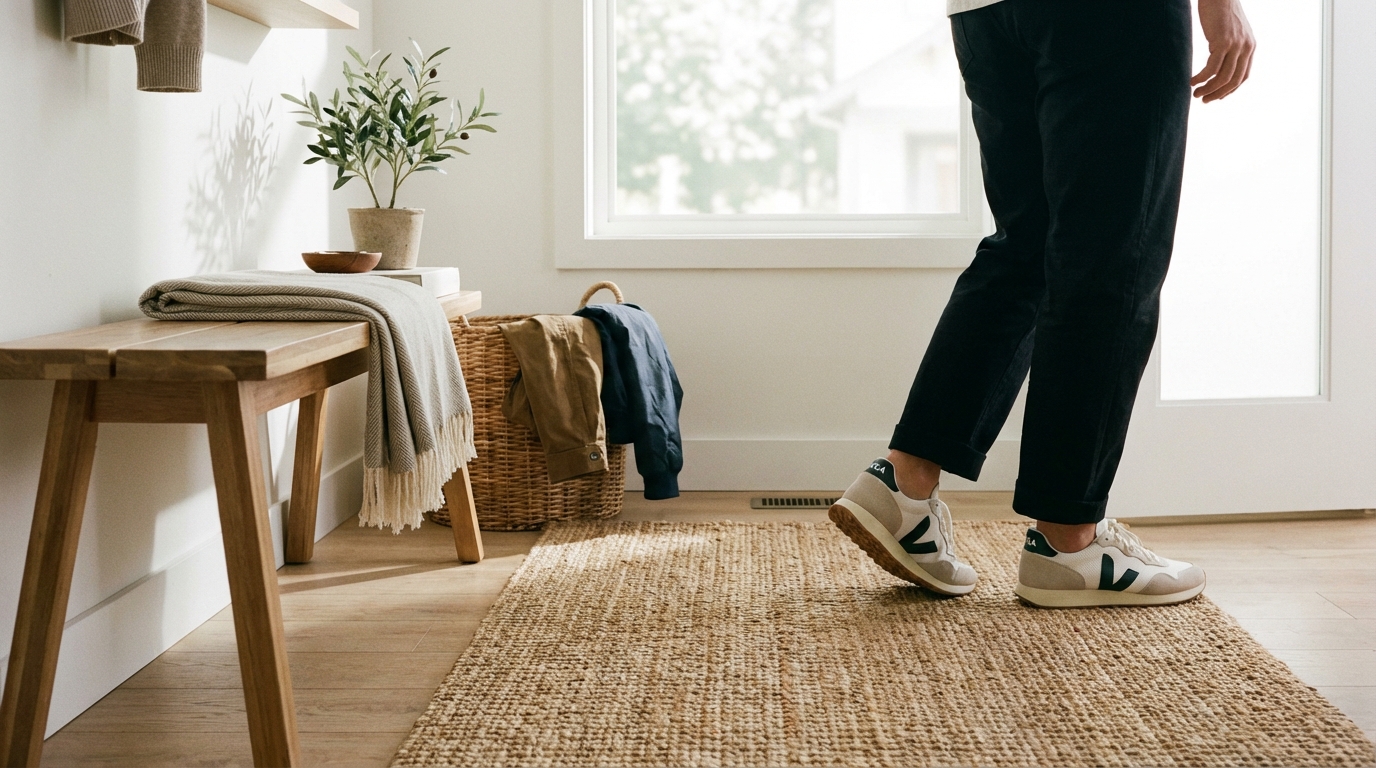
Entryways are the front line of a home. They catch shoes, bags, coats, mail, sports gear, and all the small items that travel in and out every day. When this space works well, the whole house feels calmer. When it does not, clutter spreads quickly. Making entryways work harder is about designing systems that match real life, not picture-perfect rooms. High-traffic areas need smart organization, durable materials, and clear routines that are easy to follow for everyone in the household.
Why Entryways Matter More Than We Think
An entryway sets the tone for the home. It is the first space you see when you walk in and the last space you pass through when you leave. Because of this, it carries a heavy load both visually and practically. Dirt, moisture, and clutter often stop here before moving deeper into the house. A well-organized entryway helps protect floors, keeps allergens contained, and reduces daily stress.
High-traffic areas need to work harder than other rooms. They must handle frequent use, quick drop-offs, and fast exits. Entryways also serve multiple people with different habits and schedules. Designing for this reality means thinking beyond style and focusing on flow, storage, and durability.
Understanding Traffic Patterns
Before adding hooks or shelves, it helps to observe how the entryway is actually used. Notice where people naturally place their keys, shoes, and bags. Pay attention to bottlenecks, such as doors that swing into storage areas or narrow walkways that collect clutter. These patterns show what the space needs to support.
Some homes have a formal front door that sees little use and a busy side or garage entrance that handles most daily traffic. In these cases, the main organizing effort should focus on the door that works hardest. Organizing a rarely used space while ignoring the real entry point often leads to frustration.
Creating Clear Zones
One of the most effective ways to organize an entryway is by creating zones. Zones give each type of item a clear home, which makes it easier to keep the space tidy. Common zones include a drop zone, a shoe zone, a coat zone, and a grab-and-go zone.
A drop zone is where items land as soon as someone walks in. This might include a small table, shelf, or tray for keys, phones, wallets, and mail. Keeping this zone simple prevents it from turning into a clutter magnet.
The shoe zone should be easy to reach and sized for the household. Families with children or guests may need more shoe storage than a single person. Open racks encourage airflow and quick access, while closed cabinets hide visual clutter.
The coat zone often includes hooks, a rack, or a closet. Hooks placed at different heights make it easier for children to hang their own items. This small detail supports independence and keeps coats off the floor.
Choosing the Right Storage Solutions
Storage in entryways must balance capacity with accessibility. Items used every day should be easy to reach without opening multiple doors or moving other objects. Less-used items can be stored higher or in closed containers.
Open storage, such as hooks and shelves, works well for busy households because it is fast and visible. It also encourages people to put items away since there is no extra step. Closed storage, like cabinets and drawers, creates a cleaner look but requires discipline to maintain.
Modular storage systems are useful in high-traffic areas because they can adapt as needs change. Adjustable shelves, movable bins, and expandable racks allow the entryway to grow with the household.
Making the Most of Wall Space
Walls are often underused in entryways. Vertical storage frees up floor space and keeps pathways clear. Wall-mounted hooks, peg rails, and narrow shelves add function without crowding the room.
Installing hooks in a line rather than a cluster helps prevent items from overlapping. Spacing hooks evenly allows coats and bags to hang properly, which reduces wrinkles and makes items easier to grab.
Magnetic strips or small wall organizers can hold keys, sunglasses, and other small metal items. This keeps essentials visible and prevents last-minute searching.
Flooring That Can Handle Traffic
Entryway floors face more wear than most areas of the home. Dirt, water, and grit can damage surfaces over time. Choosing durable, easy-to-clean flooring helps the space work harder with less effort.
Tile, stone, vinyl, and sealed concrete are popular choices because they resist moisture and scratches. Area rugs and runners add warmth and style while protecting the floor beneath. Washable rugs are especially useful in high-traffic homes.
Placing a sturdy doormat outside and another inside creates a double barrier against dirt. This simple step reduces cleaning and protects the rest of the house.
Furniture That Earns Its Place
Every piece of furniture in an entryway should serve a clear purpose. Benches are one of the most useful additions because they offer seating and storage. Sitting down to put on shoes is more comfortable and safer for all ages.
Storage benches with lift-up lids or cubbies provide a place for shoes, bags, or seasonal gear. Narrow console tables work well in tight spaces and can hold trays, baskets, or lamps.
When choosing furniture, scale matters. Oversized pieces can block traffic and make the space feel cramped. Slim profiles and open legs help maintain a sense of flow.
Lighting for Safety and Function
Good lighting is essential in entryways, especially in homes with early mornings or late evenings. Bright, even lighting helps people see steps, find items, and avoid accidents.
Overhead lighting provides general illumination, while wall sconces or table lamps add warmth and reduce shadows. Motion-sensor lights are helpful in high-traffic areas because they turn on automatically when hands are full.
Natural light also plays a role. Keeping windows clear or using light-filtering treatments allows daylight to brighten the space and improve visibility.
Managing Mail and Paper
Mail often enters the home through the entryway, and without a plan, it can pile up quickly. A simple sorting system helps control paper clutter before it spreads.
Wall-mounted file holders, small bins, or labeled trays can separate incoming mail into categories such as to read, to pay, or to file. Placing a recycling bin nearby makes it easy to discard junk mail right away.
Setting a routine for handling mail, such as sorting it daily or weekly, keeps the system working over time.
Seasonal Rotation and Flexibility
Entryways need to change with the seasons. Heavy coats, boots, and umbrellas take up more space than summer accessories. Rotating items keeps the entryway from becoming overcrowded.
Storing off-season items in closets, bins, or other rooms frees up space for what is currently needed. Labeling bins makes seasonal swaps faster and easier.
Flexibility is key. Hooks that can hold different items, shelves that adjust in height, and baskets that move easily all support changing needs throughout the year.
Organizing for Families
Families often have the busiest entryways. Each person brings their own belongings, schedules, and habits. Creating personal zones within the entryway helps reduce mix-ups and clutter.
Assigning a hook, cubby, or basket to each family member makes it clear where items belong. Labels or color-coding can help younger children remember their spots.
Including a small message board or calendar in the entryway supports communication. Notes about schedules, reminders, or school events can be seen as people come and go.
Small Entryways That Still Work Hard
Not all homes have large entryways, but even a small space can be highly functional. The key is choosing compact solutions that serve multiple purposes.
Floating shelves, over-the-door hooks, and narrow shoe racks maximize storage without taking up much room. A small tray on a shelf can serve as a drop zone without blocking movement.
Mirrors are especially useful in small entryways. They reflect light, make the space feel larger, and provide a last check before heading out.
Large Entryways and Open Plans
Larger entryways or open-plan spaces present different challenges. Without clear boundaries, clutter can spread and the area can feel undefined.
Using rugs, furniture placement, or changes in lighting helps define the entryway zone. This visual separation signals where items should be placed and where the rest of the home begins.
In open spaces, consistency in storage style and color helps maintain a cohesive look while still offering plenty of function.
Durability and Easy Maintenance
High-traffic areas benefit from materials and finishes that are easy to clean and maintain. Washable fabrics, wipeable surfaces, and sturdy hardware hold up better over time.
Baskets made from plastic or coated materials are easier to clean than natural fibers in muddy or wet climates. Metal hooks and handles tend to be more durable than lightweight alternatives.
Keeping cleaning supplies nearby, such as a small broom or wipes, makes quick touch-ups easy and encourages regular upkeep.
Supporting Accessibility and Safety
An entryway should be safe and accessible for all users. Clear pathways reduce the risk of trips and falls. Storage placed within easy reach supports people with limited mobility.
Non-slip rugs, secure benches, and sturdy handholds add safety without sacrificing style. Lighting that turns on easily improves visibility and confidence.
Thinking about accessibility from the start helps the entryway serve everyone comfortably.
Including Pets in the Plan
Pets often add to entryway traffic with leashes, toys, towels, and food bowls. Including pet storage in the design keeps these items organized and ready to use.
Hooks near the door for leashes and harnesses make walks easier. A small bin or drawer can hold waste bags, treats, and grooming tools.
Placing a mat or towel area near the door helps manage muddy paws before pets move into the house.
Handling Weather and Outdoor Gear
Rain, snow, and heat all affect what the entryway needs to handle. Planning for weather keeps the space functional year-round.
Umbrella stands, boot trays, and water-resistant mats protect floors and make cleanup easier. In colder climates, space for hats, gloves, and scarves is essential.
In warmer areas, storage for hats, sunscreen, and reusable bags supports daily routines and outdoor activities.
Balancing Style and Function
An entryway can be both practical and welcoming. Color, texture, and personal touches make the space feel intentional rather than purely utilitarian.
Using a consistent color palette helps storage elements blend into the space. Decorative baskets and attractive hooks add personality while serving a purpose.
Artwork, plants, or a small decorative object can add warmth as long as they do not interfere with function.
Budget-Friendly Improvements
Making an entryway work harder does not require a large budget. Small changes can have a big impact on organization and ease of use.
Adding hooks, rearranging furniture, or using baskets from other rooms can improve function quickly. Repurposing items, such as using a bookshelf as shoe storage, stretches resources.
Focusing on the biggest pain points first ensures that time and money are spent where they matter most.
DIY Ideas for Custom Solutions
Do-it-yourself projects allow entryways to be tailored to specific needs. Simple builds like wall-mounted coat racks, shoe shelves, or bench seating can be customized in size and style.
Using durable materials and secure mounting is important in high-traffic areas. Clear measurements and thoughtful placement prevent future issues.
DIY solutions also make it easier to adjust or expand storage as needs change.
Building Daily Habits That Support Organization
Even the best-designed entryway needs consistent habits to stay organized. Simple routines help systems work as intended.
Encouraging everyone to put items away as soon as they enter reduces buildup. Regularly clearing out unused items keeps storage from becoming overcrowded.
When the entryway supports daily habits instead of fighting them, it truly works harder and makes life at home smoother.