
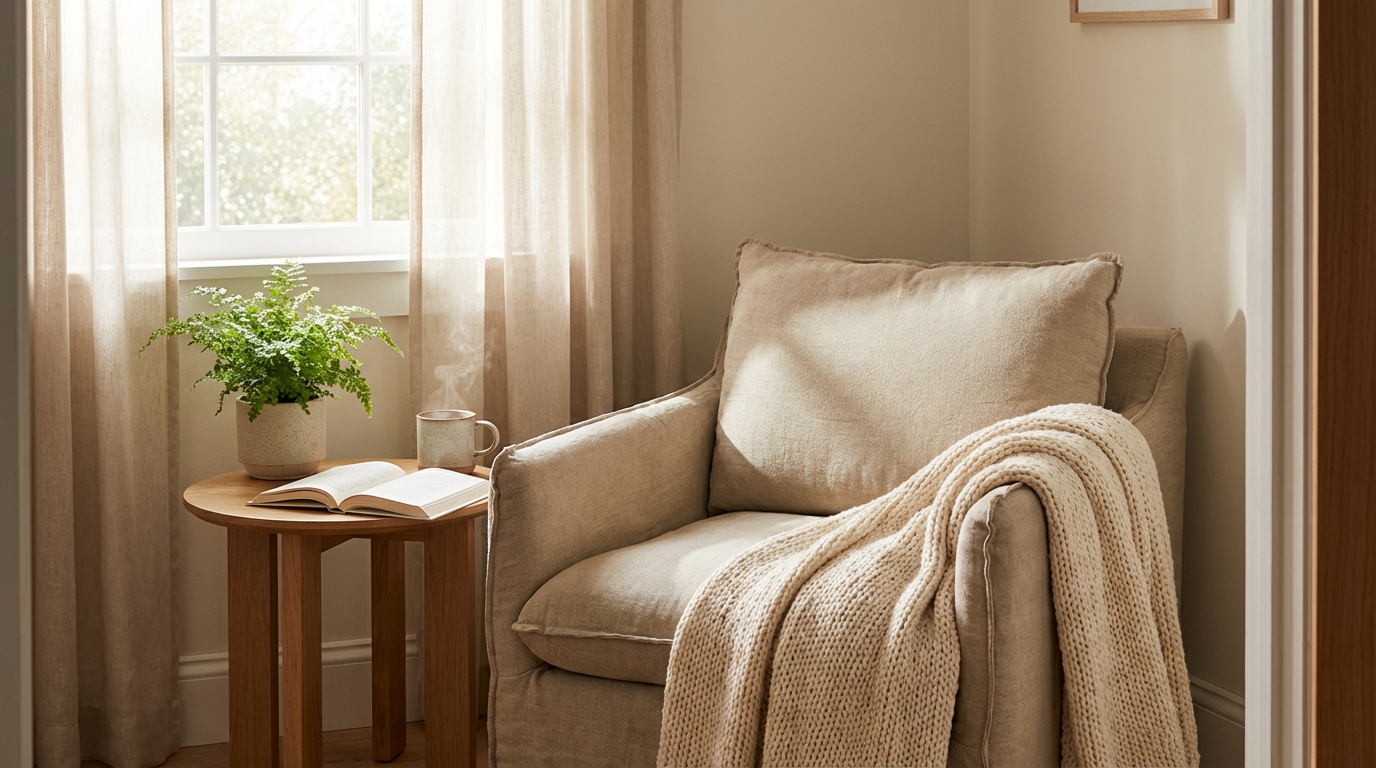
Small rooms can feel cozy and welcoming, or they can feel tight and stressful. The difference often comes down to design choices. Comfort in a limited space is not about adding more things. It is about choosing the right elements, placing them with care, and supporting how people actually live in the room. With thoughtful planning, even the smallest room can feel calm, useful, and pleasant to spend time in.
Understanding Comfort in Small Rooms
Comfort is a mix of physical ease and emotional response. In small rooms, comfort means being able to move without bumping into things, finding what you need without digging, and feeling relaxed instead of crowded. It also means the room supports its purpose, whether that is sleeping, working, relaxing, or eating.
Designing for comfort starts with understanding how the room is used each day. A small bedroom has different needs than a small kitchen or home office. Before making changes, it helps to notice how the room feels at different times of day, how people move through it, and where frustration shows up.
Using Light to Open Up Space
Natural Light Matters
Natural light is one of the strongest tools for making a small room feel more comfortable. Sunlight makes spaces feel open, healthy, and calm. When possible, keep windows clear of heavy coverings. Light curtains, shades that pull up fully, or simple blinds let light in while still offering privacy.
If the view outside is pleasant, allowing it to be seen can visually extend the room beyond its walls. Even in rooms with limited views, natural light still softens edges and reduces the boxed-in feeling that small rooms can have.
Layered Artificial Lighting
Relying on one overhead light often makes a small room feel flat and harsh. Layered lighting improves comfort by spreading light evenly. This includes a mix of ceiling lights, wall lights, table lamps, and floor lamps.
Soft, warm bulbs reduce glare and make surfaces feel closer and more inviting. Dimmers are especially useful in small spaces because they allow the light level to match the activity, from bright task lighting to low evening light.
Choosing Colors That Support Comfort
Light and Neutral Colors
Light colors reflect more light, helping a room feel larger and airier. Soft whites, warm beiges, pale grays, and light pastels are common choices for small rooms. These colors create a calm background that does not overwhelm the eye.
Using one main color for walls, trim, and even ceilings reduces visual breaks. Fewer color changes make the room feel more continuous and less chopped up.
Using Dark Colors with Care
Dark colors are not off-limits in small rooms. When used thoughtfully, they can add depth and comfort. A dark accent wall, a deep-colored sofa, or rich textiles can make a room feel cozy rather than cramped.
The key is balance. Pair darker elements with good lighting and lighter surrounding surfaces so the room still feels open.
Furniture That Fits the Room
Right-Sized Furniture
Comfort suffers when furniture is too large for the room. Oversized sofas, bulky cabinets, and wide tables can block movement and make the room feel crowded. Choosing furniture that matches the scale of the space allows better flow and makes daily use easier.
Look for slim arms on seating, open legs instead of solid bases, and pieces with a lighter visual weight. These features help the eye move through the room.
Multi-Use Furniture
In small rooms, furniture that serves more than one purpose is especially valuable. A bed with drawers, a coffee table with storage, or a desk that folds away can reduce the number of items needed.
Less furniture often means more comfort. Each piece should earn its place by supporting how the room is used.
Layout and Flow
Clear Pathways
Being able to move easily through a room is a big part of comfort. Pathways should feel natural and unobstructed. Even small changes, like shifting a chair or angling a table, can improve flow.
Try to keep main walkways clear and avoid placing furniture where it interrupts doors or drawers. When movement feels easy, the room feels more relaxed.
Defining Zones
Small rooms often serve multiple purposes. A studio apartment, for example, may include sleeping, working, and living areas in one space. Defining zones helps the room feel organized and comfortable.
Rugs, lighting, and furniture placement can suggest different areas without building walls. This makes the room feel intentional rather than cluttered.
Smart Storage Solutions
Vertical Storage
Using vertical space is essential in small rooms. Shelves, tall cabinets, and wall-mounted storage keep items off the floor and free up movement space.
Storage that reaches closer to the ceiling draws the eye upward, making the room feel taller. Keeping stored items organized and not overfilled prevents visual clutter.
Hidden Storage
Hidden storage improves comfort by reducing visual noise. Closed cabinets, baskets, and storage furniture hide everyday items while keeping them easy to reach.
When surfaces stay mostly clear, the room feels calmer and easier to enjoy.
Textiles That Add Softness
Rugs and Floor Comfort
Rugs add warmth and softness, which improves physical comfort. In small rooms, the right rug size matters. A rug that is too small can make the room feel broken up, while a larger rug that fits under main furniture pieces can unify the space.
Low-pile rugs are often easier to manage in tight areas, especially where doors need to swing open.
Window Treatments and Fabrics
Soft fabrics help absorb sound and make small rooms feel less harsh. Curtains, cushions, and throws add comfort without taking up much space.
Choosing lighter fabrics keeps the room from feeling heavy. Simple patterns or solid colors reduce visual clutter.
Managing Sound for a Calm Space
Sound plays a role in comfort that is often overlooked. Small rooms can echo or amplify noise, which can feel stressful. Soft materials help absorb sound and reduce echoes.
Upholstered furniture, rugs, curtains, and even fabric wall hangings can improve how the room sounds. In shared homes or apartments, managing sound can make a small room feel more private and restful.
Temperature and Airflow
Keeping the Room Comfortable
Small rooms can heat up or cool down quickly. Comfort improves when temperature stays steady. Using fans, heaters, or vents correctly helps regulate the space.
Keeping air moving prevents stuffiness. Even a small desk fan can make a room feel fresher and more comfortable.
Window and Door Seals
Gaps around windows and doors can let in drafts or heat. Simple fixes like weather stripping or draft blockers improve comfort without major changes.
Better insulation also helps reduce outside noise, which adds to the feeling of comfort.
Mirrors and Reflective Surfaces
Mirrors reflect light and create the illusion of more space. Placing a mirror across from a window or light source can brighten the room and make it feel more open.
Other reflective surfaces, such as glass tables or glossy finishes, can have a similar effect when used in moderation.
Flooring Choices
Consistent flooring throughout a small area helps the space feel larger. When flooring changes from room to room, it can break up the visual flow.
Light-colored floors reflect more light, but darker floors can also feel comfortable when paired with lighter walls and good lighting. The goal is balance and continuity.
Ceilings and Vertical Space
Drawing the Eye Upward
Ceilings are often ignored in small rooms, but they matter. Painting the ceiling a lighter shade than the walls can make it feel higher.
Vertical stripes, tall shelves, or artwork hung slightly higher than eye level can draw attention upward and add a sense of height.
Keeping Ceilings Simple
Busy ceiling designs can make a small room feel crowded. Simple finishes and minimal fixtures keep the ceiling from feeling heavy.
Flush or low-profile lighting fixtures are often more comfortable than large hanging lights in rooms with low ceilings.
Plants and Natural Elements
Plants add life and comfort to small rooms. Even one or two well-chosen plants can make a space feel healthier and more welcoming.
In small rooms, choose plants that fit the scale of the space. Hanging plants or wall-mounted planters save floor space while adding greenery.
Doors and Entry Areas
Door Swing and Style
Standard doors that swing into a small room can take up valuable space. When possible, sliding doors or pocket doors improve flow and comfort.
Even changing the direction a door swings can make a room easier to use.
Welcoming the Entry
If the small room includes an entry area, keeping it organized is important. Hooks, slim shelves, and small benches can create a functional entry without clutter.
A clear entry sets the tone for the rest of the room and makes it feel more comfortable from the moment you enter.
Personal Touches Without Clutter
Personal items make a room feel like home, but too many can overwhelm a small space. Choosing a few meaningful items and displaying them with care keeps the room comfortable.
Rotating decor instead of displaying everything at once allows personal style without overcrowding the room.
Daily Habits That Support Comfort
Design choices work best when paired with supportive habits. Putting items away regularly, keeping surfaces clear, and reassessing what is needed in the room all help maintain comfort.
Small rooms benefit from regular editing. Letting go of items that are no longer useful keeps the space functional and pleasant.
Maintenance and Long-Term Comfort
Comfort is easier to maintain when the room is easy to clean and care for. Choosing durable materials and finishes saves time and effort.
When everything has a place and the room supports daily life, comfort becomes part of the routine rather than something that needs constant fixing.