
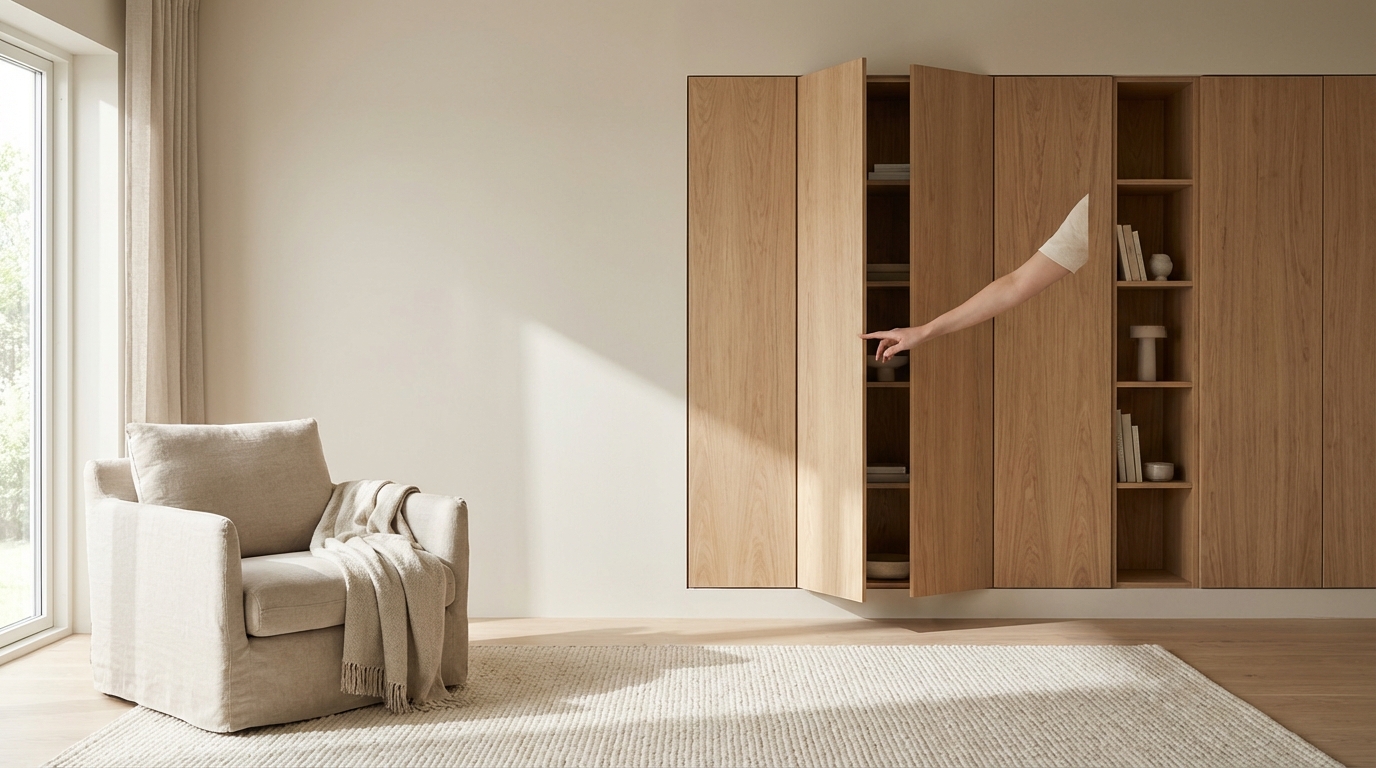
Storage works best when it fades into the background and lets daily life shine. Invisible storage is not about hiding everything away forever. It is about creating smart places for everyday items so rooms feel calm, open, and easy to use. When storage blends into walls, furniture, and unused spaces, clutter no longer competes for attention. Homes of any size can benefit from storage that feels natural and effortless, without bulky cabinets or crowded shelves.
Why Invisible Storage Matters
Visual clutter can make even large rooms feel small and stressful. When items are always on display, the eye has nowhere to rest. Invisible storage reduces that noise. It supports better focus, smoother routines, and a sense of order that lasts beyond quick cleanups.
Effective hidden storage also saves time. When everything has a clear, logical place, it is easier to put things away and find them again. This is especially helpful for busy households where multiple people share the same spaces.
Another benefit is flexibility. Invisible storage allows rooms to change purpose without feeling crowded. A living room can become a workspace. A bedroom can include a reading nook. When storage stays out of sight, the room adapts without feeling packed with furniture.
Built-In Storage That Blends In
Built-ins are one of the strongest tools for invisible storage. Because they are designed to fit a specific space, they feel like part of the architecture rather than added furniture.
Wall-to-Wall Cabinetry
Wall-to-wall cabinets create a smooth, continuous surface. When painted the same color as the walls, they almost disappear. This approach works well in living rooms, dining rooms, and hallways.
Flat-panel doors without visible handles help maintain a clean look. Push-to-open hardware or recessed finger pulls keep the surface simple. Inside, adjustable shelves and drawers make the storage flexible for different needs.
Built-Ins Around Doors and Windows
Spaces around doors and windows are often overlooked. Adding shallow cabinets or shelves above doorways can provide storage for items that are used less often. Around windows, built-in benches with lift-up seats or drawers below can store blankets, toys, or seasonal items.
These solutions use space that would otherwise go unused, keeping the main areas of the room open and uncluttered.
Fireplace and Media Wall Storage
Fireplaces and media walls often become clutter magnets. Built-in cabinets or hidden compartments can hold electronics, games, and accessories without leaving them on display.
Sliding panels or doors that match the wall finish can conceal TVs when they are not in use. This helps the room feel more like a relaxing living space instead of a constant media zone.
Furniture That Does Double Duty
Multi-purpose furniture is essential for effective invisible storage. These pieces work hard without drawing attention to themselves.
Storage Ottomans and Benches
Ottomans with lift-off tops or hidden drawers provide storage for blankets, pillows, and magazines. When placed in living rooms or bedrooms, they add comfort while quietly holding everyday items.
Benches with built-in storage are perfect for entryways, dining areas, or the foot of a bed. They offer seating and a place to tuck away shoes, bags, or linens.
Beds With Hidden Storage
Beds take up a lot of space, making them ideal for storage. Drawers built into the bed frame can hold clothing, shoes, or extra bedding. Platform beds with lift-up mattresses offer even more room.
For a truly invisible look, choose bed frames that hide drawer seams and hardware. When closed, the bed looks clean and simple, with no hint of the storage inside.
Tables With Concealed Compartments
Coffee tables and side tables can include hidden compartments beneath the surface. These spaces are perfect for remote controls, chargers, and reading materials.
Dining tables with drawers or hidden shelves can store placemats, napkins, or board games. This keeps nearby cabinets from becoming overcrowded.
Kitchen Storage That Stays Out of Sight
Kitchens need to store many items, yet they look best when surfaces are clear. Invisible storage helps balance function and appearance.
Full-Height Cabinets
Cabinets that extend to the ceiling eliminate wasted space and reduce visual breaks. Upper cabinets can store items used less often, while lower sections handle daily needs.
When cabinet fronts are simple and consistent, the kitchen feels larger and more organized. Matching the cabinet color to the wall color can further soften their presence.
Appliance Garages
Small appliances often clutter countertops. Appliance garages are cabinets designed to hide items like toasters, mixers, and coffee makers while keeping them easy to access.
Roll-up doors, pocket doors, or lift-up panels allow appliances to be used without moving them. When closed, the counter looks clean and open.
Toe-Kick Drawers
The space beneath lower cabinets, known as the toe-kick, is usually unused. Toe-kick drawers turn this area into hidden storage for flat items like baking sheets, trays, or placemats.
Because they are out of sight, these drawers are perfect for items that do not need to be accessed every day.
Pull-Out Pantry Systems
Pull-out pantry cabinets use vertical space efficiently while keeping items hidden behind a single door. Inside, shelves slide out for easy access.
From the outside, the pantry looks like a regular cabinet. Inside, everything is organized and visible without cluttering the kitchen.
Bathroom Storage That Feels Light
Bathrooms benefit from invisible storage because they are often small. Smart solutions keep personal items tucked away while maintaining a clean, calm feel.
Recessed Medicine Cabinets
Recessed medicine cabinets sit inside the wall instead of sticking out. With mirrored fronts, they serve a dual purpose while hiding toiletries and medications.
Modern designs include adjustable shelves and soft-close doors, adding convenience without visual bulk.
Vanities With Hidden Drawers
Bathroom vanities can include drawers within drawers, creating layers of storage that are not visible from the outside. These inner drawers are great for organizing small items.
Wall-mounted vanities add to the sense of openness by keeping the floor visible, making the room feel larger.
Shower Niches and Built-In Shelves
Shower niches built into the wall hold shampoo and soap without the need for hanging racks. When tiled to match the shower, they blend in seamlessly.
Built-in shelves above toilets or near tubs provide extra storage without adding furniture. When painted to match the wall, they feel almost invisible.
Closet Systems That Hide the Chaos
Closets are meant to store items, but they can become chaotic without good systems. Invisible storage within closets keeps things organized without feeling crowded.
Custom Shelving and Drawers
Custom closet systems use vertical space efficiently. Drawers, shelves, and hanging rods are arranged to fit specific needs.
When everything has a place, items are less likely to spill into the rest of the home. Closed drawers and uniform storage boxes keep the look calm.
Doors That Disappear
Sliding doors, pocket doors, or mirrored doors reduce visual clutter. Mirrored doors also reflect light, making rooms feel larger.
Flush doors painted to match the wall can make closets nearly disappear, especially in bedrooms and hallways.
Hidden Hamper and Laundry Storage
Built-in hampers keep laundry out of sight. These can be pull-out baskets within cabinets or tilt-out doors.
Storing laundry supplies inside closets or cabinets near the washer keeps utility areas tidy and quiet.
Entryway Storage Without the Pile-Up
Entryways set the tone for the home. Invisible storage here prevents shoes, bags, and coats from taking over.
Flush Shoe Storage
Shallow shoe cabinets mounted to the wall can store many pairs without sticking out. When painted to match the wall, they blend in easily.
Under-bench shoe drawers are another option that keeps footwear hidden while remaining accessible.
Hidden Coat Storage
Instead of open coat racks, consider closets or cabinets with hooks inside. Pocket doors or sliding panels keep coats out of sight.
For small spaces, tall cabinets with narrow profiles can hold coats, umbrellas, and bags without crowding the area.
Drop Zones With Closed Storage
Keys, mail, and daily essentials often create clutter near the door. A drop zone with closed drawers or cabinets keeps these items organized.
Adding a small tray or drawer inside a cabinet allows items to be sorted without being visible.
Living Room Storage That Feels Effortless
Living rooms are meant for relaxing, so storage should support comfort without drawing attention.
Low-Profile Media Consoles
Media consoles with closed cabinets hide electronics, cables, and accessories. Choosing a console that sits low to the ground keeps sightlines open.
Built-in cable management prevents cords from becoming visual clutter.
Hidden Shelving Behind Panels
Sliding panels or hinged doors can conceal bookshelves or storage niches. When closed, the wall looks smooth and simple.
This approach is useful for storing items that are needed often but not meant to be displayed.
Window Seat Storage
Window seats add charm and function. Beneath the seat, drawers or lift-up compartments provide storage for blankets, games, or seasonal decor.
Because the storage is part of the seating, it feels natural and unobtrusive.
Home Office Storage That Stays Quiet
Home offices need storage for supplies, files, and equipment. Invisible solutions help maintain focus.
Built-In Desks With Concealed Storage
Built-in desks can include drawers and cabinets that keep work materials out of sight. When finished for the day, the workspace can be closed up.
Some designs include fold-down desks that hide completely when not in use, perfect for shared spaces.
Wall Cabinets Above Eye Level
Cabinets placed above eye level store items without interrupting the view. When matched to the wall color, they blend in.
This keeps the main workspace open and uncluttered.
Hidden Cable and Tech Storage
Cables and devices can create visual mess. Built-in cable channels, drawers with charging stations, and hidden power strips keep technology organized.
Storing routers and modems inside ventilated cabinets reduces clutter while maintaining performance.
Using Color and Materials to Disappear Storage
Design choices play a big role in making storage invisible. Color, texture, and materials can help storage blend into its surroundings.
Matching Storage to Walls
Painting cabinets and storage units the same color as the walls helps them recede visually. This works especially well with light, neutral colors.
In darker rooms, matching deep tones can create a cozy, seamless look.
Minimal Hardware
Handles and knobs draw attention. Using push-to-open mechanisms or recessed pulls keeps surfaces clean.
When hardware is needed, choosing simple designs in matching finishes reduces contrast.
Consistent Materials
Using the same materials throughout a room creates unity. For example, wood cabinetry that matches flooring or trim feels intentional and calm.
Consistency helps storage feel like part of the room rather than an added feature.
Making Use of Hidden and Awkward Spaces
Some of the best storage is found in places that are easy to ignore.
Under-Stair Storage
The space under stairs can be transformed into drawers, cabinets, or closets. These solutions keep items hidden while using an otherwise wasted area.
Fronts that match the surrounding walls help the storage blend in.
Behind-the-Door Storage
The back of doors can hold shallow cabinets, hooks, or racks. When doors are closed, these storage solutions are completely hidden.
This is especially useful in bathrooms, pantries, and bedrooms.
Ceiling-Height Storage in Small Rooms
In small rooms, going vertical is key. Cabinets that reach the ceiling provide extra storage without taking up floor space.
Keeping the design simple prevents the room from feeling crowded.
Maintaining Invisible Storage Over Time
Invisible storage works best when it is maintained. Regularly reviewing what is stored helps prevent clutter from building up inside cabinets and drawers.
Using organizers within hidden storage keeps items easy to find. Clear bins, labeled boxes, and drawer dividers support long-term order.
When storage is easy to use, it stays effective. Doors close smoothly, drawers slide easily, and items return to their places without effort.