
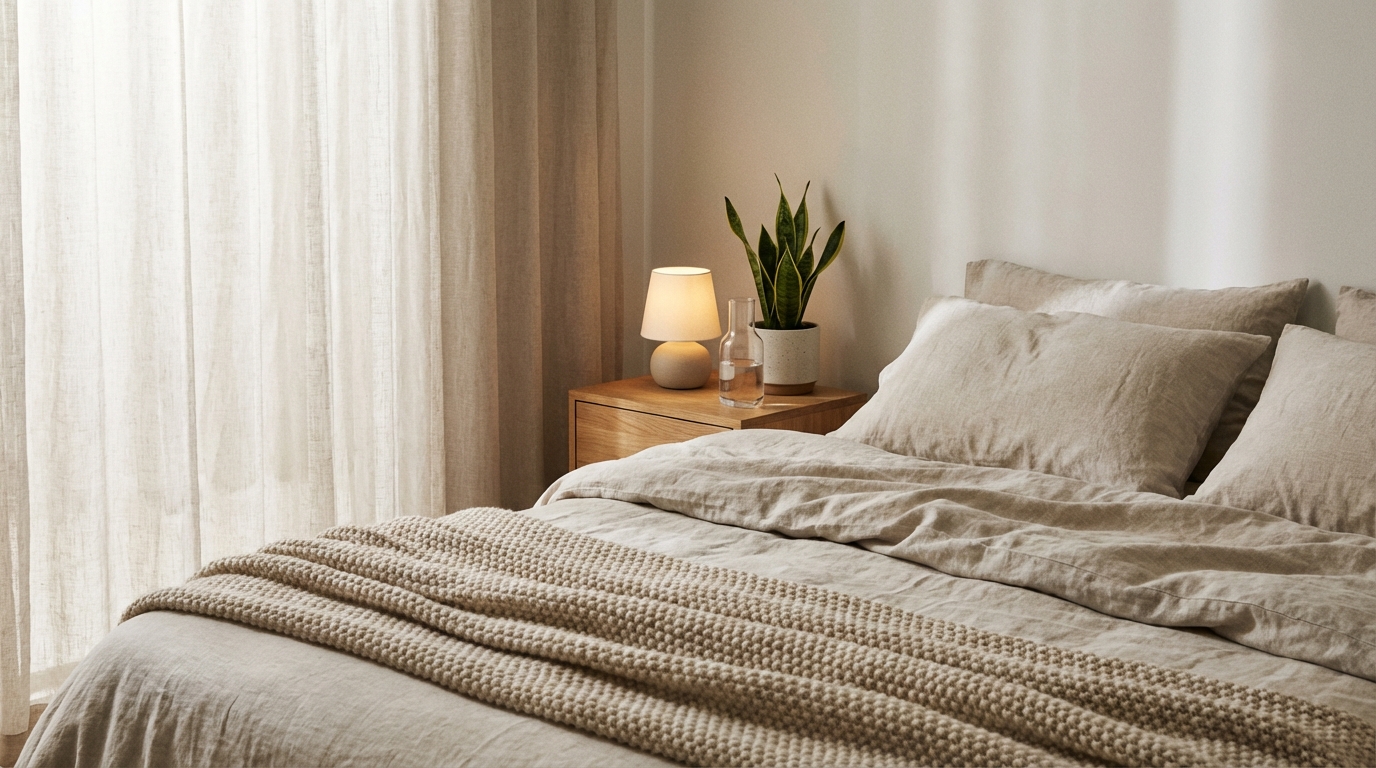
Good sleep does not only come from a good mattress or a set bedtime. The space around you plays a big role in how easily you fall asleep and how well you stay asleep. Small changes at home can calm your body, quiet your mind, and support a natural sleep rhythm. Many of these changes are simple, affordable, and easy to try in any home, from a small apartment to a large house.
Why the Home Environment Matters for Sleep
Your brain responds constantly to your surroundings. Light, sound, temperature, and even smells send signals that tell your body whether it is time to be alert or time to rest. When your home sends mixed signals, sleep can feel shallow or broken. By adjusting your environment, you help your body understand that bedtime is safe, comfortable, and predictable.
These changes do not need to be perfect to be helpful. Even small improvements can make it easier to relax at night and wake up feeling more refreshed.
Managing Light for Better Rest
Light is one of the strongest signals affecting sleep. Your body uses light to control melatonin, the hormone that helps you feel sleepy. Too much light at night can delay sleep and reduce sleep quality.
Reducing Artificial Light at Night
Bright indoor lighting in the evening can keep your brain alert when it should be winding down. Switching to softer lighting after sunset helps create a calmer mood.
- Use warm-colored bulbs instead of cool white or blue-toned bulbs.
- Turn off overhead lights and use lamps with lower brightness.
- Install dimmer switches where possible.
- Use night lights in hallways instead of full lights if you need to move around.
These small steps reduce eye strain and signal to your body that nighttime has begun.
Blocking Outside Light
Streetlights, passing cars, and early morning sun can interrupt sleep. Even light through closed eyelids can affect sleep stages.
- Use blackout curtains or shades in the bedroom.
- Choose curtain rods that curve toward the wall to reduce light leaks.
- Cover small electronic lights with tape or light-blocking stickers.
If full blackout curtains feel too dark, layered curtains allow you to adjust light levels easily.
Controlling Noise Levels
Noise is another common sleep disruptor. Sudden or uneven sounds can pull you out of deep sleep, even if you do not fully wake up.
Reducing Indoor Noise
Homes naturally create noise through appliances, plumbing, and movement. Paying attention to these sounds can help reduce nighttime disturbances.
- Run dishwashers and washing machines earlier in the evening.
- Fix squeaky doors and loose floorboards.
- Add felt pads under furniture legs to reduce scraping sounds.
- Close bedroom doors to limit noise from other rooms.
Softening Outside Noise
Traffic, neighbors, and city sounds are harder to control, but you can soften their impact.
- Use thicker curtains to absorb sound.
- Add rugs or carpets to rooms to reduce echo.
- Place bookshelves or fabric wall hangings on shared walls.
- Consider a white noise machine or a fan for steady background sound.
Steady, gentle sound often feels less disruptive than sudden quiet followed by noise.
Setting the Right Temperature
Temperature affects how easily your body relaxes. Most people sleep best in a slightly cool room.
Finding a Comfortable Range
A bedroom that is too warm or too cold can cause tossing and turning. While comfort varies, many people sleep well in temperatures between 60 and 67 degrees Fahrenheit.
- Lower the thermostat slightly at night.
- Use breathable bedding that does not trap heat.
- Layer blankets so you can adjust warmth easily.
Improving Airflow
Good airflow keeps a room from feeling stuffy and helps regulate temperature.
- Use a ceiling fan on a low setting.
- Open a window slightly if outdoor noise and air quality allow.
- Make sure vents are not blocked by furniture.
Even gentle air movement can help your body feel more comfortable throughout the night.
Improving Air Quality
Clean air supports easy breathing and comfort during sleep. Dust, allergens, and dry air can disturb rest.
Reducing Dust and Allergens
Bedrooms collect dust quickly because of fabrics and limited airflow.
- Wash bedding weekly in warm water.
- Vacuum carpets and rugs regularly.
- Use washable pillow and mattress covers.
- Keep pets off the bed if allergies are an issue.
Balancing Humidity
Air that is too dry or too humid can irritate your nose and throat.
- Use a humidifier in dry climates or during winter.
- Use a dehumidifier in damp areas.
- Keep indoor plants in moderation to help balance moisture.
Comfortable air helps reduce nighttime waking and morning congestion.
Choosing Sleep-Friendly Bedding
Bedding touches your skin all night, so comfort matters. The right materials can support temperature control and relaxation.
Sheets and Blankets
Breathable fabrics help regulate body heat.
- Choose cotton, bamboo, or linen sheets.
- Avoid heavy synthetic materials if you sleep hot.
- Use seasonal blankets, lighter in summer and heavier in winter.
Pillows and Support
Pillows should support your neck and sleeping position.
- Replace pillows that are lumpy or flat.
- Choose firmness based on whether you sleep on your back, side, or stomach.
- Use pillow protectors to keep them clean longer.
Comfortable bedding reduces pressure points and helps the body relax fully.
Using Color and Decor to Create Calm
Visual clutter and strong colors can stimulate the brain. A calm bedroom design supports rest.
Sleep-Friendly Colors
Soft, muted colors tend to feel more relaxing.
- Light blues, greens, and grays promote calm.
- Warm neutrals like beige and soft white feel cozy.
- Avoid bright reds, oranges, and neon shades in the bedroom.
Simple Decor Choices
Decor should feel soothing, not busy.
- Choose a few meaningful items instead of many small ones.
- Use soft textures like fabric wall art or woven baskets.
- Keep surfaces mostly clear.
A visually quiet room helps your mind slow down.
Reducing Clutter for Mental Rest
Clutter can create stress, even if you do not notice it right away. A tidy bedroom supports mental calm.
Simple Decluttering Steps
You do not need a perfect system to see benefits.
- Clear nightstands except for essentials.
- Store items in drawers or bins.
- Remove work-related items from the bedroom.
Smart Storage Solutions
Good storage keeps clutter out of sight.
- Use under-bed storage boxes.
- Choose furniture with built-in storage.
- Hang hooks behind doors for clothes or bags.
Less clutter means fewer visual reminders of tasks and stress.
Using Scents Carefully
Smell is closely linked to memory and emotion. Gentle scents can support relaxation, while strong smells can be distracting.
Calming Scents
Some scents are commonly associated with relaxation.
- Lavender
- Chamomile
- Vanilla
- Sandalwood
Use these lightly through diffusers, sachets, or linen sprays.
Avoiding Overpowering Smells
Too much scent can irritate the senses.
- Avoid strong air fresheners.
- Ventilate the room after cleaning.
- Keep scented items away from pillows.
Subtle scents work best for sleep support.
Managing Technology in the Bedroom
Technology often brings light, sound, and mental stimulation into the bedroom.
Reducing Screen Impact
Screens emit blue light that can interfere with sleep signals.
- Remove TVs from the bedroom.
- Charge phones outside the bed area.
- Use alarm clocks instead of phones when possible.
Quieting Electronics
Even small sounds or lights can be distracting.
- Turn off notification sounds.
- Cover indicator lights.
- Unplug unused devices.
A low-tech bedroom often feels more restful.
Considering Pets in the Sleep Space
Pets can bring comfort, but they can also disrupt sleep through movement and noise.
Setting Boundaries
Decide what works best for your sleep.
- Create a comfortable pet bed in the bedroom instead of on your bed.
- Keep regular feeding and walking times.
- Groom pets regularly to reduce allergens.
Balancing Comfort and Rest
Some people sleep better with pets nearby, others do not. Adjusting routines can help both you and your pet rest better.
Safety and Security for Peace of Mind
Feeling safe is essential for deep sleep. Small safety upgrades can reduce nighttime anxiety.
Bedroom Safety Basics
- Lock doors and windows before bed.
- Use a small flashlight or lamp near the bed.
- Ensure smoke detectors work properly.
Comforting Nighttime Habits
A secure environment helps the body relax.
- Use outdoor lights near entrances.
- Keep pathways clear for nighttime movement.
- Maintain consistent bedtime routines.
Seasonal Adjustments for Sleep
Sleep needs can change with the seasons. Adjusting your home environment helps maintain comfort year-round.
Summer Changes
- Use lighter bedding.
- Block early morning sunlight.
- Increase airflow with fans.
Winter Changes
- Add extra blankets.
- Use humidifiers for dry air.
- Check heating systems for noise.
Seasonal awareness keeps your sleep space supportive.
Adapting Changes for Small Spaces and Rentals
You do not need a large home or permanent changes to improve sleep.
Small Space Solutions
- Use room dividers to separate sleep areas.
- Choose multi-purpose furniture.
- Keep colors light to reduce visual clutter.
Renter-Friendly Options
- Use tension rods for curtains.
- Choose removable hooks and wall items.
- Add rugs for comfort and sound control.
Even temporary homes can feel sleep-friendly.
Budget-Friendly Sleep Improvements
Better sleep does not require expensive upgrades.
- Rearrange furniture to improve airflow.
- Use secondhand curtains or rugs.
- DIY draft blockers for doors.
- Repurpose household items for storage.
Simple creativity often brings meaningful change.
Maintaining a Sleep-Supportive Home
Sleep needs can change over time. Regular check-ins help keep your environment supportive.
Regular Updates
- Replace worn bedding.
- Adjust lighting as seasons change.
- Reassess noise sources.
Listening to Your Body
Your sleep experience is the best guide. If something feels distracting or uncomfortable, small adjustments can make a difference. A home that supports sleep is not about perfection, but about comfort, calm, and consistency.