
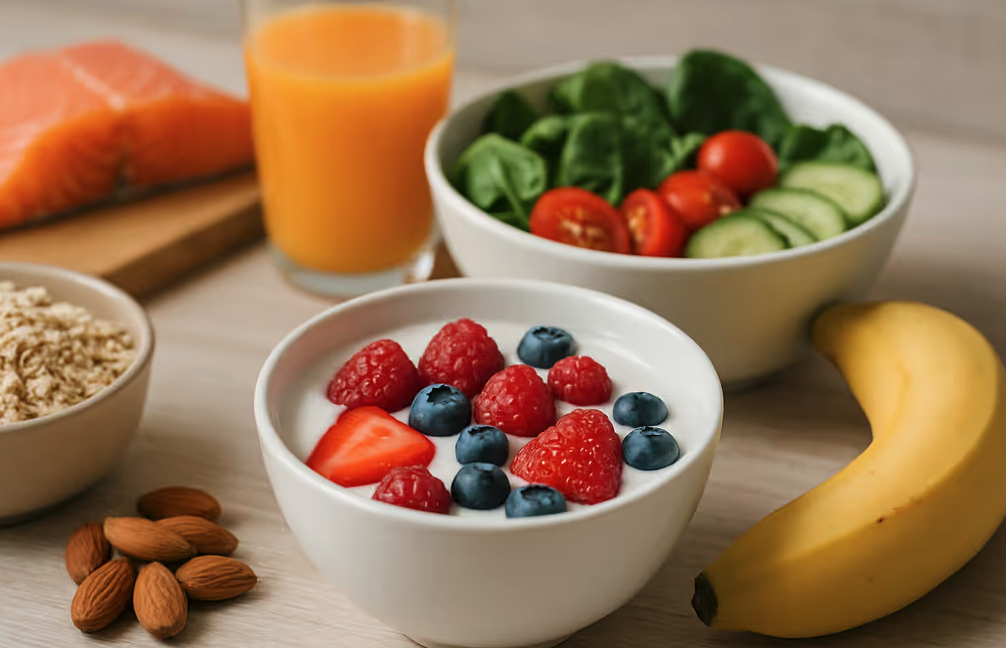
Feeling low on energy can make everyday tasks feel harder than they should. Many people think they need more sleep or more caffeine, but food choices play a huge role in how energized you feel throughout the day. The good news is that you do not need a strict diet or expensive supplements to feel better. Simple nutrition changes can support steady energy, better focus, and fewer crashes. This article explores easy, realistic ways to adjust what and how you eat so your body has the fuel it needs.
How Food Affects Your Energy Levels
Your body gets energy from the food you eat. Carbohydrates, proteins, and fats all provide fuel, but they work in different ways. Vitamins, minerals, water, and fiber also support how well your body turns food into usable energy. When meals are unbalanced or skipped, energy levels often rise and fall sharply. This can lead to fatigue, brain fog, and cravings.
Stable energy comes from giving your body a steady supply of nutrients. This means eating enough, eating regularly, and choosing foods that digest at a healthy pace. Understanding this connection helps you make smarter choices without overthinking every meal.
Build Balanced Meals for Steady Energy
One of the simplest nutrition tips for more energy is to build balanced meals. A balanced meal usually includes carbohydrates, protein, and fat. Each part plays a role in keeping you full and energized.
Why Carbohydrates Matter
Carbohydrates are your body’s main source of energy. When you eat carbs, your body turns them into glucose, which fuels your brain and muscles. Skipping carbs can make you feel tired, irritable, or weak.
Choose complex carbohydrates most of the time. These digest more slowly and provide longer-lasting energy.
- Whole grains like oats, brown rice, and whole wheat bread
- Fruits such as apples, bananas, and berries
- Vegetables like sweet potatoes, corn, and squash
- Beans and lentils
Simple carbs like candy and sugary drinks can give a quick boost, but they often lead to a crash soon after.
The Role of Protein in Energy
Protein does not directly provide quick energy, but it helps keep your energy steady. It slows digestion and helps prevent blood sugar spikes and drops. Protein also supports muscle repair and immune health.
Including protein in every meal and snack can help you feel more alert and satisfied.
- Eggs
- Chicken, turkey, and lean meats
- Fish and seafood
- Greek yogurt and cottage cheese
- Tofu, tempeh, and edamame
- Beans, peas, and lentils
Healthy Fats for Long-Lasting Fuel
Fat is a concentrated source of energy. It helps your body absorb certain vitamins and keeps you full longer. Healthy fats support brain function, which can affect focus and mental energy.
Small amounts of fat added to meals can make a big difference in how long your energy lasts.
- Avocados
- Nuts and seeds
- Nut butters
- Olive oil and avocado oil
- Fatty fish like salmon and sardines
Eat Regularly to Avoid Energy Crashes
Skipping meals is a common reason for low energy. When you go too long without eating, blood sugar drops. This can cause tiredness, shakiness, headaches, and trouble focusing.
Most people feel best when they eat every three to four hours. This may look like three meals and one or two snacks each day. Regular eating keeps your energy supply steady and reduces the urge to overeat later.
Simple Snack Ideas That Support Energy
Snacks should include at least two food groups, such as carbs and protein. This helps them last longer.
- Apple slices with peanut butter
- Greek yogurt with berries
- Trail mix with nuts and dried fruit
- Cheese and whole grain crackers
- Hummus with carrots or pita
Do Not Skip Breakfast
Breakfast helps refill your energy stores after sleep. Skipping breakfast can make it harder to concentrate and can lead to low energy by mid-morning.
A balanced breakfast does not need to be large or fancy. Even something small can help.
- Oatmeal with milk and fruit
- Eggs with whole grain toast
- Smoothie with fruit, yogurt, and nut butter
- Whole grain cereal with milk and seeds
If mornings are busy, preparing breakfast the night before can make it easier to eat.
Hydration and Energy
Even mild dehydration can cause fatigue. Water helps move nutrients through your body and supports every system involved in energy production.
Many people confuse thirst with hunger or tiredness. Drinking water regularly throughout the day can improve both physical and mental energy.
Easy Ways to Stay Hydrated
- Carry a refillable water bottle
- Drink a glass of water with each meal
- Add fruit slices for flavor
- Eat water-rich foods like cucumbers, oranges, and soups
Coffee and tea can count toward fluid intake, but too much caffeine can lead to dehydration and energy crashes.
Use Caffeine Wisely
Caffeine can improve alertness, but timing and amount matter. Too much caffeine can cause jitteriness, anxiety, and poor sleep, which lowers energy the next day.
Having caffeine earlier in the day and pairing it with food can help reduce negative effects. Paying attention to how your body responds can guide better choices.
Lower-Caffeine Options
- Green tea
- Black tea
- Half-caf coffee
- Herbal teas without caffeine
Limit Added Sugars
Foods high in added sugar can cause quick energy spikes followed by sharp drops. This cycle often leads to feeling tired and craving more sugar.
Reducing sugary drinks and snacks can help keep energy levels more stable.
- Choose water or milk instead of soda
- Pick fruit instead of candy
- Read labels for added sugars
The Power of Fiber for Energy
Fiber slows digestion and helps control blood sugar. This leads to more even energy throughout the day. High-fiber diets also support gut health, which is linked to overall energy and well-being.
Many people do not get enough fiber, but adding it slowly can help avoid stomach discomfort.
- Whole grains
- Vegetables
- Fruits with skin
- Beans and lentils
- Nuts and seeds
Micronutrients That Support Energy
Vitamins and minerals help your body turn food into energy. Low levels can lead to fatigue, even if you eat enough calories.
Iron
Iron helps carry oxygen in the blood. Low iron can cause tiredness and weakness.
- Red meat
- Chicken and turkey
- Beans and lentils
- Spinach and leafy greens
B Vitamins
B vitamins support energy metabolism and brain function.
- Whole grains
- Eggs
- Dairy products
- Leafy greens
Magnesium
Magnesium supports muscle and nerve function and helps reduce fatigue.
- Nuts and seeds
- Whole grains
- Dark leafy greens
Healthy Cooking Methods
How you prepare food can affect energy. Heavy frying and excess oil can make meals feel heavy and slow digestion.
Cooking methods that often support better energy include:
- Baking
- Grilling
- Steaming
- Stir-frying with small amounts of oil
Watch Portion Sizes
Eating very large meals can make you feel sleepy because digestion requires energy. Moderate portions help avoid this sluggish feeling.
Listening to hunger and fullness cues can help you find the right amount for your body.
Ultra-Processed Foods and Energy
Ultra-processed foods are often high in refined carbs, unhealthy fats, and additives. These foods may be convenient, but they often lack the nutrients needed for steady energy.
Examples include:
- Packaged snack cakes
- Fast food meals
- Chips and sugary cereals
Eating these foods occasionally is fine, but relying on them can lead to frequent energy dips.
Alcohol and Energy Levels
Alcohol can interfere with sleep quality and hydration. Even small amounts may affect next-day energy.
Eating food with alcohol and drinking water alongside it can reduce some of these effects.
Food Sensitivities and Fatigue
Some people feel tired after eating certain foods. This can be due to sensitivities or digestive issues.
Paying attention to how you feel after meals can help identify patterns. Keeping meals simple can make it easier to notice what works best for your body.
Plan Ahead for Consistent Energy
Planning meals and snacks can prevent long gaps without food. Having energy-supporting options ready makes it easier to make good choices.
- Prepare snacks for work or school
- Cook extra portions for leftovers
- Keep simple staples on hand
Nutrition on a Budget
Eating for energy does not have to be expensive. Many affordable foods are rich in nutrients.
- Beans and lentils
- Eggs
- Oats
- Frozen fruits and vegetables
Culture, Enjoyment, and Energy
Foods from many cultures can support energy. Enjoying meals and eating foods you like can improve satisfaction and reduce stress, which also affects energy.
Balancing enjoyment with nourishment helps make changes sustainable.
Nutrition and Physical Activity
Food and movement work together. Eating enough before activity supports performance, while refueling after activity helps recovery.
Simple post-activity meals with carbs and protein can help maintain energy later in the day.
Sleep, Stress, and Nutrition
Poor sleep and high stress can increase cravings and affect hunger hormones. Choosing balanced meals can help support better sleep and stress management.
Regular meals with enough nutrients give your body the tools it needs to handle daily demands.
Small Changes Add Up
Adding one or two of these nutrition tips at a time can make them easier to stick with. Over time, these small changes can support more consistent energy without feeling overwhelming.