
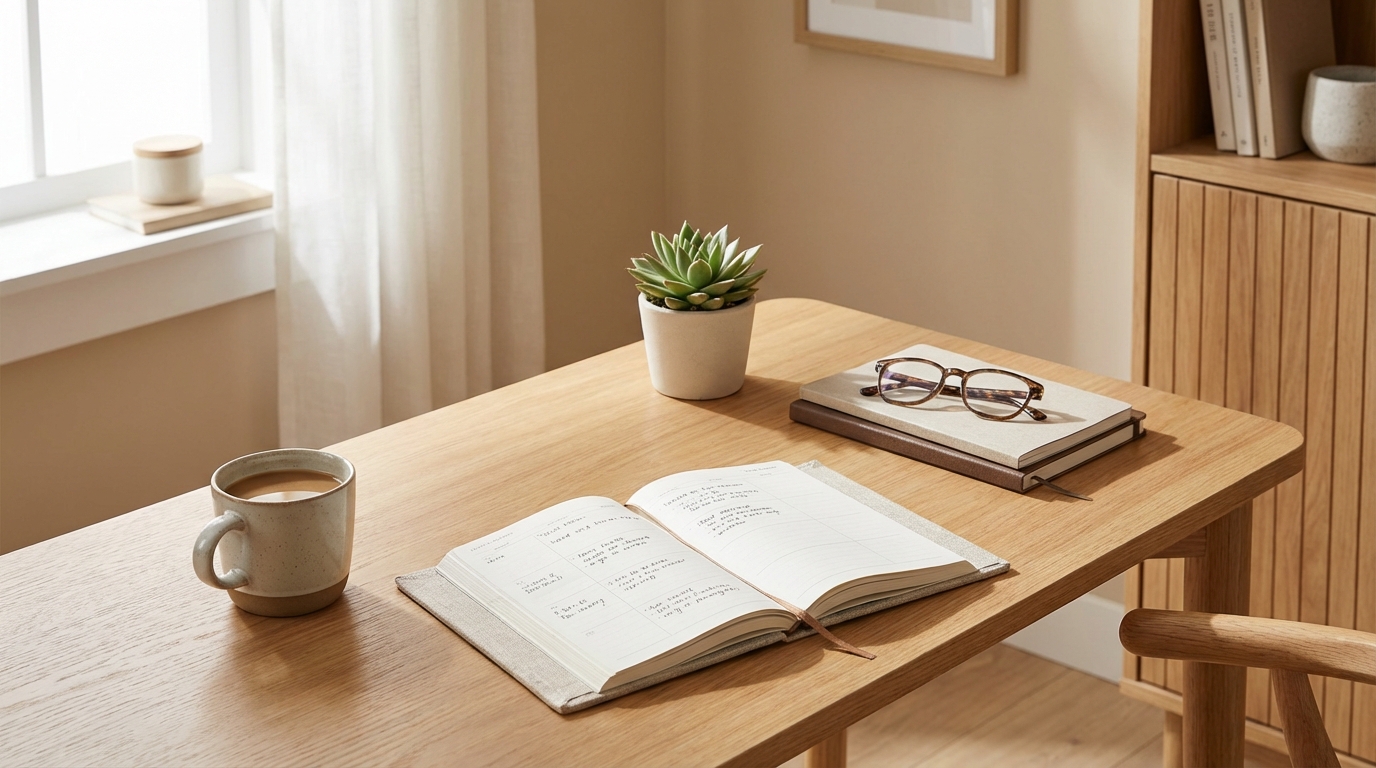
Feeling organized is less about having a perfect system and more about creating small habits that make daily life feel calmer and clearer. Many people think organization requires lots of time, special tools, or a strict personality. In reality, it often comes from simple choices repeated every day. When your days have a bit of structure, you spend less energy searching for things, deciding what to do next, or feeling overwhelmed. Instead, you free up mental space for work, relationships, and rest.
This article focuses on practical, everyday ways to feel more organized without changing your whole life. These ideas are flexible and meant to fit into real schedules with jobs, families, and responsibilities. You can try one or two at a time and adjust them to your own needs. Organization is personal, and the goal is not perfection but ease.
Start With a Clear Morning Reset
How your day begins often sets the tone for everything that follows. A simple morning reset can help you feel grounded before tasks and messages start piling up. This does not mean waking up hours earlier or following a strict routine. It means doing a few small actions that signal to your brain that the day has started with intention.
One helpful habit is to make your bed or straighten the space you slept in. This quick task creates a sense of order right away. It also gives you a small win early in the day. Another option is to open curtains or windows to let in light and fresh air. Light helps your body wake up and makes your space feel more open.
Try to avoid checking your phone immediately. Even waiting ten minutes can make a difference. Use that time to wash your face, stretch, or drink water. These simple actions help you feel present instead of reactive.
Keep Morning Decisions Minimal
Decision fatigue can make you feel disorganized before the day even begins. To reduce this, simplify your morning choices. Lay out clothes the night before or keep a small set of outfits you rotate through. Eat similar breakfasts on weekdays to save time and mental energy.
When fewer decisions compete for your attention, your mind stays clearer. This makes it easier to focus on what truly matters during the day.
Use a Daily Planning Habit
Daily planning does not need to be complicated or time-consuming. A few minutes spent planning can prevent hours of stress later. The key is to choose a planning style that feels natural to you, whether it is digital or on paper.
At the start or end of each day, write down the main things you want or need to do tomorrow. Keep the list short. Three to five key tasks is often enough. This helps you focus on what matters most instead of feeling overwhelmed by a long list.
- Write tasks as clear actions, not vague ideas.
- Include one personal or self-care task.
- Leave space for unexpected events.
Seeing your tasks written down reduces the mental load of trying to remember everything. It also gives you a sense of direction, even on busy days.
Choose a “Top Priority”
Each day, decide on one task that would make the day feel successful if completed. This is your top priority. It may not be the easiest task, but it is usually the most important.
By focusing on this one item first or early in the day, you build momentum. Even if other tasks get delayed, you still feel progress instead of frustration.
Create Simple Time Blocks
Time blocking is a way to group similar tasks together and assign them a general time period. This helps reduce constant switching between tasks, which can drain energy and attention.
You do not need a strict schedule down to the minute. Instead, think in loose blocks such as morning, early afternoon, and late afternoon. Decide what type of work fits best in each block.
- Use mornings for focused or creative work.
- Schedule meetings or calls in set blocks.
- Save simple tasks for low-energy times.
Time blocks give your day a natural rhythm. When you know what kind of work fits each part of the day, it becomes easier to start and stop tasks without guilt.
Keep Your Physical Space Manageable
A cluttered environment can make it hard to think clearly. You do not need a perfectly clean home or office to feel organized. What matters is that your space supports your daily activities.
Focus first on the areas you use the most, such as your desk, kitchen counter, or entryway. Keeping these spots clear makes everyday tasks smoother. A simple rule is to leave surfaces mostly empty, with only the items you use daily.
Use the One-Minute Rule
If something takes less than a minute to put away, do it right away. This includes hanging up a jacket, placing dishes in the sink, or returning a pen to its holder. These tiny actions prevent clutter from building up.
Over time, this habit reduces the need for big cleaning sessions and keeps your space feeling lighter.
Set Up Easy Storage Systems
Organization works best when it is easy to maintain. Complicated systems often fail because they require too much effort. Simple storage systems make it easier to stay organized without thinking too much.
Use open bins, baskets, or drawers where items naturally belong. Label them if needed, especially in shared spaces. Store items close to where you use them to reduce friction.
- Keep keys and wallets in one consistent spot.
- Store cleaning supplies near the areas you clean.
- Use small containers to group similar items.
When everything has a clear home, putting things away becomes automatic instead of stressful.
Organize Your Digital Life
Digital clutter can be just as overwhelming as physical clutter. Emails, files, and notifications all compete for attention. A few simple habits can make your digital spaces feel calmer.
Start with your email. Create a few basic folders such as Action, Waiting, and Reference. Move emails out of your inbox once you have read them. Aim to keep your inbox mostly clear so new messages stand out.
Clean Up Files and Folders
Set aside a short time once a month to organize digital files. Create clear folder names and avoid saving files to random places. Delete what you no longer need.
For notes, choose one main app or notebook. Keeping notes in many places makes it hard to find information later. A single system builds trust that what you need is easy to locate.
Build Routines for Repeating Tasks
Routines reduce the need to remember or decide when to do something. When a task happens at the same time or in the same order each day or week, it becomes automatic.
Think about tasks you repeat often, such as laundry, grocery shopping, or reviewing finances. Assign them a regular time. This removes them from your mental to-do list.
- Do laundry on the same day each week.
- Plan meals on a specific evening.
- Review your schedule every Sunday.
Routines create a steady structure that supports your daily life without feeling restrictive.
Practice Small Daily Decluttering
Decluttering does not need to be a big project. Small daily efforts are often more effective and less tiring. Spending five to ten minutes decluttering one area can make a noticeable difference.
You might clear out a drawer, tidy a shelf, or sort a small stack of papers. The goal is not to finish everything at once, but to make slow, steady progress.
Let Go of “Just in Case” Items
Many people keep things because they might need them someday. This can create unnecessary clutter. When deciding what to keep, ask yourself if you have used the item in the past year or if it truly supports your current life.
Letting go of unused items makes space for what you actually use and enjoy.
Use Checklists for Repeated Processes
Checklists are powerful tools for organization. They remove the need to remember each step of a process. This is especially helpful for tasks you do often or tasks with multiple steps.
Create checklists for things like packing for work, closing down your workspace, or preparing for the next day. Keep them simple and easy to access.
- Morning work setup checklist.
- End-of-day shutdown checklist.
- Weekly home reset checklist.
Using checklists builds consistency and reduces mistakes caused by rushing or distraction.
Plan Your Week in Advance
Weekly planning gives you a bigger picture of your time. It helps you see busy days, lighter days, and where rest can fit in. This prevents overbooking and last-minute stress.
At the start of the week, review appointments, deadlines, and personal commitments. Decide when important tasks will happen. Leave some open time for flexibility.
This habit helps you feel more in control and prepared, even when plans change.
Reduce Visual Noise
Visual noise includes too many objects, bright colors, or unfinished projects in your line of sight. Reducing visual noise can help your mind feel calmer and more focused.
Try to keep your main work area simple. Store extra items out of sight. Close browser tabs you are not using. Use neutral colors or simple backgrounds when possible.
A visually calm space supports mental clarity and makes it easier to stay organized.
Build Gentle Evening Habits
How you end your day affects how organized you feel the next morning. A short evening routine can prepare you for tomorrow without taking much time.
Spend a few minutes tidying your main living area, setting out what you need for the next day, and reviewing your plan. This creates a smooth transition between days.
Evening habits signal closure. They help your brain relax because unfinished tasks feel acknowledged and planned.
Be Flexible With Your Systems
No system works perfectly all the time. Life changes, energy levels shift, and routines sometimes break. Feeling organized does not mean forcing yourself to follow a system that no longer fits.
Regularly check in with yourself. If something feels hard to maintain, simplify it. Remove steps instead of adding more. Organization should support your life, not control it.
By staying flexible and kind to yourself, you allow your systems to grow with you and continue serving your daily needs.