
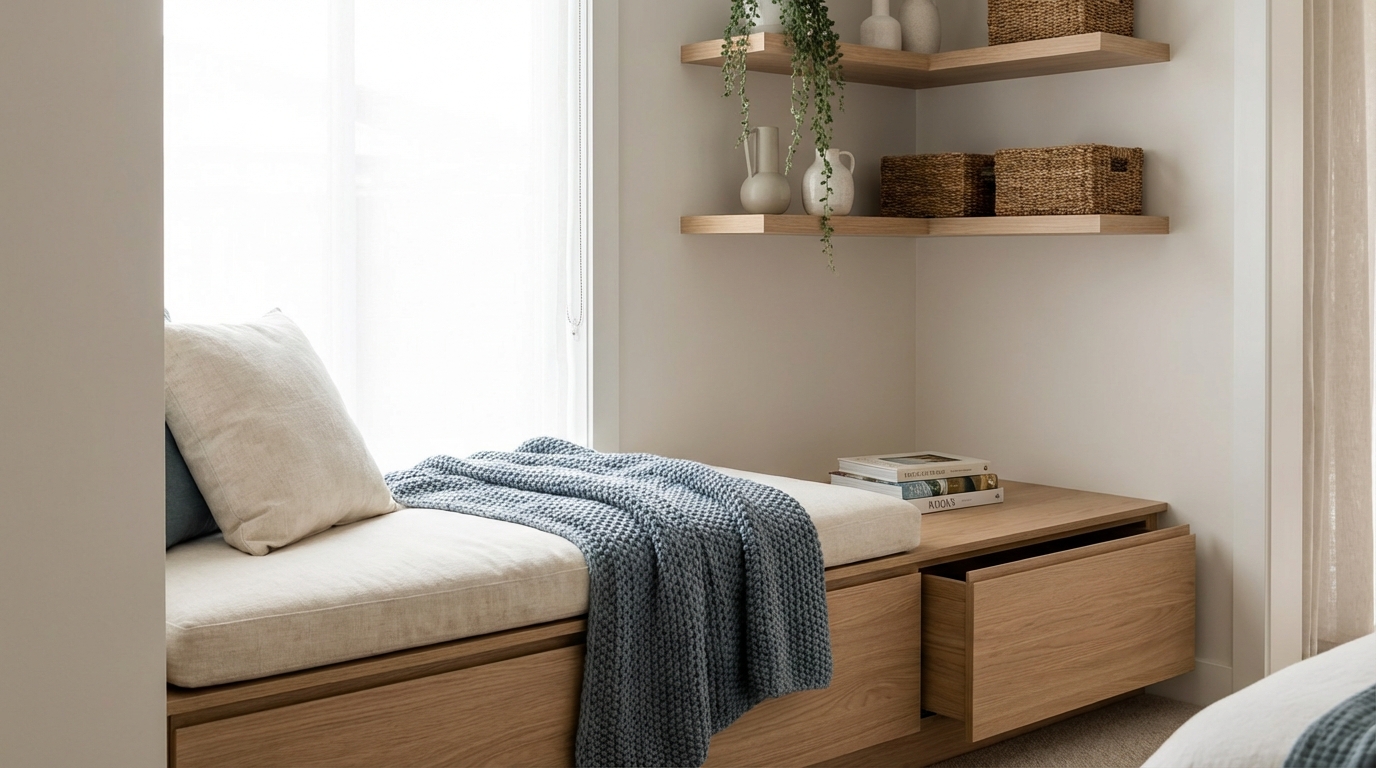
Smart storage can make a home feel calm, open, and welcoming instead of crowded. Many people worry that adding storage will make a room look cluttered or heavy, but good storage design actually does the opposite. When storage is planned with style in mind, it blends into the space and supports how you live every day. Functional storage does not need to shout for attention. It can be quiet, simple, and even beautiful.
This article explores smart storage ideas that keep your home organized without sacrificing style. The focus is on practical solutions that look intentional and clean, not bulky or messy. These ideas work for small apartments, family homes, and everything in between.
Understanding the Balance Between Storage and Style
Before choosing storage pieces, it helps to understand why some storage looks cluttered while other storage feels calm. Clutter often comes from visual noise. Too many shapes, colors, and items competing for attention can overwhelm a space. Smart storage reduces that noise.
Stylish storage usually has a few shared qualities. It follows the color palette of the room. It uses clean lines instead of busy details. It hides what does not need to be seen and displays only what adds beauty or meaning.
Another important idea is editing. Storage is not just about adding more shelves or bins. It is also about choosing what deserves space. When storage supports thoughtful choices, the room feels lighter and more organized.
Built-In Storage That Blends In
Built-in storage is one of the best ways to add function without clutter. Because it is designed as part of the room, it feels natural and intentional. Built-ins can be subtle and elegant, especially when they match the walls or existing architecture.
Wall-to-Wall Cabinets
Wall-to-wall cabinets create a smooth, continuous surface that hides a lot of storage behind closed doors. When painted the same color as the walls, these cabinets almost disappear. They are perfect for living rooms, dining rooms, and bedrooms.
Inside, you can store books, games, paperwork, linens, or seasonal items. On the outside, the room stays clean and simple. Using handle-less doors or slim pulls helps keep the look modern and uncluttered.
Built-In Shelving with Breathing Room
Built-in shelves can look cluttered if they are overfilled. The key is spacing and balance. Leave empty space around objects so each item can stand on its own. Mix practical items with decorative ones, like baskets, plants, or framed photos.
Limiting the color range on shelves also helps. When items share similar tones, the shelf looks more organized even when it holds many things.
Furniture That Does Double Duty
Multi-purpose furniture is a smart way to add storage without adding extra pieces. When furniture serves more than one role, it reduces visual and physical clutter.
Storage Ottomans and Benches
Ottomans and benches with hidden storage are great for living rooms, bedrooms, and entryways. They can hold blankets, pillows, shoes, or toys while still serving as seating or a footrest.
Choose designs with simple shapes and neutral fabrics. When the storage is hidden, the room looks tidy even if the inside is full.
Beds with Built-In Drawers
Beds take up a lot of space, so using the area underneath makes sense. Beds with built-in drawers provide generous storage without needing extra dressers or bins.
This type of storage is especially helpful in small bedrooms. To keep the look clean, choose a bed frame that matches the room’s style and avoids bulky details.
Coffee Tables with Storage
Coffee tables with shelves or hidden compartments are perfect for storing books, remote controls, and everyday items. A table with a lower shelf can look stylish when items are neatly stacked or placed in matching trays.
Lift-top coffee tables add hidden storage while also creating a surface for work or dining. When closed, everything is tucked away.
Smart Use of Vertical Space
Many homes have unused vertical space. Using walls wisely can add storage without taking up valuable floor space. Vertical storage also draws the eye upward, making rooms feel taller and more open.
Tall Cabinets and Shelves
Tall cabinets provide a lot of storage in a small footprint. When placed against a wall and styled simply, they feel streamlined rather than bulky.
Storing less-used items on higher shelves keeps daily essentials within easy reach and reduces clutter at eye level.
Wall-Mounted Storage
Wall-mounted shelves, cabinets, and hooks free up floor space and keep items organized. Floating shelves, in particular, create a light and airy look.
To avoid clutter, limit the number of items on each shelf. Group similar objects together and leave some empty space.
High Storage in Kitchens and Bathrooms
Kitchens and bathrooms often benefit from storage that goes all the way to the ceiling. Upper cabinets can store seasonal or less-used items, while lower areas stay focused on daily needs.
When upper cabinets match the lower ones, the look feels cohesive and planned.
Hidden Storage Solutions
Hidden storage keeps everyday mess out of sight. When storage is invisible, rooms feel calmer and more spacious.
Storage Behind Doors
The back of doors is a great place for hidden storage. Over-the-door organizers can hold shoes, cleaning supplies, or accessories.
Choosing organizers in neutral colors helps them blend in and feel less noticeable.
Toe-Kick Drawers
Toe-kick drawers are hidden in the space beneath cabinets. They are common in kitchens but can also work in bathrooms or bedrooms.
These drawers are perfect for flat items like trays, baking sheets, or cleaning tools. Because they are hidden, they do not add visual clutter.
Hidden Compartments in Furniture
Some furniture pieces include secret compartments or cleverly disguised storage. Nightstands with hidden drawers or mirrors with built-in cabinets offer storage without changing the look of the room.
This type of storage works well in spaces where simplicity is important.
Stylish Baskets and Boxes
Baskets and boxes are simple tools that can make a big difference. When chosen carefully, they add texture and warmth while keeping items contained.
Matching Sets for a Clean Look
Using matching baskets or boxes creates a sense of order. Even if the contents are different, the uniform look makes the space feel organized.
Natural materials like woven fibers, wood, or fabric add softness and blend well with many styles.
Labeled Storage Without Visual Noise
Labels can help with organization, but they should be subtle. Small, simple labels or tags keep things easy to find without making the storage look busy.
Avoid large, bold labels that draw too much attention.
Using Baskets on Open Shelves
Baskets are especially useful on open shelves. They hide smaller items while still fitting into the overall design.
Mixing a few baskets with open display items keeps shelves functional and attractive.
Storage in the Entryway That Feels Inviting
The entryway sets the tone for the entire home. Smart storage here helps manage daily clutter like shoes, coats, and bags.
Slim Shoe Storage
Slim shoe cabinets or racks keep shoes organized without taking up much space. Vertical designs or tilt-out cabinets are especially effective.
Choosing a cabinet in a color that matches the walls helps it blend in.
Coat Storage with Clean Lines
Wall-mounted hooks or minimalist coat racks provide storage without bulk. Limiting the number of hooks encourages regular editing.
A small bench with hidden storage adds both function and comfort.
Catch-All Drawers for Small Items
A drawer or small cabinet for keys, mail, and sunglasses keeps these items out of sight. This prevents piles from forming on surfaces.
When everything has a place, the entryway stays calm and welcoming.
Living Room Storage That Feels Relaxed
The living room is often used for many activities, from relaxing to entertaining. Storage here should support these uses without feeling heavy.
Media Storage That Disappears
Media consoles with closed storage hide electronics, cords, and accessories. Look for designs with solid doors or fabric panels.
Keeping surfaces mostly clear helps the room feel more open.
Bookshelves Styled with Intention
Bookshelves can look cluttered if every inch is filled. Styling shelves with space between items creates a more relaxed feel.
Mix books with decorative objects and leave some shelves partially empty.
Sideboards and Low Cabinets
Low cabinets or sideboards offer storage without blocking sightlines. They work well under windows or along long walls.
Using the top for a few carefully chosen items keeps the look polished.
Bedroom Storage That Feels Calm
The bedroom should feel peaceful. Storage here should support rest, not add stress.
Closet Systems That Stay Organized
A well-planned closet system makes it easier to keep clothing and accessories tidy. Adjustable shelves and drawers allow the storage to grow with your needs.
Using matching hangers and bins creates a clean, unified look.
Nightstands with Hidden Storage
Nightstands with drawers or cabinets keep bedside items out of sight. This helps maintain a calm and uncluttered surface.
Choosing simple designs with smooth finishes supports a restful atmosphere.
Minimal Open Storage
Open storage in the bedroom should be limited. A single shelf for a few favorite items can work, but too much open storage can feel busy.
Closed storage is often the better choice for this space.
Kitchen Storage That Looks Effortless
Kitchens need a lot of storage, but they can still look clean and stylish. The key is thoughtful organization and consistent design.
Drawer Organization Inside Closed Cabinets
Well-organized drawers make it easier to keep counters clear. Dividers and inserts keep items in place and easy to find.
When everything fits, cabinets close easily and look neat.
Pantry Storage with Uniform Containers
Using matching containers in the pantry reduces visual clutter. Clear containers also make it easy to see what you have.
Keeping labels simple helps maintain a clean look.
Open Shelving Used Sparingly
Open shelves can work in kitchens if they are used carefully. Limit them to everyday items that look good, like simple dishes or glassware.
Too many open shelves can quickly look cluttered, so balance them with closed cabinets.
Bathroom Storage That Feels Spa-Like
Bathrooms often have limited space, but smart storage can make them feel calm and organized.
Vanity Storage That Hides the Mess
Vanities with drawers and cabinets keep toiletries out of sight. Inside, small organizers prevent items from shifting around.
A clear countertop makes the bathroom feel larger and cleaner.
Recessed Shelves and Niches
Recessed shelves built into walls provide storage without taking up extra space. They are perfect for showers and above sinks.
When finished to match the wall, they blend in seamlessly.
Simple Wall Storage
Minimal shelves or cabinets mounted on the wall can hold towels or supplies. Keeping the design simple helps maintain a spa-like feel.
Using soft colors and natural materials adds warmth without clutter.
Home Office Storage That Stays Tidy
A home office needs storage that supports focus. Clutter can be distracting, so clean lines and hidden storage are important.
Closed Cabinets for Paperwork
Closed cabinets or drawers keep paperwork out of sight. File systems inside help maintain order.
When the doors are closed, the workspace feels calm and professional.
Floating Shelves with Purpose
Floating shelves can hold books or supplies, but they should not be overcrowded. Use them for items you reach for often.
Leaving space between objects keeps the shelves from looking busy.
Desks with Built-In Storage
Desks with drawers reduce the need for extra furniture. Keeping the desktop mostly clear supports focus and productivity.
Simple desk designs blend into the room and feel less heavy.
Kids’ Storage That Grows with Them
Children’s spaces need storage that is flexible and easy to use. Smart storage can keep toys and supplies organized without making the room feel chaotic.
Low Storage for Easy Access
Low shelves and bins allow kids to reach their things. When children can access storage easily, they are more likely to put items away.
Choosing bins in a limited color palette keeps the room looking calm.
Closed Storage for Visual Calm
Closed cabinets or drawers hide toys and supplies when not in use. This helps the room feel more restful, especially at bedtime.
Labels with pictures can help younger children stay organized.
Adaptable Storage Systems
Modular storage systems can change as children grow. Shelves can be adjusted, and bins can be swapped out as needs change.
This flexibility keeps the room functional and stylish over time.
Decorative Storage That Adds Beauty
Some storage pieces are beautiful enough to act as decor. When storage adds to the room’s style, it feels intentional rather than cluttered.
Display Cabinets with Glass Doors
Glass-front cabinets allow you to see what is inside while still keeping items protected. They work well for dishes, books, or collections.
Keeping the contents tidy and color-coordinated is important for a clean look.
Storage as Architectural Detail
Storage can become part of the architecture, like window seats with drawers or built-in bookcases around doors.
These features add character while providing practical storage.
Statement Storage Pieces
A single statement storage piece, like a sculptural cabinet or unique shelving unit, can anchor a room.
When the design is strong, it feels like furniture rather than clutter.
Color and Material Choices That Reduce Clutter
The colors and materials used for storage play a big role in how cluttered or calm a space feels.
Matching Storage to Walls
When storage matches the wall color, it blends in. This makes cabinets and shelves feel less intrusive.
This approach works especially well in small rooms.
Natural Materials for Warmth
Wood, woven fibers, and soft fabrics add warmth without visual noise. They create interest without overwhelming the space.
Using similar materials throughout the room helps everything feel connected.
Limiting Contrast
High contrast can draw attention to storage pieces. While contrast can be stylish, too much of it can feel busy.
Limiting contrast keeps the focus on the room as a whole rather than individual storage items.
Habits That Keep Storage Looking Good
Even the best storage will look cluttered without good habits. Simple routines help maintain a clean and stylish look.
Regular Editing
Going through stored items regularly prevents buildup. Letting go of what you no longer need keeps storage manageable.
Less stored items means less visual and mental clutter.
Putting Things Away Daily
Spending a few minutes each day putting things back where they belong keeps spaces tidy.
When storage is easy to use, this habit feels natural.
Respecting Empty Space
Not every shelf or drawer needs to be full. Empty space is part of good design.
Allowing room to breathe keeps storage from turning into clutter.