
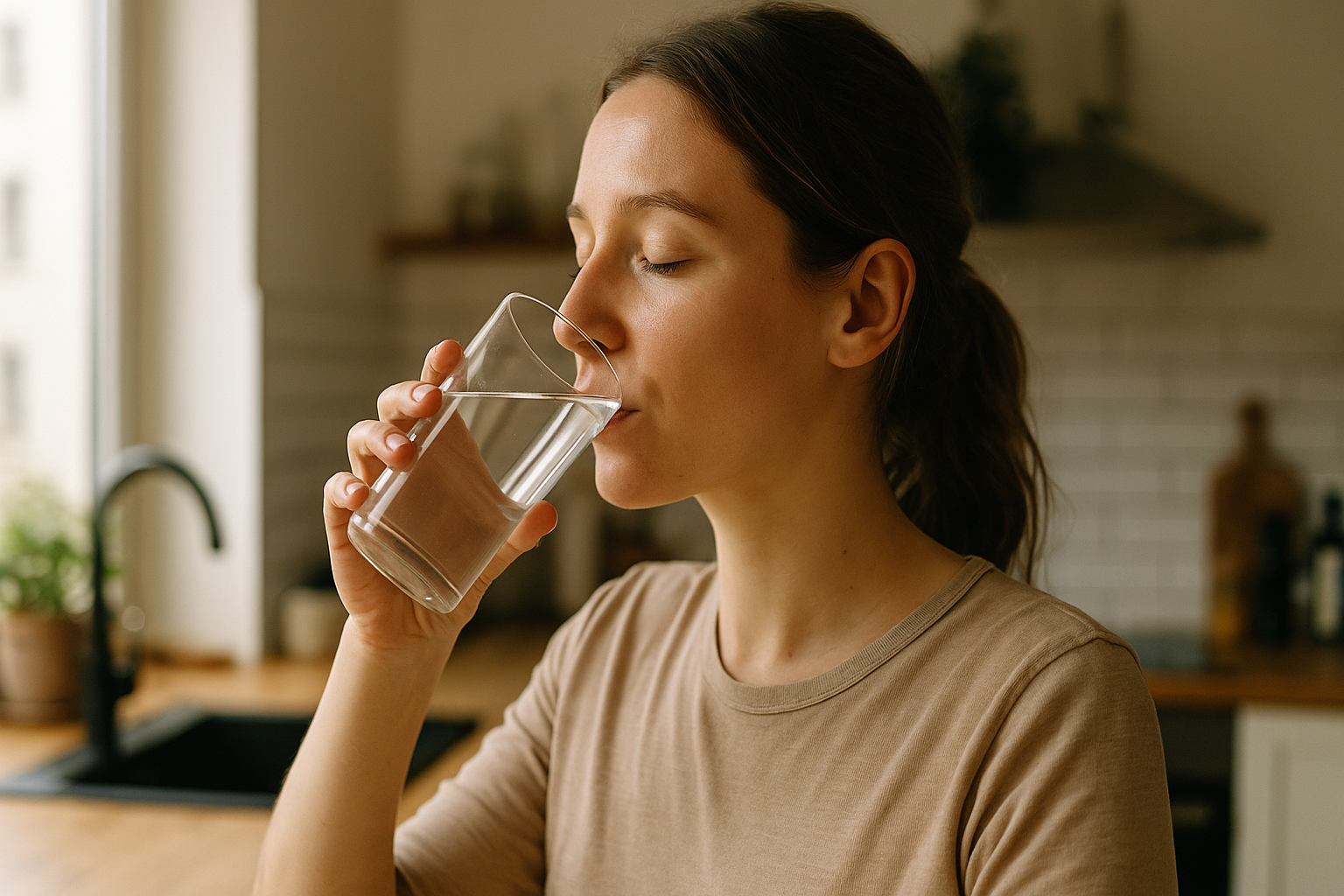
Water is simple, clear, and easy to find, yet it plays one of the biggest roles in human health. Every cell, tissue, and organ in your body depends on water to work properly. Drinking enough water each day supports daily comfort, long-term wellness, and nearly every process that keeps you alive. Many people underestimate how much hydration affects how they feel, think, move, and age. Understanding the benefits of drinking more water can help you make small changes that lead to better health over time.
Why the Human Body Needs Water
The adult human body is made up of about 60 percent water. This water is not just stored in one place. It is found in blood, muscles, organs, and even bones. Water helps carry oxygen and nutrients to cells, removes waste, controls body temperature, and supports chemical reactions that keep the body balanced.
When you do not drink enough water, these systems begin to slow down. Even mild dehydration can affect how your body feels and functions. Drinking water regularly helps your body stay in balance, which is also known as homeostasis.
Water as a Transport System
Water acts like a delivery service inside your body. It moves vitamins, minerals, glucose, and oxygen through the bloodstream so cells can use them for energy and repair. Without enough water, blood becomes thicker and moves more slowly, making it harder for nutrients to reach where they are needed.
At the same time, water helps remove waste products. It carries toxins to the kidneys and liver so they can be filtered out and removed through urine and sweat.
Hydration and Energy Levels
One of the first signs of dehydration is feeling tired or low on energy. Water plays a key role in producing energy at the cellular level. When cells do not have enough water, they cannot make energy as efficiently.
Many people reach for caffeine or sugar when they feel tired, but sometimes the body is simply asking for water. Drinking a glass of water can help restore energy and improve alertness without the crash that often follows sugary drinks.
How Dehydration Causes Fatigue
When you are dehydrated, your heart has to work harder to pump blood. This extra effort can make you feel worn out. Dehydration can also lower blood pressure and reduce oxygen flow to the brain, leading to sluggishness.
Staying hydrated throughout the day helps maintain steady energy levels, especially during long workdays or school hours.
Water and Brain Function
Your brain is made up of about 75 percent water. This means hydration has a strong effect on how you think, focus, and remember information. Even small drops in hydration can impact mental performance.
Drinking enough water helps support attention, memory, and problem-solving skills. It also helps regulate mood and emotional balance.
Focus, Memory, and Mood
Studies show that mild dehydration can make it harder to concentrate and can increase feelings of confusion or tension. People may feel more irritable or anxious when they are not well hydrated.
Water helps maintain the balance of chemicals in the brain that affect mood. Staying hydrated may help you feel calmer and more clear-headed during daily tasks.
Supporting Digestion and Gut Health
Water plays an important role in digestion from the moment you take a bite of food. It helps break down food so nutrients can be absorbed properly. Without enough water, digestion becomes slower and less efficient.
Drinking water before, during, and after meals supports the movement of food through the digestive system and helps prevent common issues like constipation.
Preventing Constipation
Your intestines need water to soften stool and help it move smoothly. When the body is dehydrated, it pulls water from the colon, making stool hard and difficult to pass.
Regular water intake, along with fiber-rich foods, supports healthy bowel movements and overall gut comfort.
Water and Kidney Health
The kidneys are responsible for filtering waste from the blood and maintaining fluid balance. Water is essential for this process. Drinking enough water helps the kidneys remove toxins through urine.
When water intake is too low, urine becomes more concentrated, which can increase the risk of kidney stones and urinary tract issues.
Reducing the Risk of Kidney Stones
Kidney stones form when minerals and salts build up in the kidneys. Drinking more water dilutes these substances, making stones less likely to form.
Clear or light-colored urine is often a sign of good hydration and healthy kidney function.
Heart Health and Blood Circulation
Water supports heart health by helping maintain blood volume and circulation. When you are well hydrated, blood flows more easily through blood vessels.
Dehydration can cause blood to thicken, which may increase strain on the heart and raise the risk of circulation problems.
Maintaining Healthy Blood Pressure
Proper hydration helps regulate blood pressure. Low fluid levels can lead to drops in blood pressure, causing dizziness or lightheadedness.
Drinking enough water helps the heart pump efficiently and supports steady circulation throughout the body.
Water and Body Temperature Control
Your body uses water to regulate temperature through sweating and respiration. When you get hot, your body releases sweat, which cools you as it evaporates.
If you are dehydrated, your body has a harder time cooling itself, increasing the risk of overheating and heat-related illnesses.
Staying Cool During Physical Activity
During exercise or physical work, the body loses water through sweat. Replacing this lost water helps prevent overheating and supports endurance.
Drinking water before, during, and after activity helps maintain performance and reduces recovery time.
Hydration and Joint Health
Water helps cushion and lubricate joints. The cartilage in joints contains a high percentage of water, which helps reduce friction during movement.
When you are dehydrated, joints may feel stiff or uncomfortable, especially during physical activity.
Supporting Mobility and Comfort
Proper hydration helps maintain flexibility and reduces wear on joints. This is especially important for people who are active or who experience joint discomfort.
Drinking water regularly supports long-term joint health and ease of movement.
Skin Health and Appearance
Water plays a role in keeping skin healthy and resilient. While drinking water is not a cure for skin conditions, it helps maintain skin moisture and elasticity.
Well-hydrated skin may appear smoother and less dry compared to dehydrated skin.
Water and Skin Function
Water helps deliver nutrients to skin cells and remove toxins through sweat. It also supports the skin barrier, which helps protect against environmental damage.
When the body lacks water, skin may appear dull or feel tight.
Weight Management and Appetite Control
Drinking more water can support healthy weight management habits. Water has no calories and can help reduce overall calorie intake when used in place of sugary drinks.
Sometimes thirst is mistaken for hunger, leading to unnecessary snacking.
Water and Feelings of Fullness
Drinking water before meals may help you feel fuller, which can reduce overeating. Water also helps the body process stored fat more efficiently.
Replacing high-calorie beverages with water supports long-term health goals.
Immune System Support
Water supports the immune system by helping the body transport nutrients and remove waste. Proper hydration keeps mucous membranes moist, which helps block germs.
When you are dehydrated, your body may be less effective at fighting off infections.
Hydration During Illness
When you are sick, your body often loses more fluids through fever, sweating, or digestive issues. Drinking water helps prevent dehydration and supports recovery.
Staying hydrated helps the immune system work efficiently during times of stress.
Water and Detoxification
The body has its own natural detox systems, mainly the liver and kidneys. Water supports these organs by helping flush waste from the body.
Drinking enough water ensures that toxins are removed regularly and efficiently.
Supporting Liver Function
The liver uses water to process and eliminate harmful substances. Without enough water, this process slows down.
Regular hydration supports the body’s natural ability to clean and balance itself.
Hydration and Sleep Quality
Water intake can affect sleep in both positive and negative ways. Proper hydration supports hormone balance and body temperature regulation, which are important for sleep.
Drinking water earlier in the day helps maintain hydration without interrupting sleep at night.
Balancing Fluids for Better Rest
Dehydration can cause dry mouth or leg cramps, which may disturb sleep. Staying hydrated throughout the day helps prevent these issues.
Listening to your body’s thirst signals supports restful sleep patterns.
Hydration Needs at Different Life Stages
Water needs can change depending on age, activity level, and health status. Children, adults, and older adults all benefit from regular hydration, but their needs may differ.
Understanding these differences helps support health across the lifespan.
Children and Teenagers
Growing bodies need water to support development, learning, and physical activity. Children may not always recognize thirst, so regular reminders to drink water are helpful.
Water supports focus in school and energy during play.
Older Adults
As people age, the sense of thirst may decrease, increasing the risk of dehydration. Older adults may also have medical conditions or take medications that affect fluid balance.
Regular water intake supports digestion, circulation, and overall comfort in later life.
Signs You May Need More Water
The body often gives signals when it needs more fluids. Paying attention to these signs can help prevent dehydration.
- Dark yellow urine
- Dry mouth or lips
- Headaches
- Fatigue or dizziness
- Difficulty concentrating
Simple Ways to Drink More Water
Building hydration habits does not have to be complicated. Small changes can make a big difference over time.
- Carry a reusable water bottle
- Drink a glass of water when you wake up
- Have water with every meal
- Add fruit slices for natural flavor
- Set reminders during the day
Water Intake and Daily Routines
Making water part of your daily routine helps ensure consistent hydration. Drinking water during regular activities, such as meals or breaks, makes it easier to meet your needs.
Over time, these habits can support better health without much effort.
Hydration and Overall Well-Being
Drinking more water supports the body in many connected ways. From physical comfort to mental clarity, hydration affects how you feel each day.
Water is one of the simplest tools for supporting health, and it is available to most people at low cost and with little effort.
The Role of Water in Daily Balance
Water helps maintain balance in nearly every system of the body. When hydration needs are met, the body is better equipped to adapt to stress, activity, and environmental changes.
Drinking water regularly helps support steady, reliable body function throughout the day.