
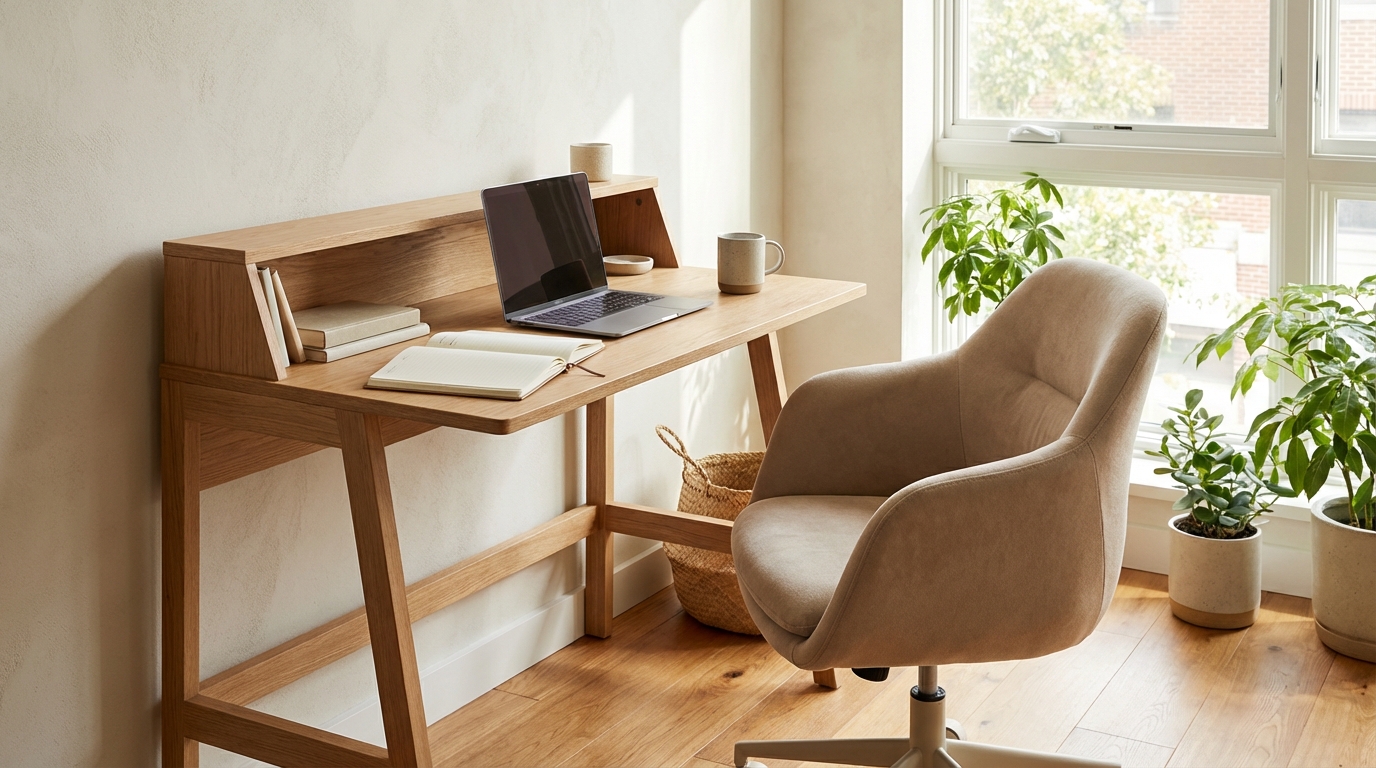
When people shop for furniture, the first thing they often notice is how it looks. Color, shape, and trend can feel exciting and new. But after the first few weeks of living with that furniture, daily life starts to matter more than first impressions. Chairs are sat on, tables are used, and storage fills up fast. This is where functional furniture shows its true value. Function is not boring or dull. It is what helps a home work well every single day.
Function Shapes Daily Comfort
Furniture is part of everyday routines. You sit on a sofa after work, eat at a table with family, and sleep in a bed every night. If these items do not support the body or fit the space, small problems can turn into daily frustrations. A sofa that looks sleek but has shallow seats may feel uncomfortable during a movie night. A dining chair with a hard edge may cause discomfort during long meals.
Functional furniture is designed with the human body in mind. Seat height, back support, cushion depth, and arm placement all affect comfort. When these details are right, furniture fades into the background and lets people focus on living. Comfort also helps reduce stress and fatigue, which supports better moods at home.
How Practical Design Saves Time
Homes are busy places. People cook, clean, work, relax, and entertain. Furniture that supports these activities can save time every day. For example, a coffee table with storage keeps remotes, books, and chargers in one place. A bed with drawers reduces the need for extra storage furniture.
When items have a clear purpose and are easy to use, daily tasks feel smoother. There is less searching for things and less need to rearrange rooms. Over time, these small time savings add up and make home life feel calmer.
Storage Is a Core Function
One of the biggest challenges in many homes is storage. Clutter builds quickly when furniture does not offer places to put everyday items. Functional furniture often includes hidden or flexible storage options. Examples include ottomans that open, benches with compartments, and shelving units with adjustable shelves.
Good storage furniture supports organization. It helps keep surfaces clear, which makes rooms feel larger and easier to clean. Storage-focused design is especially important in homes with limited square footage, where every inch counts.
Small Spaces Need Smart Furniture
In apartments and smaller homes, style alone cannot solve space problems. A beautiful but oversized sofa can block walkways and make a room feel cramped. Functional furniture is sized and shaped to fit real spaces.
Multi-use furniture is especially valuable in small homes. A desk that folds away, a dining table that expands, or a sofa bed for guests all help one room serve many roles. This flexibility allows people to live comfortably without feeling crowded.
Durability Matters More Than Trends
Trendy furniture can look great in photos, but trends change quickly. Functional furniture focuses on durability and long-term use. Strong frames, quality joints, and durable fabrics help furniture last for years.
When furniture lasts longer, it reduces the need for frequent replacement. This saves money and reduces waste. A well-made table or chair may not look trendy at first, but it often looks better over time as it becomes part of daily life.
Maintenance and Cleaning Are Part of Function
Furniture that is hard to clean can become a problem, especially in homes with kids or pets. Light fabrics, delicate finishes, and complex shapes may look nice but can be stressful to maintain.
Functional furniture considers real-life messes. Removable cushion covers, stain-resistant fabrics, and smooth surfaces make cleaning easier. Furniture that is easy to maintain stays in better condition and feels welcoming for longer.
Health and Body Support
Furniture affects physical health more than many people realize. Poorly designed chairs can cause back pain. Beds without proper support can affect sleep quality. Desks at the wrong height can strain the neck and shoulders.
Functional furniture supports healthy posture and movement. Adjustable chairs, supportive mattresses, and well-sized work surfaces help the body stay comfortable. This is especially important for people who work from home or spend long hours sitting.
Living With Kids and Pets
Homes with children and pets have special needs. Furniture must handle spills, rough use, and constant movement. Sharp corners, unstable pieces, and fragile materials can create safety risks.
Functional furniture in family homes often has rounded edges, sturdy construction, and easy-to-clean surfaces. Sofas with durable upholstery and tables with solid legs can handle daily activity without constant worry.
Budget-Friendly Choices Over Time
At first glance, stylish furniture can seem affordable, especially when it follows fast trends. But replacing furniture often can become expensive. Functional furniture is usually a better long-term investment.
When pieces last longer and work better, there is less need to buy replacements. Spending a little more upfront on practical design can save money over years of use. This approach also reduces the stress of frequent shopping and decision-making.
Sustainability and Responsible Living
Choosing functional furniture also supports more sustainable living. Furniture that lasts longer reduces waste and the demand for new resources. Many functional designs use solid wood, metal, or high-quality materials that age well.
Multi-purpose furniture also reduces the total number of items needed in a home. Fewer pieces mean less manufacturing, shipping, and disposal over time. Practical choices can align with environmental values without sacrificing comfort.
Adapting to Life Changes
Life changes, and homes need to adapt. People move, change jobs, grow families, or downsize. Functional furniture is easier to adapt to new situations.
Neutral, practical pieces can move from one home to another without feeling out of place. Adjustable shelving, modular seating, and extendable tables can change as needs change. This flexibility makes furniture more useful across different stages of life.
Renters Benefit From Practical Design
Renters often face limits on space and layout. Built-in storage may be limited, and room sizes can vary. Functional furniture helps renters make the most of their space without permanent changes.
Lightweight pieces that are easy to move, furniture with storage, and items that serve multiple roles all support renter-friendly living. These choices also make moving easier and less costly.
Work-from-Home Realities
Many homes now include workspaces. A chair that looks stylish may not support long hours of sitting. A desk that fits the room visually may not offer enough surface area.
Functional office furniture supports focus and comfort. Proper desk height, cable management, and storage for supplies help create a productive environment. When work furniture functions well, it blends into the home without causing discomfort.
Room-by-Room Functional Needs
Living Room
The living room is used for relaxing, socializing, and sometimes working. Functional sofas offer comfortable seating for different body types. Coffee tables with storage and media units with cable space help keep the room organized.
Dining Area
Dining furniture should support meals, conversations, and sometimes homework or crafts. Chairs should be comfortable for longer sitting, and tables should be easy to clean. Extendable tables add flexibility for guests.
Bedroom
The bedroom is a place for rest. Beds with proper support improve sleep quality. Nightstands with drawers keep essentials close. Dressers with smooth drawers make daily routines easier.
Kitchen
In kitchens, function is critical. Stools should be stable and comfortable. Storage furniture like pantry cabinets helps keep food organized. Durable surfaces handle spills and heat better.
Entryway
Entryways set the tone for daily comings and goings. Benches with shoe storage, hooks for bags, and slim consoles help manage clutter. Functional entry furniture supports smoother transitions in and out of the home.
Materials and Construction
Functional furniture often uses materials chosen for strength and ease of care. Solid wood, plywood, metal frames, and high-quality composites offer stability. Fabrics like microfiber or tightly woven textiles resist wear.
Construction details also matter. Reinforced joints, quality hardware, and balanced weight distribution affect how furniture performs. These details may not stand out visually, but they affect daily use.
Measuring and Planning
Function starts before buying. Measuring spaces and thinking about how furniture will be used helps avoid problems. Walkways, door swings, and seating clearance all affect comfort.
Planning also includes thinking about storage needs, lighting, and traffic flow. Furniture that fits well supports easy movement and reduces accidents or awkward layouts.
Common Style-First Mistakes
Choosing furniture only for looks can lead to issues like blocked windows, uncomfortable seating, or lack of storage. Oversized pieces can overwhelm rooms, while delicate items may not handle daily use.
Another common mistake is ignoring scale. A chair that looks great online may feel too low or too narrow in real life. Functional thinking helps avoid these problems.
Balancing Style and Function
Function does not mean giving up on style. Many practical furniture designs are also attractive. Neutral colors, simple shapes, and classic materials blend easily with different decor styles.
When function comes first, style can be added through accessories like pillows, rugs, and art. These elements are easier to change and do not affect daily comfort or use.
Making Thoughtful Furniture Choices
Choosing functional furniture involves asking simple questions. How will this be used every day? Who will use it? How easy is it to clean and maintain? Does it offer storage or flexibility?
By focusing on these questions, people can create homes that support real life. Furniture becomes a helpful tool rather than a source of frustration, allowing style to serve function instead of replacing it.