
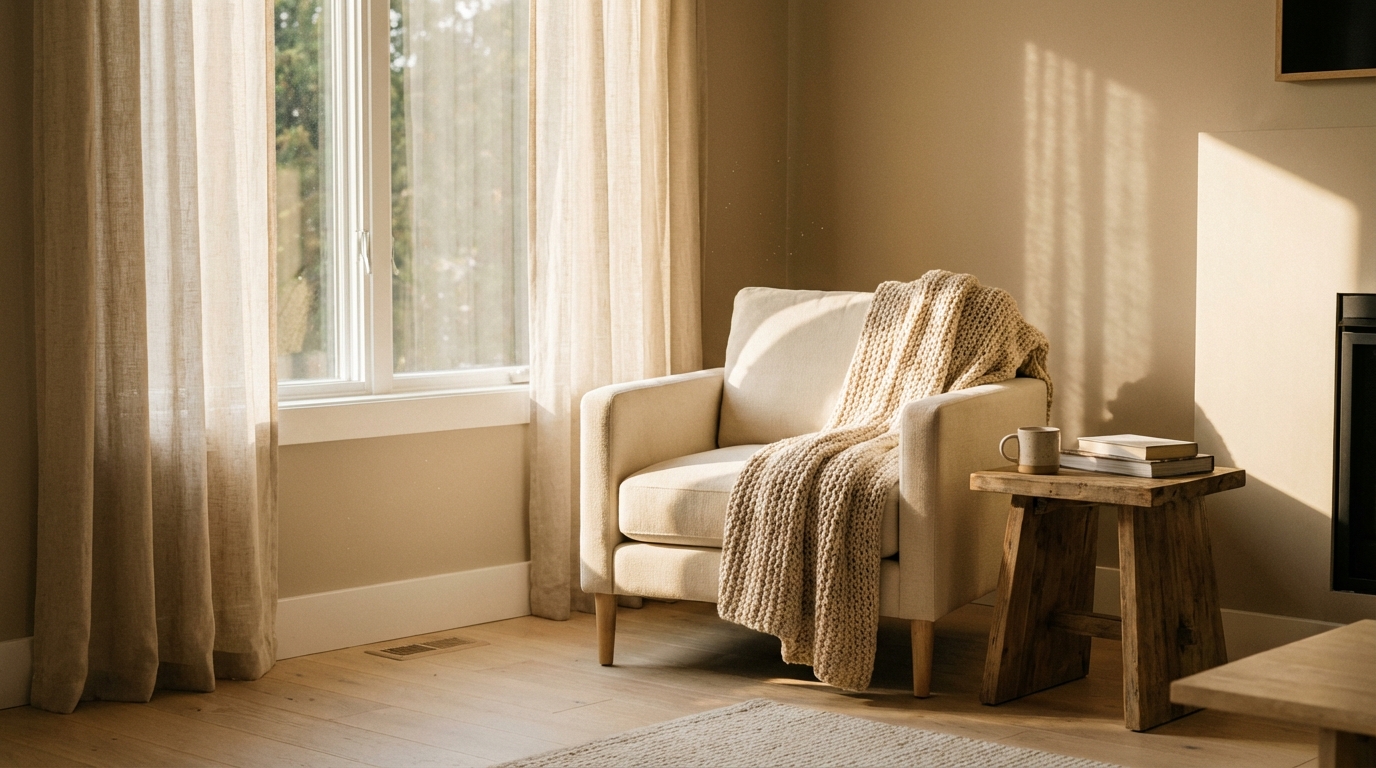
Natural light has a powerful way of changing how a room feels the moment you walk into it. Even before you notice the furniture or colors, daylight shapes the mood, comfort, and energy of a space. A room filled with soft morning light feels different from one lit by a warm afternoon glow or a cool, overcast sky. These changes happen quietly throughout the day, yet they affect how people think, feel, and move inside their homes.
What Natural Light Really Is
Natural light comes from the sun and reaches our homes through windows, doors, skylights, and other openings. Unlike artificial light, daylight shifts constantly. Its color, strength, and direction change with the time of day, the season, and the weather. Because our eyes and brains evolved under sunlight, we respond to it in ways that feel natural and comforting.
Sunlight contains a wide range of colors, even if it often looks white to us. Morning light tends to be cooler and softer, while midday light is brighter and more neutral. Late afternoon and evening light is warmer and more golden. These changes influence how a room looks and how people feel while spending time there.
How Daylight Shapes Mood
One of the strongest effects of natural light is its impact on mood. Bright, natural light often makes people feel more awake, positive, and calm. Dark or poorly lit rooms can feel heavy or dull, even if they are decorated nicely.
Sunlight helps the brain release chemicals that affect happiness and focus. When a room has good daylight, people often feel more motivated and relaxed at the same time. This is why rooms with large windows are often described as cheerful or uplifting.
Natural Light and Emotional Balance
Daylight helps regulate emotions throughout the day. Exposure to sunlight supports healthy levels of serotonin, a chemical linked to feeling stable and content. When rooms lack daylight, people may feel tired, irritable, or low in energy.
Rooms that receive steady natural light can feel emotionally safe and welcoming. This is especially important in spaces where people spend long periods, such as living rooms, kitchens, and home offices.
The Way Light Moves Through a Room
Natural light is never still. As the sun moves across the sky, light enters a room at different angles. This movement creates changing patterns of brightness and shadow on walls, floors, and furniture.
In the morning, light may stretch across the floor in long, soft lines. At midday, it may fill the room evenly. In the late afternoon, it can create dramatic highlights and shadows that add depth and warmth.
Direction of Light Matters
The direction a room faces plays a big role in how it feels throughout the day.
- East-facing rooms get gentle morning light that feels fresh and energizing.
- South-facing rooms often receive strong, steady light for most of the day.
- West-facing rooms are known for warm, golden afternoon and evening light.
- North-facing rooms usually have cooler, softer light that stays fairly even.
Each direction creates a different atmosphere, and understanding this can help explain why two rooms with the same layout feel very different.
Changes Across the Day
Morning light often feels hopeful and clean. It can make a bedroom feel like a place for new beginnings or a kitchen feel ready for activity. This light is usually less harsh, which makes it comfortable for waking up slowly.
Midday light is brighter and more direct. It can make spaces feel open and active, which is helpful for work, cleaning, or creative projects. However, too much direct midday sun can feel overwhelming without proper shading.
Evening light brings warmth and softness. It can make a room feel cozy and calm, encouraging rest and connection. This shift helps signal to the body that the day is winding down.
Seasonal Differences in Daylight
The amount and quality of daylight change with the seasons, and this strongly affects how a room feels over the year. In summer, days are longer and light is stronger. Rooms may feel bright and lively for many hours.
In winter, daylight is limited and the sun sits lower in the sky. Light may enter rooms at a lower angle, creating long shadows and a quieter mood. This seasonal shift can make the same room feel very different without changing anything inside it.
How Seasonal Light Affects Atmosphere
Summer light often brings energy and openness. Rooms feel airy and active, which supports social gatherings and movement. Winter light can feel softer and more reflective, encouraging rest and comfort.
Homes that allow natural light to enter deeply can help balance these seasonal changes and keep rooms feeling welcoming all year.
The Relationship Between Light and Color
Natural light changes how colors appear in a room. Paint, fabrics, and wood tones can look completely different depending on the time of day and the type of light entering the space.
Bright daylight shows colors more accurately than most artificial lighting. Soft morning light may make colors appear cooler, while evening light adds warmth and richness.
Light and Wall Colors
Light-colored walls reflect daylight and spread it around the room, making spaces feel larger and brighter. Darker walls absorb more light, creating a cozy or dramatic mood but sometimes making a room feel smaller.
Natural light helps reveal the true depth of a color, including subtle shades and undertones that artificial light may hide.
Texture, Shadows, and Depth
Daylight reveals texture in a way artificial light often cannot. Sunlight grazing across a wall can highlight brick, wood grain, fabric weave, or plaster details.
Shadows created by natural light add depth and interest. These shadows change throughout the day, giving the room a sense of life and movement.
Why Shadows Matter
Shadows help the eye understand shape and distance. A room with natural light often feels more three-dimensional and engaging. Flat lighting can make a space feel dull, while changing shadows create visual comfort.
How Natural Light Affects Perceived Temperature
Natural light can change how warm or cool a room feels, even without changing the actual temperature. Sunlight streaming in can make a room feel warmer and more inviting.
Cool, indirect light may make a space feel fresh and calm, which is often welcome in warmer climates or during summer months.
Daylight and Room Function
Different rooms benefit from natural light in different ways. The way daylight enters a space can support how that room is used.
Living Rooms and Family Spaces
Living rooms often serve as gathering places. Natural light helps these spaces feel open and friendly. It encourages conversation and relaxation and makes the room feel alive during the day.
Kitchens and Dining Areas
Kitchens benefit from bright, even daylight that makes tasks easier and improves mood. Natural light can make food look more appealing and cooking feel more enjoyable.
Bedrooms
In bedrooms, natural light helps set daily rhythms. Morning light supports waking up, while softer light later in the day helps the body prepare for rest.
Home Offices
Daylight improves focus and reduces eye strain. A home office with good natural light often feels less tiring and more productive than one lit only by lamps.
The Connection Between Daylight and Sleep
Natural light plays a key role in regulating sleep patterns. Exposure to daylight during the day helps the body understand when it is time to be awake and when it is time to rest.
Rooms that receive daylight during the morning and early afternoon support healthier sleep cycles, even if the bedroom itself is darker at night.
Social Behavior and Natural Light
Rooms filled with daylight often feel more welcoming, which can affect how people interact. Guests may feel more relaxed and open in bright, naturally lit spaces.
Natural light can make a room feel safer and more pleasant, encouraging people to spend more time together and engage in conversation.
Natural Light and Mental Well-Being
Spending time in naturally lit rooms can support mental health. Daylight helps reduce feelings of stress and supports emotional balance.
In homes where daylight is limited, people may feel disconnected from the outside world. Windows and light-filled rooms help maintain a sense of time, weather, and seasonal change.
The Role of Windows
Windows are the main way natural light enters a room. Their size, shape, and placement all influence how light spreads inside.
Large windows allow more light but also create stronger contrasts. Smaller windows may create focused areas of light that feel intimate and calm.
Window Placement and Height
Higher windows can bring light deeper into a room. Lower windows connect the interior with the outdoors and provide views that add to the atmosphere.
Skylights and Overhead Light
Skylights introduce light from above, which can feel very natural and balanced. This type of light reduces harsh shadows and spreads evenly.
Rooms with skylights often feel open and airy, even if the walls are dark or the space is small.
Mirrors and Reflective Surfaces
Mirrors can help spread natural light around a room. When placed across from windows, they reflect daylight into darker corners.
Glossy surfaces, light floors, and reflective furniture can also help amplify the effect of daylight without adding new light sources.
Window Treatments and Light Control
Controlling natural light is just as important as letting it in. Curtains, blinds, and shades help adjust brightness and privacy.
Sheer fabrics soften daylight and reduce glare while still allowing light to enter. Heavier treatments block light and create a quieter, more enclosed feeling.
Weather and Changing Atmosphere
Cloudy days create soft, even light that reduces shadows. This type of light can make a room feel calm and gentle.
Sunny days create stronger contrasts and brighter highlights. Rain, fog, and snow all change the quality of daylight and influence how a room feels.
Outdoor Views and Connection
Natural light often comes with views of the outdoors. Seeing trees, sky, or gardens adds to the atmosphere of a room.
These views provide visual rest and a sense of connection to nature, which can reduce stress and improve comfort.
Plants and Daylight
Houseplants rely on natural light, and their presence can enhance how a room feels. Healthy plants add life, color, and softness.
Sunlight interacting with leaves creates gentle patterns and shadows that bring natural movement into the space.
Small Rooms and Natural Light
In small rooms, natural light can make a big difference. Even one well-placed window can make a compact space feel open and breathable.
Light-colored surfaces and minimal clutter help daylight bounce around, increasing the feeling of space.
Large Rooms and Light Balance
Large rooms need balanced light to avoid feeling empty or uneven. Natural light helps define areas and create comfort within a big space.
Multiple light sources, such as windows on different walls, help maintain balance throughout the day.
Glare and Visual Comfort
While natural light is beneficial, too much glare can be uncomfortable. Direct sunlight on screens or reflective surfaces can cause eye strain.
Proper placement of furniture and light control solutions help maintain comfort without losing the benefits of daylight.
Maintaining Clear Light Paths
Keeping windows clean allows more light to enter. Dust and dirt can reduce the amount of daylight and dull its effect.
Outdoor elements like overgrown plants or heavy coverings can block light and change how a room feels inside.
Natural Light as a Living Element
Daylight acts like a living element in a home. It changes hour by hour and season by season, shaping mood and atmosphere in subtle ways.
By paying attention to how natural light moves and feels, homeowners can better understand why certain rooms feel comforting, energizing, or calm at different times.