
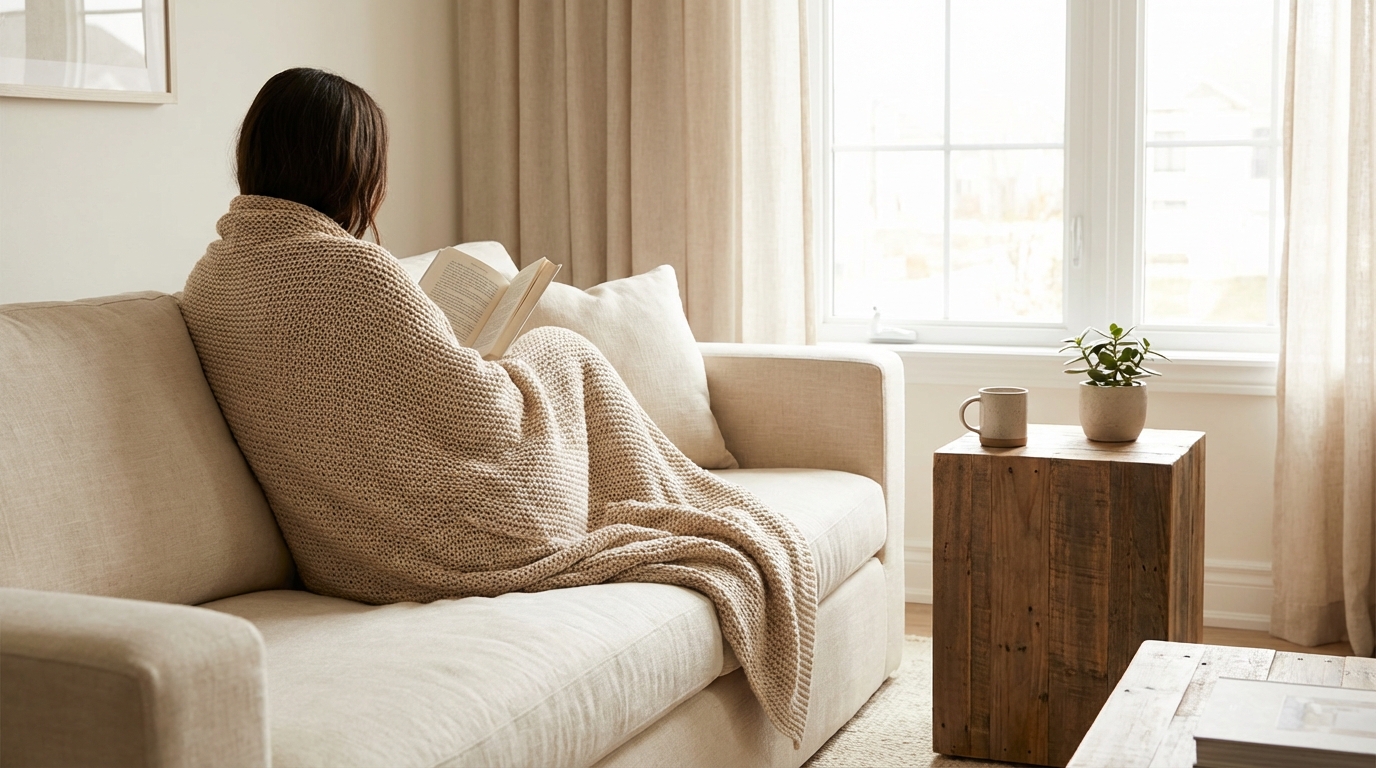
Neutral spaces often feel calm the moment you step into them. The room seems to breathe. Your shoulders drop, your thoughts slow down, and the space feels easy to be in. Many people notice this effect without fully knowing why it happens. Neutral spaces are not empty or cold. Instead, they create a quiet background that allows the mind and body to relax. In homes, gardens, and shared living areas, this sense of ease can make everyday life feel more balanced.
What Neutral Spaces Really Are
A neutral space is usually built around soft, natural colors and simple shapes. These colors include whites, creams, beiges, grays, soft browns, and gentle earth tones. The goal is not to remove color completely, but to keep it subtle and supportive. Neutral spaces also avoid sharp contrasts and busy patterns. Everything works together instead of competing for attention.
In home design, neutral does not mean boring or unfinished. It means the space is calm enough to let people feel present. Furniture, walls, floors, and decor all play a role. When these elements feel balanced, the room becomes easier to use and enjoy.
How the Brain Responds to Simplicity
The human brain is always processing information. Colors, shapes, sounds, and movement all demand attention. In busy or colorful spaces, the brain works harder to sort through what matters. Over time, this can lead to mental fatigue.
Neutral spaces reduce the amount of visual noise. When fewer elements compete for attention, the brain can relax. This creates a feeling of restfulness, even if you are not consciously thinking about it. The space feels easier to understand, and your mind does not have to stay on alert.
This response is linked to how humans evolved. Natural environments like sand, stone, sky, and wood often come in neutral shades. Being surrounded by these tones can trigger a sense of safety and familiarity.
The Role of Color in Calm Spaces
Color has a strong emotional impact. Bright colors can be exciting and energizing, but too much of them can feel overwhelming. Neutral colors tend to sit quietly in the background. They do not demand attention, which allows other parts of the room, like light or texture, to shine.
Soft whites and creams can make a room feel open and airy. Light grays add calm without feeling cold when balanced with warm materials. Beige and taupe create warmth and comfort. These colors work well together because they share similar undertones.
Using one main neutral color with small variations helps keep the space cohesive. This consistency helps the eye move gently around the room without stopping or feeling startled.
Why Fewer Visual Choices Feel Better
Every object in a room asks for a small amount of attention. When there are too many items, the brain has to make constant decisions about what to focus on. This can create stress without you realizing it.
Neutral spaces usually have fewer decorative items, and the ones that remain are chosen carefully. This reduces decision fatigue. The room feels clearer, and your thoughts may feel clearer as well.
This does not mean removing everything. It means choosing items that serve a purpose or bring quiet joy. When each piece has room to exist, the space feels more restful.
The Importance of Natural Light
Light plays a huge role in how a neutral space feels. Natural light works especially well with neutral colors because it changes throughout the day. Morning light can feel fresh and soft, while afternoon light adds warmth.
Neutral walls reflect light gently instead of absorbing it or bouncing it harshly. This creates a smooth, even glow that makes the room feel welcoming. Heavy colors can block light or make shadows feel heavier.
Windows without heavy coverings allow light to move freely. Simple curtains or shades help control brightness while keeping the calm mood intact.
Texture Adds Quiet Interest
One common worry about neutral spaces is that they might feel flat. Texture solves this problem. When colors stay simple, texture becomes more noticeable and enjoyable.
Natural materials like wood, linen, cotton, wool, stone, and clay bring warmth and depth. A soft rug, a woven basket, or a textured wall can add interest without adding noise.
Texture works best when it is layered gently. Smooth surfaces mixed with rough ones create balance. This keeps the space feeling alive while still calm.
How Clutter Affects Restfulness
Clutter is one of the biggest reasons a space feels stressful. Even in a neutral room, clutter can break the sense of calm. Piles of items signal unfinished tasks to the brain.
Neutral spaces often rely on good storage. Cabinets, shelves, and baskets hide everyday items while keeping them easy to reach. When surfaces are clear, the room feels more open.
Regular decluttering helps maintain this restful feeling. It becomes easier to notice what you truly use and enjoy.
Balance and Symmetry in Design
Balance helps a room feel stable. Neutral spaces often use symmetry or gentle balance to create order. This might mean matching lamps on each side of a bed or evenly spaced seating in a living room.
When things feel balanced, the eye can rest. There is no need to search for a focal point because the whole space works together. This creates a quiet sense of comfort.
Balance does not have to be perfect. Slight differences can add charm as long as the overall feeling remains steady.
Soft Shapes and Simple Lines
Sharp angles and complex patterns can feel exciting, but they also create tension. Neutral spaces often use softer shapes and clean lines. Rounded furniture edges and simple silhouettes feel easier on the eyes.
Simple lines help guide movement through a room. You can see where to walk, sit, or rest without confusion. This ease of use supports relaxation.
When shapes repeat gently throughout the space, the room feels organized and peaceful.
The Impact of Temperature and Comfort
Physical comfort affects mental rest. Neutral spaces often focus on comfort through temperature control and soft furnishings. Warm throws, breathable fabrics, and supportive seating help the body relax.
Neutral colors can also affect how warm or cool a room feels. Warm neutrals like cream and beige can make a space feel cozy. Cooler neutrals like light gray can feel refreshing in warmer climates.
Choosing the right balance helps the room feel pleasant throughout the year.
Sound and Silence in Calm Spaces
Restful spaces are not only about what you see. Sound matters too. Neutral spaces often reduce echo and noise through soft materials like rugs, curtains, and upholstered furniture.
These materials absorb sound and make the room quieter. A quieter environment helps the nervous system calm down.
Even small changes, like adding a fabric wall hanging or extra cushions, can improve how sound travels in a space.
Gentle Scents and Air Quality
Smell is closely tied to emotion. Neutral spaces usually avoid strong scents. Instead, they may include light, natural smells like clean air, plants, or subtle essential oils.
Good airflow keeps the space feeling fresh. Opening windows when possible and using natural materials helps improve air quality.
When the air feels clean and light, the whole room feels easier to breathe in.
Furniture Placement and Flow
How furniture is arranged affects how a space feels. Neutral spaces often leave clear paths for movement. You can walk through the room without obstacles or tight corners.
This sense of flow reduces stress. Your body does not have to adjust or tense as you move. Everything feels intuitive.
Leaving some open space around furniture helps the room feel larger and less crowded.
Neutral Spaces in the Living Room
The living room is often the heart of the home. A neutral living room invites people to sit, talk, and relax. Soft seating, simple decor, and warm lighting create a welcoming mood.
Neutral walls allow art or plants to stand out without overpowering the space. A few meaningful items can become focal points.
This balance makes the room flexible for different activities, from quiet evenings to social gatherings.
Neutral Bedrooms and Better Rest
The bedroom benefits greatly from a neutral design. Soft colors help signal the body that it is time to rest. Bright or busy patterns can make it harder to relax.
Neutral bedding feels clean and comforting. Layers of soft fabrics add warmth without visual clutter.
When the bedroom feels calm, sleep often comes more easily.
Calm Kitchens Through Simplicity
Kitchens can become busy quickly. Neutral kitchens feel more organized and functional. Simple cabinets, light countertops, and uncluttered surfaces make cooking feel less stressful.
Neutral colors also reflect light well, making the space brighter and easier to work in.
Small accents like wooden cutting boards or ceramic bowls add warmth without disrupting the calm.
Bathrooms as Restful Retreats
Bathrooms are ideal places for neutral design. Soft colors, natural stone, and simple fixtures create a spa-like feel.
Clutter-free counters and gentle lighting help the space feel clean and peaceful.
Neutral bathrooms encourage slower routines and moments of quiet care.
Home Offices That Reduce Mental Load
A neutral home office can improve focus and reduce stress. Busy colors and decor can distract the mind during work.
Simple furniture, clear surfaces, and soft colors help keep attention on tasks.
This kind of environment supports steady concentration without mental fatigue.
Outdoor Neutral Spaces and Gardens
Neutral design works well outdoors too. Stone paths, wooden furniture, and natural plants create a calm garden atmosphere.
Earth tones blend with the natural environment and feel grounding.
Outdoor neutral spaces invite quiet moments and gentle connection with nature.
Why Neutral Does Not Mean Empty
Neutral spaces still have personality. The personality comes from textures, materials, and thoughtful choices rather than bold statements.
Personal items can exist in a neutral space when chosen with care. The difference is that they are given room to breathe.
This approach allows the space to support daily life without overwhelming it.
The Long-Term Comfort of Neutral Design
Trends change, but neutral spaces tend to age well. They adapt easily to new furniture, art, or seasonal changes.
This flexibility adds to their restful nature. The space does not feel outdated or demanding.
Living in a neutral space can feel like a steady background that supports growth and change without adding pressure.