
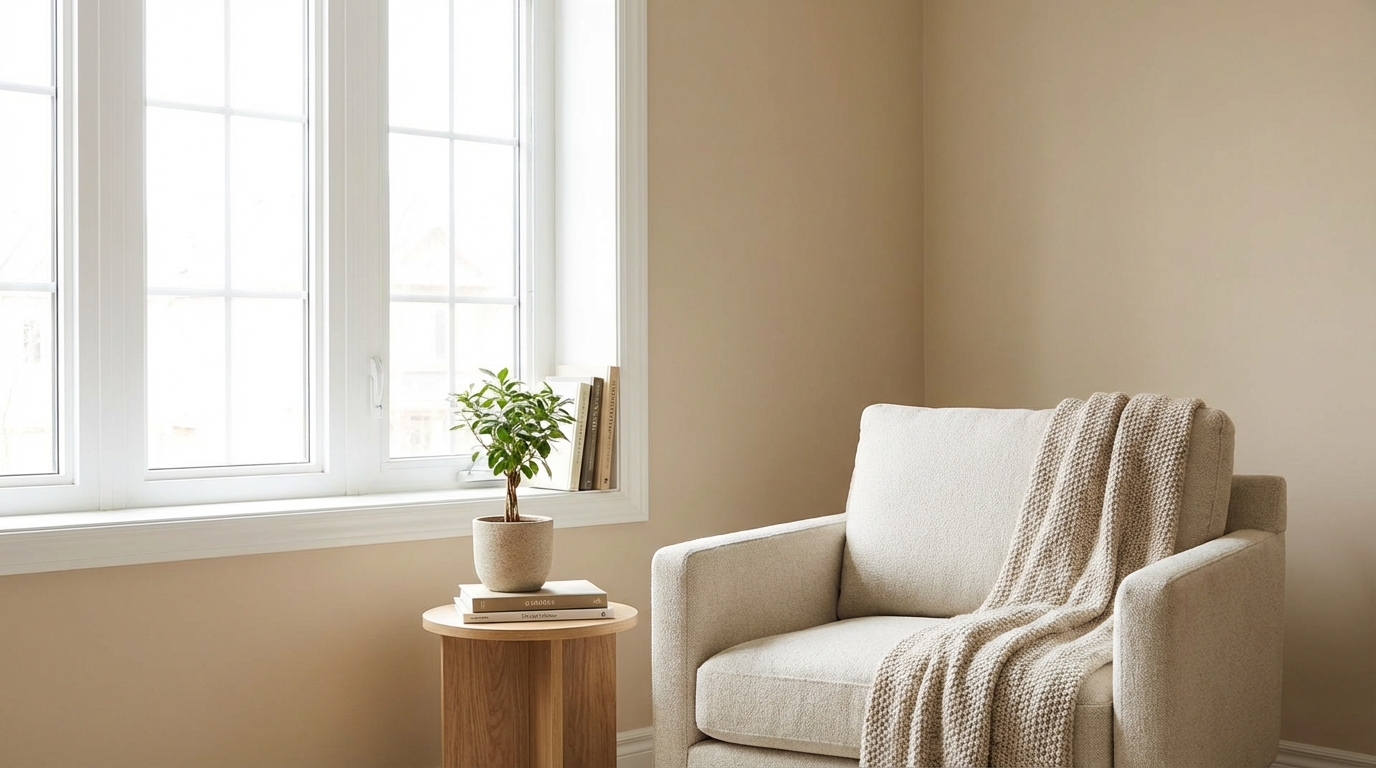
Walking into a room should feel welcoming, calm, or energizing in a good way. But sometimes a space feels busy, heavy, or even stressful without a clear reason. Overdecorating is often the cause. When too many objects compete for attention, the mind works harder to process what it sees. This can lead to mental fatigue, distraction, and a feeling that the room is closing in. Understanding why this happens helps explain why letting spaces breathe is not about being empty or boring, but about balance.
How the Brain Reacts to Visual Clutter
The human brain is constantly sorting information. Every color, shape, texture, and object in a room sends a signal. When there are too many signals at once, the brain struggles to prioritize them. This is known as cognitive overload. In a home, cognitive overload can make it hard to relax, focus, or even enjoy the items you love.
Visual clutter does not mean dirt or mess. A room can be clean and still overwhelming. Decorative clutter comes from too many patterns, too many decorative objects, crowded walls, and surfaces covered edge to edge. Each piece may be meaningful on its own, but together they can feel chaotic.
When the brain has fewer visual elements to process, it naturally feels calmer. This is why open landscapes, simple rooms, and uncluttered spaces often feel peaceful. Letting a space breathe gives the eyes places to rest.
Decision Fatigue in Decorated Spaces
Every object in a room asks for a small decision. Should I look at this? What is it? Where does it fit in? When a space is filled with decor, these tiny decisions add up. This is called decision fatigue. Even if you are not aware of it, your brain is working harder.
In homes where every shelf is full and every wall is covered, decision fatigue can show up as irritability, lack of focus, or a desire to leave the room. This is especially noticeable in spaces meant for rest, like bedrooms and living rooms.
The Emotional Weight of Too Much Decor
Decor carries emotional meaning. Photos, souvenirs, art, and collections often represent memories and identity. While this can be comforting, too much emotional content in one space can feel heavy. Instead of enjoying individual memories, they blur together.
A crowded space can make it harder to appreciate what matters most. When everything is special, nothing stands out. Letting spaces breathe allows important pieces to shine and be fully enjoyed.
Pressure to Display Everything
Many people feel pressure to display all their meaningful items at once. Gifts from loved ones, travel souvenirs, and inherited pieces often come with guilt if they are stored away. This pressure can lead to overdecorating.
It helps to remember that an item’s value does not disappear when it is not on display. Rotating decor seasonally or storing items safely can reduce visual overload while still honoring their meaning.
Why Small Spaces Feel Overwhelmed Faster
Smaller rooms reach their visual limit much faster than larger ones. In a compact space, each additional object takes up a higher percentage of visual attention. What works in a large living room may feel suffocating in a small apartment.
Overdecorating in small spaces can make rooms feel even smaller than they are. Walls appear closer, ceilings feel lower, and walking paths feel tighter. This physical sensation adds to the emotional feeling of being overwhelmed.
Scale and Proportion Issues
Overdecorating is not only about quantity but also about scale. Too many small objects can create a busy look, while oversized decor can dominate a room. When scale is off, the space feels unbalanced.
Letting a space breathe often means choosing fewer, appropriately sized pieces. One larger piece of art can feel calmer than a wall filled with many small frames.
The Role of Color and Pattern Overload
Color and pattern are powerful tools in decorating, but they can quickly overwhelm when overused. Bright colors demand attention. Patterns create movement for the eye. When many colors and patterns compete, the room can feel restless.
This does not mean neutral spaces are the only calm option. It means being intentional. A room with a limited color palette and controlled patterns feels more cohesive and easier to process.
Too Many Focal Points
A focal point gives the eye a place to land. Overdecorated rooms often have too many focal points. A bold rug, patterned curtains, gallery wall, statement furniture, and decorative lighting may all be fighting for attention.
When everything is a focal point, nothing feels grounding. Letting spaces breathe allows one or two elements to lead, while others support quietly.
Surface Clutter and Mental Noise
Flat surfaces like tables, counters, shelves, and dressers often become landing zones for decor. Candles, trays, books, plants, bowls, and decorative objects can quickly pile up.
While styled surfaces can look beautiful in photos, real life requires space to function. Overfilled surfaces create mental noise, making daily tasks feel harder. Clearing some space allows both the mind and the room to function better.
The Difference Between Styled and Stuffed
Styled surfaces have intention. Stuffed surfaces have no breathing room. A styled shelf might have a few objects with space between them. A stuffed shelf fills every inch.
Breathing room around objects makes them feel more important. It also makes cleaning easier and reduces visual stress.
How Overdecorating Affects Daily Routines
An overdecorated home can interfere with daily life in subtle ways. Cleaning takes longer when there are many objects to move. Finding things becomes harder when storage is mixed with decor. Even relaxing can feel less restful.
When a space is visually busy, the mind stays alert. This is helpful in creative studios or lively social spaces, but not ideal for rest, sleep, or focus.
Impact on Sleep and Relaxation
Bedrooms are especially sensitive to overdecorating. Too many items around the bed, busy walls, and crowded nightstands can interfere with relaxation. The brain needs calm visual cues to prepare for sleep.
Letting a bedroom breathe does not mean removing personality. It means choosing calm colors, limiting decor near the bed, and keeping surfaces clear.
Letting Spaces Breathe: What It Really Means
Letting spaces breathe is not about minimalism for everyone. It is about balance and intention. A breathing space has room for the eye to rest, the body to move, and the mind to relax.
This approach allows decor to enhance a room instead of overwhelming it. Each piece has a reason to be there, whether for function, beauty, or meaning.
Negative Space as a Design Tool
Negative space refers to the empty areas around objects. In design, negative space is just as important as the objects themselves. It creates contrast and clarity.
Rooms with good negative space feel open even when they contain many items. The key is spacing and restraint.
The Comfort of Simplicity
Simple spaces are easier to live in. They adapt better to daily changes, moods, and needs. Simplicity does not mean lack of style. It means choosing quality over quantity.
When a room is not overloaded, small changes make a big impact. Adding a new pillow, plant, or artwork feels exciting instead of stressful.
Emotional Relief Through Editing
Removing decor can feel emotional. It may bring up feelings of attachment or fear of emptiness. However, many people experience relief after editing a space.
This relief comes from reduced mental load. The room feels lighter, and so does the mind.
Social Media and the Pressure to Overdecorate
Images of perfectly styled homes fill social media. These images often show rooms staged for photos, not daily living. Every shelf is filled, every surface styled.
Trying to recreate these looks can lead to overdecorating. What works in a photo may not work in real life, especially in homes with kids, pets, and busy schedules.
Real Homes Versus Styled Images
Styled images are meant to inspire, not be copied exactly. They often remove practical items before photographing. When these rooms are lived in, they may not look or feel the same.
Letting spaces breathe allows homes to support real life, not just visual trends.
Personality Without Overload
Some people worry that reducing decor will erase their personality. In reality, thoughtful editing often highlights personality more clearly. A few meaningful pieces say more than many random ones.
Personality shows through color choices, textures, and the stories behind select items. Breathing space gives these elements room to speak.
Curating Instead of Collecting
Collecting decor without editing leads to overload. Curating means choosing what fits the space and the feeling you want to create.
This does not require getting rid of everything. It means deciding what deserves attention right now.
The Physical Sensation of Space
Overdecorating affects not just the eyes but the body. Tight pathways, crowded corners, and blocked light sources change how a room feels physically.
Spaces that breathe allow light to travel, air to flow, and people to move comfortably. This physical ease supports emotional comfort.
Light and Airflow
Too much decor near windows can block natural light. Heavy furniture and dense arrangements can restrict airflow.
Letting areas near windows and doors stay open helps rooms feel fresher and more inviting.
Letting Rooms Evolve Over Time
Overdecorating often happens when trying to finish a room quickly. Filling every space can feel like completing a task. However, rooms do not need to be finished all at once.
Allowing rooms to evolve over time leads to more thoughtful choices. Living in a space before adding more decor helps identify what is truly needed.
Comfort With Empty Space
Empty space can feel uncomfortable at first. It may seem unfinished. With time, many people begin to appreciate the calm it brings.
Learning to be comfortable with some emptiness is part of letting spaces breathe.
The Balance Between Function and Decoration
Decor should support how a room is used. When decoration interferes with function, frustration grows. Overdecorating often ignores this balance.
Functional decor, such as storage that looks good, helps maintain breathing room. Purely decorative items should be used thoughtfully.
Asking Simple Questions
Before adding decor, simple questions can help prevent overload. Does this add comfort, beauty, or function? Does it need to be here?
These questions encourage intention rather than impulse.
Letting Spaces Breathe in Different Rooms
Each room has different needs. Kitchens benefit from clear counters. Living rooms need open seating areas. Bathrooms feel calmer with minimal surfaces.
Breathing room looks different in each space, but the goal is the same: reduce overwhelm and support daily life.
Shared and Private Spaces
Shared spaces can handle slightly more visual energy, while private spaces often benefit from calm. Adjusting decor levels based on use helps maintain balance.
Letting spaces breathe is an ongoing process, not a strict rule. It responds to how you feel in your home each day.
The Quiet Power of Restraint
Restraint in decorating allows the home to support well-being. It creates clarity, comfort, and ease. Overdecorating often comes from good intentions, but restraint helps those intentions shine.
By allowing space between objects, light on walls, and openness in layout, homes become places where the mind can rest. Letting spaces breathe is less about what you remove and more about what you allow to be felt.