
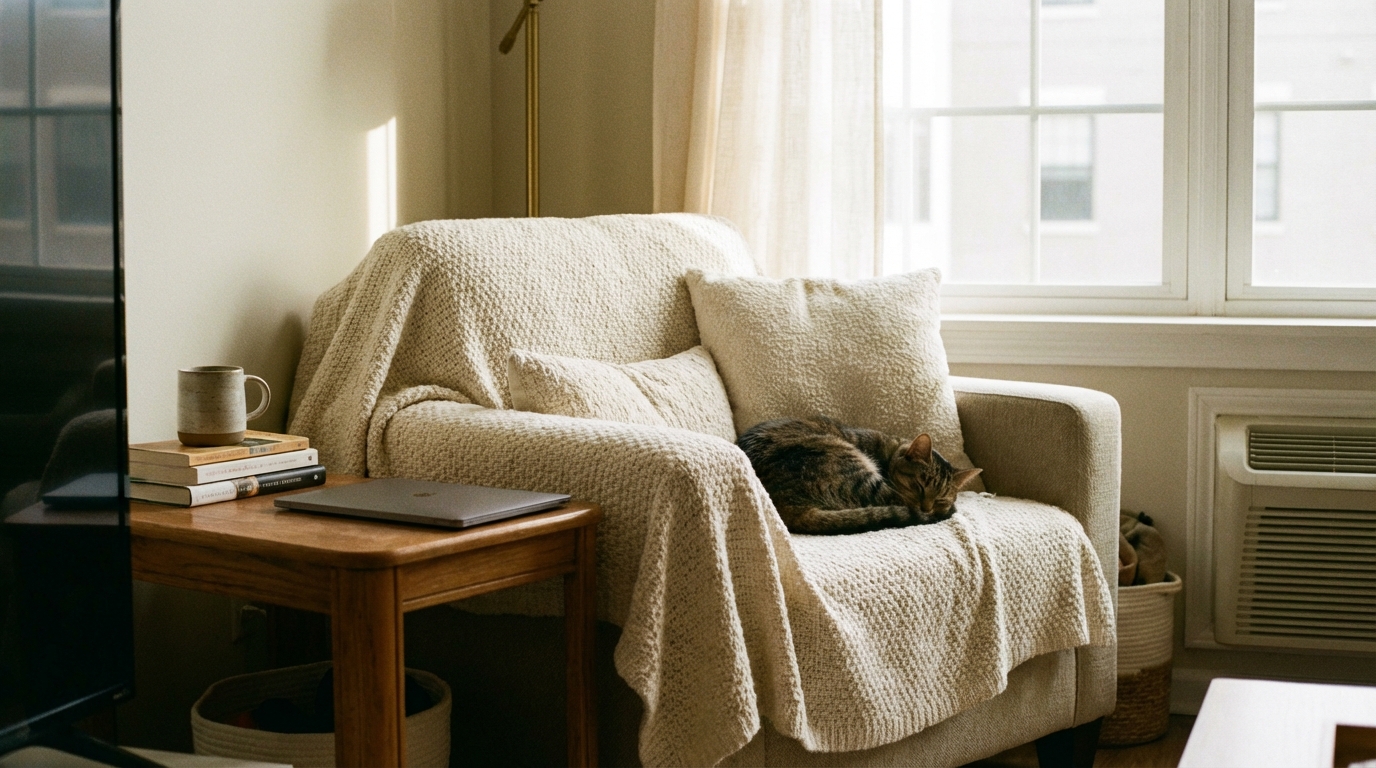
Many people dream of a home that looks perfect in photos. Smooth lines, bold colors, and stylish furniture can feel exciting and inspiring. But once you actually live in a space, things change. You walk through rooms every day, carry groceries, cook meals, clean, relax, and try to stay organized. This is where practical layouts often win over perfect design. A home that works well for daily life usually feels better over time than one that only looks good on a screen.
Practical layouts focus on how people truly use their homes. They consider movement, comfort, storage, and flexibility. Perfect design, when taken too far, can ignore these needs. In house and garden planning, choosing usability over aesthetics alone can make life easier, calmer, and more enjoyable.
What a Practical Layout Really Means
A practical layout is one that supports daily routines without making you think too much. You can move from room to room easily. Items you use often are close at hand. Spaces feel comfortable rather than stiff or showy. Practical does not mean boring or ugly. It simply means the design works with real life instead of fighting against it.
In a practical home, rooms are shaped and placed with purpose. Kitchens connect well to dining areas. Bedrooms feel quiet and private. Bathrooms are easy to reach, especially at night. Storage is planned so clutter does not take over living spaces. These choices may not always look dramatic, but they make a big difference in how the home feels every day.
Design That Supports Daily Routines
Think about how your day usually goes. You wake up, get dressed, prepare food, leave the house, return later, and unwind. A practical layout supports this flow. For example, having a place near the entryway for shoes, bags, and coats saves time and reduces mess. A perfect design might hide storage to keep clean lines, but then everyday items end up on chairs or countertops.
When design follows routine, the home feels natural. You do not have to adjust your habits to fit the space. Instead, the space fits you.
The Problem With Chasing Perfect Design
Perfect design often focuses on how a space looks at a single moment. It aims for symmetry, bold statements, and visual impact. While this can be exciting, it sometimes ignores how the space will be used over months and years.
Homes designed only for looks can become uncomfortable or frustrating. Beautiful furniture may be too delicate for daily use. Open spaces may echo sound and feel cold. Sharp corners, narrow walkways, or awkward room shapes can make simple tasks harder than they need to be.
Showrooms Are Not Real Life
Many design ideas come from showrooms, magazines, and online images. These spaces are staged. They are cleaned constantly and rarely used. Real homes are different. People cook, spill, drop things, and move furniture around. Children play. Pets run through rooms. A design that cannot handle these realities quickly loses its charm.
A practical layout accepts that life is messy sometimes. It allows for flexibility and forgiveness, rather than demanding constant upkeep.
Design Trends Change Faster Than Daily Needs
Trends come and go. What looks modern today may feel dated in a few years. Practical layouts, however, are more timeless. A well-placed doorway, a comfortable room size, or smart storage never goes out of style.
When homeowners chase perfect design, they may invest in trendy features that do not age well. A practical layout focuses on core needs that stay the same, even as styles shift.
Flow Matters More Than Appearance
Flow is how easily people can move through a home. It affects comfort, safety, and mood. A practical layout pays close attention to flow, while perfect design may prioritize visual balance instead.
Good flow means hallways are wide enough, doors open without blocking paths, and furniture placement makes sense. You can walk through rooms without bumping into things. This may sound simple, but it is often overlooked when design focuses only on looks.
Clear Pathways Reduce Stress
Cluttered or awkward pathways can cause stress without you realizing it. When you have to squeeze past furniture or step around obstacles, your body stays tense. Over time, this can make a home feel tiring.
Practical layouts create clear, natural paths. You know where to walk, and your movement feels easy. This helps the home feel calm and welcoming.
Room Connections That Make Sense
In practical homes, rooms connect in logical ways. Kitchens connect to dining spaces. Laundry areas are near bedrooms. Outdoor spaces connect easily to living areas. Perfect design might separate rooms for visual drama, but this can add extra steps to daily tasks.
When rooms are placed with purpose, everyday activities take less effort.
Comfort Beats Drama Every Time
Perfect design often aims to impress guests. Practical layouts focus on comfort for the people who live there. Comfort may not be flashy, but it matters every single day.
Comfort includes things like seating that supports the body, lighting that is easy on the eyes, and room temperatures that feel right. A dramatic design may look stunning but feel uncomfortable to live in.
Furniture That Fits Real Bodies
Some furniture looks amazing but is not designed for long-term comfort. Chairs may be too stiff. Sofas may be too low or too deep. Practical layouts allow space for furniture that truly fits the people using it.
This also includes enough room to move furniture slightly when needed. A perfect design may lock everything into place, leaving no flexibility.
Lighting for Living, Not Just Looks
Lighting is a common area where perfect design can fail. Low, moody lighting may look stylish, but it can make reading, cooking, or cleaning difficult. Practical layouts use layers of lighting, including task lighting where it is needed most.
Good lighting supports daily activities and helps reduce eye strain and fatigue.
Storage Is a Design Feature, Not an Afterthought
One of the biggest differences between practical layouts and perfect design is how storage is handled. Perfect design often hides or reduces storage to keep a clean look. Practical layouts treat storage as a core part of the design.
Homes need places to put things. Without enough storage, even the most beautiful space becomes cluttered. Practical layouts plan storage based on real needs, not just visual goals.
Everyday Storage Where You Need It
Practical layouts place storage close to where items are used. Cleaning supplies near cleaning areas. Dishes near the dishwasher. Towels near bathrooms. This reduces effort and saves time.
Perfect design may place storage far away or make it hard to access, just to maintain a certain look.
Flexible Storage for Changing Lives
Life changes. Families grow. Work situations shift. Hobbies come and go. Practical layouts include storage that can adapt. Shelves that can be adjusted. Closets that can be reconfigured. Spaces that can serve more than one purpose.
This flexibility keeps a home useful over many years.
Kitchens Show the Difference Clearly
The kitchen is one of the best places to see why practical layouts beat perfect design. A kitchen may look stunning, but if it is hard to cook in, the beauty fades quickly.
Practical kitchens focus on movement, reach, and efficiency. Perfect kitchens may focus on symmetry, high-end finishes, and visual impact.
Work Zones Over Visual Balance
Practical kitchen layouts consider work zones. Food storage, preparation, cooking, and cleaning are placed in a logical order. This reduces steps and makes cooking smoother.
Perfect design may center everything for visual balance, even if it makes cooking less efficient.
Durable Materials Matter More Than Shine
High-gloss surfaces and delicate materials can look beautiful, but they often show wear quickly. Practical layouts choose materials that can handle spills, heat, and daily use.
A kitchen that still looks good after years of cooking is more satisfying than one that looks perfect only when untouched.
Bathrooms Need Practical Thinking Too
Bathrooms are used multiple times a day, often when people are tired or in a hurry. Practical layouts make these moments easier. Perfect design may add drama but reduce comfort.
Simple things like counter space, mirror placement, and easy-to-clean surfaces matter more than bold design statements.
Ease of Cleaning Is Part of Usability
Bathrooms that are hard to clean quickly become frustrating. Practical layouts use materials and shapes that are easy to maintain. This saves time and keeps the space feeling fresh.
Perfect design may include complex shapes or textures that collect dirt and moisture.
Privacy and Sound Matter
Practical layouts consider privacy. Bathroom doors that open away from main living areas. Sound control between rooms. These details may not be visible, but they affect comfort.
Perfect design may place bathrooms in visually interesting spots that are less private.
Outdoor Spaces Benefit From Practical Layouts
House and garden design are closely linked. Outdoor spaces should be as usable as indoor ones. Practical layouts create outdoor areas that invite regular use, not just admiration.
Perfect garden design may look stunning but be difficult to maintain or uncomfortable to use.
Paths, Shade, and Seating
Practical gardens include clear paths, shaded areas, and comfortable seating. These features encourage people to spend time outside.
Perfect design may focus on symmetry or rare plants, while ignoring comfort.
Maintenance Level Matches Lifestyle
Practical layouts match the garden to the homeowner’s lifestyle. Busy people need low-maintenance designs. Garden lovers may enjoy more hands-on care.
A perfect garden that demands constant attention can become a burden.
Homes Should Support Mental Well-Being
A practical layout can improve mental well-being. When a home is easy to use, it reduces daily stress. You spend less time searching for things, cleaning, or feeling cramped.
Perfect design may look calm but feel tense if it requires constant upkeep or careful behavior.
Less Effort, More Ease
Practical layouts reduce effort. This frees up mental energy for more important things, like family, hobbies, and rest.
A home that works with you instead of against you feels supportive.
A Space That Accepts Real Life
Practical homes accept that life is not always neat. They allow for mess, movement, and change. This acceptance creates a sense of comfort and belonging.
Perfect design often demands control, which can feel limiting.
Beauty Can Still Exist in Practical Layouts
Choosing practicality does not mean giving up beauty. In fact, many people find that practical homes feel more beautiful over time. The beauty comes from comfort, ease, and how well the space supports daily life.
Practical layouts can still include color, texture, and personal style. The difference is that these elements are added after usability is considered, not before.
Design Grows From Function
When function comes first, design choices feel more natural. Colors, materials, and decor are chosen to enhance how the space works.
This creates a balanced home that feels both attractive and livable.
Personal Style Over Perfection
Practical layouts leave room for personal style. Instead of aiming for a perfect, finished look, they allow the home to evolve.
This makes the space feel more personal and less like a display.
Long-Term Satisfaction Comes From Use
Over time, homeowners tend to value how their home feels more than how it looks. Practical layouts continue to meet needs year after year. Perfect design may lose its appeal as daily frustrations add up.
A home that is easy to live in becomes a source of comfort and stability.
Fewer Regrets Over Time
People are less likely to regret practical choices. Wide doorways, good storage, and flexible spaces remain useful.
Perfect design choices made for visual impact may later feel limiting.
Homes That Adapt With You
Practical layouts adapt as people age or their needs change. Rooms can take on new roles. Accessibility can be improved more easily.
This adaptability adds long-term value to the home.
Practical Layouts Respect Real People
At its core, practical layout design respects real people and real lives. It acknowledges that homes are lived in, not just admired. By focusing on usability over aesthetics alone, homeowners create spaces that truly support them.
Perfect design may impress at first glance, but practical layouts quietly improve daily life. In the world of house and garden design, this quiet success often matters most.